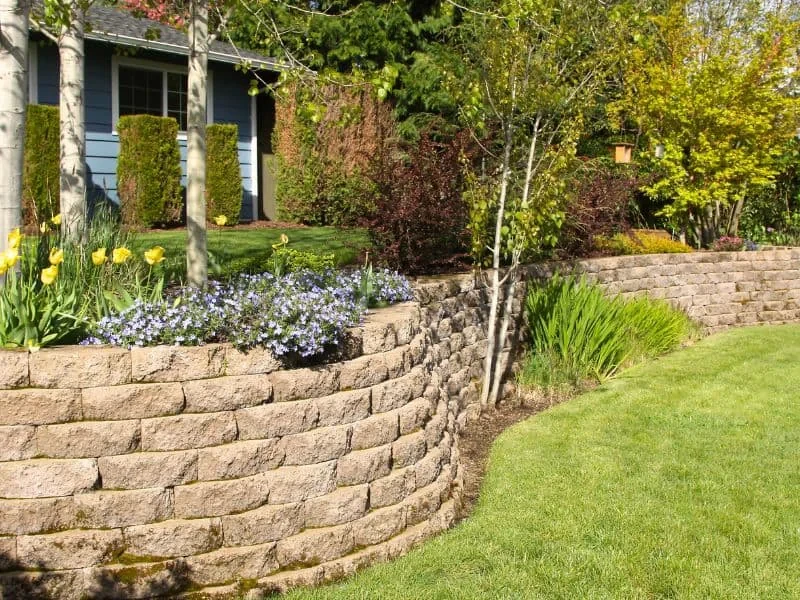
Summary:
Retaining walls are engineered structures that hold back soil on sloped properties, preventing erosion and creating functional outdoor spaces. This guide explains what retaining walls actually do, how they work to protect your property, and the specific situations when homeowners need one.
Whether you’re dealing with a hillside that’s washing away or want to create level areas in your yard, understanding retaining walls helps you make informed decisions about your landscape. You’ll learn the practical benefits, common applications, and what makes a retaining wall effective for Mecklenburg County, NC and Union County, NC properties.
Table of contents
What Is a Retaining Wall and How Does It Work
A retaining wall is a structure designed to hold back soil when there’s a change in ground elevation. Think of it as a barrier that resists the lateral pressure soil exerts when it’s piled higher on one side than the other. Without that barrier, gravity pulls soil downward, especially when water saturates the ground and makes it heavier.
The wall itself can be made from various materials—concrete blocks, natural stone, poured concrete, or timber. What matters most isn’t just what it’s made of, but how it’s built. A properly constructed retaining wall includes a compacted base below ground level, drainage systems behind the wall to prevent water buildup, and often reinforcement depending on the height and load it needs to support.
The engineering isn’t complicated in concept, but it’s critical in execution. Water is the biggest enemy of any retaining wall. When water gets trapped behind the wall, it creates hydrostatic pressure that can push the wall forward, causing it to bulge, lean, or eventually fail. That’s why drainage—usually gravel backfill and perforated pipes—is just as important as the wall itself.
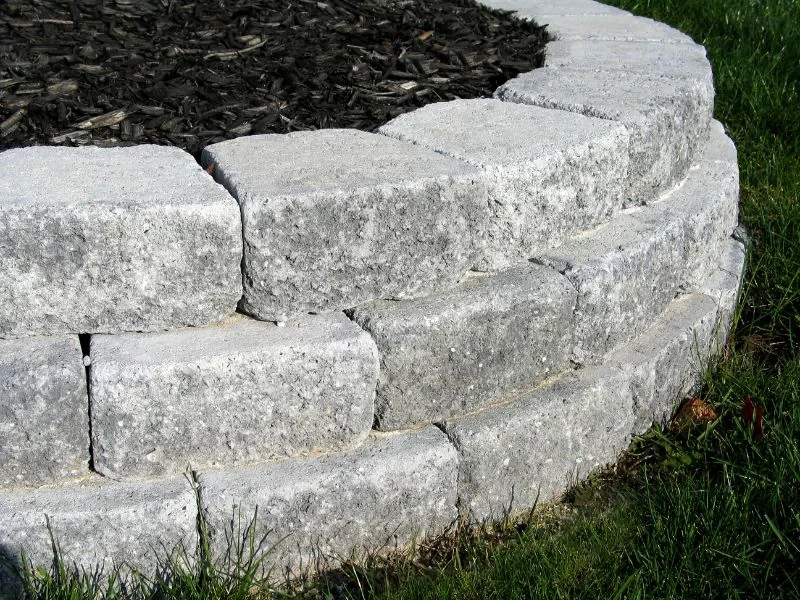
The Main Functions Retaining Walls Serve for Your Property
Retaining walls aren’t just about keeping dirt where you put it. They serve multiple functions that directly impact how you use your property and how well it holds up over time.
First, they prevent erosion. In areas like Mecklenburg County, NC and Union County, NC, where rainfall averages over 40 inches a year, soil erosion is a real concern. Slopes lose topsoil during storms, washing away the nutrient-rich layer that keeps plants healthy. Retaining walls hold that soil in place, protecting your landscaping investment and preventing gullies from forming.
Second, they manage water flow. A well-designed retaining wall system redirects water away from vulnerable areas like your home’s foundation. This prevents the kind of water damage that leads to cracks, settling, and basement moisture problems. The drainage system built into the wall allows water to pass through controlled channels instead of pooling behind the structure.
Third, they create usable space. If your property has a steep slope, you’re essentially losing square footage you could be using. Retaining walls let you terrace that slope into flat, level areas perfect for patios, gardens, play areas, or outdoor seating. Instead of looking at a hillside you can’t do anything with, you get functional outdoor living space.
Fourth, they protect your foundation. Soil movement puts pressure on foundation walls, and over time that pressure causes cracks and structural issues. A retaining wall stabilizes the soil around your home, taking that pressure off your foundation and preventing expensive repairs down the road.
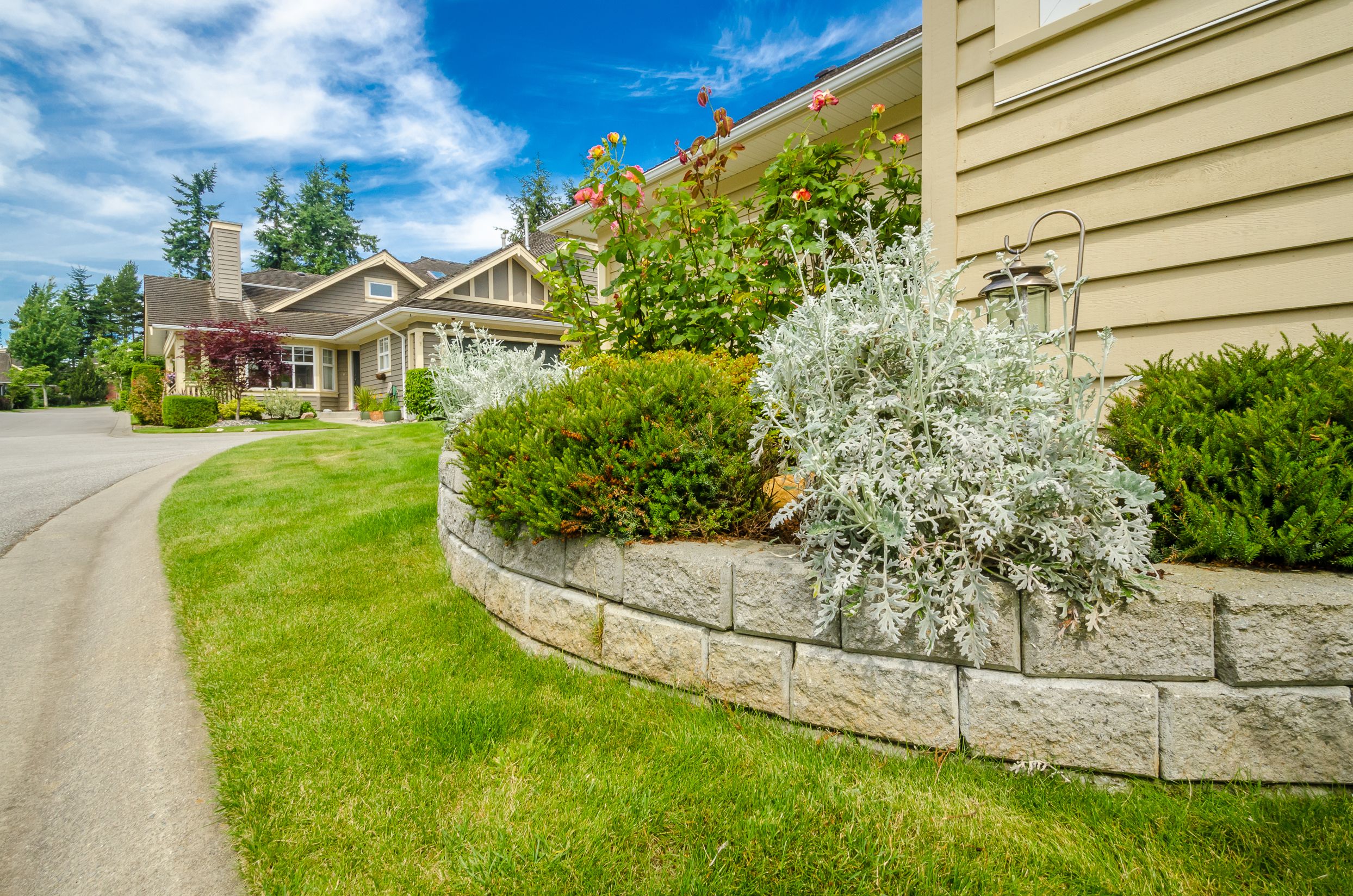
The walls also add visual structure to your landscape. They define spaces, create boundaries, and can serve as focal points in your yard design. You can incorporate seating into the wall cap, use them to frame garden beds, or build them at varying heights to add depth and dimension to flat properties.
Different Types of Retaining Walls and Their Applications
Not all retaining walls are built the same way. The type you need depends on how much soil you’re retaining, what your property conditions are like, and what you want the finished product to look like.
Gravity walls are the simplest type. They rely on their own weight to hold back soil. These walls are typically made from heavy materials like concrete blocks or natural stone, and they work well for heights up to about three feet. They’re popular for residential landscaping because they don’t require complex engineering and can be built in various styles. The mass of the wall itself provides the resistance against soil pressure.
Cantilever walls use a different approach. They have a thin vertical section and a horizontal base that extends under the soil being retained. The weight of that soil actually helps hold the wall in place. These walls are more efficient than gravity walls for taller applications and require less material, but they need proper engineering and reinforcement with steel rebar.
Segmental retaining walls use interlocking concrete blocks that stack together. They’re the most common choice for residential projects because they’re relatively straightforward to install, come in many colors and textures, and provide good stability when built correctly. The blocks have a built-in setback that creates a slight backward lean, which helps the wall resist pressure.
Anchored walls use cables or rods driven deep into the soil behind the wall for extra support. These work well when space is limited or when you need a thinner wall. The anchors extend back into stable soil and are secured there, essentially pulling the wall back against the soil pressure.
For properties in Monroe and the surrounding Union County, NC area, segmental block walls and natural stone walls are most common. The choice often comes down to aesthetics, budget, and the specific site conditions. Clay soil, which is prevalent in this region, requires careful attention to drainage regardless of which wall type you choose.
Material selection matters too. Concrete blocks offer consistency and durability at a moderate cost. Natural stone provides a timeless look that blends with the landscape but typically costs more and requires skilled installation. Poured concrete is extremely durable and can be formed into custom shapes, though it lacks the visual warmth of stone or textured blocks.
Want live answers?
Connect with a Union Landscaping and Hardscape expert for fast, friendly support.
When Do You Actually Need a Retaining Wall
Not every slope requires a retaining wall, but certain situations make them necessary rather than optional. Recognizing these situations helps you address problems before they become expensive disasters.
The most obvious indicator is active erosion. If you see soil washing away after rain, gullies forming on slopes, or dirt constantly spilling onto driveways and walkways, you’ve got an erosion problem that needs fixing. When the ground can’t hold itself in place naturally, a retaining wall provides the structure it lacks.
Foundation issues are another clear signal. If you notice cracks in your foundation walls, doors and windows that stick, or water seeping into your basement after storms, soil pressure and water movement might be the culprits. A retaining wall can stabilize the soil around your foundation and redirect water away from your home.
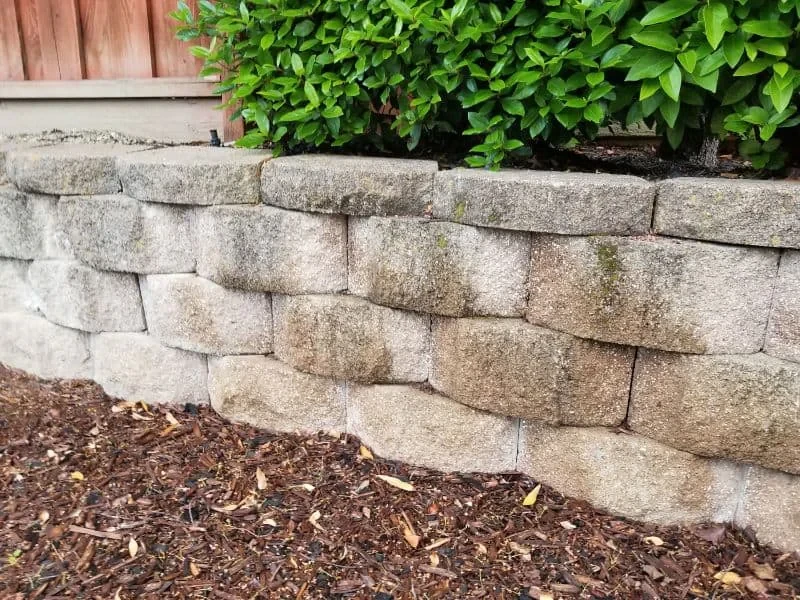
Signs Your Property Needs a Retaining Wall Solution
Beyond obvious erosion, several other signs indicate you need a retaining wall. If your property has a slope greater than a 3:1 ratio (three feet horizontal for every foot of vertical drop), the soil is working hard to stay in place. Steeper slopes are even more vulnerable, especially during heavy rainfall events common in Mecklenburg County, NC.
Standing water or drainage problems often point to the need for a retaining wall with integrated drainage. If water pools in certain areas after rain, or if you see water flowing across your property in ways that damage landscaping, a properly designed retaining wall system can redirect that water and prevent ongoing damage.
Unusable outdoor space is another practical reason. If you have a sloped yard that limits what you can do with your property, retaining walls open up possibilities. You might want a flat area for a patio, a level spot for a play structure, or terraced garden beds. The wall creates that usable space while also providing the structural benefits of erosion control and drainage management.
Property additions or changes sometimes necessitate retaining walls. If you’ve built a pool, added a garage, or made other improvements that changed your property’s grading, you might need a retaining wall to manage the new soil conditions. Any time you cut into a slope or add fill, you’re changing how soil and water behave, and a retaining wall might be necessary to stabilize things.
Neighboring property issues can affect you too. If an adjacent property has erosion problems or drainage that impacts your land, a retaining wall on your property line can protect your side. Similarly, if you’re on the uphill side, you might need a wall to prevent your soil from migrating onto your neighbor’s property.
In the Charlotte and Monroe areas, where clay soil is common, drainage becomes especially important. Clay doesn’t drain well, which means water can saturate the soil and make it heavy. That saturated soil puts more pressure on retaining walls and foundations. If your property has clay soil and slopes, you’re dealing with conditions that often require professional assessment to determine if a retaining wall is needed.
What Makes a Retaining Wall Installation Successful
The difference between a retaining wall that lasts decades and one that fails within a few years comes down to installation quality. Understanding what goes into proper installation helps you evaluate whether a project is being done right.
Base preparation is the foundation of everything. The wall needs to sit on a compacted gravel base, not on topsoil or clay. Soil absorbs water and swells, which creates movement and instability. A proper base is typically 6-12 inches of crushed stone, compacted in layers. The first course of blocks is often buried below grade, which locks the wall in place and provides stability.
Drainage integration cannot be skipped. Behind the wall, there should be clean gravel (not dirt) and a perforated drainage pipe at the base. This system allows water to drain through the wall rather than building up behind it. Some installers cut corners here because you can’t see it once the wall is finished, but inadequate drainage is the number one cause of retaining wall failure.
Proper setback and batter are important for taller walls. Most retaining wall systems are designed with a slight backward lean as each course is added. This setback helps the wall resist the forward pressure from the soil. Walls that are perfectly vertical or, worse, lean forward, are fighting against physics and will eventually lose that battle.
Reinforcement is necessary for walls over a certain height. In most cases, walls taller than three to four feet need some form of reinforcement. This might be geogrid layers that extend back into the soil, connecting the wall to the earth behind it. For poured concrete walls, steel rebar provides tensile strength. The specific reinforcement needed depends on the wall height, soil conditions, and load requirements.
Caps and finishing touches protect the wall and complete the look. Wall caps shed water off the top of the wall, preventing moisture from seeping down into the blocks. They also provide a finished appearance and can be designed as seating surfaces if desired.
Local building codes matter. In Mecklenburg County, NC and Union County, NC, walls over a certain height require permits and sometimes engineering stamps. These aren’t bureaucratic obstacles—they’re safeguards ensuring the wall is designed to handle the loads it will face. Erosion control regulations in these counties are taken seriously, and proper permitting ensures your project meets those standards.
Professional installation makes a difference because experienced installers understand local soil conditions, proper drainage techniques, and building code requirements. We know that Charlotte-area clay soil behaves differently than sandy soil, and we adjust our methods accordingly. We have the equipment to properly compact base materials and the knowledge to identify potential problems before they become failures.
Making the Right Decision for Your Property
Retaining walls are more than landscaping features. They’re engineered structures that protect your property, manage water, prevent erosion, and create functional outdoor space. When you understand what they do and when you need one, you can make informed decisions about your landscape.
If you’re seeing erosion, dealing with drainage problems, or looking at a sloped yard you can’t use, a retaining wall might be the solution. The key is working with professionals who understand local conditions in Mecklenburg County, NC and Union County, NC, know how to design for clay soil and high rainfall, and have the expertise to build walls that last.
At Union Landscaping and Hardscape S Corp, we specialize in custom retaining wall design and installation for homeowners in Monroe and surrounding areas. With attention to detail, quality materials, and proper installation techniques, we create retaining walls that protect your property while enhancing your outdoor living space.