Paver Contractors in Westover Hills, NC

Driveways and Patios That Actually Last

Professional paver installation that handles North Carolina weather without cracking, settling, or constant repairs.
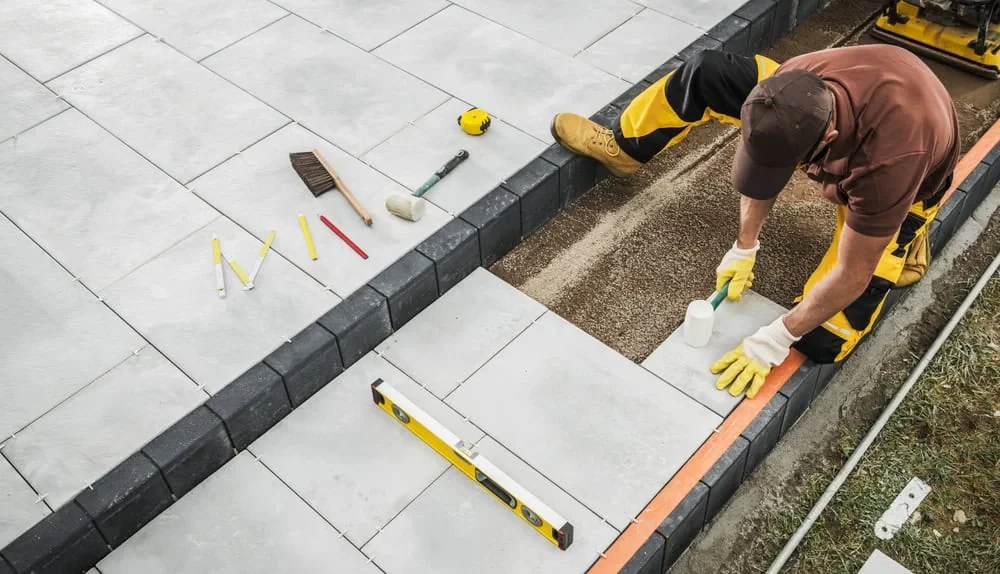
Landscaper Laying Concrete Slab Mecklenburg County North Carolina
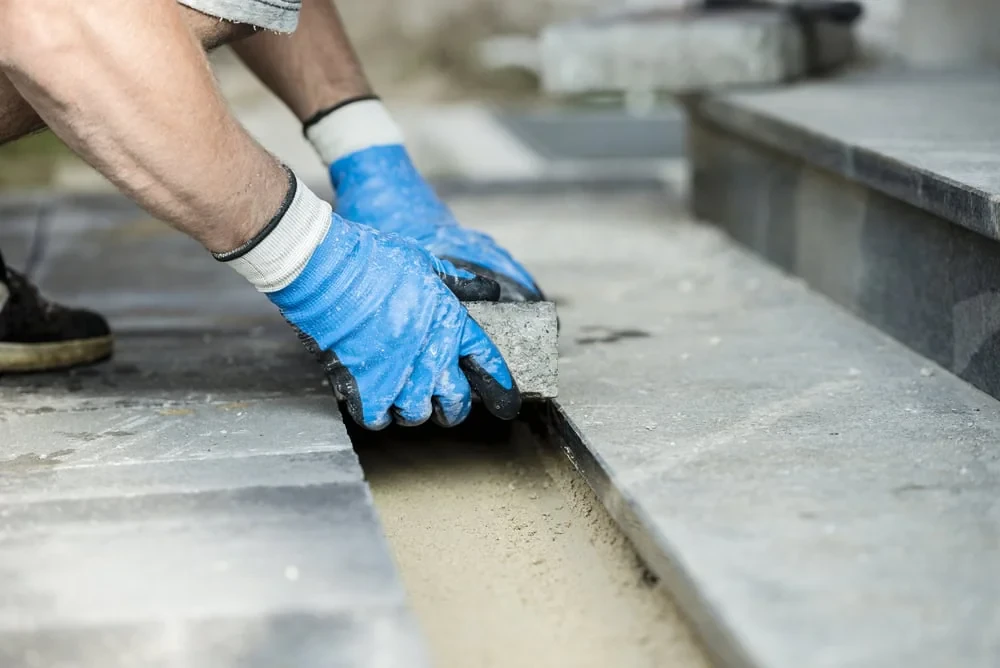
Leveling Sand Stone Stairs Mecklenburg County North Carolina_1

Professional Paver Installation Services

Your Property Value Just Went Up

You’re tired of looking at that cracked driveway. Tired of explaining to guests why they need to watch their step on your uneven patio. Tired of throwing money at temporary fixes that don’t fix anything.

Professional paver installation changes all that. Your driveway becomes something you’re proud to pull into. Your patio becomes the space where people actually want to spend time. Your walkways guide visitors safely to your door instead of creating liability concerns.

The difference isn’t just aesthetic. Properly installed pavers handle North Carolina’s freeze-thaw cycles, heavy rains, and clay soil movement without the cracking and settling that destroys concrete. You get a surface that looks better and performs better, year after year.

Westover Hills Hardscape Specialists

We Know This Soil

Union Landscaping and Hardscape S Corp has been installing pavers in the Westover Hills area long enough to understand what works here and what doesn’t. We know how your clay soil behaves. We know what base preparation prevents settling. We know which materials hold up to our weather.

That experience shows in every project. While other contractors are learning expensive lessons on your property, we’re applying knowledge we’ve already gained. Your project gets done right the first time because we’ve already made the mistakes elsewhere.
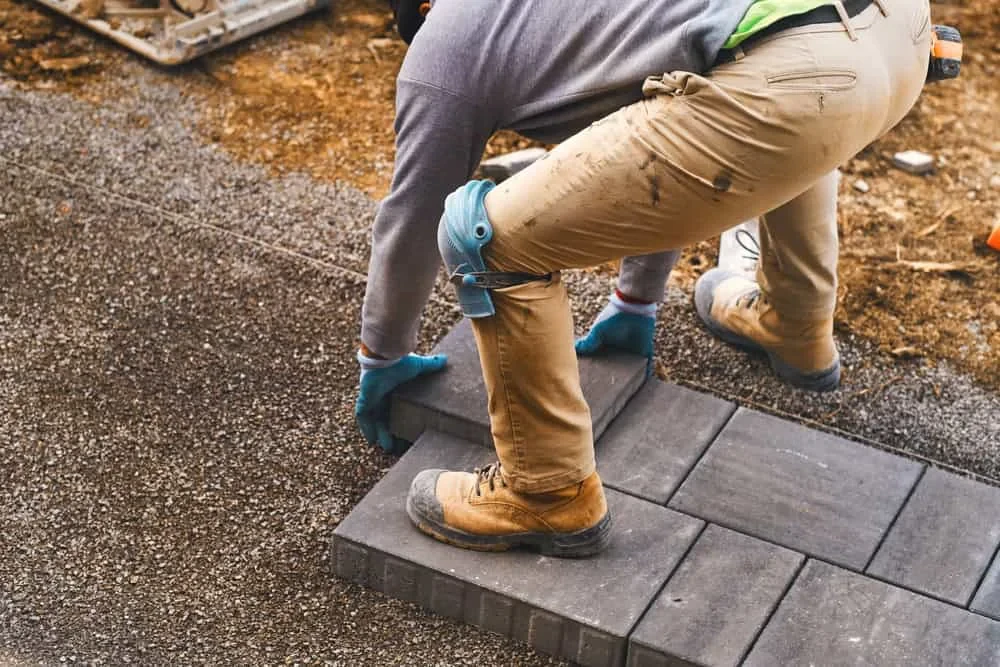
Landscaper Laying Gray Pavers Mecklenburg County North Carolina

Paver Installation Process

Here's How We Do It

First, we excavate to the proper depth for your specific soil conditions and intended use. This isn’t guesswork—different applications require different depths, and your clay soil has specific requirements that affect the entire project.

Next comes base preparation. We install and compact the aggregate base in lifts, ensuring proper drainage and stability. This step determines whether your pavers will look perfect in five years or start settling in two. Most problems trace back to poor base work.

Then we install the pavers themselves, maintaining proper spacing and alignment. We cut edge pieces to fit precisely, not leave gaps that collect debris. Finally, we sweep and compact the joint sand, creating a locked surface that moves as one unit instead of individual pieces that can shift.
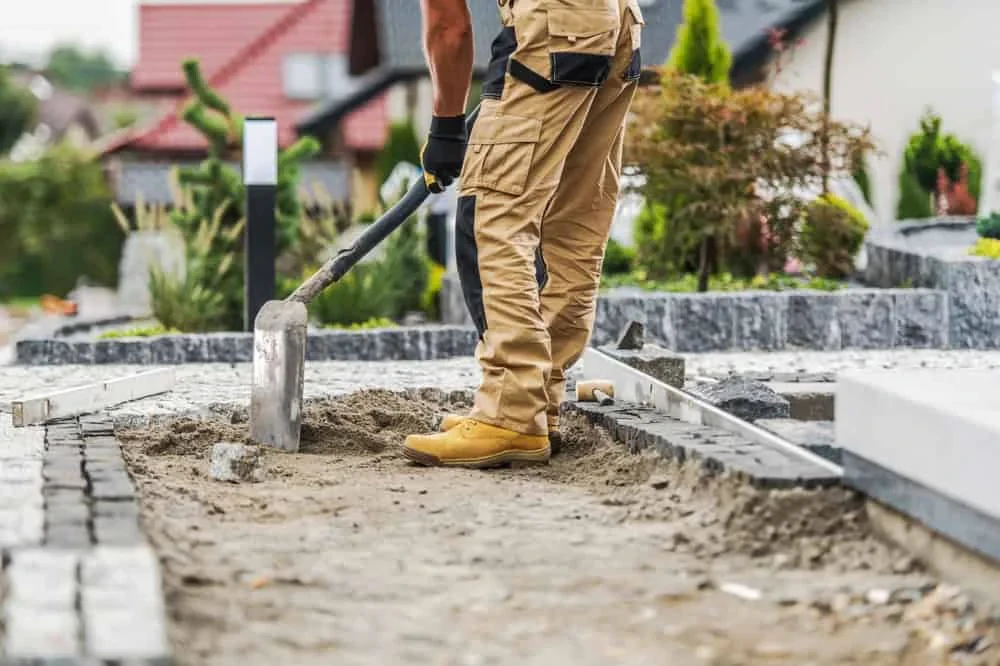
Landscaper Shoveling Foundation Mecklenburg County North Carolina_1

Ready to get started?

Explore More Services

About Union Landscaping and Hardscape

Get a Free Consultation

Residential and Commercial Pavers

What You Get With Us

You get paver installation that’s designed for your specific situation. Driveway pavers that handle your vehicle weight and traffic patterns. Patio pavers that create the outdoor space you actually want to use. Walkway pavers that guide visitors safely while enhancing your landscaping.

We handle both residential and commercial projects. Your home driveway gets the same attention to detail as a commercial parking area. The difference is in the specifications—load requirements, drainage needs, and aesthetic preferences—not in our commitment to doing it right.

Every project includes proper base preparation, precise installation, and joint sand that locks everything together. You get a written estimate that covers everything, not a low-ball number that grows with “unexpected” additions. Your project timeline is realistic, not optimistic.
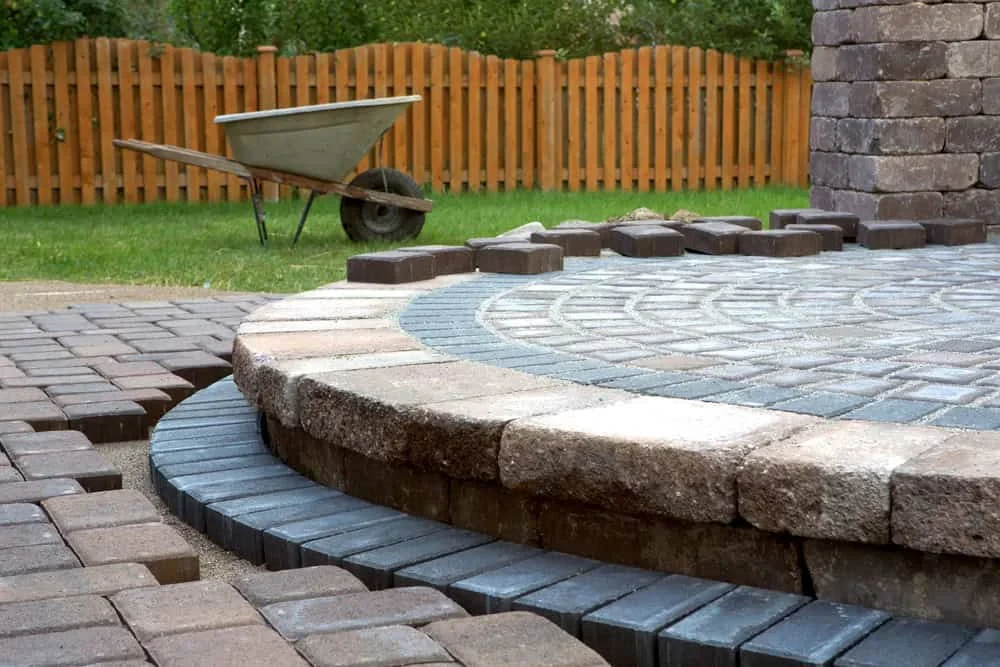
Stone Patio Under Construction Mecklenburg County North Carolina

How long does paver installation take for a typical driveway?

Most residential driveways take 3-5 days, depending on size and complexity. Day one is excavation and base preparation. Days two and three involve base installation and compaction—this can’t be rushed regardless of weather or schedule pressure. Day four is paver installation, and day five handles cutting, edge work, and final sand installation. Weather delays are possible, especially during base work, because proper compaction requires appropriate moisture conditions.
Concrete pavers offer consistent dimensions, color options, and typically cost less than natural stone. They’re manufactured to specific standards and interlock precisely. Natural stone pavers like flagstone or slate provide unique textures and colors but require more skilled installation due to thickness variations. Both perform well in North Carolina’s climate when properly installed. Your choice usually comes down to aesthetic preference and budget, not performance differences.
Yes, because pavers move independently instead of as one large slab. When clay soil expands and contracts with moisture changes, individual pavers can shift slightly without cracking. Concrete slabs crack when they can’t accommodate soil movement. If a paver does get damaged, you replace individual pieces instead of cutting out and patching concrete. The joint sand between pavers also allows for minor movement that would crack solid concrete.
Paver installation typically costs 20-40% more than concrete initially, but often costs less over time due to lower maintenance requirements. Concrete driveways in our area commonly need repair or replacement within 10-15 years due to cracking and settling. Properly installed pavers can last 25+ years with minimal maintenance. The cost difference narrows significantly when you factor in concrete repair costs, and pavers provide better resale value for your property.
Pavers need joint sand replenishment every 2-3 years and occasional cleaning. Power washing removes stains and debris, though you need to be careful not to wash out joint sand. Some homeowners choose to seal their pavers for enhanced color and easier cleaning, but sealing isn’t required for performance. Weeds can grow in joints if sand levels drop, but proper maintenance prevents this. Overall maintenance is minimal compared to concrete crack repair and resurfacing.
Sometimes, but it depends on the existing concrete’s condition and your specific situation. The concrete must be structurally sound, properly sloped for drainage, and thick enough to support the additional weight. We need to add edge restraints and ensure proper drainage won’t be compromised. In many cases, especially with cracked or settling concrete, complete removal and proper base installation provides better long-term results. We’ll assess your existing surface and recommend the approach that makes sense for your situation and budget.