Paver Contractors in University City South

Pavers That Actually Last Years

Professional installation with proper base prep so your investment doesn’t shift, sink, or gap.
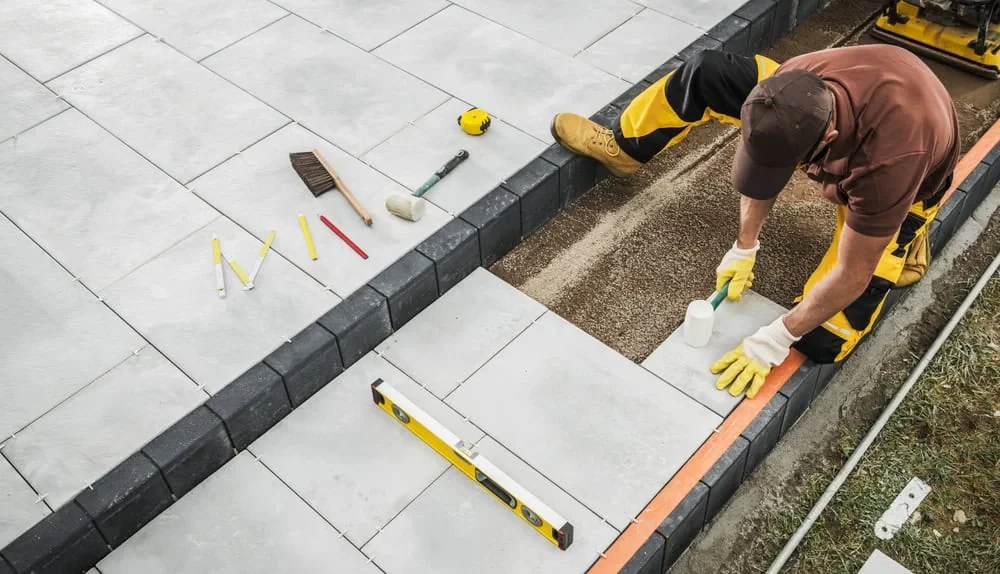
Landscaper Laying Concrete Slab Mecklenburg County North Carolina
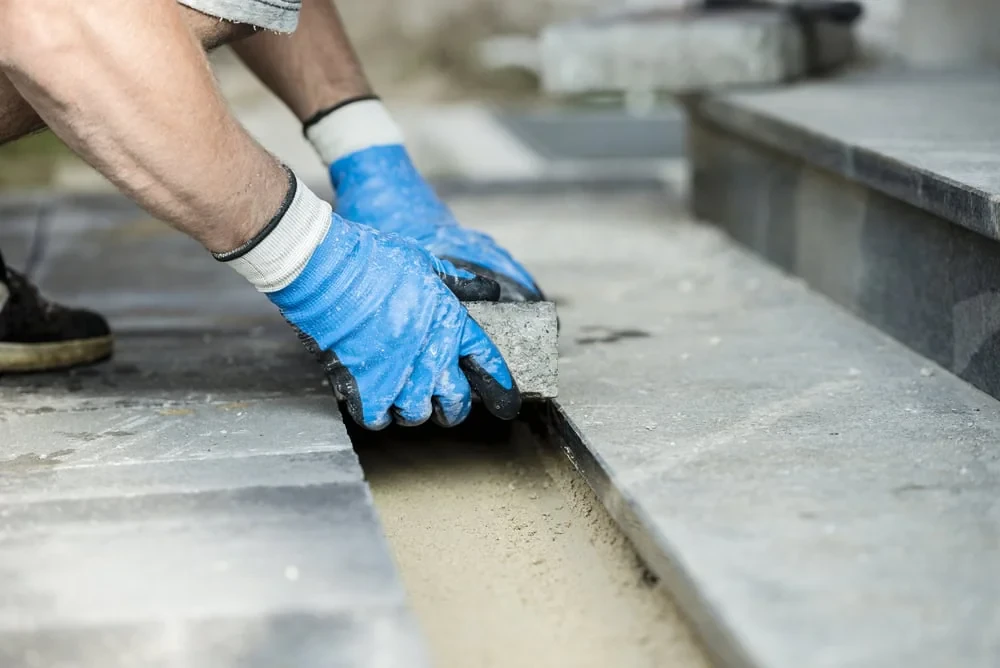
Leveling Sand Stone Stairs Mecklenburg County North Carolina_1

Professional Paver Installation Services

What You Get With Proper Installation

Your pavers stay level and tight for years because the foundation work was done right the first time. No settling that creates trip hazards or gaps that collect weeds and water.

You get outdoor spaces that actually enhance your property value instead of becoming maintenance headaches. Patios where furniture sits level, driveways that handle North Carolina weather, walkways that stay smooth and safe.

The difference is in the base preparation and drainage work that most people never see. When it’s done correctly, your pavers look as good in five years as they do on installation day.

University City South Paver Experts

We Know This Area's Ground

Union Landscaping and Hardscape S Corp has been handling paver installations throughout University City South and the greater Charlotte area. We understand how the local clay soil behaves and what it takes to build lasting hardscape projects here.

Our team focuses exclusively on landscaping and hardscaping work, so we’re not trying to be everything to everyone. We know pavers, we know this area’s soil conditions, and we know what works long-term in North Carolina’s climate.

You’re working with a properly structured business that’s invested in this community and built to stick around for warranty work and future projects.
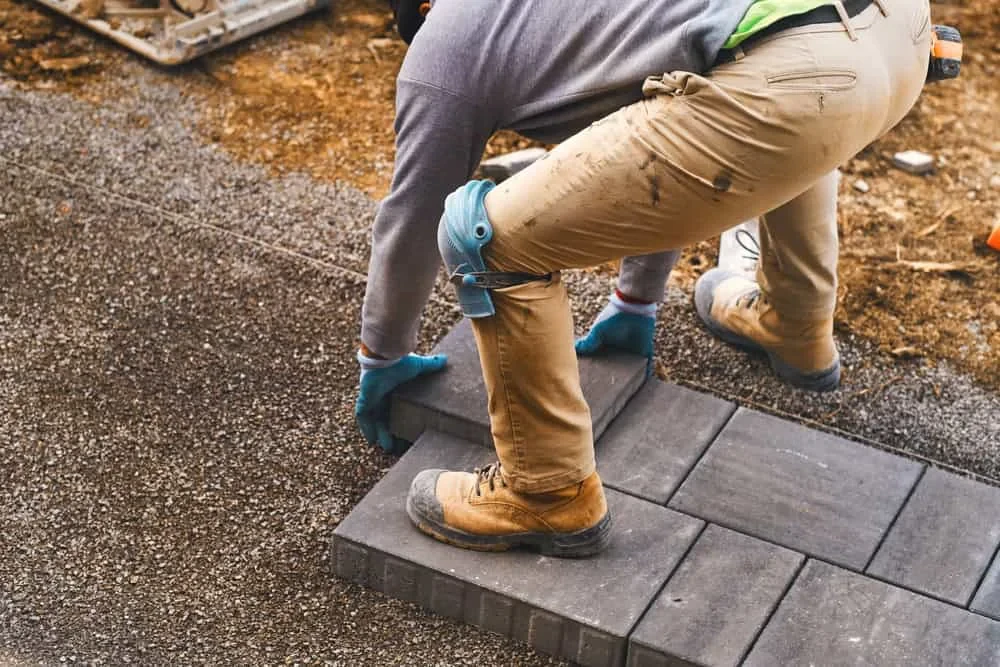
Landscaper Laying Gray Pavers Mecklenburg County North Carolina

Paver Installation Process

How We Install Pavers Right

First, we excavate to the proper depth and grade for drainage. This isn’t optional – it’s what prevents your pavers from shifting and settling later. We’re talking about removing soil, not just laying pavers on top of what’s there.

Next comes the base material – compacted gravel that creates a stable foundation. We use mechanical compaction equipment to ensure proper density. Then a leveling layer of sand gets screeded perfectly flat.

The pavers go down with proper spacing and alignment. Edge restraints get installed to prevent spreading. Finally, joint sand gets swept and compacted to lock everything in place. The whole system works together to handle freeze-thaw cycles and ground movement that happens here in North Carolina.
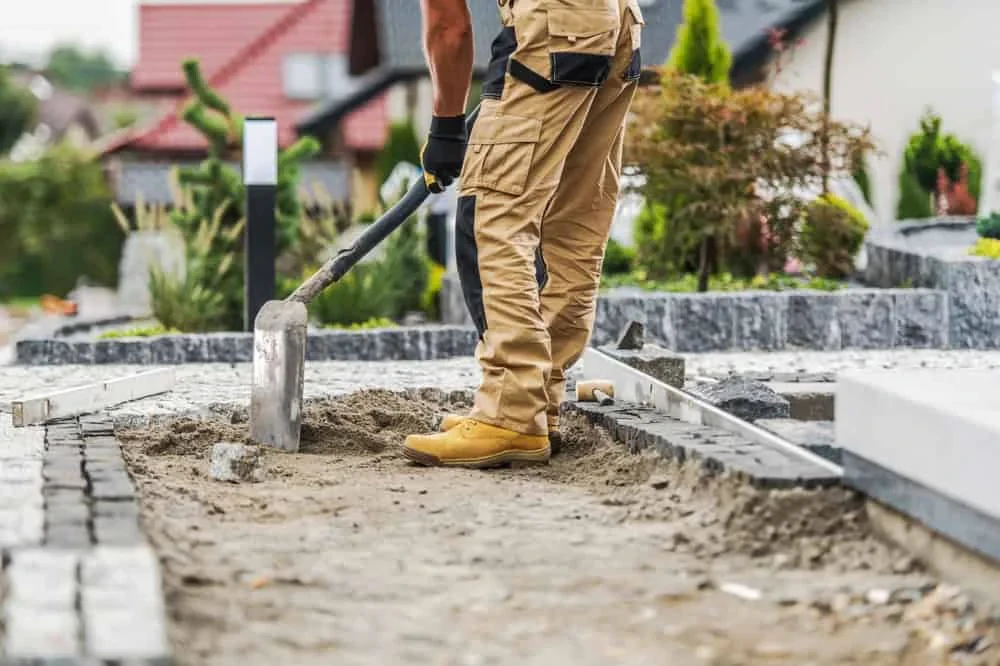
Landscaper Shoveling Foundation Mecklenburg County North Carolina_1

Ready to get started?

Explore More Services

About Union Landscaping and Hardscape

Get a Free Consultation

Residential and Commercial Paver Work

What's Included in Every Project

Every paver installation includes proper excavation, base preparation, drainage considerations, and professional installation with appropriate edge restraints. We handle both residential patio and walkway projects and larger commercial applications.

You get material sourcing from established suppliers, so colors and textures match throughout your project. Our equipment handles the heavy excavation and compaction work that determines whether your pavers last or fail in a few years.

We also handle the details that matter – proper slopes for water runoff, transitions to existing surfaces, and cleanup that leaves your property ready to enjoy. University City South properties often have specific drainage challenges, and we factor those into every installation plan.
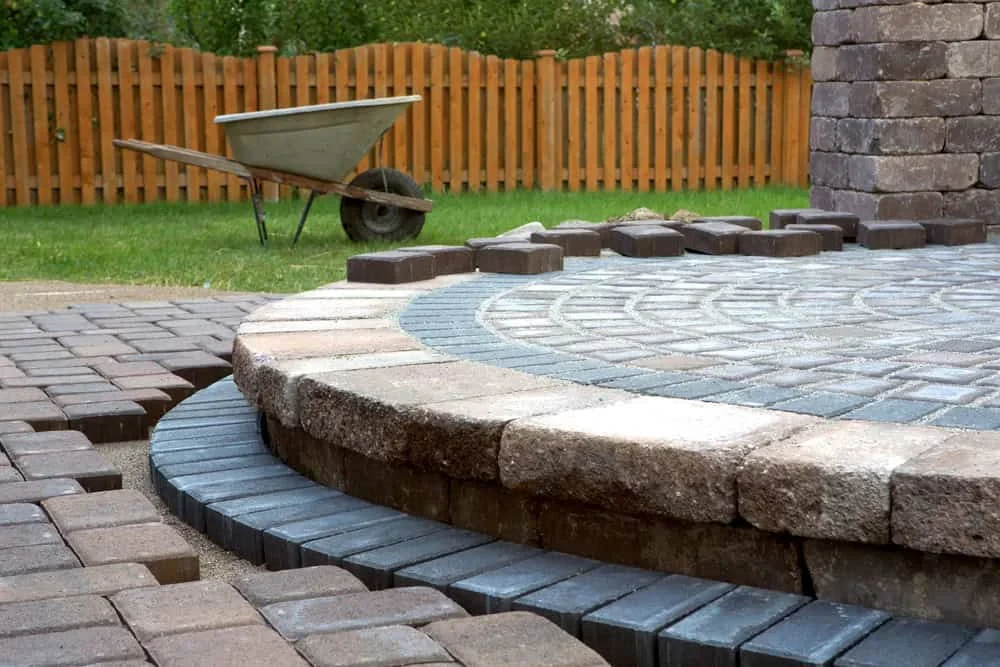
Stone Patio Under Construction Mecklenburg County North Carolina

How long does a typical paver patio installation take?

Most residential patio projects take 3-5 days from start to finish, depending on size and complexity. The timeline includes excavation, base preparation, paver installation, and final cleanup. Weather can extend the schedule since we won’t compact base materials in wet conditions – that compromises the foundation. Larger commercial projects or complex designs with multiple elevations take longer. We’ll give you a realistic timeline upfront and keep you updated if anything changes during the project.
Poor base preparation is the main culprit. If the excavation isn’t deep enough or the base material isn’t properly compacted, pavers will settle unevenly as the ground shifts. Inadequate edge restraints also let pavers spread apart over time. North Carolina’s clay soil expands and contracts with moisture changes, so proper drainage and base depth are critical here. DIY installations often skip these steps because they require equipment and experience. When the foundation work is done right, pavers stay stable for decades.
Installed paver costs typically range from $12-25 per square foot, depending on the paver type, site conditions, and project complexity. Simple rectangular patios cost less than curved designs with multiple elevations. The price includes excavation, base materials, pavers, installation labor, and cleanup. Cheaper quotes usually mean shortcuts in base preparation or lower-grade materials. More expensive doesn’t always mean better, but extremely low prices are red flags. We provide detailed estimates that break down materials and labor so you understand what you’re paying for.
Yes, when installed properly with adequate base depth and quality materials. Driveway paver installations require thicker base preparation than patios because they handle vehicle loads. We typically excavate 8-10 inches deep and use multiple layers of compacted base material. Interlocking pavers actually handle freeze-thaw cycles better than concrete because individual units can move slightly without cracking. The key is using pavers rated for vehicular traffic and ensuring proper drainage so water doesn’t undermine the base. Many University City South homes have paver driveways that look great after years of use.
Properly installed pavers need minimal maintenance. You’ll occasionally need to add joint sand where it washes out and remove weeds that grow in the joints. Power washing every few years keeps them looking fresh. Some people choose to seal their pavers, but it’s not required for durability – it’s mainly for color enhancement and stain resistance. If individual pavers get damaged, they can be replaced without redoing the entire surface. The main thing is keeping the edge restraints intact and not letting erosion undermine the base along the edges.
Consider your home’s architecture, your budget, and how you’ll use the space. Concrete pavers offer the most color and style options at lower cost. Natural stone pavers like flagstone or travertine cost more but provide unique textures and colors. Brick pavers work well with traditional architecture. For high-traffic areas, choose pavers with textured surfaces for better traction. Thicker pavers (2.375″ vs 1.875″) provide more durability for driveways. We can show you samples and discuss how different options perform in our local climate and soil conditions.