
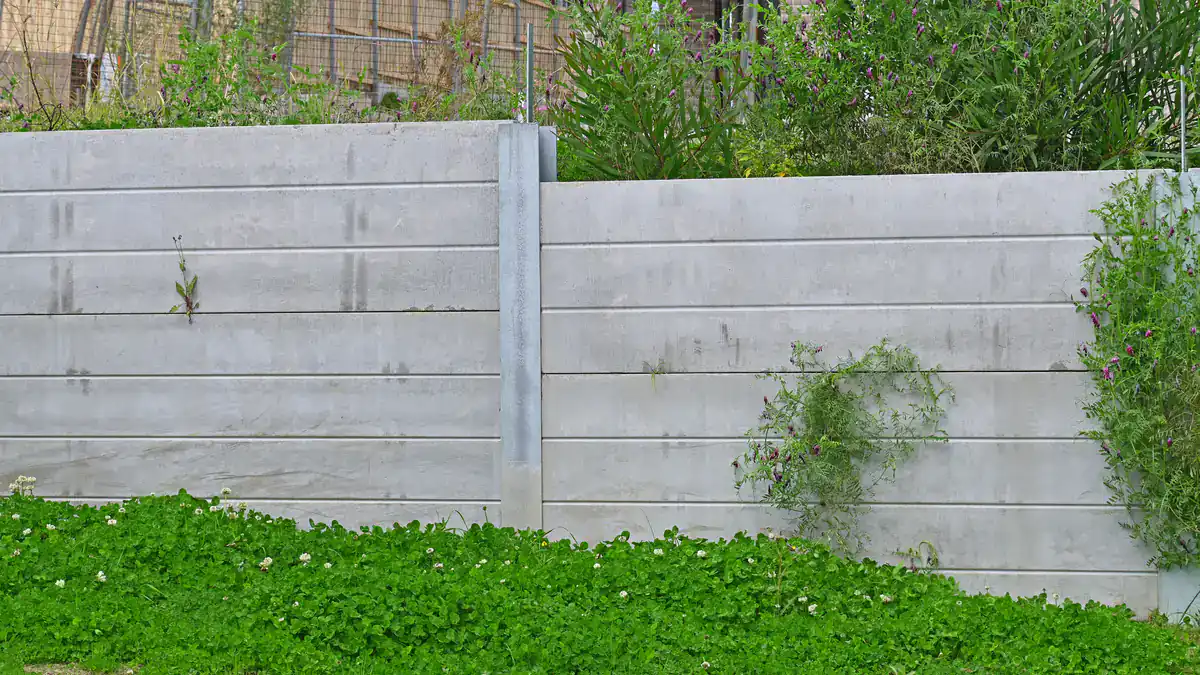
You stop watching topsoil wash away every time it rains. Your foundation stays dry. Your sloped yard becomes a patio, a garden bed, or just flat ground you can actually use.
That’s what proper retaining wall installation in University City, NC does. It holds back soil, redirects water away from your home, and turns problem areas into functional outdoor living spaces. You’re not just stacking blocks – you’re protecting one of your biggest investments.
The right retaining wall blocks and drainage setup mean you’re not dealing with standing water, foundation cracks, or replanting the same flower bed twice a year. University City’s clay soil and heavy rainfall make this even more critical. If your wall isn’t designed for local conditions, it won’t hold up.
We’re a family-owned company based in Monroe, serving University City and the greater Charlotte area. We’ve been installing retaining walls, patios, and outdoor structures for homeowners who need more than a quick fix.
University City sits in an area with expansive clay soils that swell when wet and shrink when dry. That movement puts pressure on retaining walls. We account for that in every design – proper base prep, drainage systems, and material selection that matches your property’s specific conditions.
You’re not getting a one-size-fits-all approach. Every site is different, and every retaining wall we build reflects that.
First, we come out and look at your property. We’re checking slope, drainage patterns, soil type, and what’s causing the erosion or instability. That tells us what kind of wall you need – height, materials, drainage requirements.
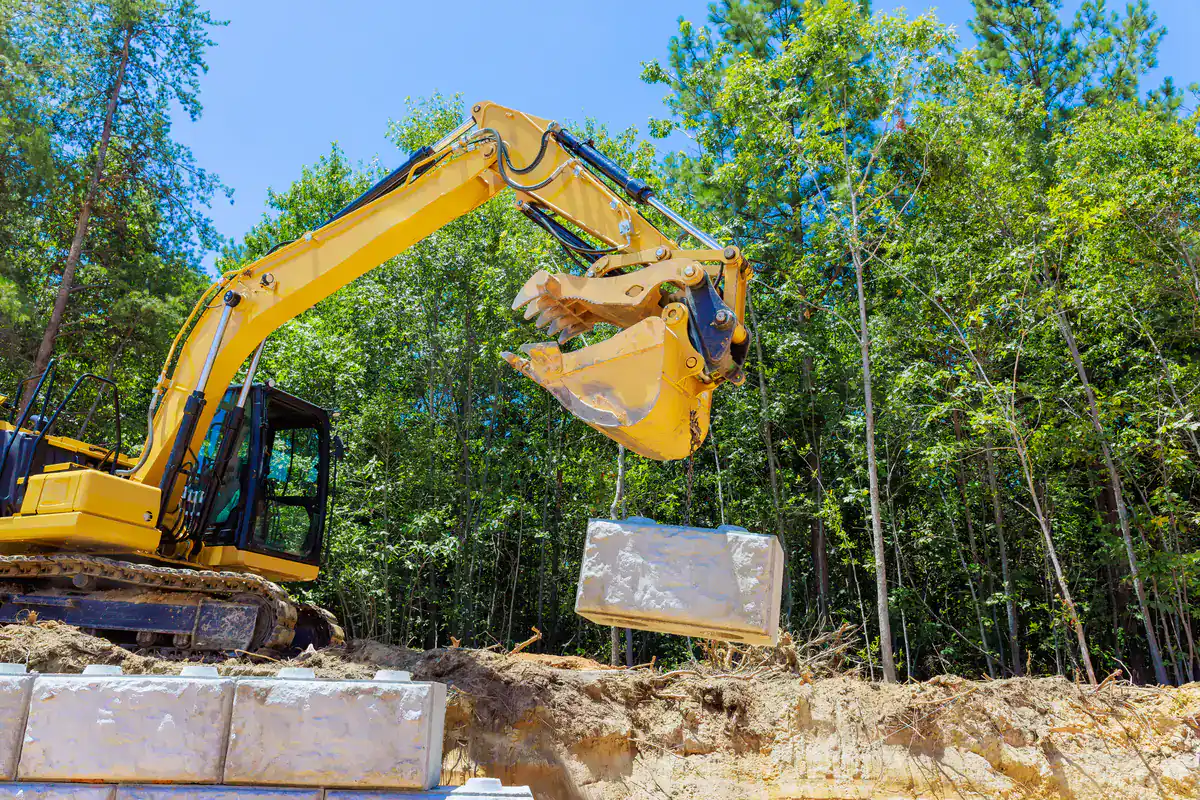
Next, we handle permits if your wall is over four feet. In North Carolina, anything under four feet typically doesn’t need a permit, but we make sure you’re covered either way. Then we prep the site – excavation, base material, compaction. This is where most DIY jobs and cheap installs fail.
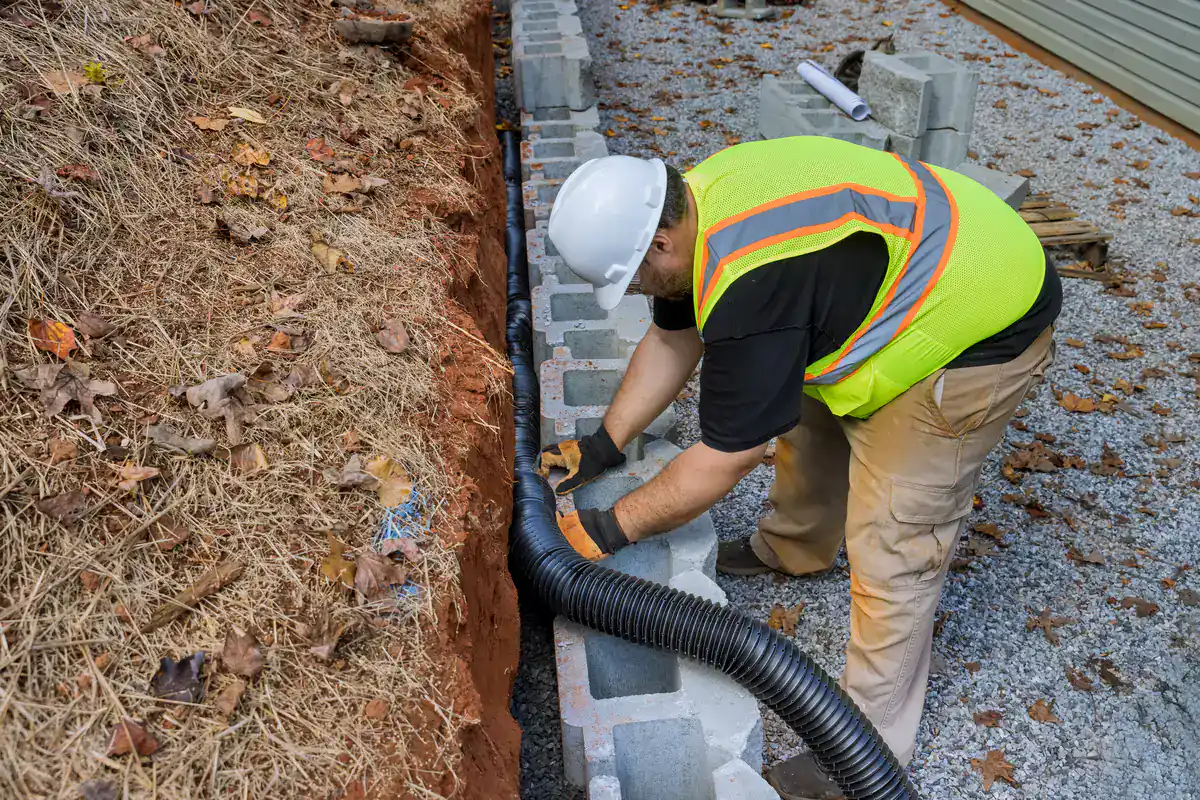
We install the retaining wall blocks or concrete retaining wall blocks with proper drainage behind them. Water has to go somewhere, and if it builds up behind your wall, it will fail. We use gravel backfill, drainage pipe, and filter fabric to keep water moving away from the structure. Once the wall is up and backfilled, we grade and finish the surrounding area so everything drains correctly.
Ready to get started?
You get a retaining wall designed for University City’s soil and weather conditions. That means accounting for Charlotte’s clay soils, which are some of the most challenging to work with. Clay expands and contracts, so your wall needs proper drainage and a solid base to handle that movement.
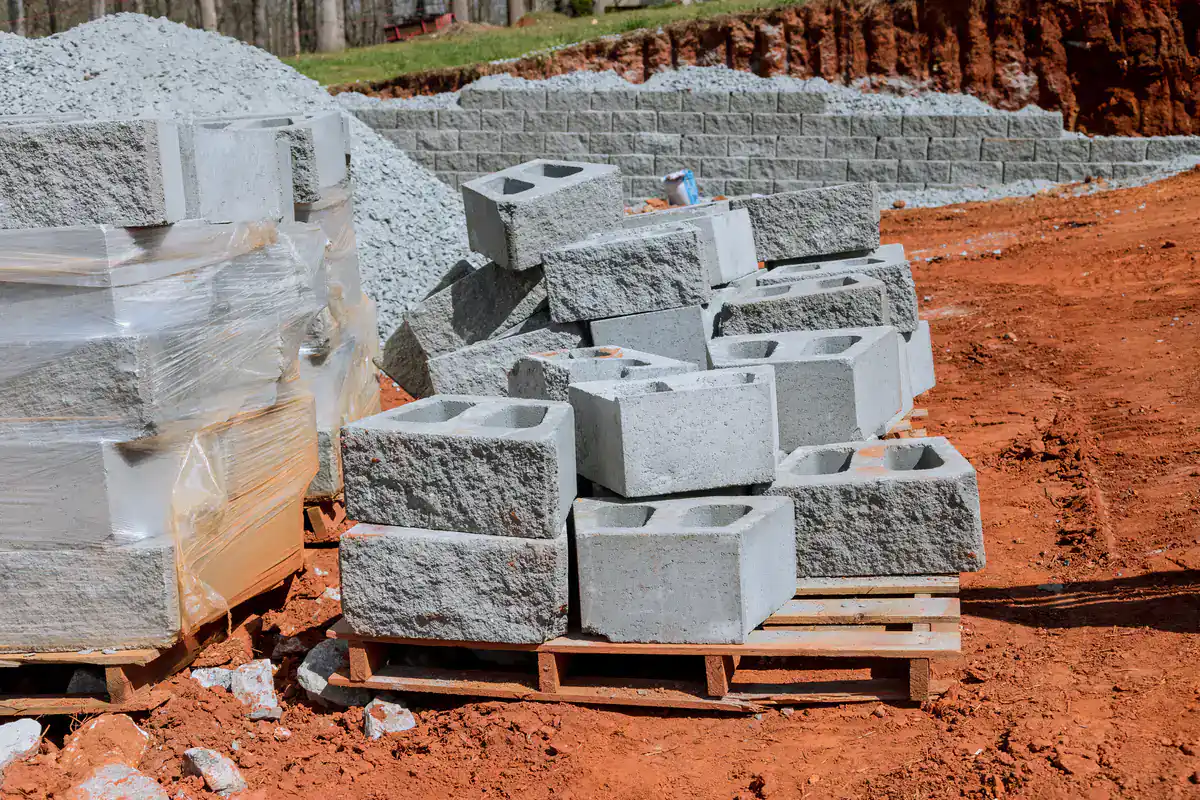
You also get material options that fit your property and budget. Concrete retaining wall blocks are durable and cost-effective. Natural stone gives you a high-end look. Modular block systems offer flexibility in design and are easier to repair if needed down the road.
We include drainage systems in every installation – not as an add-on, but as part of the job. University City gets significant rainfall throughout the year, and without proper drainage, even the best-built wall will fail. We also handle grading and finish work so your outdoor living spaces look intentional, not like a construction zone.
Every wall comes with a clear timeline and communication throughout the project. You know what’s happening, when it’s happening, and what to expect after we’re done.
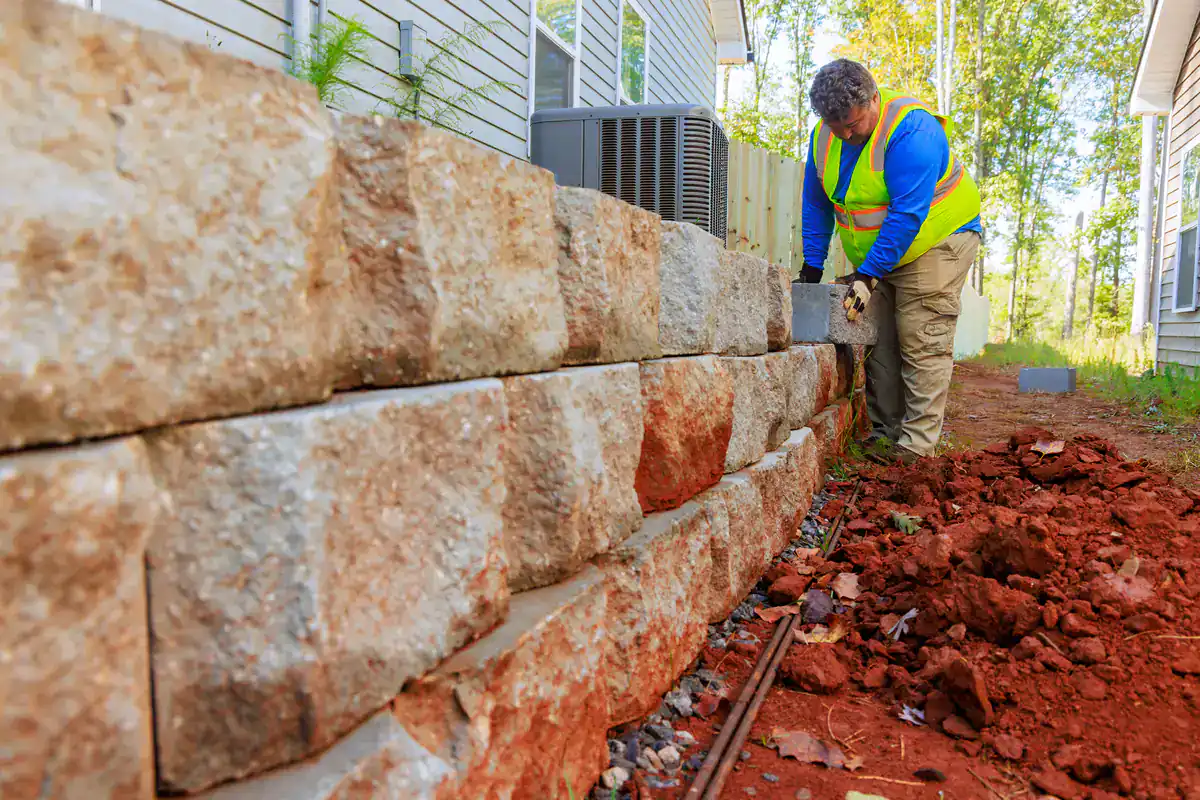
A properly installed retaining wall can last 50 to 100 years with basic maintenance. That lifespan depends on three things: material quality, installation, and drainage.
Concrete retaining wall blocks and modular systems hold up well in University City’s climate if they’re installed with proper drainage. Charlotte’s clay soil and heavy rain put extra stress on retaining walls, so drainage isn’t optional – it’s the difference between a wall that lasts decades and one that fails in five years.
Maintenance is minimal. You’re looking at occasional cleaning, checking for any settling or movement, and making sure drainage outlets stay clear. If you see bulging, cracking, or leaning, that’s a sign something’s wrong with the drainage or the base. Catching issues early means a repair instead of a full replacement.
In North Carolina, retaining walls under four feet typically don’t require a permit. Anything four feet or taller usually does, and the requirements get stricter as the wall gets higher.
University City follows Mecklenburg County regulations, so if your wall is over four feet, you’ll need engineered plans and a permit before construction starts. That includes structural calculations, drainage plans, and inspections during and after the build.
Even if your wall doesn’t require a permit, it still needs to be built right. A three-foot wall with poor drainage will fail just as fast as a taller one. We handle the permit process if it’s required, and we build every wall – permitted or not – to the same standard.
Poor drainage is the number one cause. Water builds up behind the wall, creates pressure, and eventually pushes the wall out. In University City, where clay soil doesn’t drain well and rainfall is consistent, this happens faster than in other areas.
The second most common issue is a weak or improperly compacted base. If the foundation isn’t stable, the wall will settle unevenly and crack. Charlotte’s clay soil makes this worse because it expands when wet and shrinks when dry, creating movement that a weak base can’t handle.
The third issue is using the wrong materials or skipping steps to save money. Retaining wall blocks need to be installed with gravel backfill, drainage pipe, and filter fabric. Skipping any of those components shortens the wall’s lifespan significantly. Cheap installations might look fine for a year or two, but they don’t hold up long-term.
Cost depends on wall height, length, materials, and site conditions. A basic block wall retaining wall runs less than a custom natural stone design. Steeper slopes, poor soil, or limited access increase the price because they require more prep work and labor.
In University City, you’re also paying for proper drainage and site-specific design. Clay soil and heavy rainfall mean your wall needs more than just stacked blocks. You need a solid base, drainage systems, and materials that can handle local conditions. Cutting corners on any of those saves money upfront but costs more in repairs or replacement later.
We give you a clear estimate after looking at your property. You’ll know what you’re paying for, why it costs what it does, and what’s included. No surprises, no vague line items.
Yes. A well-installed retaining wall can increase property value by 10 to 15 percent, and homes with quality hardscape services like retaining walls sell about 15 percent faster than comparable homes without them.
That’s because retaining walls solve real problems. They prevent soil erosion, protect foundations, and create usable outdoor living spaces. Buyers see a flat, functional yard instead of a sloped mess. They see a patio or garden area instead of wasted space.
In University City, where many properties have sloped lots, a retaining wall makes your home more appealing and more functional. It’s not just cosmetic – it’s a structural improvement that protects the property and adds usable square footage to your outdoor space. That’s value buyers are willing to pay for.
It depends on your budget, the wall’s purpose, and the look you want. Concrete retaining wall blocks are the most common choice because they’re durable, affordable, and handle University City’s soil and weather conditions well. They come in different colors and textures, so you’re not stuck with a basic gray block look.
Natural stone is the premium option. It looks great, lasts just as long as concrete, and blends into the landscape. The downside is cost – stone is more expensive to source and install. But if you’re building a wall in a highly visible area or want a high-end finish, it’s worth considering.
Modular block systems offer a middle ground. They’re engineered for strength, easy to install, and give you design flexibility. They also make future repairs simpler because individual blocks can be replaced without tearing down the whole wall. For University City’s clay soil and drainage challenges, modular systems perform well and hold up over time.
Other Services we provide in University City