Paver Contractors in Stouts, NC

Get Pavers That Actually Last

Professional installation means no shifting, settling, or expensive repairs down the road.
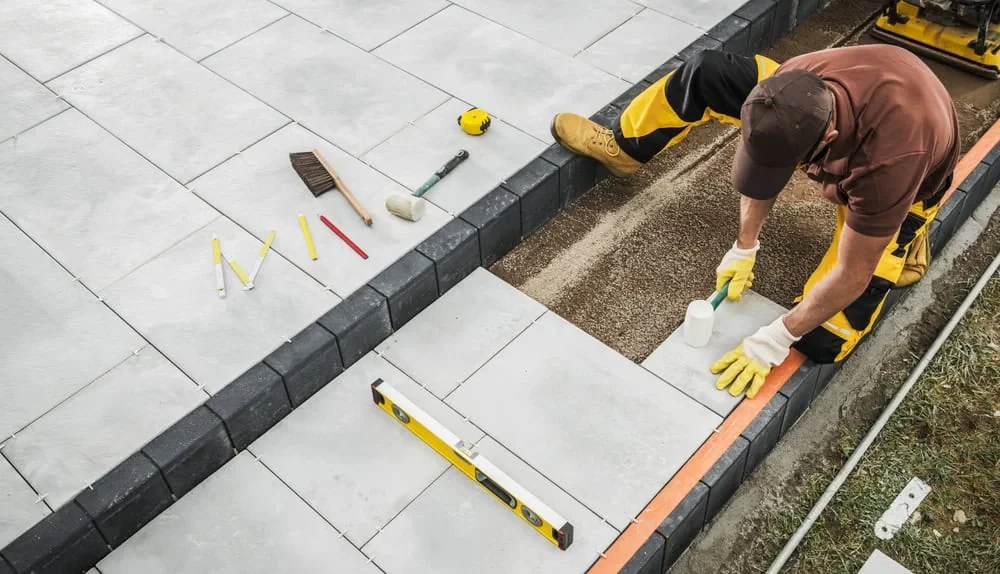
Landscaper Laying Concrete Slab Mecklenburg County North Carolina
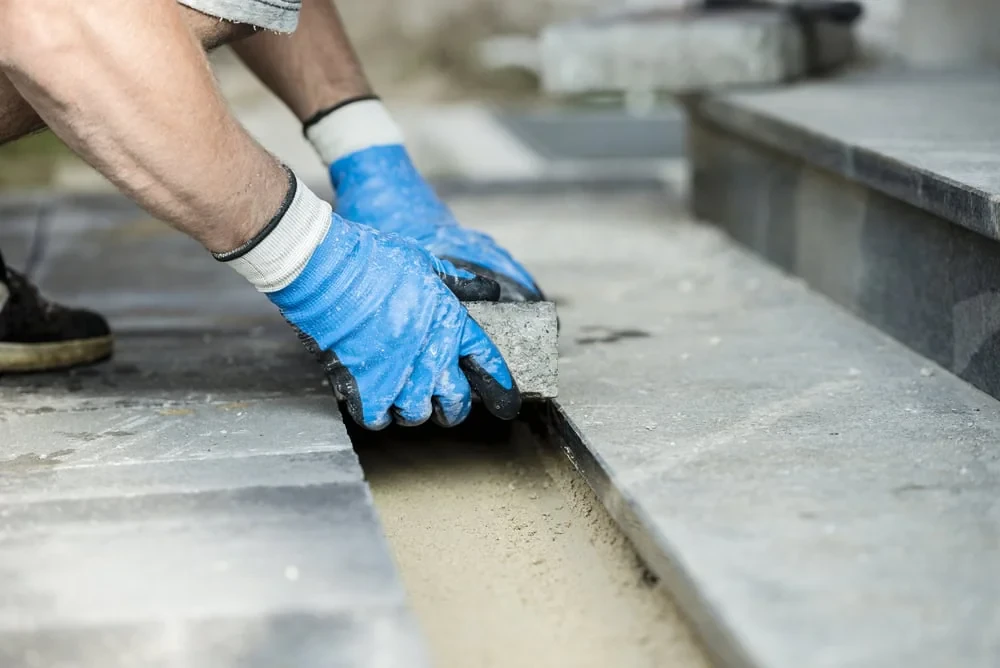
Leveling Sand Stone Stairs Mecklenburg County North Carolina_1

Professional Paver Installation Services

What You Get With Proper Installation

You get pavers that stay put. No sunken spots in your driveway after the first heavy rain. No wobbly stones on your walkway that become trip hazards.

The difference is in the foundation work. Most contractors skip the proper base preparation because it takes time and costs more upfront. Then you’re dealing with repairs within two years.

When pavers are installed correctly, they handle North Carolina’s clay soil and weather swings without shifting. Your investment stays solid, your property value goes up, and you’re not calling contractors back to fix problems that shouldn’t exist.

Stouts Hardscape Contractors

We Know North Carolina Soil

Union Landscaping and Hardscape S Corp has been handling paver installations in Stouts and surrounding areas long enough to know what works here. Clay soil, temperature swings, heavy rains – these conditions require specific installation techniques.

We focus on both residential paver projects and commercial hardscape work. From driveways and patios to walkways and business entrances, we handle the foundation work that prevents common paver problems.

Local knowledge matters when you’re dealing with soil that shifts and weather that changes fast. We know how to build bases that stay stable and install drainage that actually works.
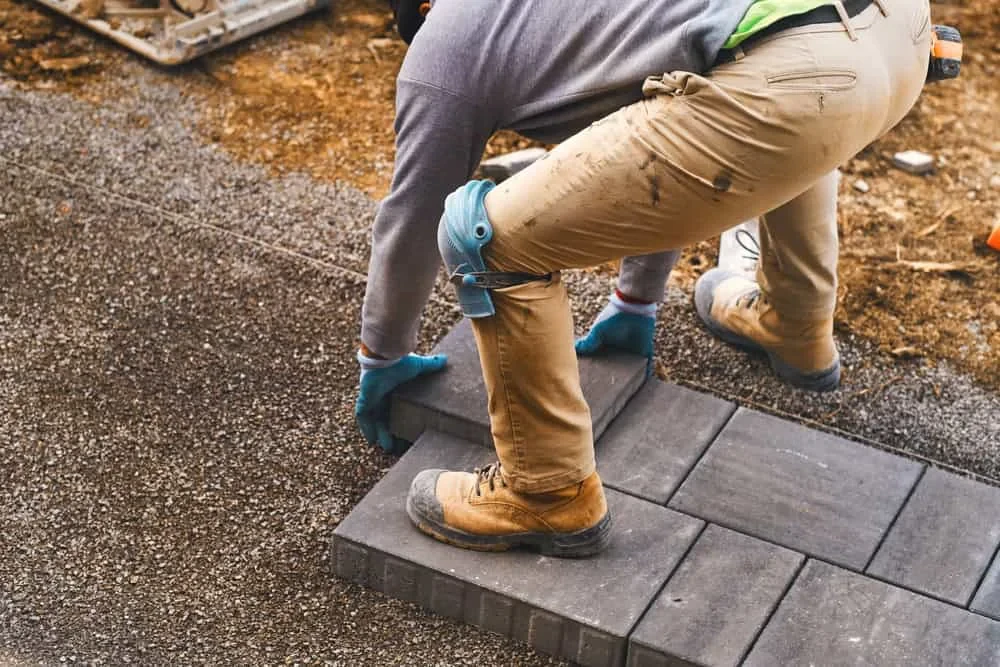
Landscaper Laying Gray Pavers Mecklenburg County North Carolina

Paver Installation Process

How We Install Pavers Right

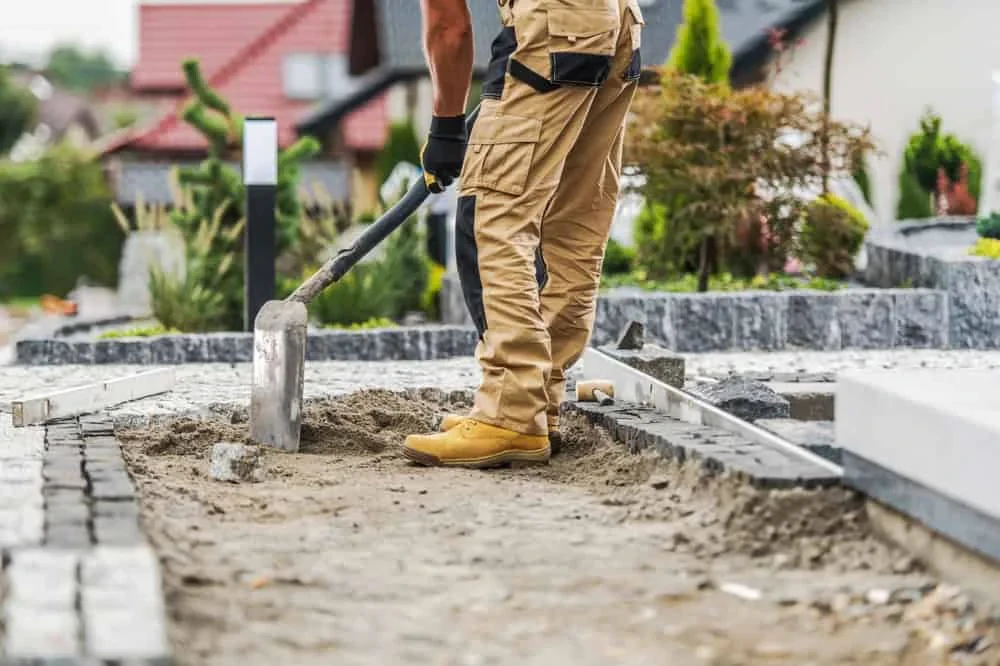
First, we excavate to the proper depth based on your soil conditions and intended use. A driveway needs different preparation than a walkway. This isn’t guesswork – it’s based on engineering standards and local soil requirements.

Next comes the base material. Multiple layers of graded stone, each compacted separately. This is where most problems start if it’s done wrong. Proper compaction takes time, but it’s what keeps your pavers from settling.

Then paver installation, edge restraints, and joint sand. The edge restraints are crucial – they’re what actually hold everything in place. Finally, we compact the entire surface and apply polymeric sand to lock joints and prevent weed growth.
Landscaper Shoveling Foundation Mecklenburg County North Carolina_1

Ready to get started?

Explore More Services

About Union Landscaping and Hardscape

Get a Free Consultation

Residential and Commercial Pavers

What's Included in Every Project

Every paver installation includes proper excavation, engineered base preparation, and professional-grade materials. You’re not getting shortcuts or substitutions that cause problems later.

For driveways, that means bases designed to handle vehicle loads without settling. For patios and walkways, it means proper slope for drainage and materials that won’t shift under foot traffic. Commercial projects get additional reinforcement based on expected use.

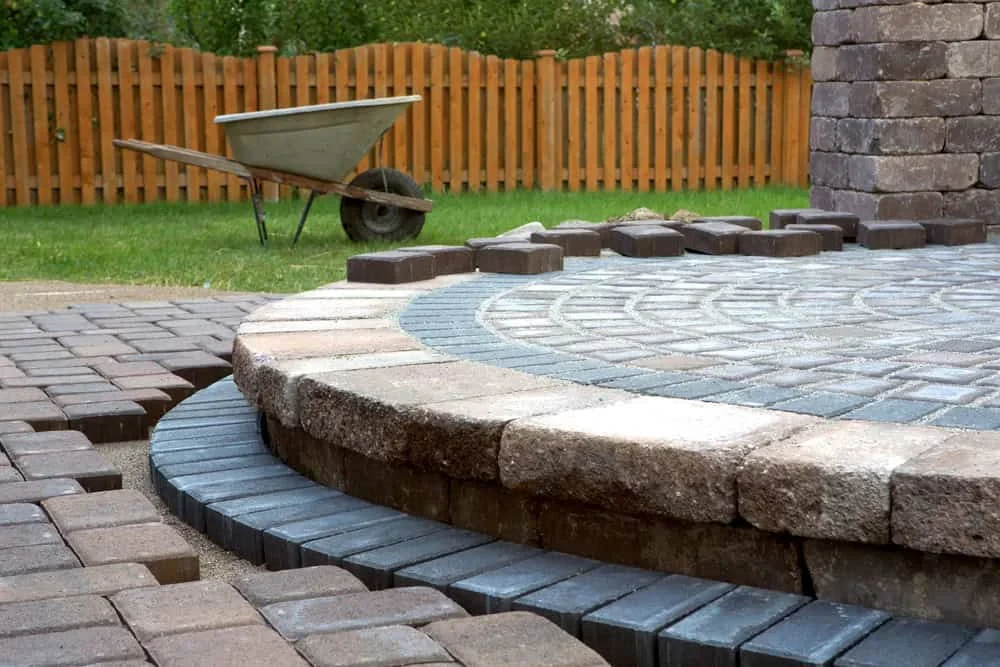
You also get material selection guidance. Concrete pavers, natural stone, brick – each has advantages depending on your situation and budget. We’ll explain the differences so you can make informed decisions, not just pick the cheapest option and regret it later.
Stone Patio Under Construction Mecklenburg County North Carolina

How long do professionally installed pavers typically last?

Properly installed pavers can last 25-50 years or more with minimal maintenance. The key is proper base preparation and installation techniques. Concrete pavers are extremely durable, while natural stone can last even longer. The base preparation is what determines longevity – if that’s done right, the pavers themselves will outlast most other hardscape options. Regular maintenance involves occasional cleaning and re-sanding joints every few years, but structural problems shouldn’t occur with proper installation.
Pavers offer several advantages over poured concrete or asphalt. They’re more durable because individual units can flex slightly with soil movement without cracking. If repairs are needed, you can replace individual pavers rather than tearing up entire sections. Pavers also provide better drainage through joints, reducing water runoff issues. They typically increase property value more than concrete or asphalt, and offer many more design options. The upfront cost is higher, but the longevity and lower maintenance costs often make them more economical long-term.
Proper drainage is built into every paver installation from the ground up. The base is sloped to direct water away from structures, and the paver surface follows that slope. Joint sand allows water to percolate through rather than running off immediately. For areas with drainage challenges, we can install subsurface drainage systems or use permeable pavers that allow water to pass through completely. North Carolina’s clay soil and heavy rains require specific drainage solutions, and our local experience helps identify potential problems before they occur.
Most residential paver projects take 3-7 days depending on size and complexity. Day one typically involves excavation and base preparation. Days two and three involve installing and compacting base materials. Paver installation usually happens on day four or five, followed by edge restraints, joint sand, and final compaction. Weather can affect timelines, especially during base preparation when materials need to stay dry. You’ll have access to your property throughout most of the process, though vehicle access may be limited during driveway installations.
Paver installation costs vary significantly based on material choice, site conditions, and project complexity. Basic concrete pavers for simple projects start around $12-15 per square foot installed, while premium natural stone can run $20-30 per square foot or more. Factors affecting cost include excavation requirements, drainage needs, access to the work area, and design complexity. The cheapest bid usually means shortcuts in base preparation or lower-grade materials. Getting detailed written estimates that specify materials and installation methods helps you compare apples to apples.
Pavers actually perform better than concrete in North Carolina’s challenging conditions. Clay soil expands and contracts with moisture changes, which can crack solid concrete surfaces. Individual pavers can accommodate this movement without damage. Proper base preparation is crucial here – the clay soil requires specific excavation depths and base materials to prevent settling. Temperature swings from hot summers to occasional freezing also favor pavers over concrete, since they won’t develop the large cracks that concrete surfaces often get. Local installation experience makes a significant difference in long-term performance.