Paver Contractors in Sodyeco, NC

Pavers That Actually Last

Professional paver installation with proper base prep, drainage, and materials that handle North Carolina weather.
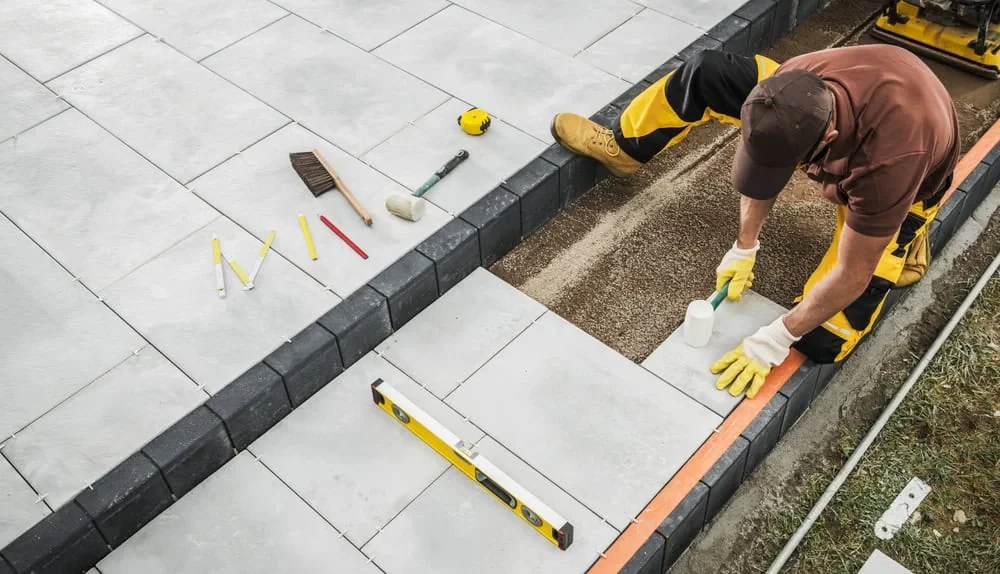
Landscaper Laying Concrete Slab Mecklenburg County North Carolina
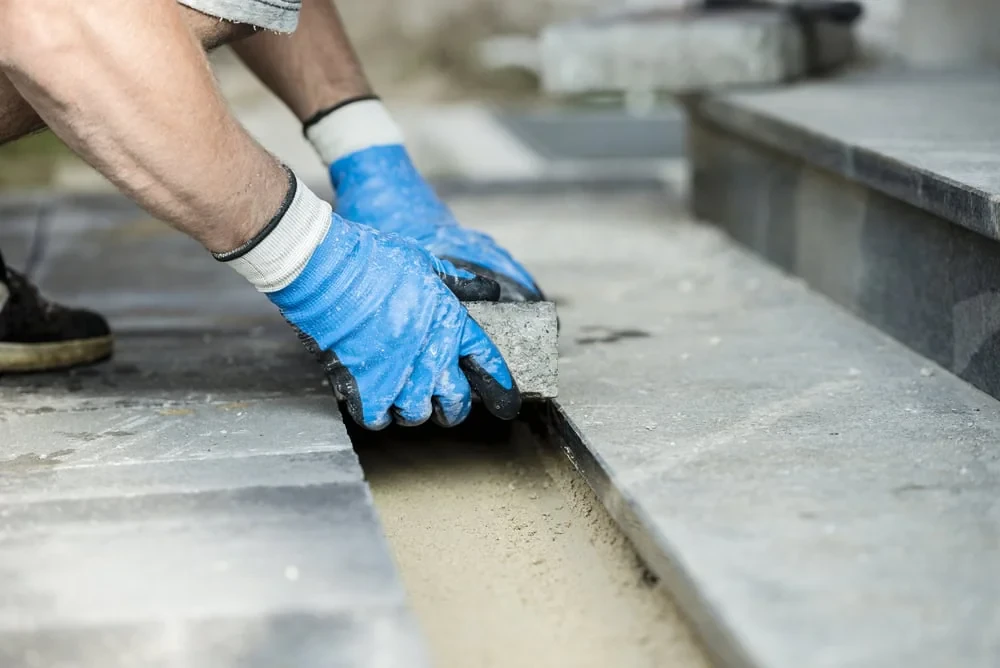
Leveling Sand Stone Stairs Mecklenburg County North Carolina_1

Professional Paver Installation Services

What You Get With Professional Installation

Your driveway won’t crack like concrete. Your patio won’t shift and buckle after the first heavy rain. Your walkway stays level and safe for years.

That’s what happens when paver installation is done right. Proper base preparation means your pavers stay put. Correct drainage keeps water flowing where it should go, not pooling around your foundation. Quality materials mean surfaces that handle everything from summer heat to winter freeze-thaw cycles.

You get outdoor spaces that add real value to your property. Spaces that look good now and keep looking good. No constant repairs, no embarrassing conversations with neighbors about why your driveway looks like a patchwork quilt.

Sodyeco Paver Installation Experts

We Know Sodyeco Soil Conditions

Union Landscaping and Hardscape S Corp has been installing pavers in the Sodyeco area long enough to understand what works here and what doesn’t. We know how local soil behaves, what drainage challenges to expect, and which materials hold up best in North Carolina’s climate.

We handle both residential and commercial projects. From backyard patios to commercial walkways, we bring the same attention to proper installation techniques. Licensed, insured, and focused on getting the job done right the first time.
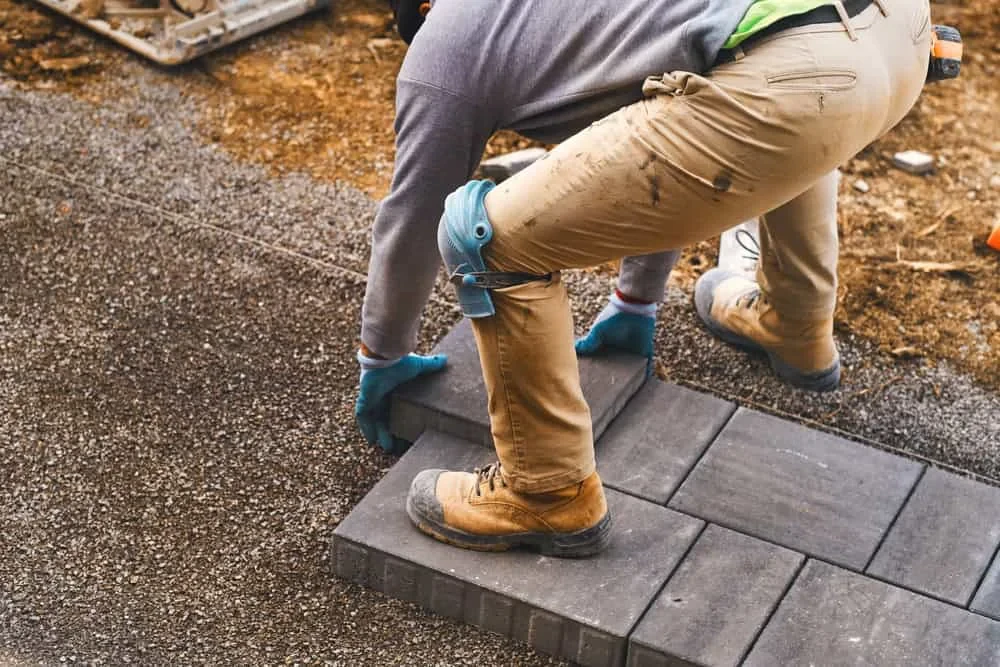
Landscaper Laying Gray Pavers Mecklenburg County North Carolina

Paver Installation Process

How Professional Installation Actually Works

First, we assess your site and soil conditions. This determines how deep the base needs to be and what drainage solutions are required. No guessing, no shortcuts.

Next comes excavation and base preparation. This is where most DIY projects and cheap contractors fail. The base gets compacted in layers with proper materials. Drainage systems go in where needed. Edge restraints get installed to keep everything locked in place.

Then comes paver installation. Each paver gets set level and properly spaced. Joint sand gets swept and compacted. The surface gets cleaned and sealed if requested. You get a finished surface that’s built to last, not just look good for the first few months.
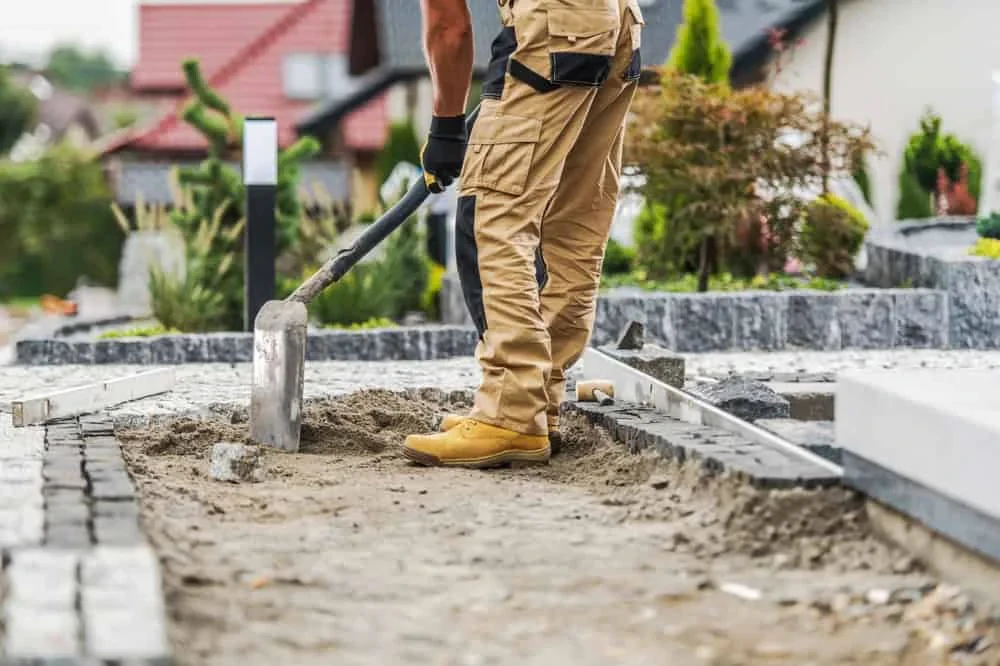
Landscaper Shoveling Foundation Mecklenburg County North Carolina_1

Ready to get started?

Explore More Services

About Union Landscaping and Hardscape

Get a Free Consultation

Complete Paver Contractor Services

What's Included In Your Project

Every paver installation includes proper site preparation, base excavation, and compacted base materials. Drainage solutions get installed where needed to prevent water issues. Edge restraints keep your pavers locked in place for years.

You get your choice of paver materials – brick, stone, or interlocking concrete pavers. All materials come with manufacturer warranties. Installation includes joint sand application and surface cleaning. Optional sealing protects against stains and weather damage.

The work area gets cleaned up completely when the job is finished. You get care instructions and information about any warranties that apply to your specific project. No surprise charges, no incomplete work, no mess left behind.
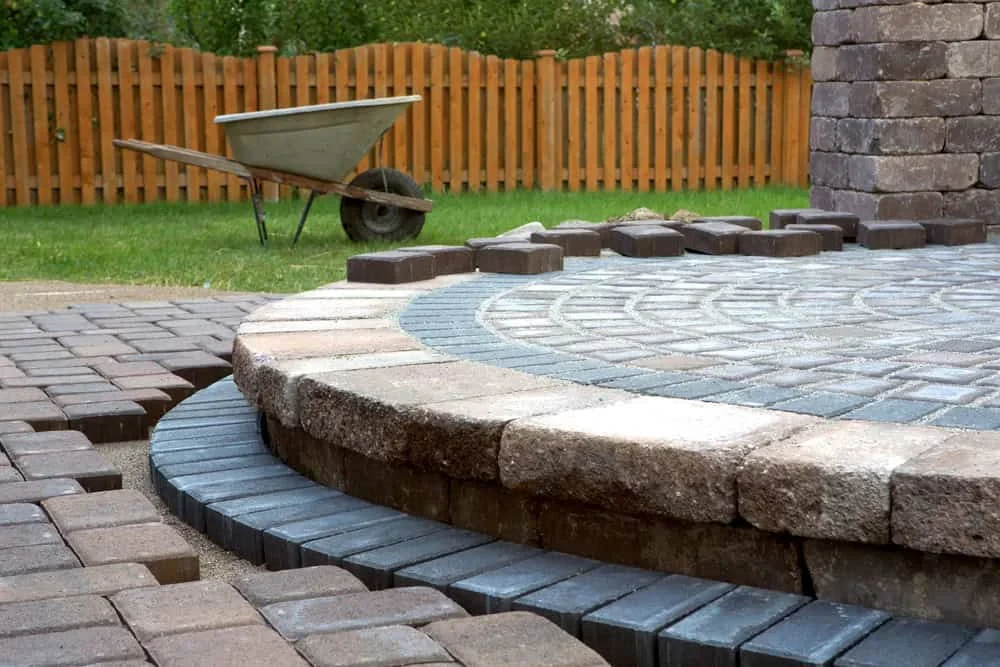
Stone Patio Under Construction Mecklenburg County North Carolina

How long does paver installation typically take to complete?

Most residential paver projects take 3-5 days depending on size and complexity. A standard driveway usually takes 3-4 days, while larger patios or complex designs might need 5-7 days. Weather can affect timing, especially during base preparation when proper compaction is crucial. Commercial projects vary more widely based on scope and site conditions. The timeline includes excavation, base preparation, paver installation, and final cleanup. Rush jobs often lead to shortcuts that cause problems later, so proper scheduling ensures quality results.
Pavers handle freeze-thaw cycles better than concrete because individual units can move slightly without cracking. When concrete cracks, you’re looking at expensive repairs or replacement. With pavers, individual damaged units can be replaced easily. Pavers also offer better drainage since water can flow through the joints instead of running off and causing erosion. They provide more design flexibility and can be removed if you need to access utilities underneath. The initial cost might be higher, but the long-term maintenance costs are typically lower than concrete.
Base depth depends on what the pavers will support and local soil conditions. Walkways typically need 4-6 inches of compacted base. Patios usually require 6-8 inches. Driveways need 8-12 inches depending on vehicle weight and soil stability. In Sodyeco’s clay-heavy soils, deeper bases are often necessary to prevent settling. The base gets installed in layers with proper compaction at each level. Skimping on base depth is the main reason paver projects fail. Proper base preparation costs more upfront but prevents expensive repairs later.
Properly installed pavers are actually low maintenance. You’ll need to sweep joint sand back into gaps occasionally, especially after heavy rains. Weeds can grow in joints if the installation wasn’t done with proper base preparation and joint sand. Sealing every 2-3 years helps protect against stains and keeps colors vibrant, but it’s optional. Power washing once or twice a year keeps them looking fresh. Individual damaged pavers can be replaced without affecting surrounding areas. The key is proper installation – when done right, pavers require much less maintenance than most people expect.
Concrete pavers are typically the most budget-friendly option, ranging from moderate to higher cost depending on style and thickness. Brick pavers fall in the middle range and offer classic appeal with good durability. Natural stone pavers cost more but provide unique appearance and excellent longevity. Installation costs remain similar regardless of material choice since the base preparation and labor requirements are the same. The material choice often comes down to budget, desired appearance, and how long you plan to stay in the property. Higher-end materials typically offer better resale value.
Pavers can sometimes be installed over existing concrete, but it depends on the concrete’s condition and proper drainage considerations. The existing concrete must be structurally sound, level, and have adequate drainage. A thin base layer is still required for proper paver installation. However, this approach raises the final surface height, which can create drainage issues or problems with door clearances. In many cases, removing the old concrete and installing a proper base produces better long-term results. Each situation requires evaluation to determine the best approach for lasting results.