Summary:
You’ve reseeded. You’ve fertilized. You’ve watered on a schedule and crossed your fingers every spring. And yet, here you are — still looking at a lawn that’s patchy, weedy, or just plain dead in spots. At some point, the question stops being “how do I fix this?” and starts being “would it actually be cheaper to tear it all out and start over?”
That’s a fair question, and the honest answer is: sometimes, yes. But the cost to remove grass and lay sod involves more moving parts than most people expect. Here’s what you actually need to know before you call anyone.
What Does Sod Removal Cost Per Square Foot?
Nationally, professional sod removal runs $0.50 to $2.00 per square foot, including disposal. Angi puts the average closer to $1.50 per square foot, with a range of $1.00 to $3.00 depending on the size of the job, the method used, and what the contractor charges for labor in your area.
For a typical 1,000 square foot yard, that translates to roughly $500 to $2,000 for removal and disposal alone. That number can shift significantly based on where you live, what type of grass you’re removing, and what condition the soil is in underneath.
In Mecklenburg County, there are a few specific factors that tend to push costs toward the higher end of that range — and knowing about them ahead of time makes a real difference when you’re comparing quotes.
Why Mecklenburg County Sod Removal Costs More Than the National Average
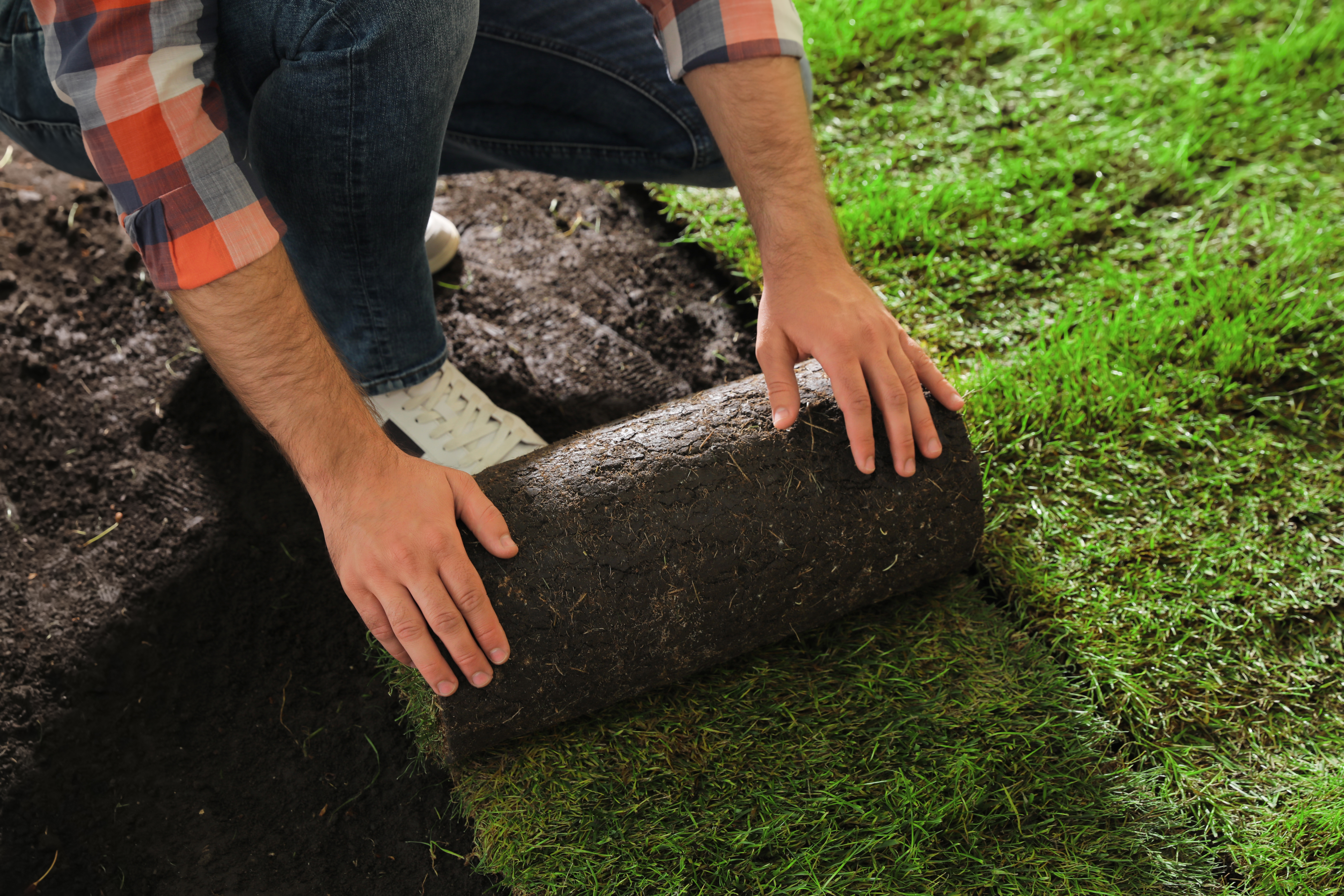
If you’ve spent any time digging in a Mecklenburg County yard, you already know what we’re talking about. The Charlotte area sits on some of the heaviest clay soil in the Southeast. That clay compacts hard, drains poorly, and becomes dense enough when dry that a sod cutter has to work significantly harder to get through it.
Heavier material means more labor, more time, and more weight to haul away — all of which adds up in the final quote. Then there’s the grass itself.
Charlotte falls in what’s called the transition zone, that climatic band where neither warm-season nor cool-season grasses are perfectly suited year-round. A lot of Mecklenburg County homeowners have tall fescue, which is a cool-season grass that handles the mild winters well but struggles badly through the hot, dry summers. Others have Bermuda grass, which stays green and tough through the heat but goes brown and dormant in winter and has a root system dense enough that it requires deeper cutting to remove properly — typically more than the standard one to two inch depth. Zoysia is somewhere in the middle.
The type of grass you’re removing matters because it directly affects how long the job takes and how difficult it is to do correctly. Bermuda, in particular, is notorious for regrowing from any root fragments left behind. Shallow removal means you’ll be fighting regrowth through your brand new sod within weeks. A contractor who understands the local grass types and adjusts their approach accordingly is worth more than one who treats every yard the same.
Charlotte-area labor rates also run on the higher end nationally — local landscapers typically charge $60 to $100 per hour, which reflects the cost of living in a metro that’s grown as fast as Mecklenburg County has. That growth has also created a large segment of homeowners dealing with builder-grade sod on new construction lots — thin, poorly matched to the local microclimate, and often installed over compacted subsoil that was never properly amended. If that sounds like your situation, the removal cost is usually just the beginning of what needs to happen.
What's the Difference Between Removal Only and the Full Project Cost?
This is where a lot of homeowners get caught off guard. The removal quote and the full project cost are two different numbers, and conflating them leads to real budget surprises.
Sod removal — just cutting out the existing grass and hauling it away — runs $0.50 to $2.00 per square foot. But that’s only the first step. After the old grass is gone, what’s left is bare soil that usually needs work before anything new can grow successfully.
In Mecklenburg County, that almost always means addressing the clay: aerating, adding organic matter or topsoil, and grading the surface so water drains properly. Regrading alone can add $0.40 to $2.00 per square foot depending on how uneven or problem-prone the yard is.
Then comes the new sod itself. Installation runs $1.00 to $2.00 per square foot for materials and labor combined. Add it all together — removal, disposal, soil prep, regrading if needed, and new sod — and the total cost to remove grass and lay sod in the Charlotte area typically falls somewhere between $1.50 and $4.00 per square foot for the full project. On a 1,500 square foot lawn, that’s a range of roughly $2,250 to $6,000 depending on the specific conditions of your yard.
Disposal is another line item worth asking about upfront. Some contractors bundle it into their removal quote; others bill it separately at $0.25 to $0.50 per square foot. Dead sod is heavy, and hauling it away is a real logistical cost — it’s not something to assume is included without confirming.
One thing that’s worth saying plainly: new sod cannot be laid directly over existing grass. It needs direct contact with the soil to establish roots. Any contractor who suggests skipping the removal step to save money is setting you up for sod that dies within weeks.
Want live answers?
Connect with a Union Landscaping and Hardscape expert for fast, friendly support.
Cost to Remove Grass and Lay Sod: What the Full Process Looks Like
Understanding the price is one thing. Understanding what you’re actually paying for is what helps you evaluate whether a quote is fair or whether something important is being left out.
A properly done sod removal and replacement project has several distinct steps, and each one affects the outcome of the next. Skipping or rushing any of them is how you end up with a lawn that looks great for three weeks and then starts failing in patches. Here’s how the process should work, and why each step matters.
How Professional Sod Removal Actually Works
Before any cutting starts, a professional will locate and mark sprinkler heads and underground utilities — in North Carolina, that means calling 811 before any mechanical work begins. Skipping this step doesn’t just risk damaging your irrigation system; it can create real safety hazards.
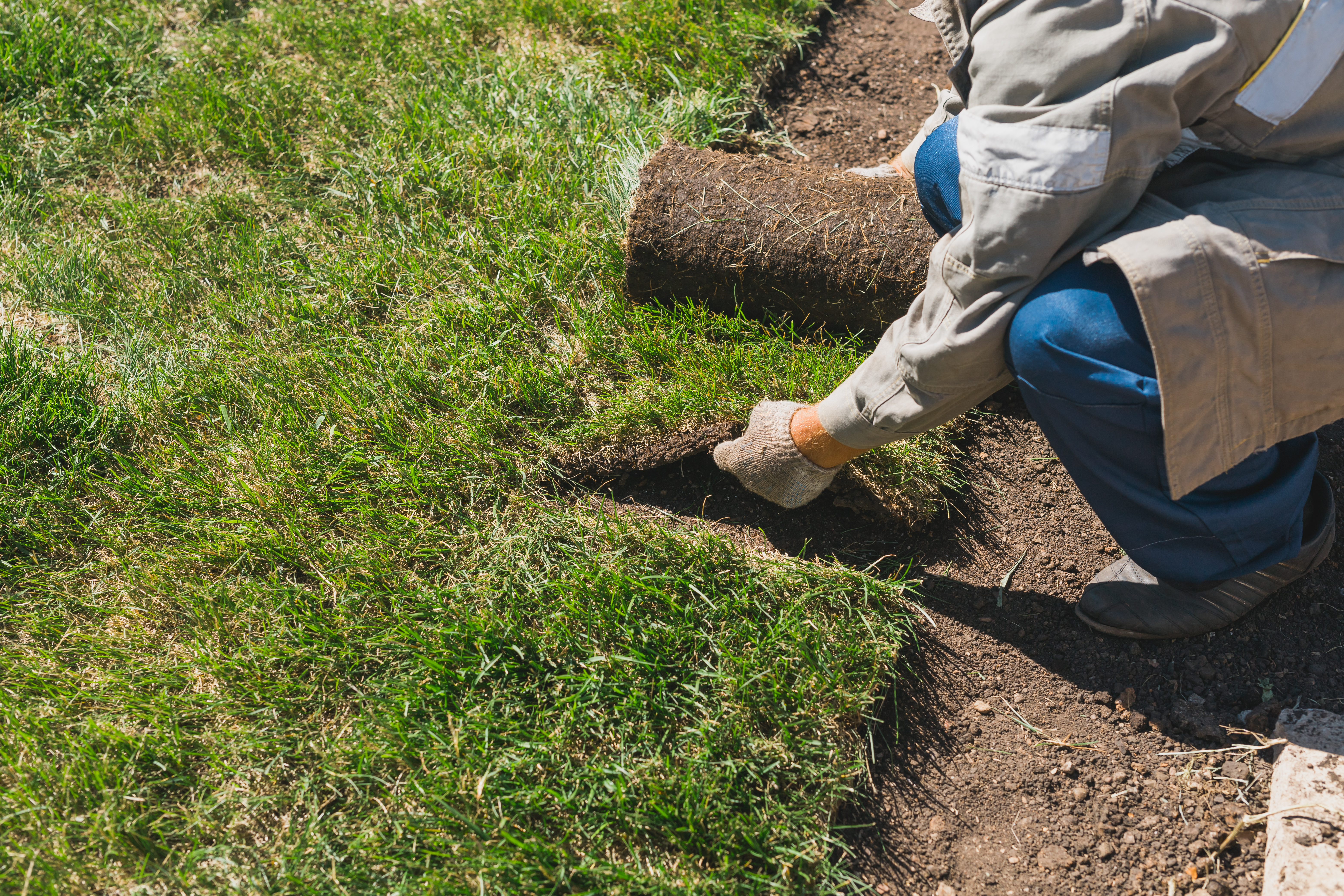
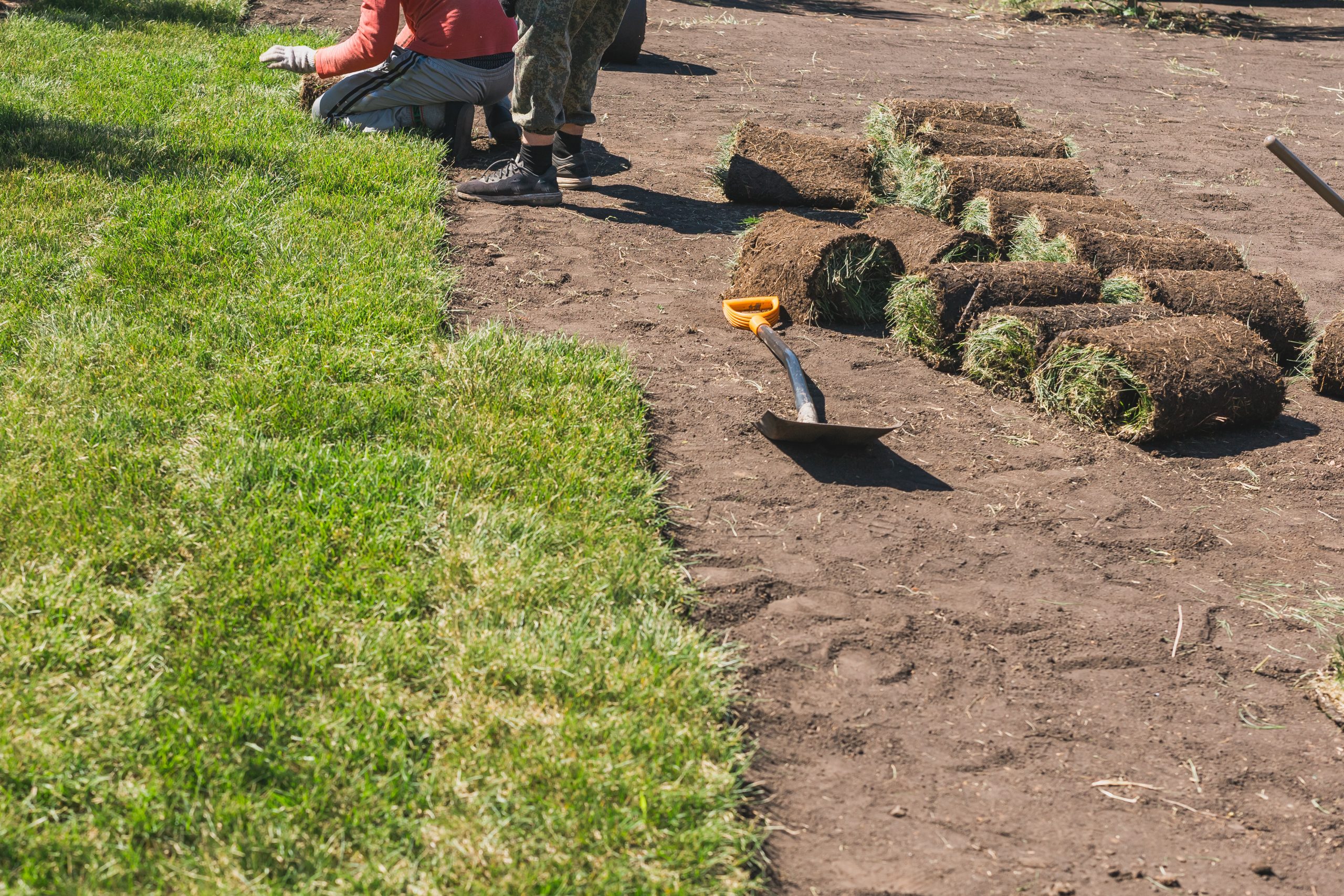
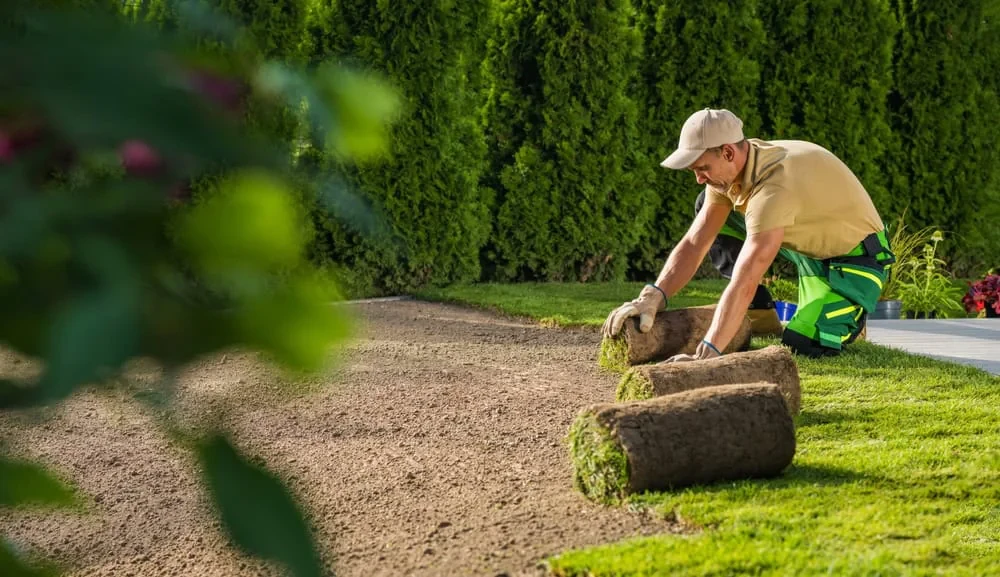
The actual removal is typically done with a mechanical sod cutter, a machine that slices through the grass at the root level and allows the strips to be rolled up and removed. For most Mecklenburg County yards, this is the right tool — it’s efficient, it reaches the correct depth, and it gets the job done in a single visit rather than dragging across multiple weekends. Manual removal with shovels is an option for small patches, but for anything larger than a couple hundred square feet, the math on renting or using a sod cutter almost always makes more sense.
After the grass is out, the soil needs to be assessed. In Charlotte’s clay-heavy yards, this is the step that separates a project that lasts from one that doesn’t. Compacted clay doesn’t allow new roots to penetrate deeply, which means even healthy sod will struggle to establish. Aerating the soil, incorporating compost or topsoil, and confirming that the grade drains away from the house are all things that should happen before a single roll of new sod goes down.
The timing matters too. In the Charlotte area, the best windows for warm-season grasses like Bermuda and Zoysia are late spring through early summer, when soil temperatures are warm enough to support fast root establishment. Tall fescue — the cool-season option that many Mecklenburg County homeowners prefer — is best installed in September and October, when the summer heat has broken but the soil is still warm. If you’re researching this in late summer and your fescue lawn looks rough, that’s actually ideal timing to start planning a fall replacement.
Should You DIY Sod Removal or Hire a Professional?
It’s a fair question, and the honest answer is: it depends on the size of the project and how realistic you’re being about what’s involved.
Renting a sod cutter runs $100 to $120 per day. For a small area — say, a few hundred square feet — DIY removal is physically doable if you’re prepared for heavy work. But the equipment is large and awkward, the clay soil in Mecklenburg County makes it harder to operate than the rental shop will tell you, and you’ll still need to figure out how to haul away what you’ve cut. Dead sod is surprisingly heavy, and disposal isn’t as simple as leaving it at the curb.
For larger projects — anything over 500 square feet, or any yard with drainage issues, significant slope, or Bermuda grass that needs deep removal — professional removal is almost always the better call. Not because of the labor savings alone, but because the quality of the removal directly affects whether your new sod roots successfully. A crew that cuts too shallow, skips soil amendment, or doesn’t properly grade the surface after removal is handing you a problem that won’t show up until three weeks after they’ve been paid and left.
There’s also the question of what comes after. If you’re planning to install new sod yourself after professional removal, that’s a workable approach. But if you want the whole project done right — removal, soil prep, grading, and installation — working with a single contractor who handles all of it means accountability at every step. When something goes wrong with a multi-contractor project, everyone points at someone else. When one company is responsible for the full scope, there’s no ambiguity about who makes it right.
North Carolina is one of the more regulated states for landscape contractor licensing, requiring contractors to hold a license under NC General Statute §89D for the full scope of services including removal, grading, and installation. It’s worth asking any contractor you’re considering for their license information — it’s a quick way to separate professional operators from unlicensed ones.
Ready to Get a Real Answer for Your Mecklenburg County Lawn?
If your lawn has been losing ground for a few seasons, the cost to remove it and start fresh is probably more manageable than you think — especially when you factor in what you’ve already spent trying to save it. The key is understanding the full picture: removal, disposal, soil prep, and new sod aren’t separate decisions. They’re one connected project, and the quality of each step determines whether the last one holds.
In Mecklenburg County, clay soil and transition-zone grass make this a more nuanced job than the national averages suggest. Getting it right means working with someone who actually knows the local conditions — not just a contractor who shows up with a sod cutter and a generic quote.
We’re Union Landscaping and Hardscape S Corp, based in Monroe and serving Mecklenburg County and the surrounding communities. We offer free, no-obligation consultations and honest upfront estimates before any work begins. If you’re ready to stop guessing and start planning, reach out — we’ll come take a look at what you’re working with and give you a straight answer.