Paver Contractors in Shannon Park, NC

Pavers That Actually Stay Put

Professional paver installation that won’t shift, settle, or leave you with drainage headaches later.
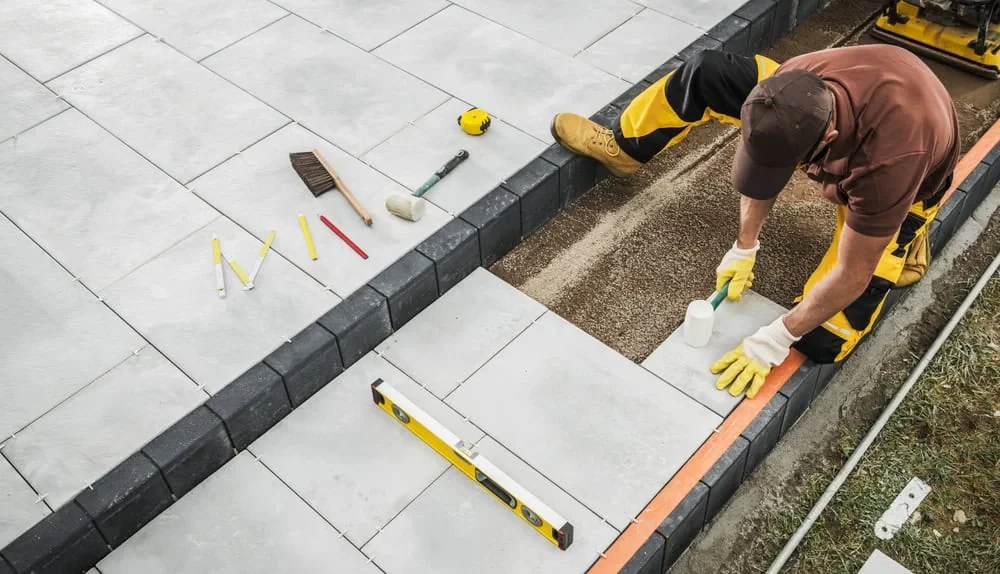
Landscaper Laying Concrete Slab Mecklenburg County North Carolina
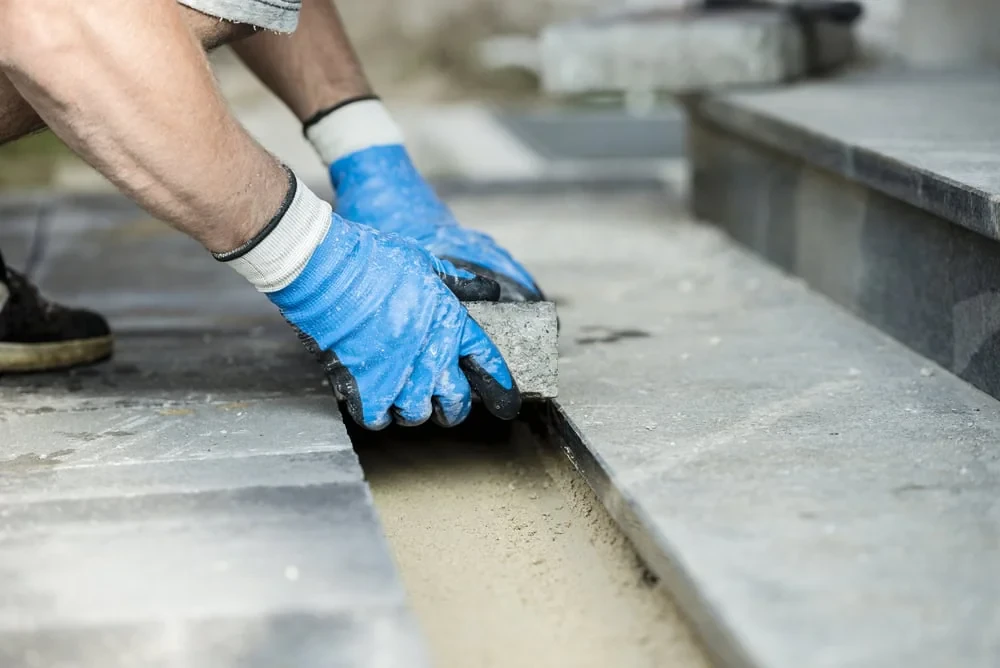
Leveling Sand Stone Stairs Mecklenburg County North Carolina_1

Professional Paver Installation Shannon Park

Your Property Value Just Went Up

You get surfaces that look great now and stay that way. No more dealing with cracked concrete or patchy asphalt that needs constant attention.

Properly installed pavers handle Shannon Park’s weather without the headaches. They drain water where it should go, not toward your foundation. And when one does need replacing years down the road, you swap out individual pavers instead of tearing up entire sections.

Your outdoor spaces become places you actually want to spend time. Patios that don’t puddle after rain. Driveways that don’t crack every winter. Walkways that stay level and safe for everyone who visits.

Shannon Park Paver Contractors

We Know What Works Here

Union Landscaping and Hardscape S Corp has been handling paver projects in Shannon Park long enough to know what the soil does when it gets wet and what happens when temperatures drop.

We focus specifically on hardscape work – not trying to be everything to everyone. This means when you call about pavers, you’re talking to people who install pavers every day, not general contractors figuring it out as they go.

We handle both residential driveways and commercial walkways because the fundamentals are the same: proper base preparation, correct drainage, and installation that accounts for how materials behave in North Carolina weather.
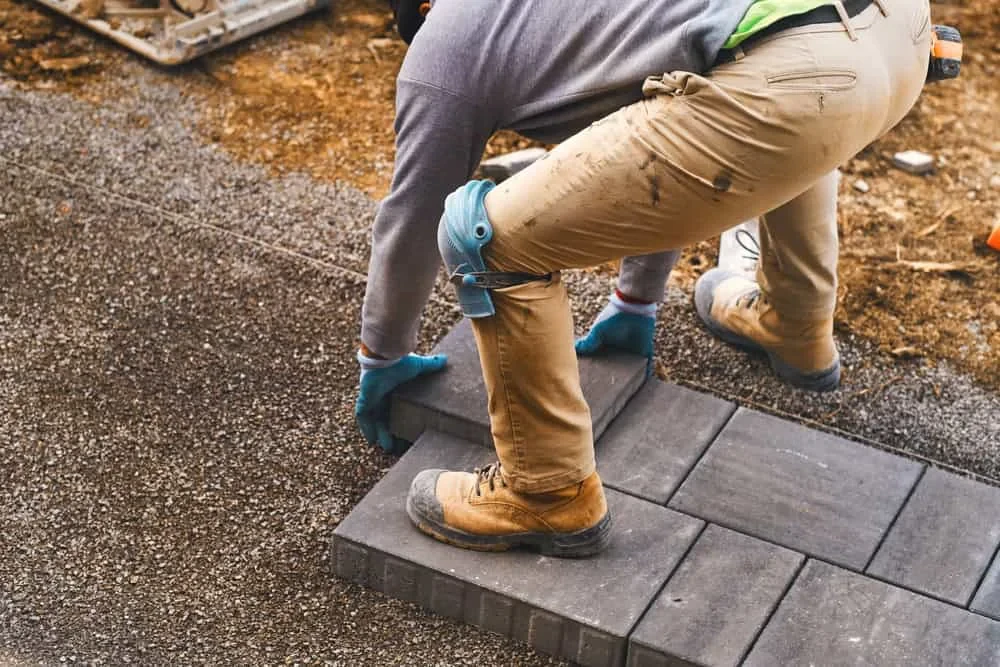
Landscaper Laying Gray Pavers Mecklenburg County North Carolina

Paver Installation Process Shannon Park

Here's What Actually Happens

First, we assess your site and soil conditions. Shannon Park’s clay content matters for drainage planning. You’ll know upfront what prep work is needed and why.

Next comes excavation and base preparation. This is where most problems get prevented or created. We remove enough material to build a proper foundation – not just enough to make pavers sit flush with existing surfaces.

Then the base goes in with correct compaction and grading for drainage. Pavers get installed with proper joint spacing and edge restraints that actually hold everything in place. Finally, joint sand gets swept and compacted to lock the system together.
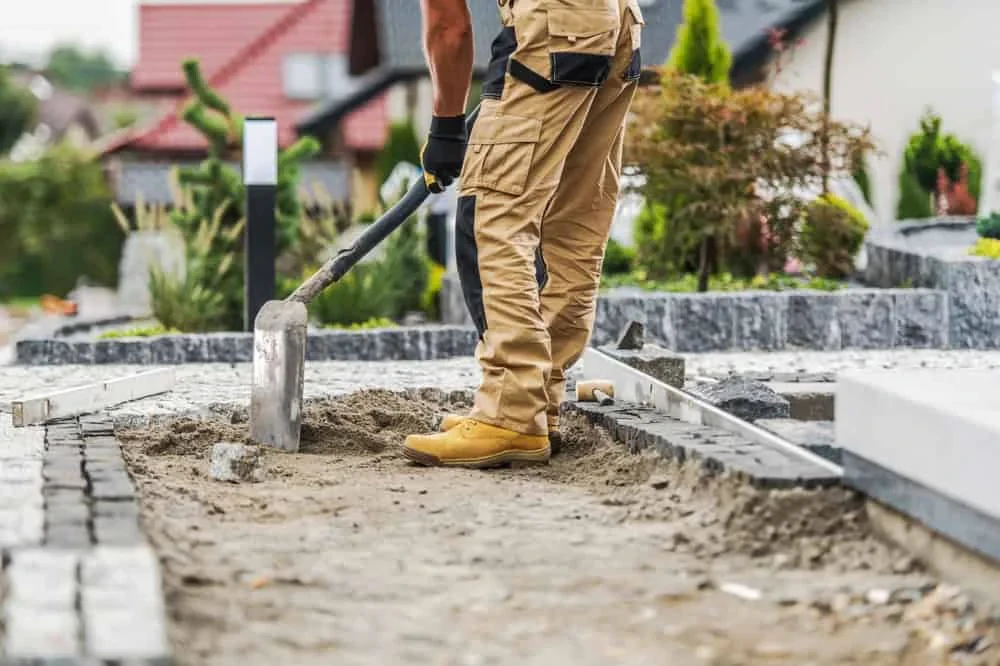
Landscaper Shoveling Foundation Mecklenburg County North Carolina_1

Ready to get started?

Explore More Services

About Union Landscaping and Hardscape

Get a Free Consultation

Residential Commercial Paver Contractors

What You Get With Every Project

Every paver installation includes proper excavation, engineered base preparation, and drainage planning specific to your site. You’re not getting a one-size-fits-all approach that ignores how water moves across your property.

Material options include brick pavers, natural stone, and interlocking concrete pavers in various colors and patterns. The choice depends on your budget, intended use, and aesthetic preferences – not what we happen to have in stock.

Both residential and commercial projects get the same attention to base preparation and drainage. Whether it’s a backyard patio or a business entrance, the fundamentals of proper installation don’t change. You get surfaces designed to handle Shannon Park’s weather patterns and soil conditions.
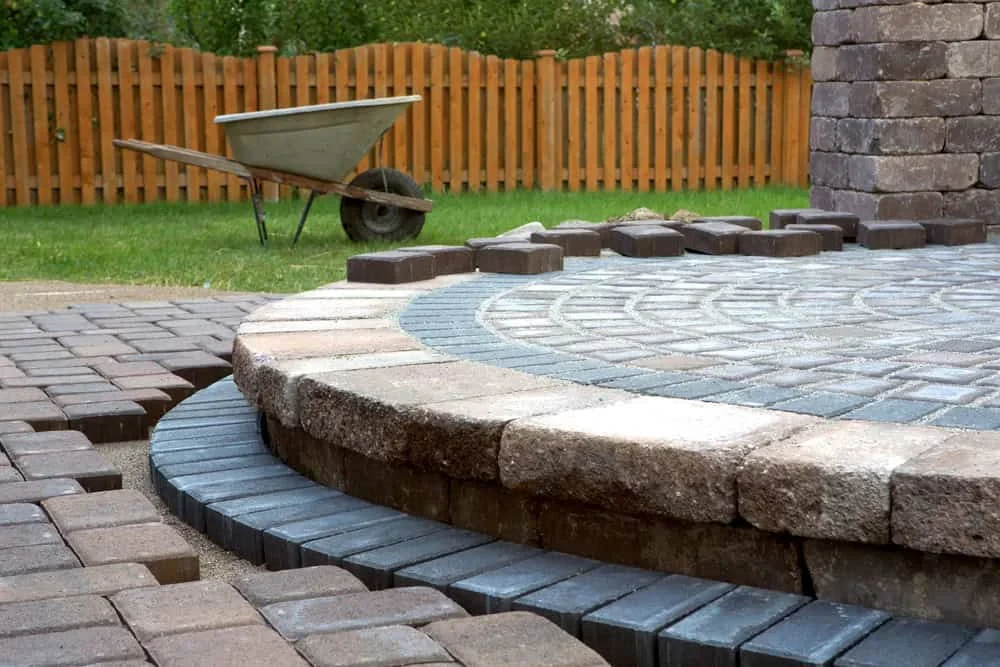
Stone Patio Under Construction Mecklenburg County North Carolina

How long do professionally installed pavers typically last?

Properly installed pavers can last 25-50 years or more with minimal maintenance. The key is in the base preparation and installation quality, not just the pavers themselves. Cheap installation with inadequate base prep will cause problems within a few years regardless of paver quality. Professional installation with proper excavation, base materials, and drainage planning creates a system that handles freeze-thaw cycles and soil movement without shifting or settling. Individual pavers may occasionally need replacement due to staining or damage, but the overall surface remains stable and functional for decades.
Professional paver installation involves engineered base preparation, proper drainage planning, and edge restraint systems. Simply laying pavers on sand creates a surface that will shift, settle, and develop uneven spots within months. Proper installation requires excavating to appropriate depth, installing compacted gravel base layers, ensuring correct drainage slopes, and using edge restraints that prevent pavers from creeping apart over time. The base preparation typically represents 70% of the work but prevents 90% of future problems. Without this foundation work, you’re essentially building a temporary surface that will need complete reconstruction sooner rather than later.
Drainage gets planned during the design phase, not figured out during installation. We grade the base to direct water away from structures and toward appropriate drainage areas. Shannon Park’s clay soil requires specific attention to prevent water from pooling under pavers, which can cause shifting and settling. Joint spacing and permeable base materials allow water to drain through the paver system rather than running off like it does with concrete. For areas with significant drainage challenges, additional solutions like French drains or catch basins get integrated into the design. Proper drainage planning prevents the foundation problems and standing water issues that destroy paver installations.
Installing pavers over existing concrete or asphalt is possible but requires careful evaluation of the existing surface condition and drainage implications. The existing surface must be structurally sound, properly sloped for drainage, and thick enough to support the additional weight. Overlay installations typically use thinner setting beds and modified installation techniques. However, this approach can create drainage issues and limits future repair options. In many cases, removing existing surfaces and installing pavers with proper base preparation provides better long-term results and more design flexibility. The decision depends on your specific site conditions, budget, and performance expectations.
Properly installed pavers require minimal maintenance compared to concrete or asphalt surfaces. Occasional sweeping and rinsing handles normal dirt and debris. Joint sand may need replenishment every few years, especially in high-traffic areas. Stains can usually be cleaned with appropriate cleaners, and individual damaged pavers can be replaced without affecting surrounding areas. Sealing is optional and depends on the paver type and desired appearance – it enhances color but requires reapplication every few years. Weed growth in joints is prevented by proper joint sand installation and can be addressed with standard weed control methods. Overall maintenance is straightforward and doesn’t require special equipment or professional service.
Paver installation costs vary significantly based on site conditions, material choices, and project complexity. Basic concrete paver installations typically cost less than natural stone options, but both require the same base preparation work. Factors affecting price include excavation requirements, drainage complexity, access limitations, and design intricacy. Simple rectangular patios cost less per square foot than curved walkways with multiple elevation changes. Site preparation often represents a significant portion of total cost, especially in areas requiring extensive excavation or drainage work. Getting detailed estimates that break down material and labor costs helps you understand what you’re paying for and compare options effectively.