
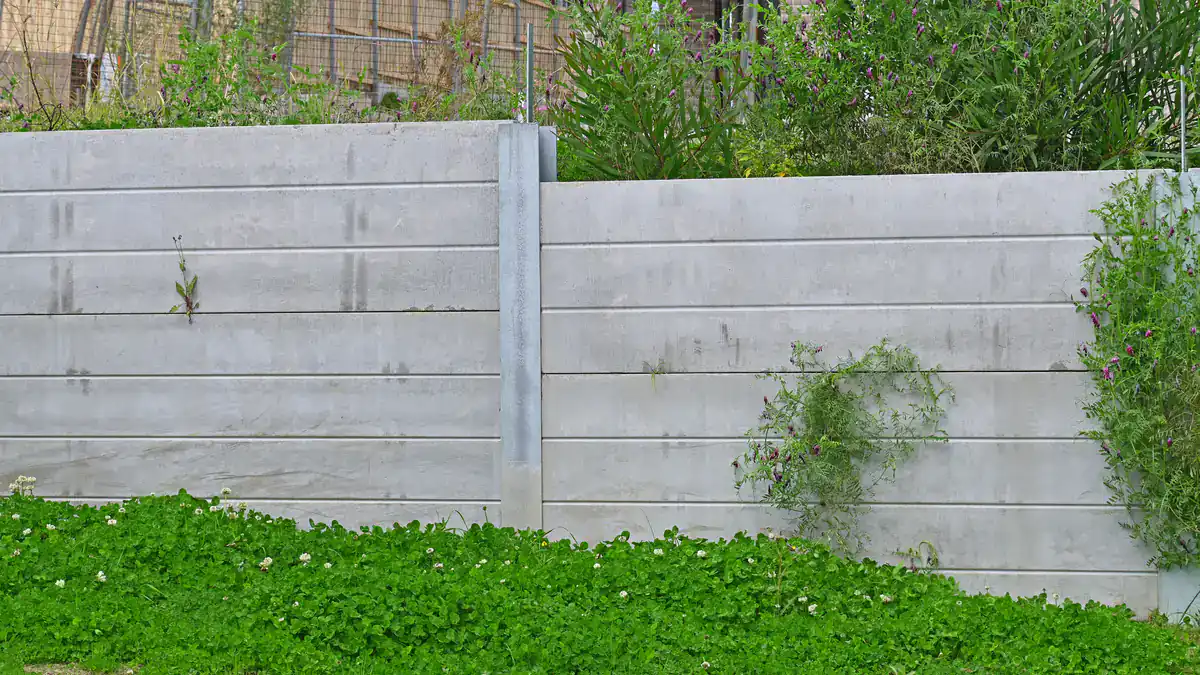
If you’re dealing with a sloped yard in Pineville, NC, you already know the problems. Heavy rains wash away topsoil. Water pools where it shouldn’t. Your foundation starts looking vulnerable. And that “backyard” you’re paying property taxes on? It’s basically unusable.
A properly built retaining wall in Pineville, NC changes that. You get level ground where there wasn’t any before. You stop erosion before it threatens your foundation or driveway. You create outdoor living spaces that actually add value instead of just looking nice in listing photos.
The difference comes down to how it’s built. Concrete retaining wall blocks with proper drainage last 50 to 100 years. Natural stone lasts even longer. But a wall without the right base prep or drainage system? That fails in under a decade, and you’re paying to rebuild it.
You’re not just holding back dirt. You’re protecting your investment, expanding your property’s functionality, and stopping problems that only get more expensive the longer you wait.
We’re based in Monroe, NC, and we’ve built our reputation on retaining wall installation in Pineville, NC and surrounding areas. We’re a family-owned company, which means we’re not flipping through a call sheet—we’re building relationships with people who live in the same communities we do.
Most of our work comes from referrals. That doesn’t happen by accident. It happens because we show up when we say we will, we explain what’s actually needed instead of upselling, and we build walls that don’t need to be redone in five years.
Pineville’s terrain and weather patterns create specific challenges. The soil shifts. The rain comes hard and fast. If you don’t account for drainage and proper grading, you’re setting yourself up for failure. We’ve seen it enough times to know what works here and what doesn’t.
We start with a site evaluation. That means looking at your slope, checking drainage patterns, and figuring out what’s causing the erosion or instability. If your yard needs a four-foot wall, we’ll tell you. If it needs more, we’ll explain why—and whether permits are required.
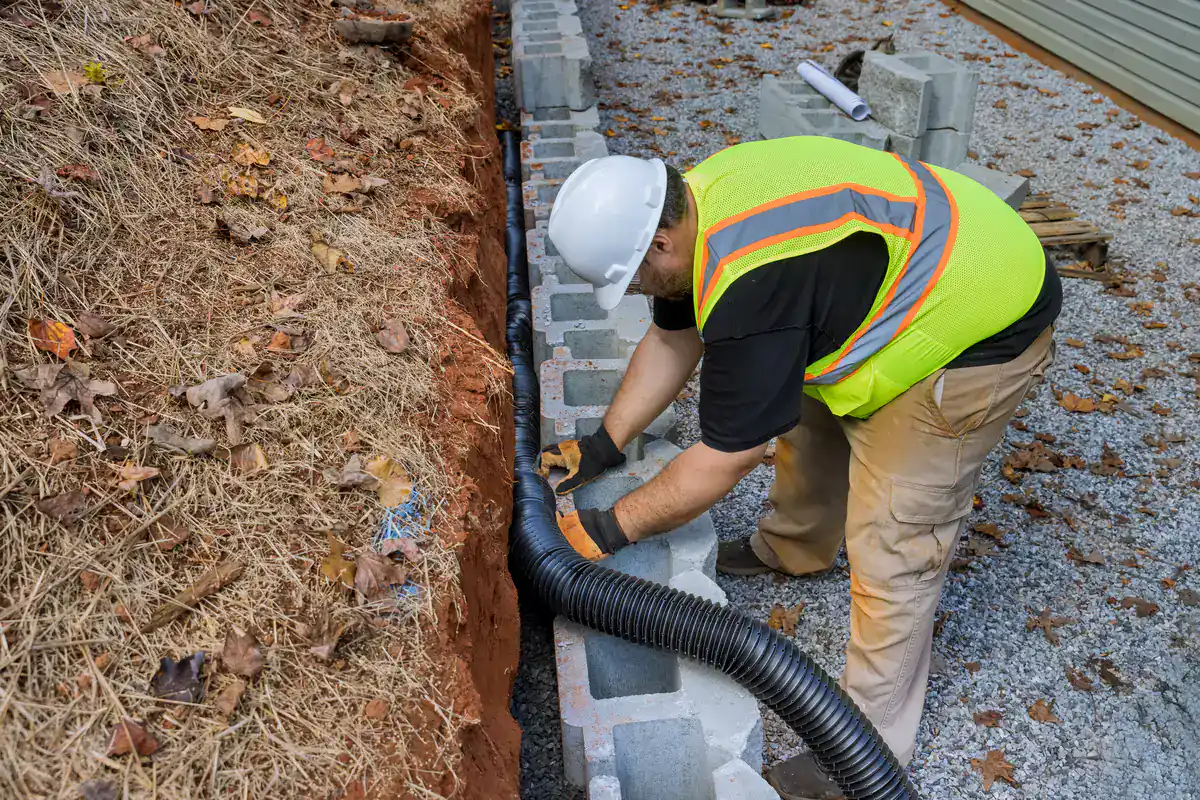
Next comes base preparation. This is where most retaining walls in Pineville, NC fail. If the base isn’t compacted correctly or the drainage system isn’t installed right, the wall will shift. We excavate, compact the base in layers, and install drainage behind the wall so water doesn’t build up and create pressure.
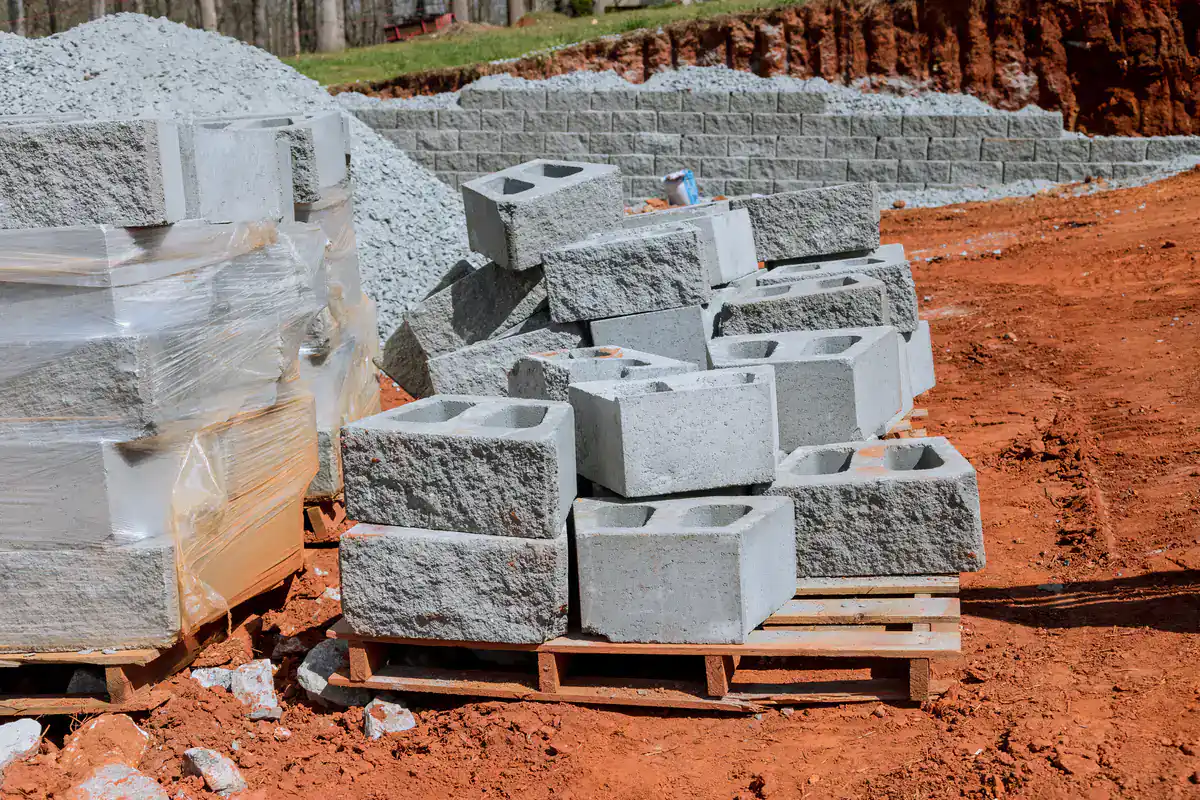
Then we build. Whether you choose concrete retaining wall blocks, natural stone, or another material, every course gets leveled and checked. We backfill as we go and make sure the drainage stone and pipes are doing their job.
After the wall is up, we finish the surrounding landscape so it doesn’t look like a construction zone. You get a finished project that works with your property, not against it.
Ready to get started?
When you hire us for retaining wall installation in Pineville, NC, you’re getting more than stacked blocks. You’re getting a system designed to handle the specific conditions on your property.
That includes a proper base—compacted and graded to support the load. It includes drainage, which is the single most important factor in whether your wall lasts 10 years or 100. And it includes materials that match your budget and your goals, whether that’s retention wall blocks for a clean modern look or natural stone for something more traditional.
In Pineville, NC, soil erosion prevention isn’t optional. The area gets heavy rainfall, especially during storm season, and the terrain doesn’t always cooperate. A retaining wall that’s built right stops soil from washing into your driveway, protects your foundation from shifting ground, and keeps your landscaping investment from literally flowing downhill.
You also get transparency. We’ll tell you if your project needs engineered plans (anything over four feet usually does). We’ll explain why certain materials work better for your slope. And we’ll give you a realistic timeline, not an optimistic guess.
The goal isn’t just to build a wall. It’s to solve the problem permanently so you’re not calling someone else in three years to fix what should’ve been done right the first time.
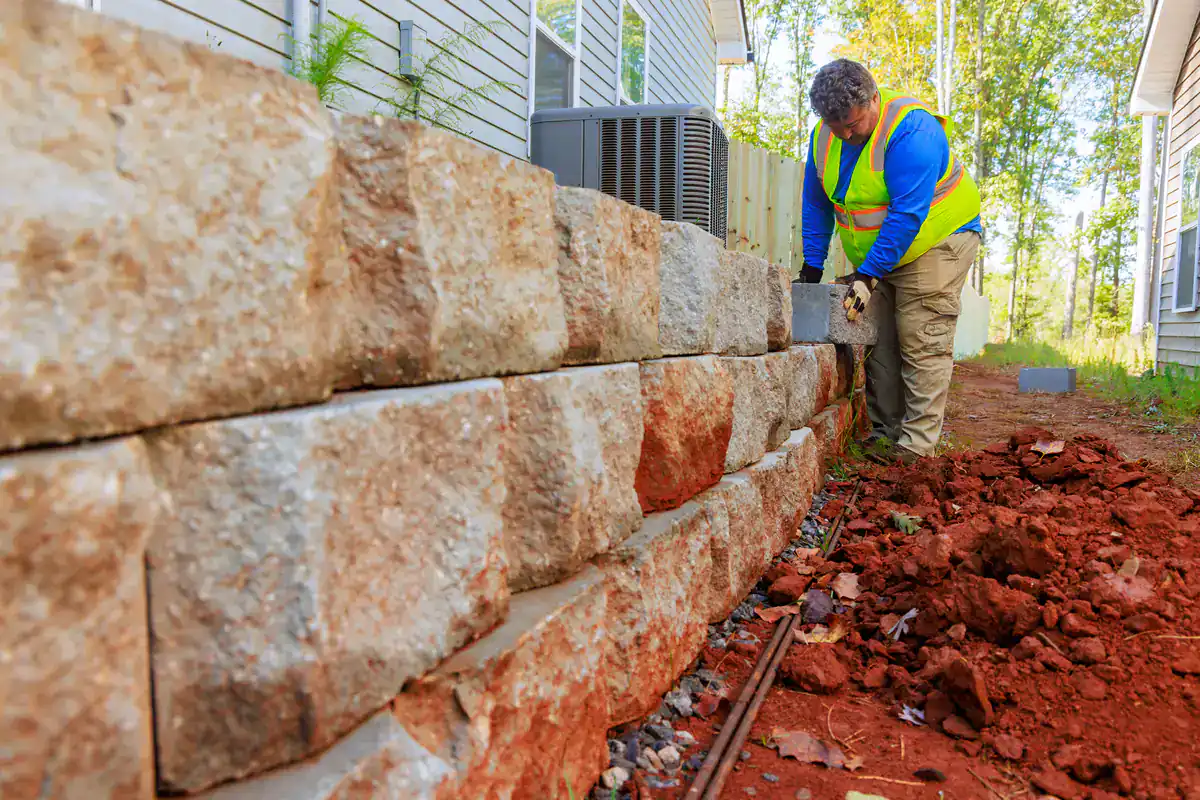
Most retaining wall installation in Pineville, NC runs between $40 and $50 per square foot, and most contractors won’t take on projects under $2,500. The final cost depends on the height of the wall, the material you choose, and how much site prep is needed.
A basic block wall retaining wall is going to cost less than natural stone, but it also has a different look and lifespan. Concrete retaining wall blocks are durable and versatile, while stone gives you a more permanent, high-end finish. If your property has drainage issues or unstable soil, expect to pay more for the additional prep work.
Walls over four feet usually require permits and engineered plans, which add to the cost but are legally required in most cases. Skipping that step doesn’t save you money—it creates liability and almost guarantees the wall won’t pass inspection.
The real question isn’t what it costs. It’s what it costs to not do it right. A failing retaining wall is a red flag during home inspections, and rebuilding one that was done poorly often costs more than doing it correctly the first time.
If it’s built right, a retaining wall in Pineville, NC can last 50 to 100 years with concrete retaining wall blocks, and even longer with natural stone. The key word there is “if.”
Walls fail for one main reason: poor drainage. When water builds up behind the wall, it creates pressure that pushes the structure forward. Over time, that pressure causes cracking, bowing, and eventually collapse. A wall without proper drainage might last five to ten years before you start seeing problems.
Pineville’s climate makes drainage even more critical. The area gets significant rainfall, and if your wall isn’t designed to handle that water, it won’t hold up. That means installing drainage stone, weep holes, and sometimes perforated pipes behind the wall to move water away from the structure.
Material quality matters too. Cheap retention wall blocks might look fine at first, but they crack and degrade faster than higher-grade materials. Natural stone is essentially permanent if it’s installed on a solid base. The investment you make upfront in quality materials and proper installation is what determines whether you’re looking at decades of stability or a rebuild in a few years.
If your retaining wall is over four feet tall, you almost always need a permit in Pineville, NC. Anything over that height typically requires engineered plans as well, which means a licensed engineer needs to review the design and sign off on it.
The permit process exists for a reason. Retaining walls hold back thousands of pounds of soil and water. If they’re not designed and built to handle that load, they fail—and when they fail, they can damage your property, your neighbor’s property, or even cause injury.
Some contractors will offer to skip the permit to save time or money. That’s a risk you don’t want to take. If the wall fails or if you try to sell your home and the unpermitted work shows up during inspection, you’re the one who’s liable. Fixing it after the fact costs more than doing it right from the start.
Even if your wall is under four feet, it’s worth checking with local building codes. Some areas have additional requirements based on proximity to property lines, slopes, or drainage concerns. We handle that process as part of the project so you don’t have to guess.
The best material depends on your budget, your property, and how long you want the wall to last. Concrete retaining wall blocks are the most common choice because they’re durable, affordable, and come in different styles. They last 50 to 100 years with proper drainage and are easy to work with on most slopes.
Natural stone is the premium option. It’s more expensive upfront, but it’s essentially permanent and gives you a high-end look that concrete can’t match. If you’re focused on curb appeal or long-term property value, stone is hard to beat.
Block wall retaining wall systems are a middle ground. They’re more budget-friendly than stone but still offer a clean, finished look. They work well for residential projects where you need function and aesthetics without breaking the bank.
The material matters less than the installation. A concrete wall with proper drainage and a solid base will outlast a stone wall that’s built on unstable ground. The foundation, the backfill, and the drainage system are what determine whether your wall holds up or falls apart. We’ll walk you through the options based on what your property actually needs, not just what looks good in a brochure.
Yes. A well-built retaining wall in Pineville, NC can increase your property value by 15% to 20%, especially if it solves a functional problem like erosion or creates usable outdoor living spaces where there weren’t any before.
If your yard is sloped and unusable, a retaining wall changes that. You’re adding level ground that can be used for patios, gardens, play areas, or just better curb appeal. In areas where flat land is limited, that’s a significant selling point.
Retaining walls also protect your home’s foundation and prevent soil erosion, which are major concerns for buyers. A property with visible erosion problems or drainage issues is going to raise red flags during inspections. A retaining wall that’s clearly doing its job shows that the property has been maintained and that expensive problems have been addressed.
The return on investment is typically 60% to 80%, but in many cases, the wall isn’t optional—it’s necessary. If you’re dealing with erosion that’s threatening your foundation or driveway, the wall isn’t just adding value. It’s preventing loss. Buyers notice that, and so do appraisers.
The most common signs are cracking, leaning, or bowing. If you see horizontal cracks in the blocks or stone, that’s a sign the wall is under stress. If the wall is leaning forward or backward, it means the soil pressure is pushing it out of alignment. Bowing—where the middle of the wall bulges outward—means the structure is failing and needs immediate attention.
Water pooling behind or around the wall is another red flag. That means the drainage system isn’t working, and the pressure from that water is what eventually causes the wall to fail. You might also notice soil washing out from behind the wall or gaps forming between the blocks.
In Pineville, NC, where heavy rains are common, drainage failure is the number one cause of retaining wall problems. If your wall doesn’t have weep holes, drainage stone, or a proper backfill system, it’s only a matter of time before you see issues.
If you’re noticing any of these signs, don’t wait. Retaining wall failure gets worse over time, and the longer you wait, the more expensive the repair becomes. In some cases, the wall needs to be completely rebuilt. Getting it looked at early can save you thousands and prevent bigger problems down the line.
Other Services we provide in Pineville