Summary:
Essential Outdoor Kitchen Features That Actually Matter
Your outdoor kitchen needs to function like a real kitchen, not just look like one. The most successful outdoor kitchens in Mecklenburg County include four core elements that make cooking outside genuinely convenient.
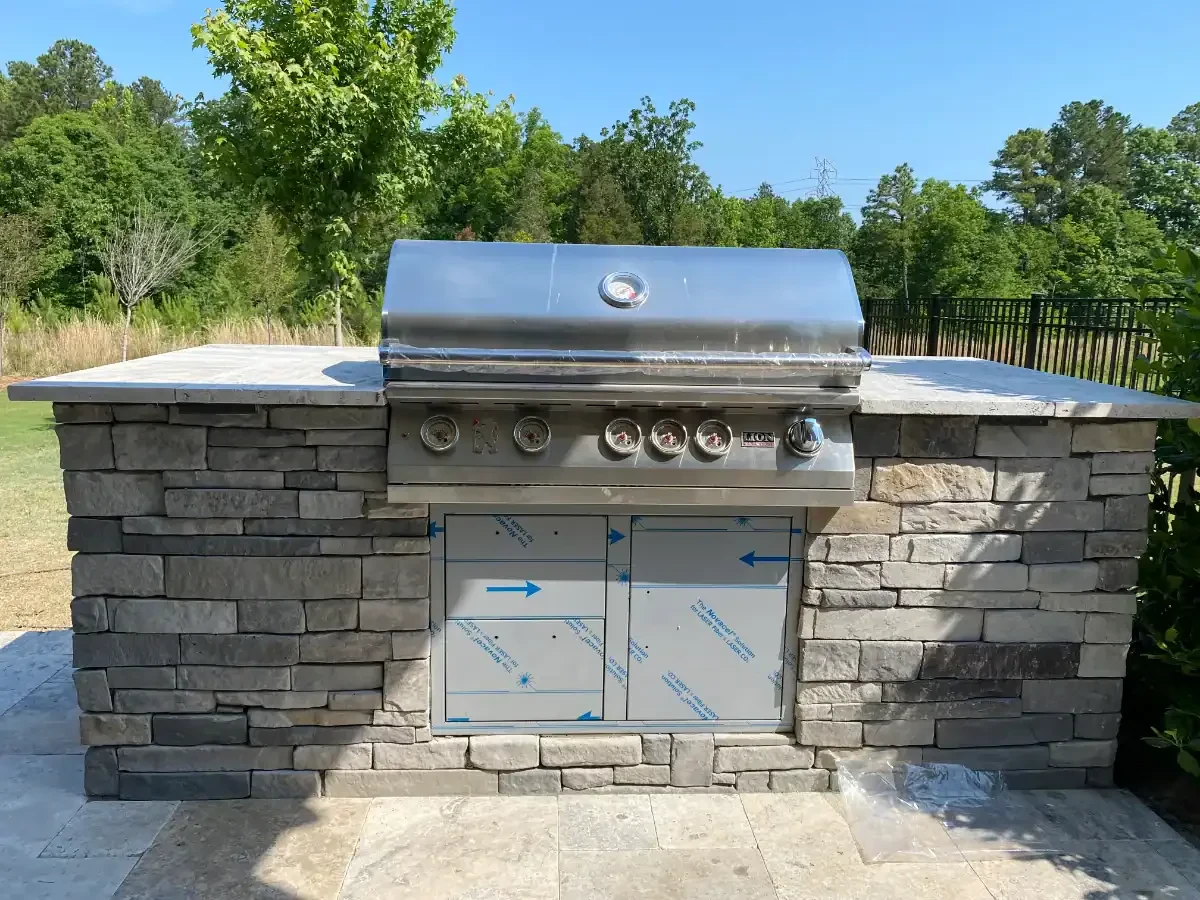
Start with a quality grill as your centerpiece, but don’t stop there. You’ll want adequate prep space, proper storage, and easy cleanup solutions. These aren’t luxury add-ons – they’re the difference between an outdoor kitchen you’ll use weekly and one that becomes an expensive conversation piece.
The key is thinking about your actual cooking and entertaining patterns, not just what looks impressive in photos.
Built-In Grill Patio Layouts For Maximum Functionality
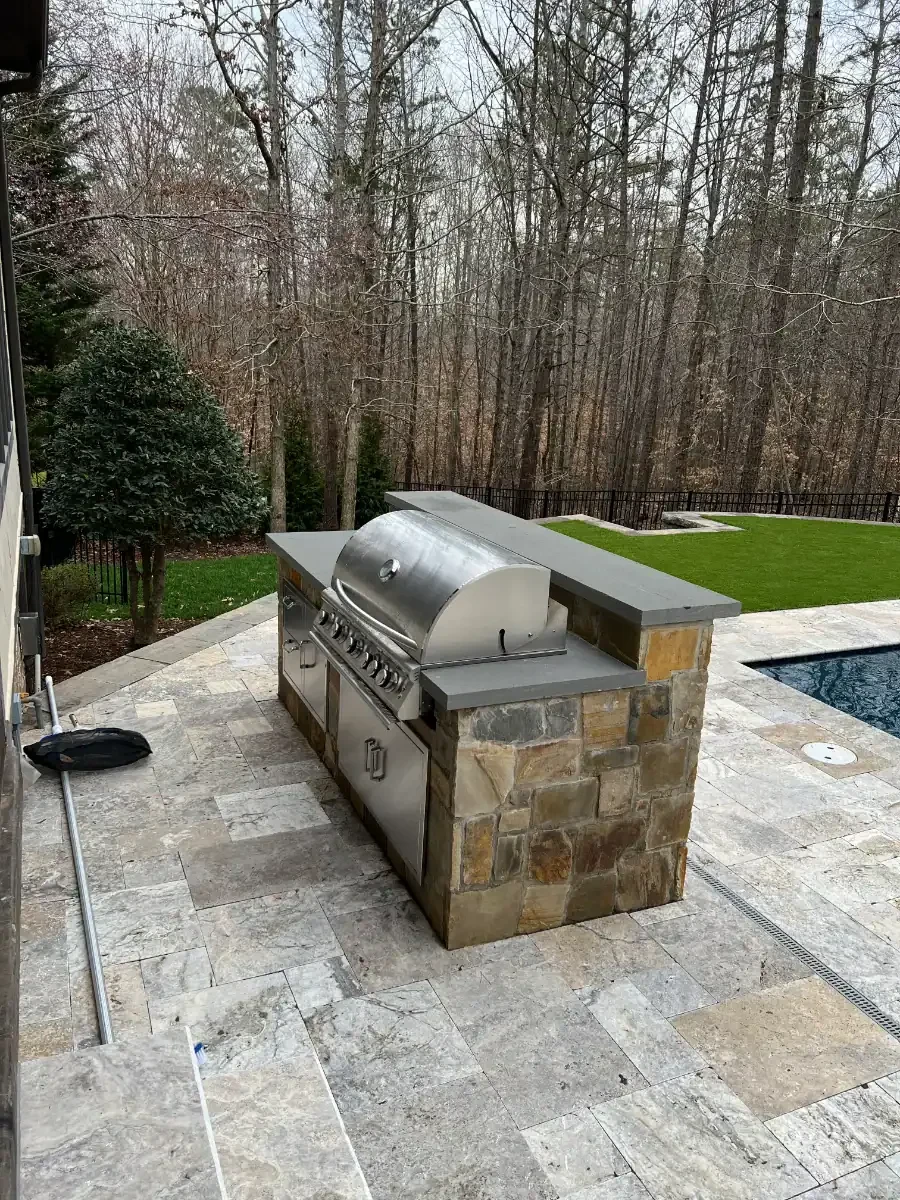
The layout of your built-in grill patio determines whether your outdoor kitchen flows smoothly or creates bottlenecks during entertaining. Most successful designs follow the “kitchen triangle” concept, positioning your grill, prep area, and storage within easy reach of each other.
Consider an L-shaped or U-shaped configuration that creates natural zones for different activities. Your grill should be the focal point, but not isolated from prep and serving areas. Include at least 24 inches of counter space on either side of your grill for staging food and utensils.
Don’t forget about traffic flow. Your guests shouldn’t have to walk through your cooking zone to reach seating areas. Plan pathways that keep social spaces separate from work areas while maintaining visual connection. This is especially important in Mecklenburg County’s climate, where you’ll likely use your outdoor kitchen year-round.
Storage is often overlooked but critical for functionality. Built-in cabinets should accommodate your grilling tools, serving dishes, and non-perishable supplies. Weather-resistant materials like stainless steel or marine-grade polymer ensure your storage solutions last through North Carolina’s varied weather conditions.
The best patio kitchen layouts also consider your home’s existing architecture. Your outdoor kitchen should feel like a natural extension of your indoor space, not an afterthought. This means matching materials where possible and ensuring sight lines between indoor and outdoor cooking areas make sense for your entertaining style.
Outdoor Kitchen Design Ideas That Work In North Carolina
North Carolina’s climate offers unique opportunities for outdoor kitchen design, but also presents specific challenges you’ll want to address upfront. The good news is you can use your outdoor kitchen comfortably for most of the year, making it a worthwhile investment.
Consider incorporating a pergola or roof structure for weather protection and defined space. This isn’t just about rain – it’s about creating comfortable cooking conditions during hot summer afternoons and extending your season into cooler months. Many Mecklenburg County homeowners add outdoor heaters or fire features to make their spaces usable even in winter.
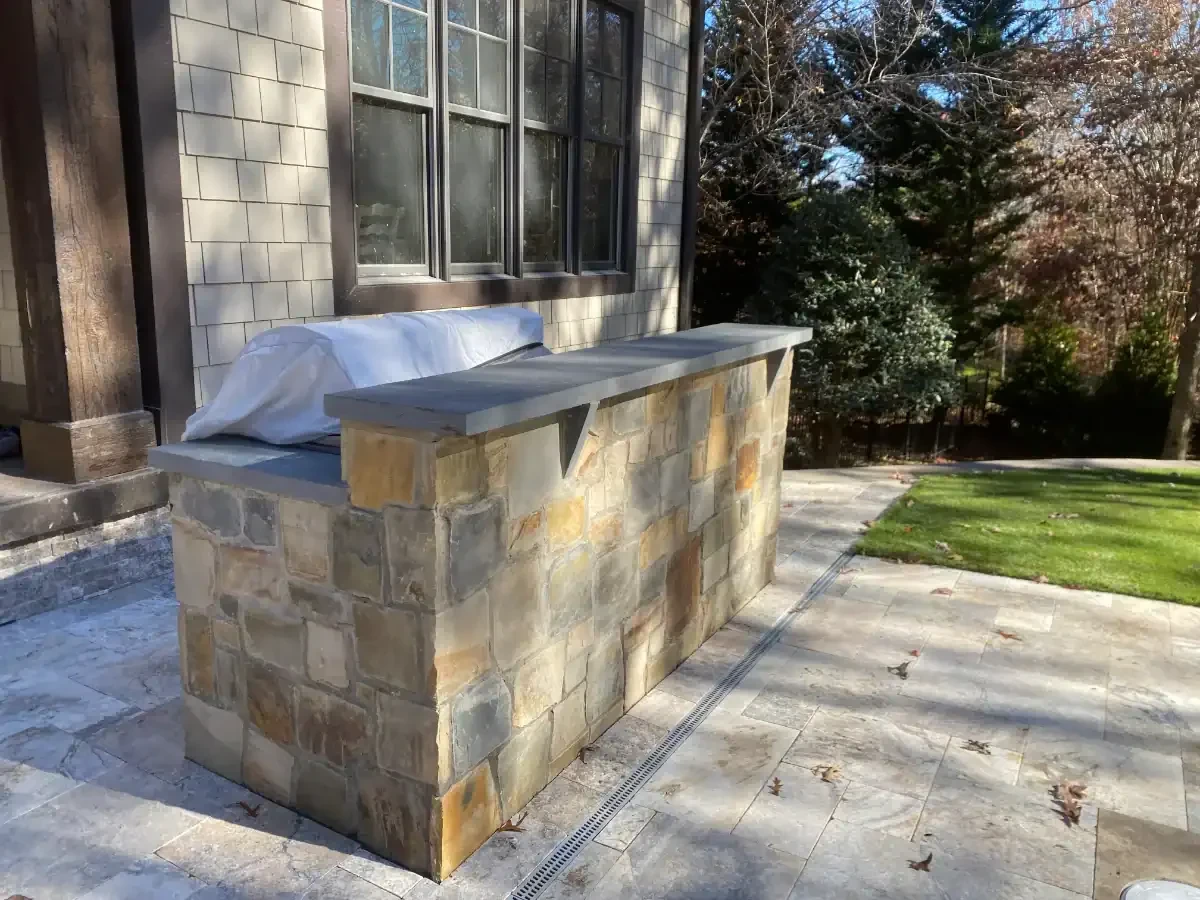
Material selection matters more here than in indoor kitchens. Stainless steel appliances resist humidity and temperature fluctuations. Natural stone countertops like granite handle weather exposure better than many alternatives. For cabinetry, marine-grade materials or properly sealed wood provide durability without sacrificing style.
Think about your entertaining style when planning features. If you host large groups, include a bar area with seating. For intimate family dinners, focus on comfortable dining space adjacent to your cooking area. Many successful outdoor kitchens include both – a casual bar for mingling and a dedicated dining area for sit-down meals.
Don’t overlook the details that make outdoor cooking genuinely convenient. A sink with hot and cold water eliminates trips inside for cleanup. A small refrigerator keeps drinks cold and ingredients fresh. Adequate lighting lets you cook safely after sunset. These features transform your outdoor kitchen from a novelty into a functional extension of your home.
Consider the unique aspects of entertaining in the Charlotte metro area. Your backyard entertaining space might need to accommodate everything from casual summer cookouts to holiday gatherings. Flexible design elements like moveable seating and adjustable lighting help your space adapt to different occasions throughout the year.
Want live answers?
Connect with a Union Landscaping and Hardscape expert for fast, friendly support.
Outdoor Lighting For Kitchens: Safety Meets Style
Proper lighting transforms your outdoor kitchen from a daytime-only space into a versatile evening entertainment area. But outdoor kitchen lighting serves two critical purposes: safety during food preparation and ambiance for entertaining.
You’ll need different types of lighting working together. Task lighting illuminates your cooking and prep areas. Ambient lighting creates atmosphere for dining and socializing. Accent lighting highlights architectural features and landscaping elements.
The key is layering these lighting types thoughtfully, so your outdoor kitchen feels as comfortable and functional at 9 PM as it does at noon.
Task Lighting Solutions For Safe Outdoor Cooking
Task lighting in outdoor kitchens isn’t optional – it’s essential for safe food handling and cooking. You need bright, focused light over your grill, prep areas, and any sinks or storage you’ll access after dark.
Under-cabinet LED strips provide excellent task lighting for prep counters. These should be warm white (3000K) to avoid the harsh, clinical feel of cooler LED temperatures. For grill lighting, built-in grill lights or adjustable spotlights ensure you can see your food clearly without creating shadows.
Don’t forget about lighting for cleanup areas. A well-lit sink makes washing dishes and cleaning surfaces much easier. If your outdoor kitchen includes storage cabinets, interior lighting helps you find what you need without fumbling around.
Consider the practical aspects of outdoor lighting installation in Mecklenburg County. All fixtures need to be rated for outdoor use and properly sealed against moisture. GFCI protection is required for safety. Many homeowners choose low-voltage LED systems for energy efficiency and easier installation.
Smart lighting controls add convenience and flexibility. You can adjust brightness levels for different activities – bright for cooking, dimmed for dining. Some systems allow you to create preset lighting scenes for different occasions, from casual family dinners to larger entertaining events.
The investment in proper task lighting pays off immediately in both safety and usability. You’ll find yourself using your outdoor kitchen more often when you can cook confidently after sunset. This is particularly valuable in North Carolina, where pleasant evening temperatures make outdoor cooking appealing well into fall and winter months.
Creating Ambiance With Decorative Outdoor Lighting
Ambiance lighting sets the mood for your outdoor entertaining and makes your kitchen area feel like a natural extension of your indoor living space. This is where you can get creative while still maintaining functionality.
String lights remain popular for good reason – they provide warm, diffused light that makes any space feel more intimate. Hang them overhead in your dining area or around the perimeter of your outdoor kitchen. Choose warm white bulbs for a cozy feel, or color-changing LEDs if you want flexibility for different occasions.
Pendant lights over bar seating or dining areas provide focused ambient lighting while adding visual interest. Choose fixtures specifically designed for outdoor use, with finishes that complement your outdoor kitchen’s materials. Bronze, black, or stainless steel finishes tend to work well with most design styles.
Consider landscape lighting to integrate your outdoor kitchen with the surrounding yard. Uplighting trees or architectural features creates depth and visual interest beyond your immediate cooking area. Path lighting ensures safe movement around your outdoor space while contributing to the overall ambiance.
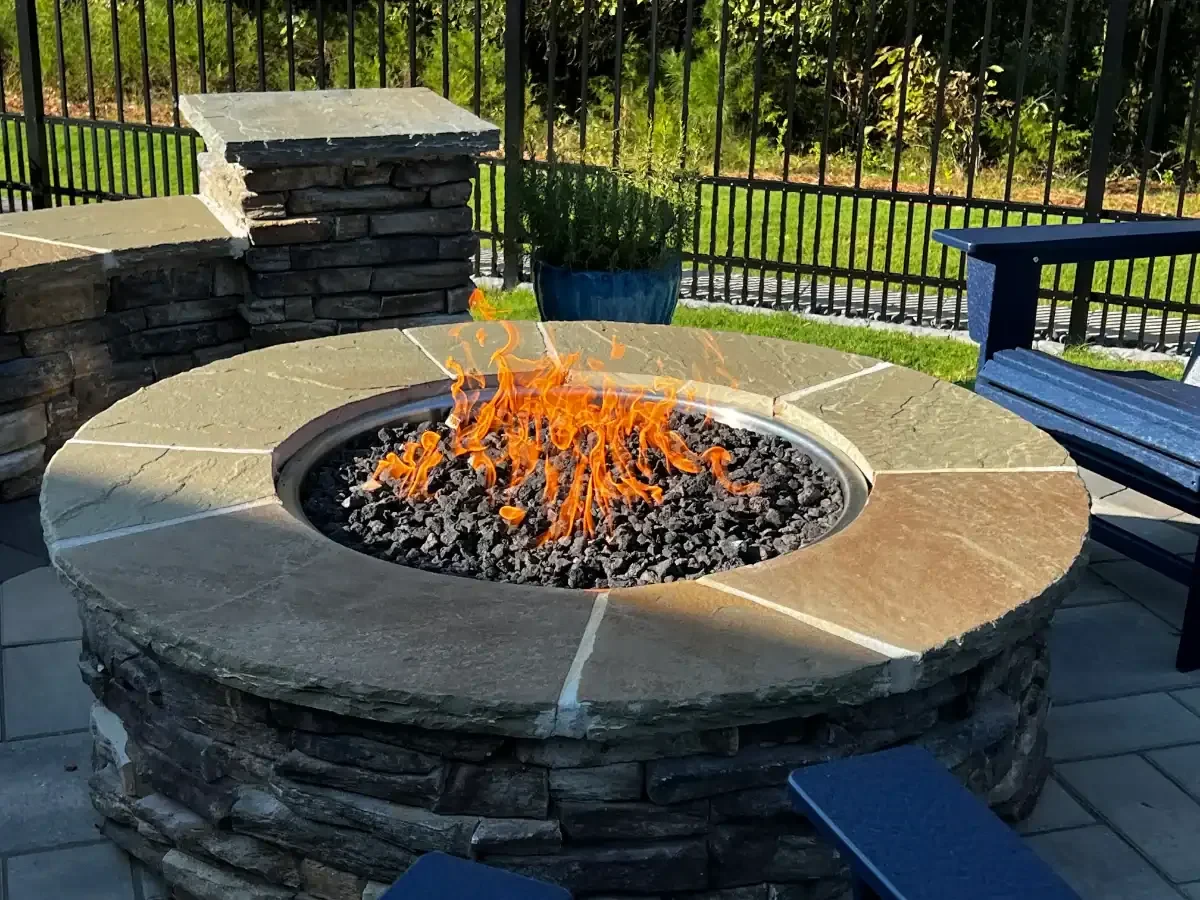
Fire features add both light and warmth, extending your outdoor kitchen’s usable season. A fire pit or fireplace becomes a natural gathering point after dinner, keeping the conversation going long after the cooking is done. In Mecklenburg County’s climate, this can add months of additional use to your outdoor investment.
Remember that good ambiance lighting should be dimmable and controllable. What works for a lively dinner party might be too bright for a quiet evening with family. Layer your lighting options so you can adjust the mood to match the occasion.
The goal is creating an outdoor environment that feels as welcoming and comfortable as your indoor spaces. When your lighting is done right, guests will naturally gravitate toward your backyard entertaining space, making it the heart of your home’s social life.
Planning Your Outdoor Kitchen Investment In Mecklenburg County
Your outdoor kitchen represents more than just an upgrade – it’s an investment in how you’ll enjoy your home for years to come. The most successful projects start with honest assessment of your entertaining style, cooking habits, and long-term goals for your outdoor space.
Take time to consider your entertaining goals and sketch out how you envision using the space. Do you host large gatherings or prefer intimate family meals? Will you use it year-round or primarily during warmer months? These answers guide every design decision from layout to lighting.
Understanding patio kitchen cost in NC helps you plan appropriately. Most homeowners invest between $15,000 and $30,000 for a well-designed outdoor kitchen, though costs vary based on size, features, and material choices. When you’re ready to move forward, working with experienced professionals ensures your outdoor kitchen functions as beautifully as it looks. We specialize in creating custom outdoor kitchens that blend seamlessly with your home and landscape, delivering the functionality and style that make outdoor entertaining effortless.