Paver Contractors in Lockwood, NC

Pavers That Actually Last in North Carolina

Professional installation that handles our clay soil and weather extremes without cracking or sinking.
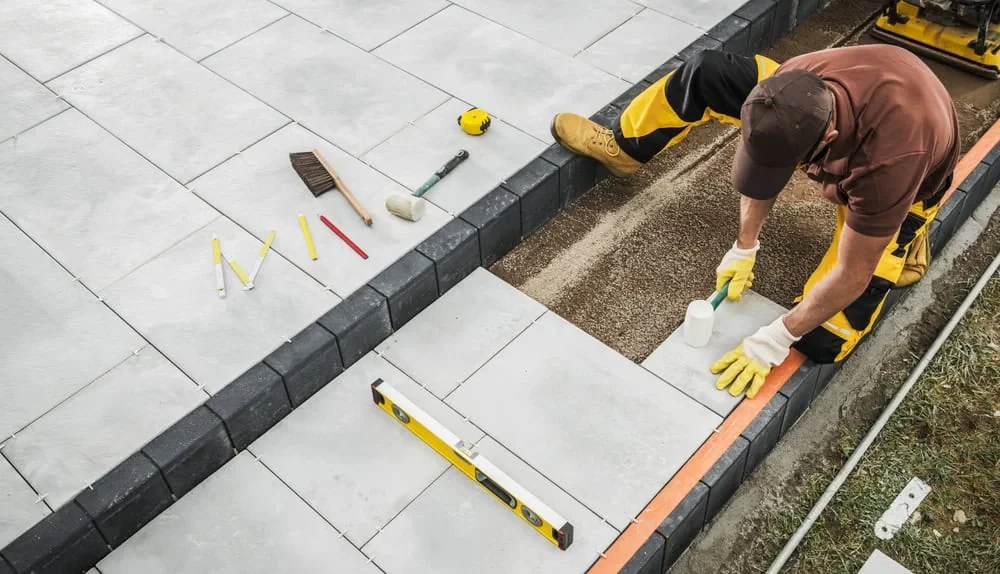
Landscaper Laying Concrete Slab Mecklenburg County North Carolina
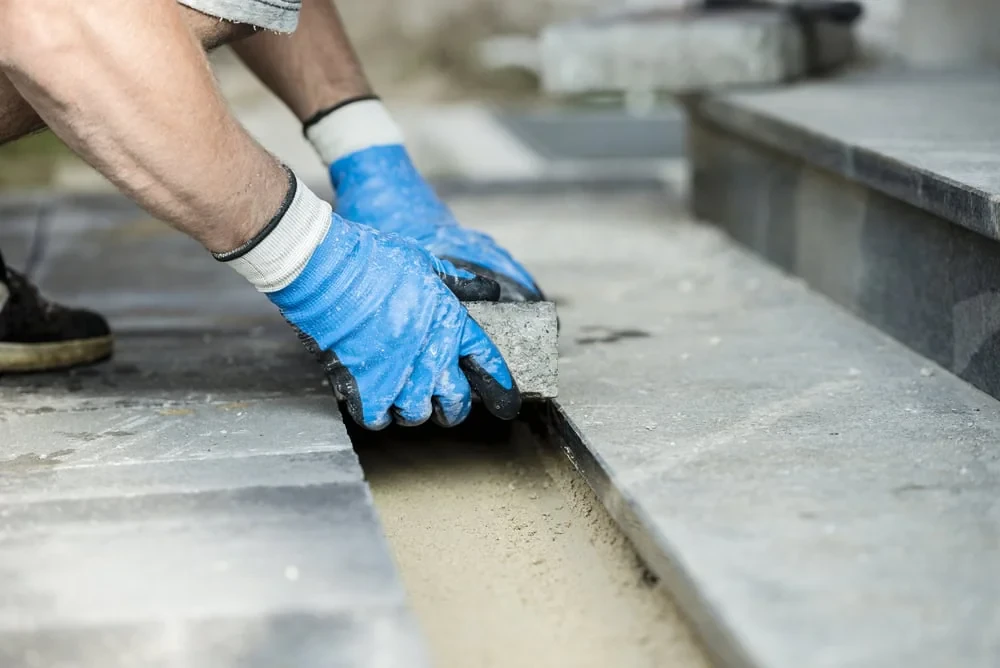
Leveling Sand Stone Stairs Mecklenburg County North Carolina_1

Professional Paver Installation Lockwood

Your Property Value Just Went Up

You’re looking at a driveway that won’t crack after the first winter freeze. A patio where water flows away from your foundation instead of pooling against it. Walkways that stay level year after year, even with our shifting clay soil.

That’s what happens when paver installation is done right from the start. You get surfaces that look better than concrete, cost less to maintain than asphalt, and actually improve your home’s resale value.

No more dealing with contractors who disappear halfway through jobs or cut corners on base preparation. When your pavers are installed properly, they handle everything North Carolina weather throws at them.

Lockwood Paver Installation Experts

We Know Lockwood's Soil Conditions

Union Landscaping and Hardscape S Corp has been handling paver projects in Lockwood and surrounding areas for years. We understand how our local clay soil behaves, what base preparation actually works here, and how to grade for proper drainage.

You won’t find us cutting corners on excavation or using generic installation methods that work in other states but fail in North Carolina. Every project gets the foundation work it needs to last decades, not just look good for the first few months.

We’re licensed, insured, and we actually return phone calls. Because reputation matters when you’re working in the same community where you live.
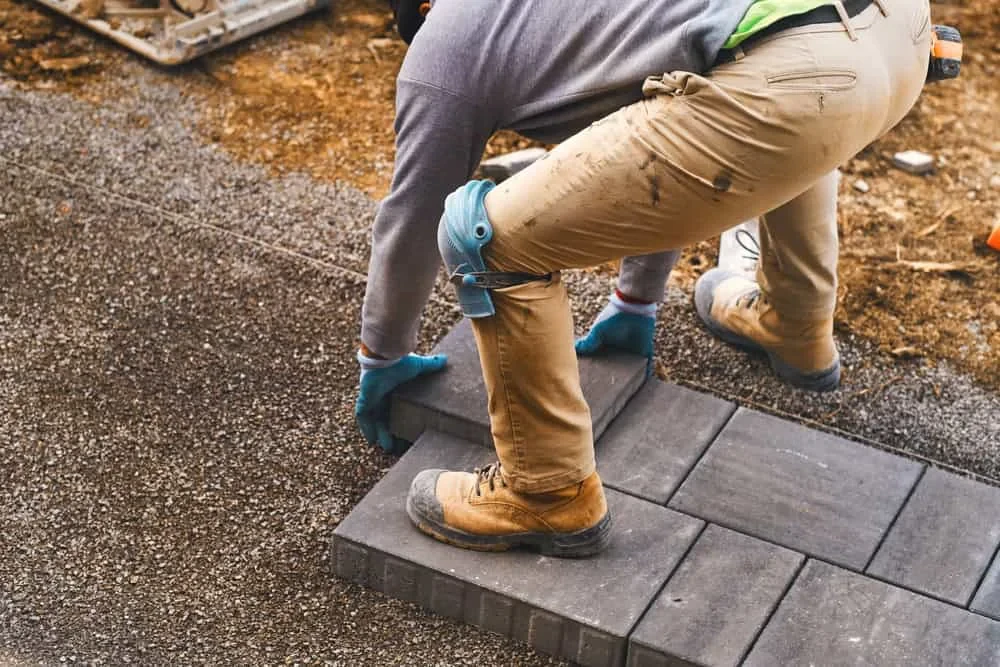
Landscaper Laying Gray Pavers Mecklenburg County North Carolina

Paver Installation Process Lockwood

Here's Exactly What Happens

First, we excavate to the right depth for your specific soil conditions and intended use. That means going deeper for driveways than patios, and accounting for Lockwood’s clay soil expansion and contraction.

Next comes proper base preparation with the right materials, compacted in lifts. This isn’t where you want to save money or cut corners. The base determines whether your pavers stay level for decades or start shifting within a few years.

Then we install your pavers with proper edge restraints and joint sand. Finally, we clean up completely and walk you through maintenance requirements. Most clients are surprised how little maintenance is actually needed when the job is done right.
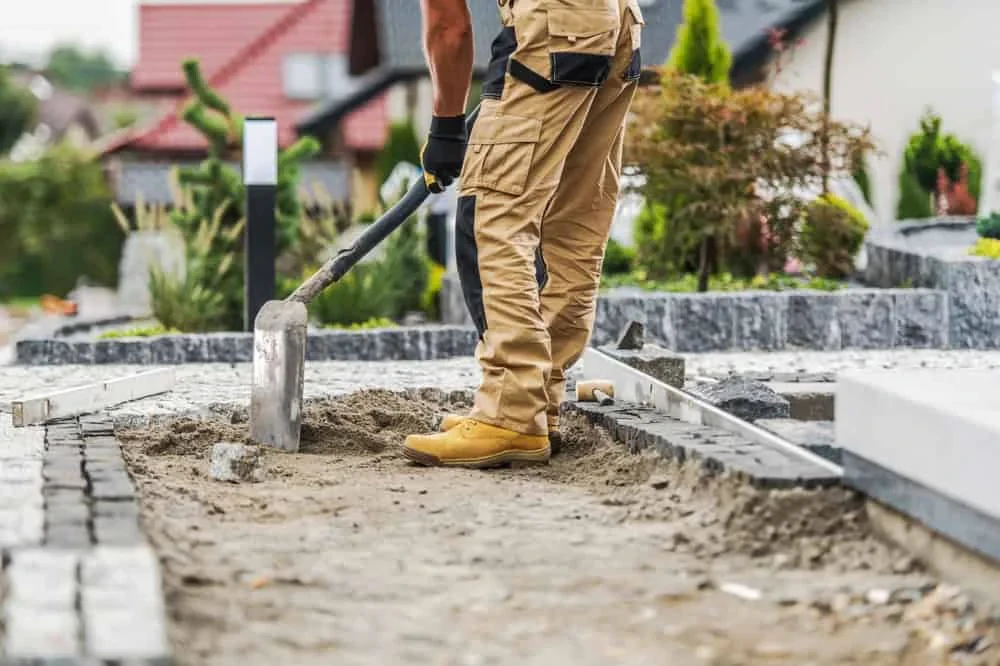
Landscaper Shoveling Foundation Mecklenburg County North Carolina_1

Ready to get started?

Explore More Services

About Union Landscaping and Hardscape

Get a Free Consultation

Residential Commercial Paver Contractors

What's Included in Every Project

Every paver installation includes proper excavation, base preparation with appropriate materials for your soil type, and professional-grade edge restraints. You also get detailed grading for water management, because drainage problems cause more paver failures than anything else.

We handle both residential and commercial projects, from simple walkways to complex driveway installations. Each project gets the same attention to foundation work, whether you’re a homeowner wanting a small patio or a business needing a full parking area.

All work comes with warranty coverage on both materials and installation. We also pull permits when required and make sure everything meets local building codes. You shouldn’t have to worry about any of that.
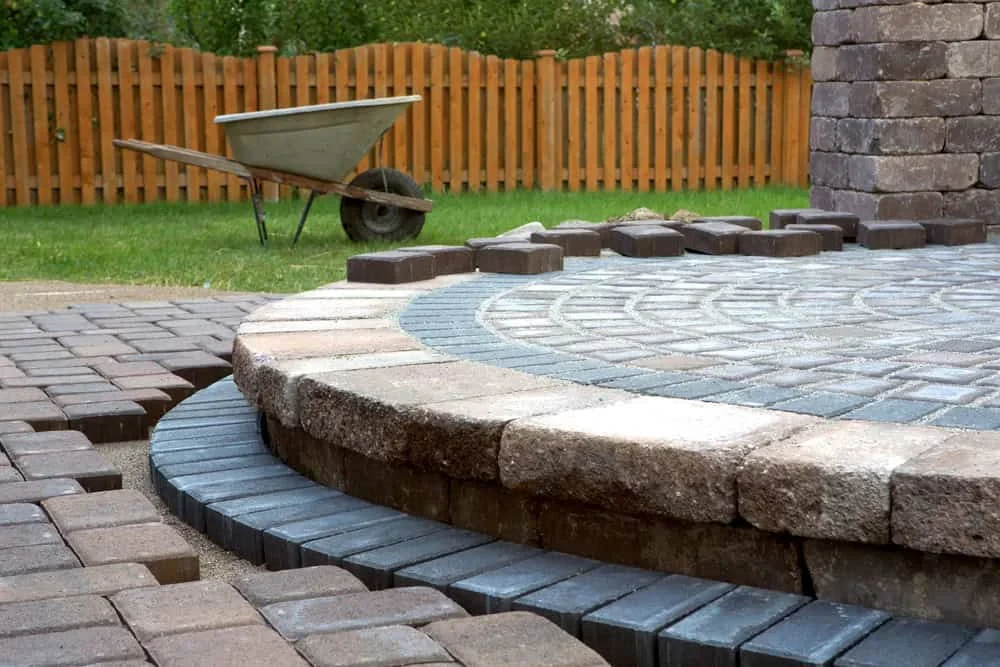
Stone Patio Under Construction Mecklenburg County North Carolina

How long does paver installation take in Lockwood?

Most residential paver projects take 3-5 days, depending on size and complexity. Weather can affect the timeline, especially during North Carolina’s rainy seasons. We always account for proper curing time between base preparation and paver installation – rushing this step causes problems later. Commercial projects or complex drainage situations may take longer, but we’ll give you a realistic timeline upfront and stick to it.
Pavers actually handle clay soil better than concrete or asphalt when installed properly. The key is proper excavation depth and base preparation that accounts for clay’s expansion and contraction cycles. We use specific base materials and compaction techniques that work with local soil conditions. Many paver failures in our area happen because contractors use generic installation methods instead of adapting to North Carolina clay soil requirements.
Paver installation typically costs more upfront than concrete, but the long-term value is usually better. Pavers don’t crack like concrete, they’re easier to repair if damage occurs, and they actually increase property value. When you factor in concrete replacement costs over 15-20 years, plus the resale value difference, pavers often cost less overall. We provide detailed estimates that break down both initial and long-term costs.
Proper drainage starts with correct grading during excavation. We slope surfaces away from foundations and toward appropriate drainage areas. Pavers actually allow some water infiltration between joints, which helps with drainage compared to solid concrete surfaces. For areas with significant drainage challenges, we can install subsurface drainage systems before paver installation. Poor drainage is the fastest way to cause paver failure, so we take this seriously on every project.
Yes, all our paver installations come with warranty coverage on both materials and workmanship. The specific warranty length depends on the project type and materials used, but we stand behind our work. Most paver problems that occur within the first few years are installation-related, not material defects. That’s why proper base preparation and installation techniques matter so much. We’ll explain warranty details before starting any project.
We can evaluate and often repair paver installations that weren’t done properly initially. Common problems include settling due to inadequate base preparation, drainage issues, and edge restraint failures. Sometimes repairs are possible, but in cases where the base work was completely inadequate, reinstallation might be more cost-effective long-term. We’ll give you an honest assessment of what makes sense for your specific situation and budget.