Paver Contractors in Junker, NC

Pavers That Actually Last

Professional paver installation that won’t shift, sink, or disappoint in five years.
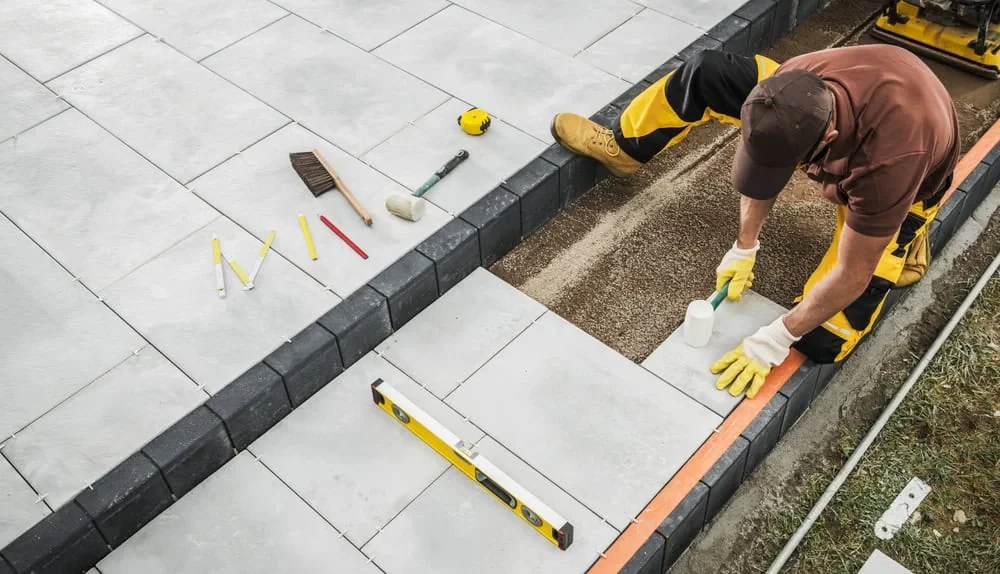
Landscaper Laying Concrete Slab Mecklenburg County North Carolina
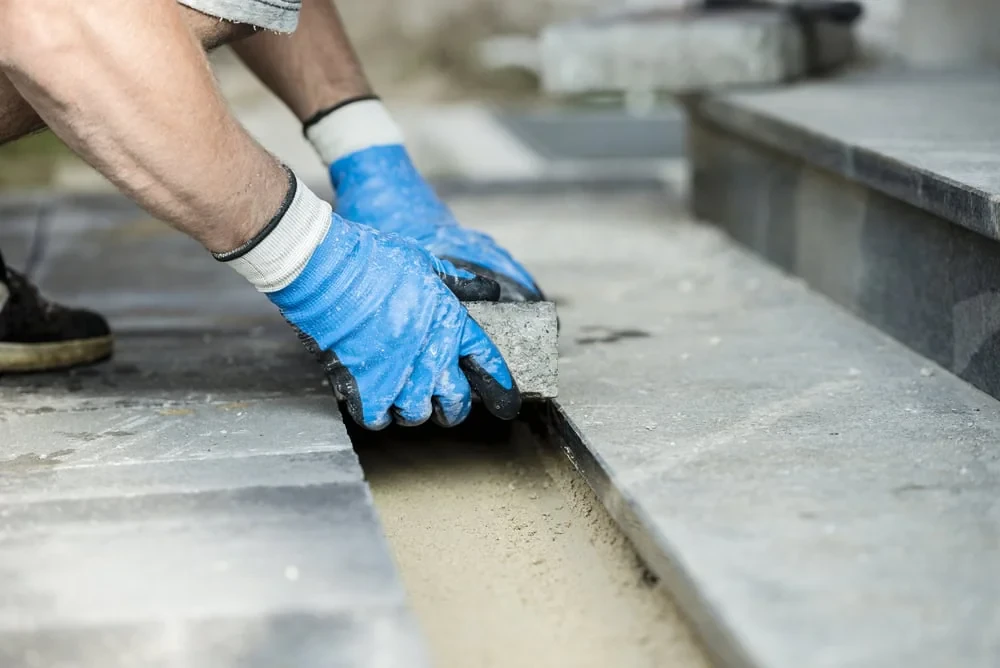
Leveling Sand Stone Stairs Mecklenburg County North Carolina_1

Professional Paver Installation Services

What You Get With Proper Installation

Your driveway won’t develop those embarrassing dips and cracks that scream “cheap job.” The water actually drains where it should instead of pooling against your foundation. Your patio stays level, your walkways stay safe, and your investment holds its value.

Most paver jobs fail because contractors skip the base preparation. They rush the excavation, use the wrong materials, or don’t compact properly. You end up with shifting pavers, weed growth, and a surface that looks worse than what you started with.

When paver installation is done right, you get decades of performance. The surface handles North Carolina’s freeze-thaw cycles without cracking. Individual pavers can be lifted and replaced if damaged. Your property value increases, and you actually enjoy the space you invested in.

Junker Paver Installation Experts

We Know Junker's Ground Conditions

Union Landscaping and Hardscape S Corp has been installing pavers throughout Junker, NC long enough to understand what works here and what doesn’t. We know how local soil behaves, what base materials perform best, and how to handle drainage challenges specific to this area.

Every crew member understands that your project represents a significant investment. We show up when scheduled, protect your existing landscaping, and clean up properly each day. The work gets done right the first time because redoing a paver job costs everyone more time and money.
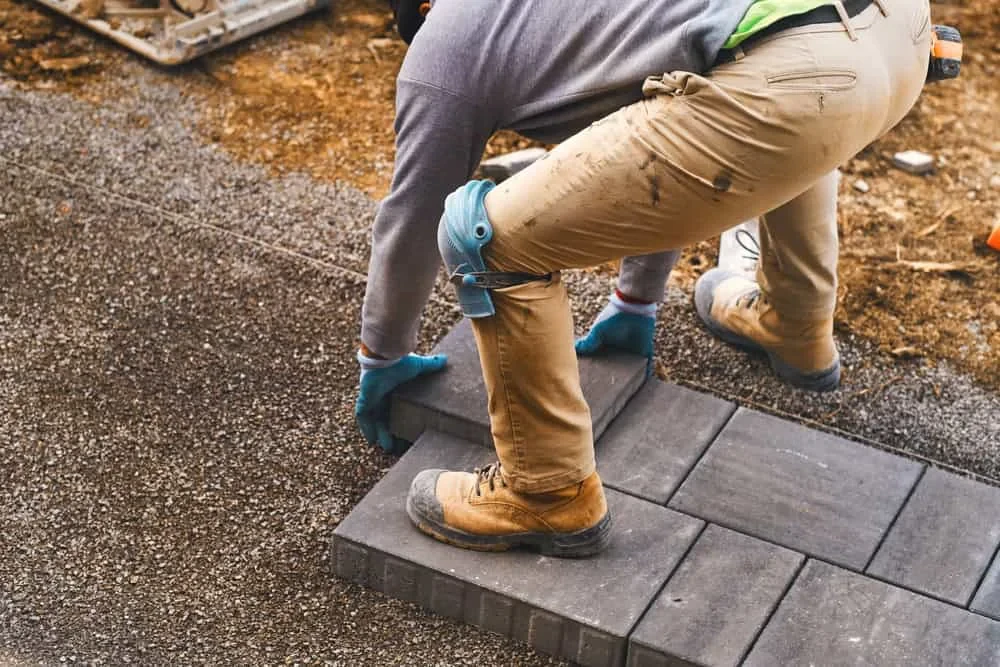
Landscaper Laying Gray Pavers Mecklenburg County North Carolina

Paver Installation Process

How Professional Installation Actually Works

First, the area gets properly excavated to the correct depth – usually 8-10 inches for driveways, 6-8 inches for patios and walkways. This isn’t guesswork. The depth depends on your soil conditions and intended use.

Next comes the base preparation. A layer of crushed stone gets installed and compacted in lifts. Then a leveling layer of sand gets screeded perfectly flat. This foundation determines whether your pavers will stay put for decades or start shifting within a few years.

The pavers get installed in your chosen pattern, then the entire surface gets compacted with a plate compactor. Polymeric sand gets swept into the joints and activated with water. This locks everything together while still allowing individual paver replacement if needed.

Finally, excess sand gets cleaned off and the area gets inspected. You walk through the completed project to ensure everything meets your expectations before we consider the job finished.
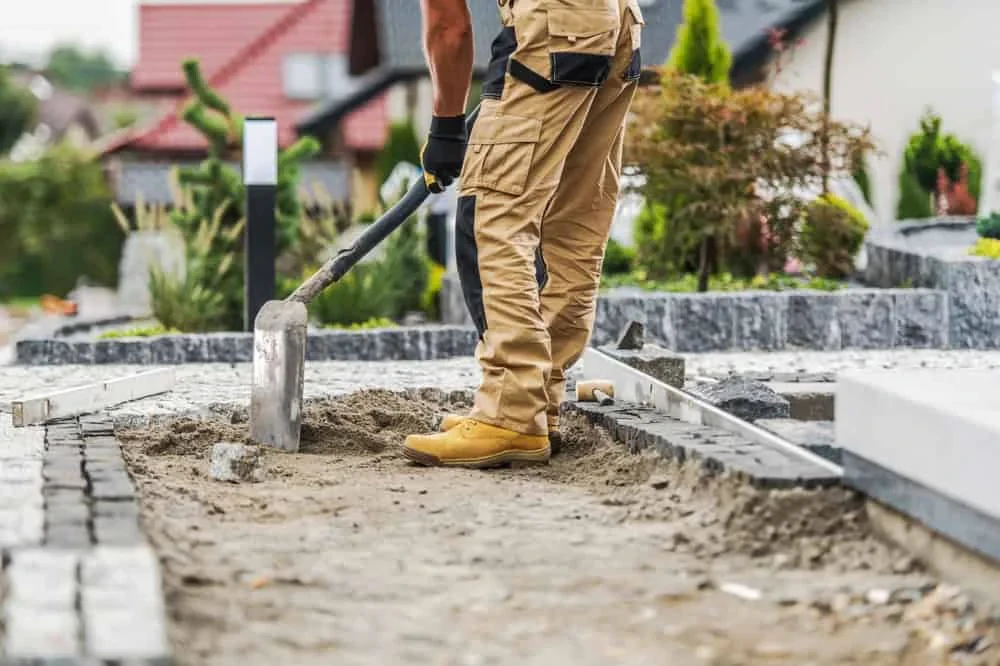
Landscaper Shoveling Foundation Mecklenburg County North Carolina_1

Ready to get started?

Explore More Services

About Union Landscaping and Hardscape

Get a Free Consultation

Residential and Commercial Pavers

Complete Paver Services We Handle

Driveway paver installation transforms your home’s curb appeal while providing a durable surface that handles daily traffic. Whether you want classic brick pavers or modern concrete pavers, our installation process ensures proper load distribution and drainage.

Patio paver installation creates outdoor living spaces that actually get used. The surface stays level, drains properly, and provides slip resistance. You can choose from various materials including natural stone pavers, brick pavers, or interlocking concrete pavers to match your home’s style.

Walkway paver installation connects different areas of your property safely and attractively. Proper installation prevents trip hazards while creating defined pathways that enhance your landscape design. Commercial paver installation handles larger scale projects with the same attention to base preparation and drainage that residential projects require.
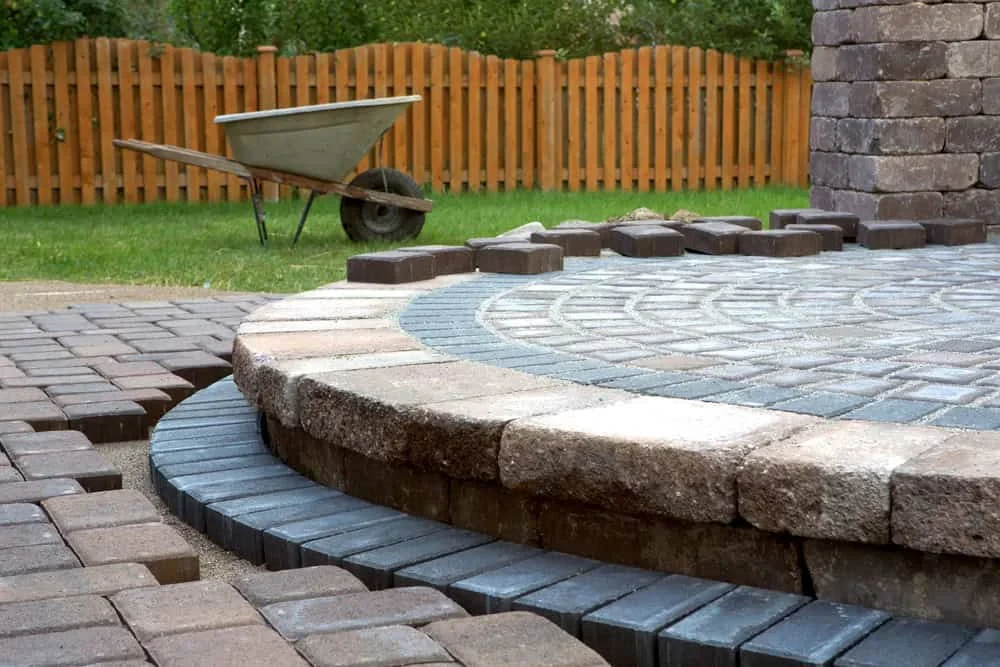
Stone Patio Under Construction Mecklenburg County North Carolina

How long does paver installation typically take to complete?

Most residential paver projects take 3-5 days depending on size and complexity. A standard driveway usually takes 3-4 days, while larger patios or complex designs might need 5-7 days. Weather can extend timelines since base preparation requires dry conditions. The excavation and base work typically take the longest – rushing this phase leads to problems later. Once the base is properly prepared, paver installation moves quickly. You’ll have access to your driveway each evening, though you should avoid heavy traffic for 24-48 hours after completion.
Concrete pavers offer more design flexibility and color options while typically costing less than brick pavers. They’re manufactured to precise specifications and come in various shapes, sizes, and textures. Brick pavers provide a classic, timeless appearance that many homeowners prefer for traditional or historic homes. They’re made from fired clay and develop character over time. Both materials perform well when properly installed, but concrete pavers generally offer better consistency in size and color. Brick pavers might have slight color variations that some people love and others want to avoid. Your choice usually comes down to aesthetic preference and budget.
Properly installed pavers with polymeric sand shouldn’t have significant weed issues for several years. Polymeric sand contains binding agents that harden when activated with water, creating a solid barrier in the joints. However, organic matter like leaves and debris can eventually accumulate on top of the sand, providing a growing medium for weeds. Regular maintenance – sweeping and occasional reapplication of polymeric sand – keeps weed growth minimal. If weeds do appear, they’re usually easy to remove since they’re growing in sand rather than soil. The key is proper initial installation with the right sand and adequate compaction.
Paver installation costs typically range from $12-25 per square foot installed, depending on material choice, site conditions, and project complexity. Basic concrete pavers with standard patterns cost less than premium natural stone with intricate designs. Difficult access, poor drainage, or extensive excavation increases costs. The base preparation represents about 40% of the total cost – this isn’t where you want contractors cutting corners. While you might find cheaper quotes, they usually involve shortcuts in base preparation or lower-quality materials. Getting detailed written estimates from multiple contractors helps you understand what’s included and make informed comparisons.
Pavers can sometimes be installed over existing concrete if the concrete is in good condition, properly sloped for drainage, and structurally sound. The existing surface needs to be stable without cracks, settling, or movement. A thin layer of sand allows for leveling and provides a setting bed for the pavers. However, installing over asphalt isn’t recommended since asphalt can shift and doesn’t provide adequate support. In most cases, removing the existing surface and installing a proper stone base provides better long-term performance. The small additional cost of proper excavation and base preparation usually pays for itself in durability and appearance.
Paver maintenance is minimal but important for longevity. Regular sweeping prevents debris buildup and keeps the surface looking clean. Occasional power washing removes stains and refreshes the appearance, but avoid high pressure that could displace sand from joints. Reapplying polymeric sand every 3-5 years keeps joints tight and prevents weed growth. Individual damaged pavers can be lifted and replaced without affecting surrounding pavers – this is one of the main advantages over concrete slabs. Sealing isn’t required but can enhance color and provide stain protection, especially for lighter colored pavers. Most homeowners find paver maintenance much easier than maintaining concrete or asphalt surfaces.