
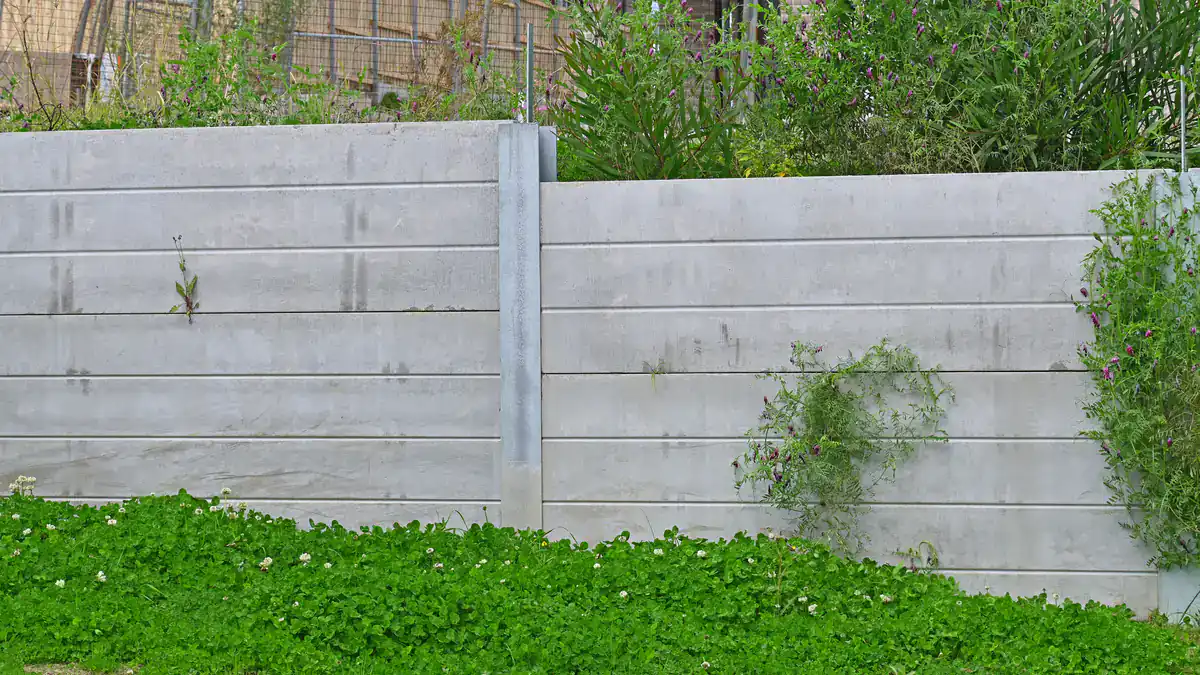
You stop watching your yard wash away after every heavy rain. That’s the first thing.
The soggy spots near your foundation dry out because water’s being redirected where it belongs. Your sloped yard becomes flat, usable space where kids can play or you can actually landscape without fighting gravity. And you’re not dealing with sinkholes or erosion eating away at your property value.
Retaining walls in Foxcroft, NC aren’t just about looks. They’re about preventing foundation damage that costs five figures to fix. They’re about soil erosion prevention that protects your investment. When installed correctly in our clay soil, they last 50 to 100 years.
Most homeowners wait too long. They think the drainage issue will resolve itself. It won’t. Clay soil in Foxcroft, NC gets worse over time, not better. The longer you wait, the more soil you lose and the more expensive the fix becomes.
Union Landscaping and Hardscape S Corp is a family-owned company based in Monroe, NC. We’ve been serving Foxcroft and Guilford County with hardscape services that actually work in North Carolina’s climate.
We’re not the cheapest option. That’s intentional. You’re paying for retaining wall installation that accounts for how clay soil behaves when it rains 43 inches a year. You’re paying for proper drainage solutions that prevent your foundation from taking on water.
We show up when scheduled. We clean up after ourselves. And we keep you updated if weather affects timing. Most contractors in Foxcroft, NC don’t do these basic things. We do.
First, we assess your property. We’re looking at slope, drainage patterns, and soil conditions. If you’ve got water pooling near your foundation or erosion after storms, we need to see where it’s coming from and where it’s going.
Then we design the retaining wall. This isn’t just stacking retaining wall blocks. We’re calculating load, planning for drainage behind the wall, and making sure the design works with Foxcroft’s clay soil. For walls over four feet, an engineer gets involved. That’s code, and it’s there for good reason.
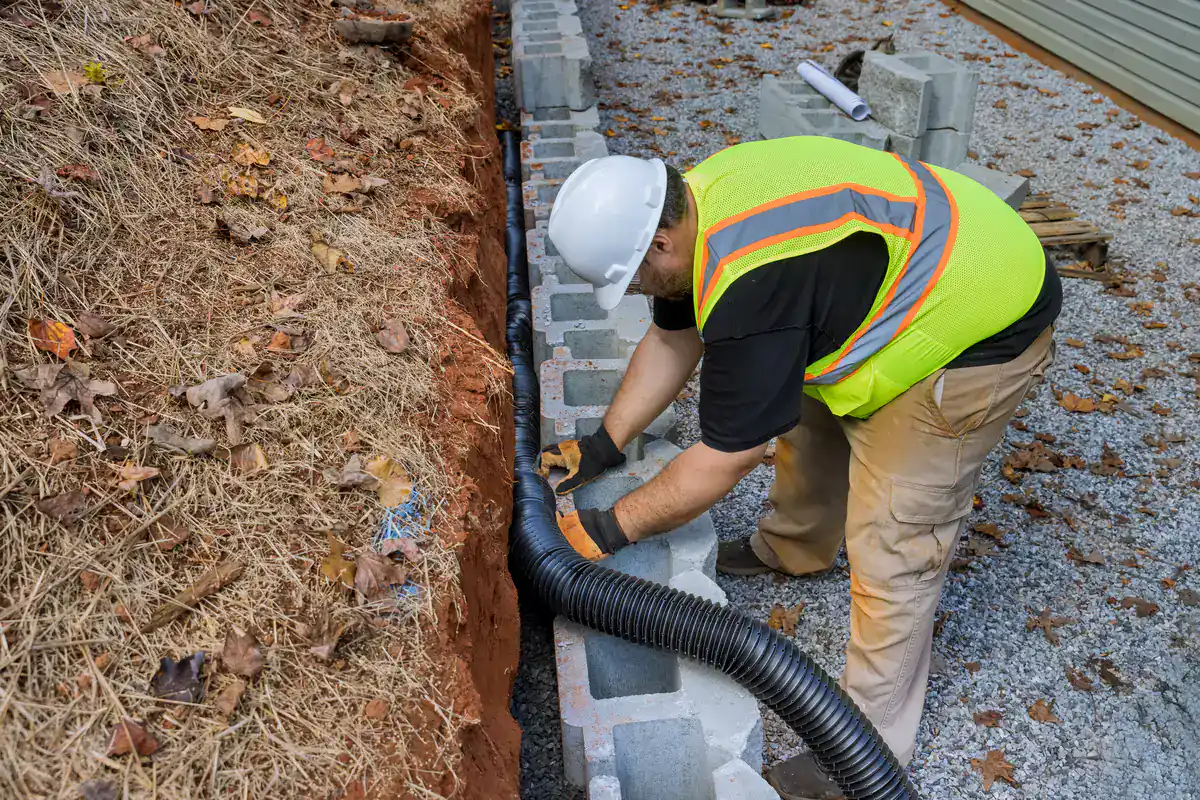
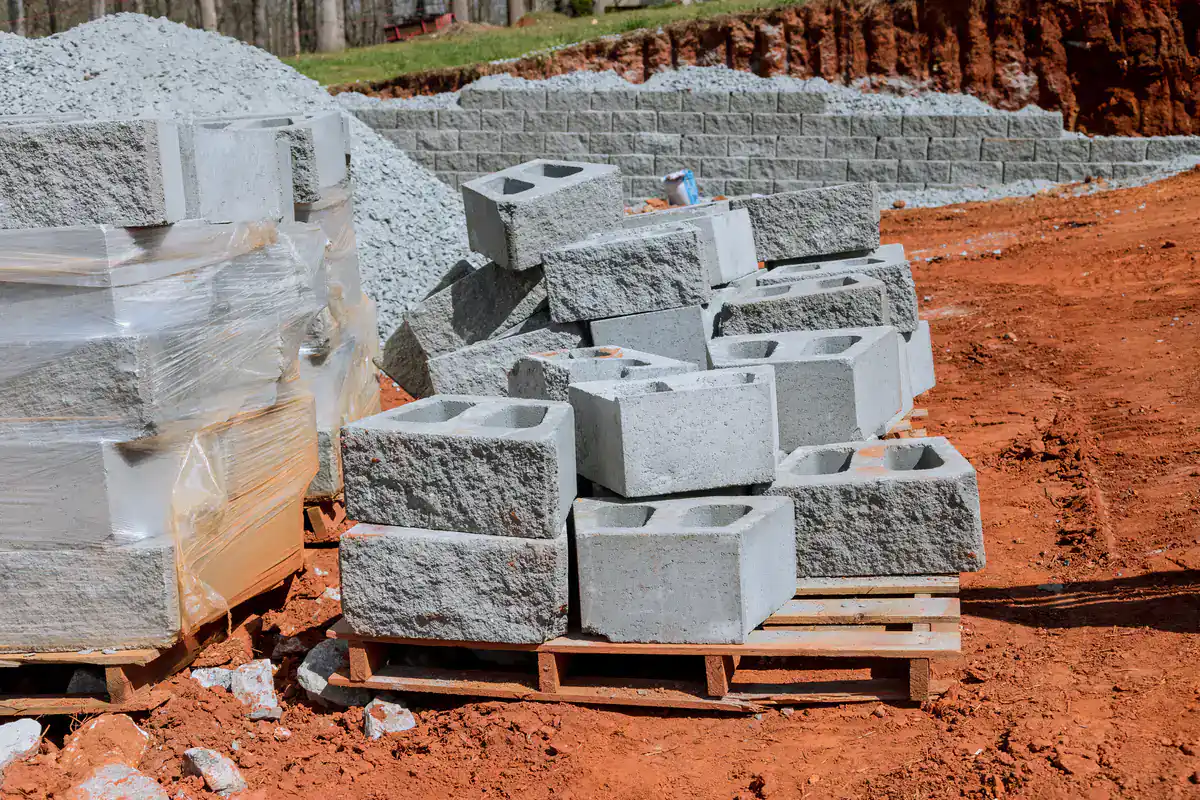
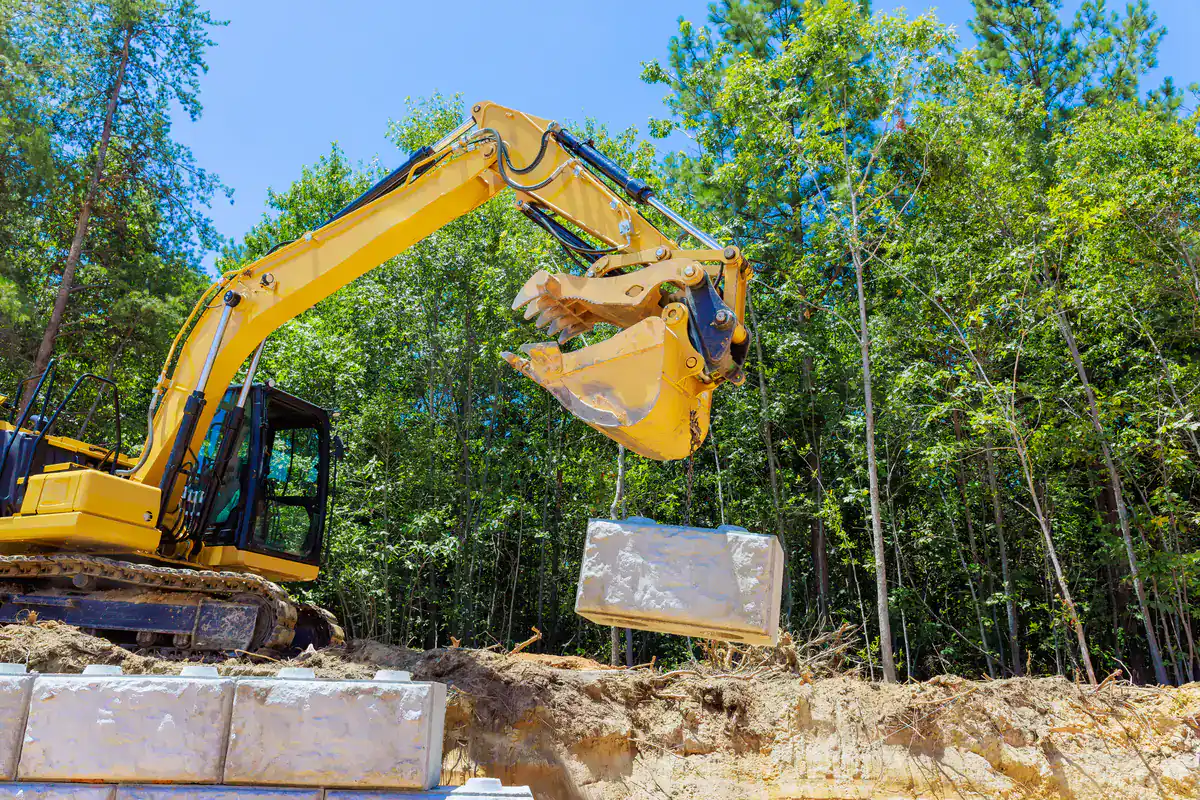
Installation starts with excavation and base prep. The base has to be level and compacted, or the whole wall fails eventually. We install drainage systems behind the wall because water buildup is what causes most retaining wall failures. Then we build the wall using concrete retaining wall blocks or natural stone, depending on what your property needs and what you prefer.
The final step is backfill and grading. We make sure water flows away from the wall, not toward it. Then we clean up and walk you through maintenance, which is minimal if the wall’s built right.
Ready to get started?
You get a site assessment that looks at your specific drainage problems. We’re checking slope, soil type, and where water’s causing issues. In Foxcroft, NC, that usually means dealing with clay soil that holds water instead of letting it drain.
We handle the design and engineering. If your wall needs to be taller than four feet, we bring in an engineer. That’s not an upsell—it’s required. We also pull permits when needed, which depends on wall height and local codes in Guilford County.
The installation includes excavation, base preparation, drainage systems, and the actual wall construction. We use quality retaining wall blocks or natural stone. Both work in North Carolina’s climate, but they have different price points and looks. We’ll explain the difference so you can decide what makes sense for your property.
After installation, we grade the area and make sure water’s flowing away from your foundation. We also handle cleanup. You shouldn’t have to deal with leftover materials or torn-up areas we didn’t restore.
Our outdoor living spaces often include retaining walls as part of a larger hardscape project. If you’re thinking about a patio or walkway, building them together usually makes more sense than doing them separately.
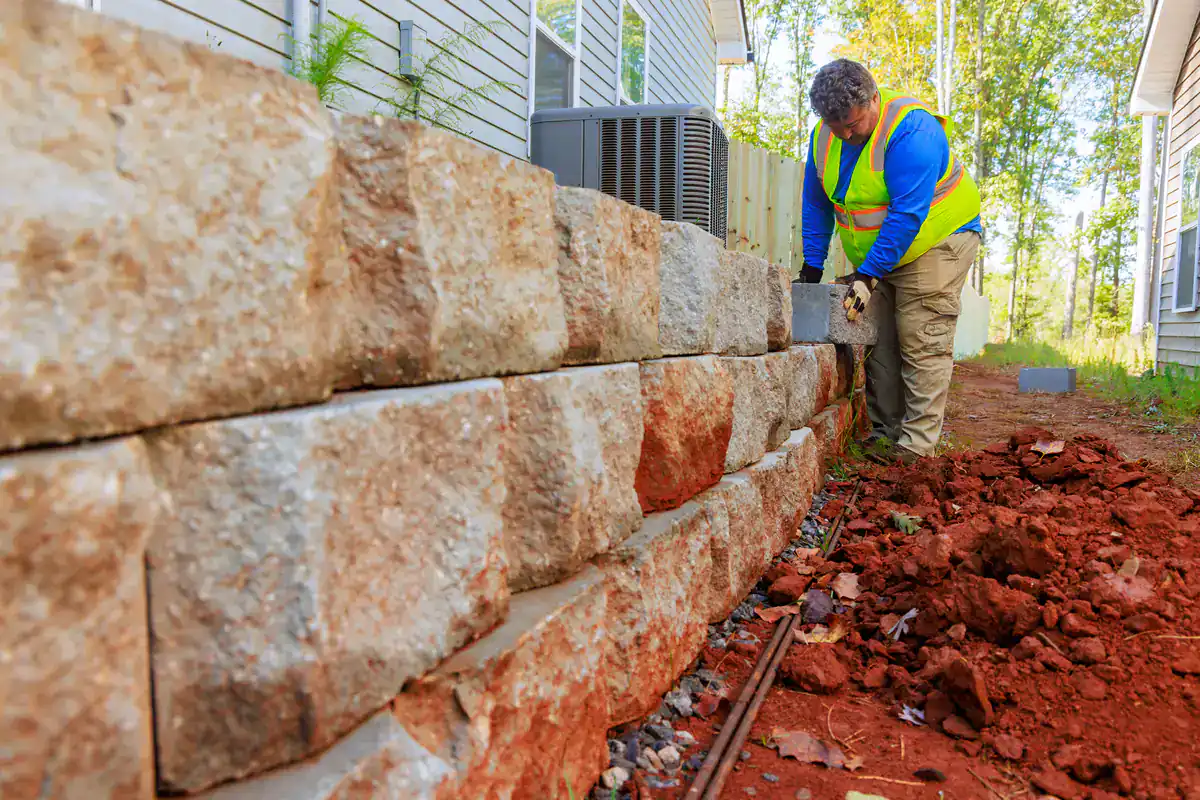
Most retaining wall installation in Foxcroft, NC runs between $40 and $50 per square foot of wall face. That’s for standard segmental block walls. Natural stone costs more—usually $40 to $80 per square foot depending on the stone type and how complex the installation is.
Most contractors have a $2,500 minimum project cost. Smaller walls might hit that minimum even if the square footage calculation comes in lower. Walls over four feet tall require engineering, which adds to the cost but isn’t optional.
The price includes excavation, base prep, drainage installation, the wall itself, and backfill. It doesn’t include major grading work if your property needs it, or landscaping after the wall’s done. Get that spelled out in your estimate so you’re not surprised later.
Clay soil in Foxcroft sometimes requires extra drainage work. If your property has serious water issues, that affects cost. But it’s cheaper to handle drainage correctly during installation than to fix a failed wall later.
Concrete retaining wall blocks handle North Carolina’s climate well. They’re durable through our humid summers and the freeze-thaw cycles we get in winter. They also come in different styles, so you’re not stuck with one look.
Segmental block walls are the most common. They interlock without mortar, which lets them flex slightly when the ground shifts. That’s important in clay soil. These blocks typically last 50 to 100 years when installed correctly.
Natural stone is another option. It costs more and takes longer to install, but some homeowners prefer the look. Stone works fine in Foxcroft’s climate, but it requires more skill to install properly. The wrong contractor can build a stone wall that fails within a few years.
Avoid treated wood for retaining walls. It doesn’t last in our humidity and rainfall. You’ll be replacing it in 10 to 15 years, which ends up costing more than just building with block or stone from the start.
Water pooling near your foundation is the clearest sign. If you’ve got soggy areas that don’t dry out, or if you’re seeing erosion after heavy rains, you need to address it. Foxcroft gets 43 inches of rain a year on average. That’s above the national average, and clay soil makes drainage worse.
Sloped yards are another reason. If you can’t use parts of your property because of the slope, a retaining wall creates flat, usable space. That’s especially valuable if you’re trying to landscape or create outdoor living spaces.
Visible erosion means you’re losing soil. Sinkholes, exposed roots, or areas where grass won’t grow because the topsoil’s gone—these all point to needing soil erosion prevention. The longer you wait, the more soil you lose and the bigger the problem becomes.
If you’re seeing cracks in your foundation or basement water issues, get it assessed immediately. That might be a drainage problem a retaining wall can fix, or it might be something more serious. Either way, don’t wait.
Most residential retaining walls in Foxcroft, NC take one to two weeks from start to finish. That includes excavation, base prep, drainage installation, wall construction, and final grading. Larger or more complex projects take longer.
Weather affects timing. If we get heavy rain during excavation or base prep, we have to stop. You can’t compact a base properly when it’s saturated. We’ll keep you updated if weather pushes the schedule back.
Permit approval adds time before we start. If your wall requires a permit, factor in a few weeks for that process. Walls over four feet need engineering, which also extends the timeline before installation begins.
We don’t rush the base prep. That’s where most contractors cut corners, and it’s why their walls fail. A proper base takes time to excavate, level, and compact. If someone’s promising a faster timeline, ask what they’re skipping.
Properly installed retaining walls need minimal maintenance. You should check drainage outlets after heavy storms to make sure they’re not clogged. If water can’t drain from behind the wall, pressure builds up and eventually causes failure.
Inspect the wall annually for any shifting or bulging. Small issues are easy to fix. Big issues mean something’s wrong with the drainage or the base, and those get expensive. Catching problems early saves money.
Keep plants and tree roots away from the wall. Roots can push blocks out of alignment over time. If you’re landscaping near the wall, choose plants with shallow root systems or keep larger plants several feet back.
In Foxcroft’s clay soil, the ground shifts slightly with wet and dry cycles. That’s normal. Your retaining wall should handle that movement if it’s built correctly. If you’re seeing cracks or significant shifting, get it looked at. That’s not normal wear.
Small walls under two feet are DIY-friendly if you’re comfortable with the work. You’ll need to excavate, create a level compacted base, and install retaining wall blocks correctly. It’s physically demanding, and mistakes are expensive to fix later.
Anything over two feet should be professionally installed. The stakes are too high. A failed retaining wall can damage your foundation, destroy landscaping, or even hurt someone if it collapses. Insurance won’t cover damage from improperly installed DIY work.
Clay soil in Foxcroft, NC makes installation harder. You need to understand drainage and how clay behaves when it’s wet versus dry. Most DIYers don’t account for this, and their walls fail within a few years.
If your wall needs to retain a significant amount of soil or if it’s near your foundation, hire someone who knows what they’re doing. The money you save doing it yourself isn’t worth the risk of foundation damage or a collapsed wall.
Other Services we provide in Foxcroft