Paver Contractors in Fowler Crossroads, NC

Driveways That Actually Last Years

Professional paver installation that handles North Carolina weather without cracking, sinking, or constant repairs.
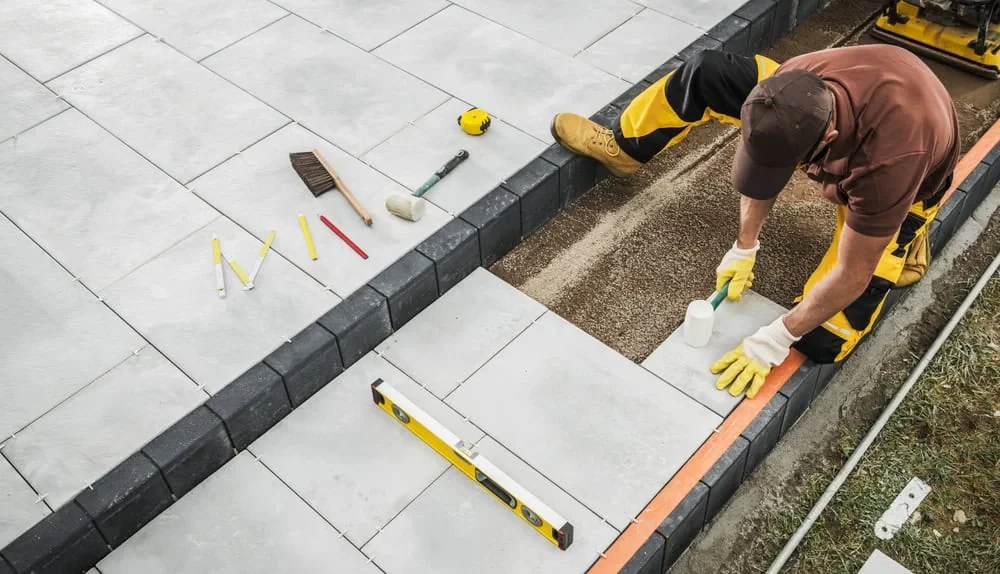
Landscaper Laying Concrete Slab Mecklenburg County North Carolina
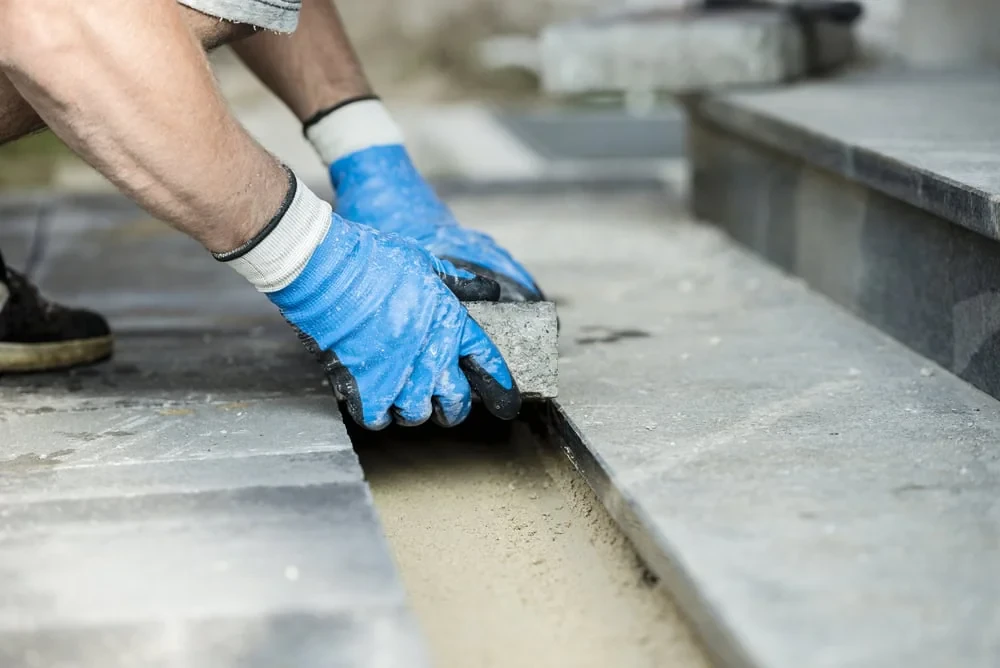
Leveling Sand Stone Stairs Mecklenburg County North Carolina_1

Professional Paver Installation Services

What You Get With Quality Pavers

Your driveway stops being a problem. No more worrying about cracks spreading across concrete or asphalt that needs resurfacing every few years.

Pavers handle freeze-thaw cycles better than any other surface. When North Carolina throws everything from ice storms to summer heat at your driveway, individual pavers expand and contract without creating the stress fractures that destroy solid surfaces.

You get a surface that looks better over time instead of worse. Pavers develop character as they age, while concrete just looks old and stained. Plus, if one paver gets damaged, you replace that one piece instead of tearing up your entire driveway.

Fowler Crossroads Paver Specialists

We Know North Carolina Soil

We’ve been installing pavers in the Fowler Crossroads area long enough to understand what works here and what doesn’t. We’ve seen every type of soil condition and drainage challenge this region throws at contractors.

Most paver failures happen because of poor base preparation, not bad materials. We take the time to properly excavate, grade, and compact the base because we know you’re not calling us back in two years to fix settling or shifting pavers.

Our crew uses commercial-grade equipment and follows industry standards for base depth and compaction. We’re licensed, insured, and we stand behind our work because we plan to keep working in this community for years to come.
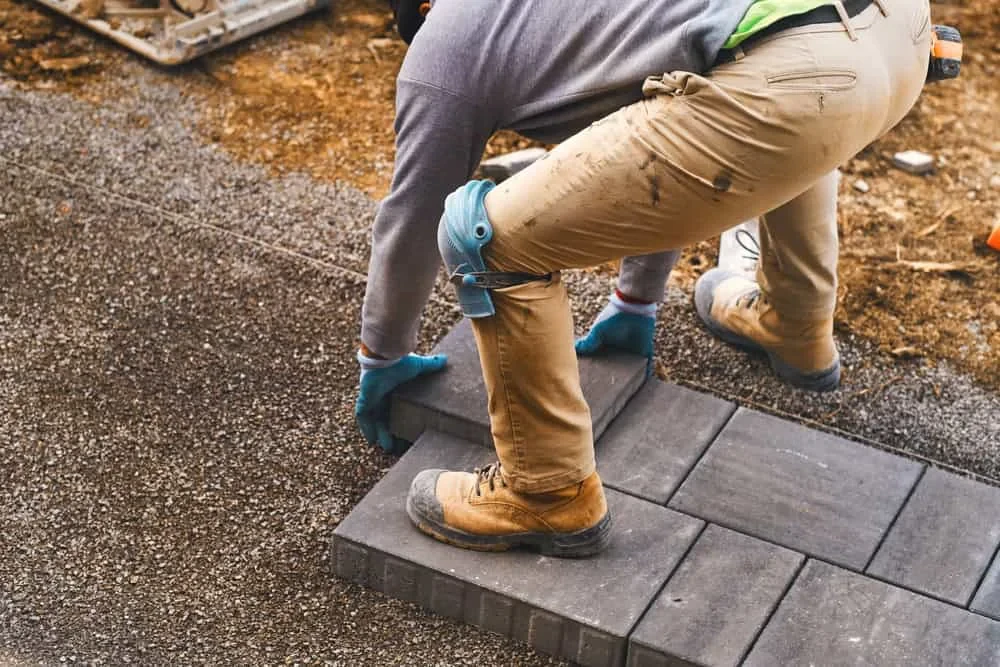
Landscaper Laying Gray Pavers Mecklenburg County North Carolina

Paver Installation Process

How We Install Pavers Right

First, we excavate to the proper depth based on your specific use case. Driveways need deeper excavation than walkways because they carry more weight. We remove all organic material and anything that could shift or decompose over time.

Next comes base preparation, which is where most contractors cut corners. We install and compact the base material in lifts, not all at once. Each layer gets compacted to 95% density before we add the next layer. This prevents settling that causes uneven surfaces later.

Then we install edge restraints to keep pavers from spreading outward over time. We lay pavers in the pattern you’ve chosen, cut edge pieces to fit, and compact everything together. Finally, we sweep polymeric sand into the joints and activate it with water to lock everything in place.

You get a surface that’s ready to use immediately, no curing time required. The whole process typically takes 2-3 days for a standard driveway, depending on size and complexity.
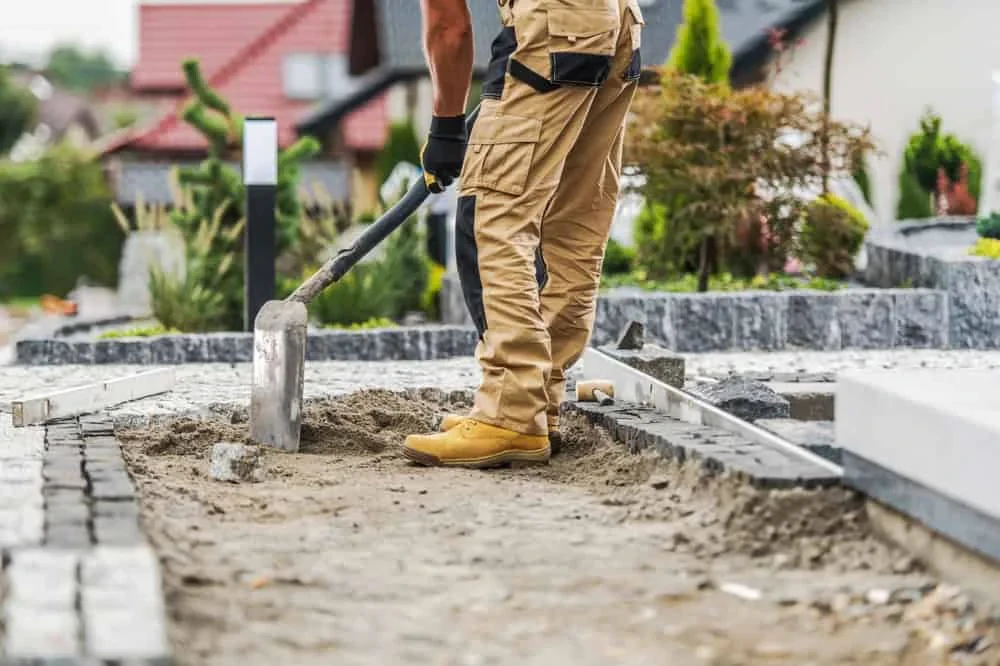
Landscaper Shoveling Foundation Mecklenburg County North Carolina_1

Ready to get started?

Explore More Services

About Union Landscaping and Hardscape

Get a Free Consultation

Residential and Commercial Pavers

What's Included in Every Project

Every paver installation includes proper excavation, base preparation, edge restraints, and polymeric sand jointing. We don’t charge extra for doing the job right the first time.

You choose from concrete pavers, brick pavers, or natural stone depending on your budget and aesthetic preferences. We carry multiple manufacturers so you’re not limited to one product line or price point.

We handle all the details most homeowners don’t think about until they become problems. Proper drainage slopes, transitions to existing surfaces, and coordination with sprinkler systems or other utilities. We also provide a clear timeline and keep you updated on progress throughout the project.

For commercial projects, we understand you need minimal disruption to business operations. We coordinate timing to work around your schedule and can phase larger projects to keep access routes open.
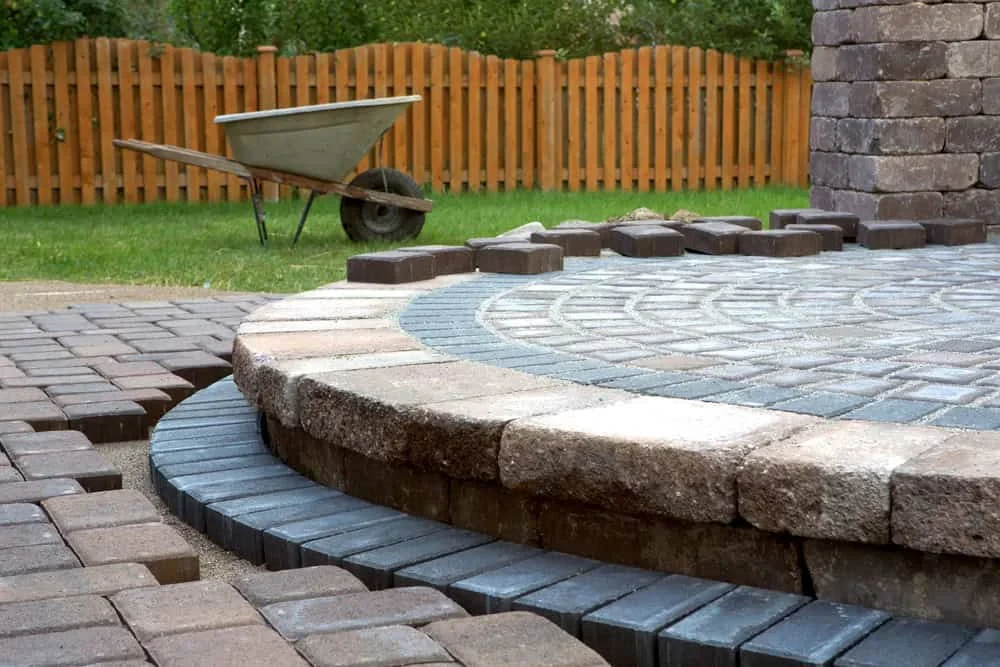
Stone Patio Under Construction Mecklenburg County North Carolina

How long do pavers last compared to concrete or asphalt?

Properly installed pavers typically last 25-30 years or more, while concrete driveways usually need replacement after 15-20 years and asphalt every 10-15 years. The key difference is how they handle stress. Concrete and asphalt are rigid surfaces that crack under pressure, while pavers can flex slightly and distribute weight across multiple pieces. When pavers do eventually need attention, you can replace individual pieces rather than the entire surface. This makes long-term maintenance much more affordable and less disruptive than other options.
Concrete pavers are manufactured to precise specifications and offer the widest variety of colors, shapes, and textures. They’re typically more affordable and provide consistent quality. Brick pavers are made from fired clay and offer a classic, traditional appearance that many homeowners prefer for historic or colonial-style homes. Brick pavers tend to be more expensive but often hold their color better over time. Both options are durable when properly installed, so the choice usually comes down to aesthetic preference and budget. We can show you samples of both materials to help you decide what works best for your project.
Paver installation typically costs 20-40% more upfront than poured concrete, but the long-term value equation often favors pavers. While concrete might cost $6-8 per square foot installed, pavers usually run $10-15 per square foot depending on the material and complexity. However, pavers rarely need major repairs, while concrete often requires resurfacing, crack repair, or complete replacement within 15-20 years. Pavers also add more to your property value than concrete and give you repair options that don’t exist with solid surfaces. We provide detailed estimates that break down all costs so you can make an informed decision.
Yes, pavers actually handle freeze-thaw cycles better than concrete or asphalt. When water freezes and expands, individual pavers can move slightly without cracking, while solid surfaces develop stress fractures that worsen over time. The key is proper installation with adequate base preparation and joint sand that allows for slight movement. We install pavers with the base depth and compaction needed for North Carolina’s climate conditions. The polymeric sand we use in joints is designed to be flexible while still preventing weed growth and paver shifting. This combination gives you a surface that looks the same after winter as it did before.
We use polymeric sand in all paver joints, which hardens when activated with water but remains flexible enough to allow for slight movement. This creates a barrier that prevents most weed growth while allowing water to drain through. Proper base preparation also helps by removing organic material that could feed weed growth from below. If weeds do occasionally appear, they’re usually easy to remove because they can’t establish deep root systems through the polymeric sand. Some homeowners also choose to apply a pre-emergent herbicide annually as extra protection, though it’s not usually necessary with proper installation.
Individual pavers can be removed and replaced without affecting the surrounding area. We lift out the damaged paver, check the base underneath, and install a replacement piece. The repair is virtually invisible when complete. This is one of the biggest advantages pavers have over concrete or asphalt, where damage often requires cutting out and patching large sections. For stains, most can be cleaned with appropriate cleaners, but even permanent stains can be solved by replacing just the affected pavers. We keep extra pavers from every project for future repairs, and most manufacturers maintain consistent product lines for years so matching pieces are usually available.