Paver Contractors in Elizabeth, NC

Paver Installation That Actually Lasts

We’re professional paver contractors who understand Elizabeth’s soil conditions and build installations that won’t shift, crack, or drain poorly.
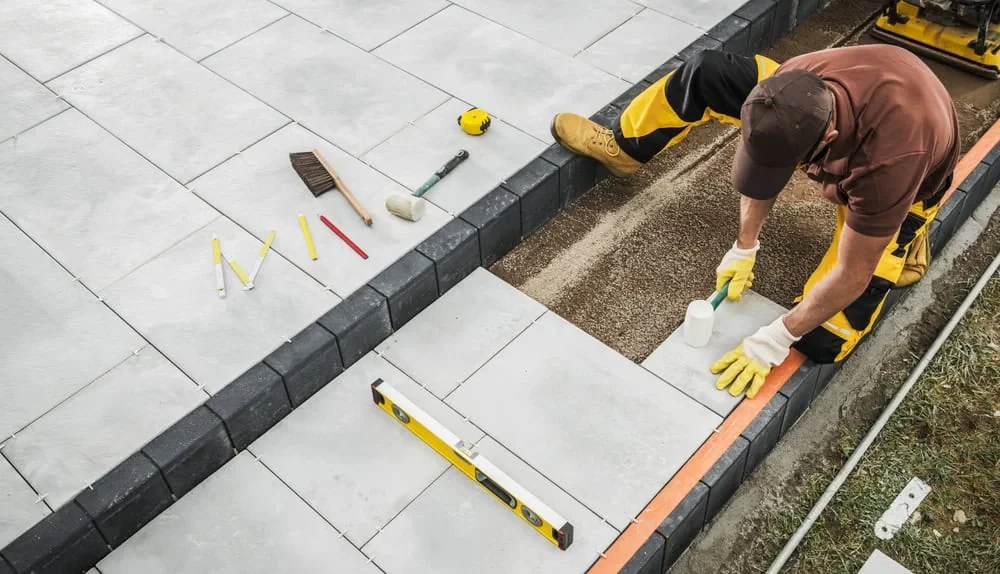
Landscaper Laying Concrete Slab Mecklenburg County North Carolina
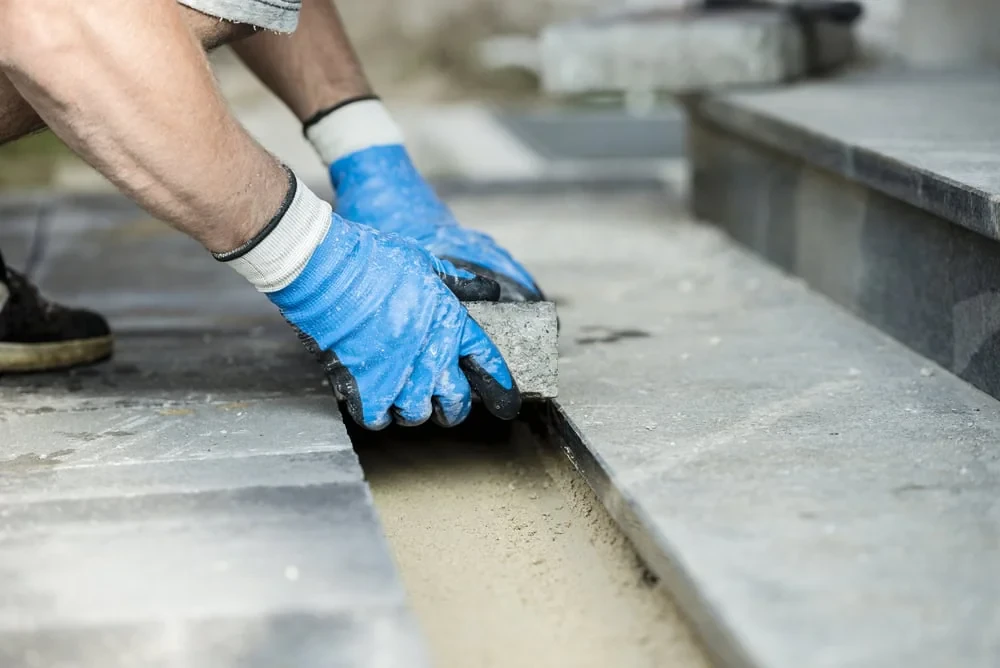
Leveling Sand Stone Stairs Mecklenburg County North Carolina_1

Professional Paver Installation Elizabeth

Your Property Gets the Upgrade It Deserves

You’re looking at cracked concrete or that tired old driveway thinking there has to be a better way. There is.

Properly installed pavers don’t just look better than concrete – they perform better. When one section needs repair, you replace individual pavers instead of jackhammering entire slabs. When water needs somewhere to go during those heavy Carolina storms, pavers allow drainage that prevents pooling and foundation issues.

Your property value increases. Your outdoor spaces become places you actually want to spend time. And you stop worrying about whether your driveway will embarrass you when guests come over.

Elizabeth NC Hardscape Contractors

We Know Elizabeth's Ground Conditions

Union Landscaping and Hardscape S Corp has been handling paver installations throughout Elizabeth and the surrounding areas. We understand what happens when contractors skip proper base preparation in North Carolina’s clay soil.

You’ve probably seen those paver jobs that start shifting within two years. The ones where drainage becomes a nightmare and individual pavers start sinking. That happens when someone doesn’t account for our local soil conditions and seasonal ground movement.

We do the base work right because we’ve seen what happens when it’s done wrong.
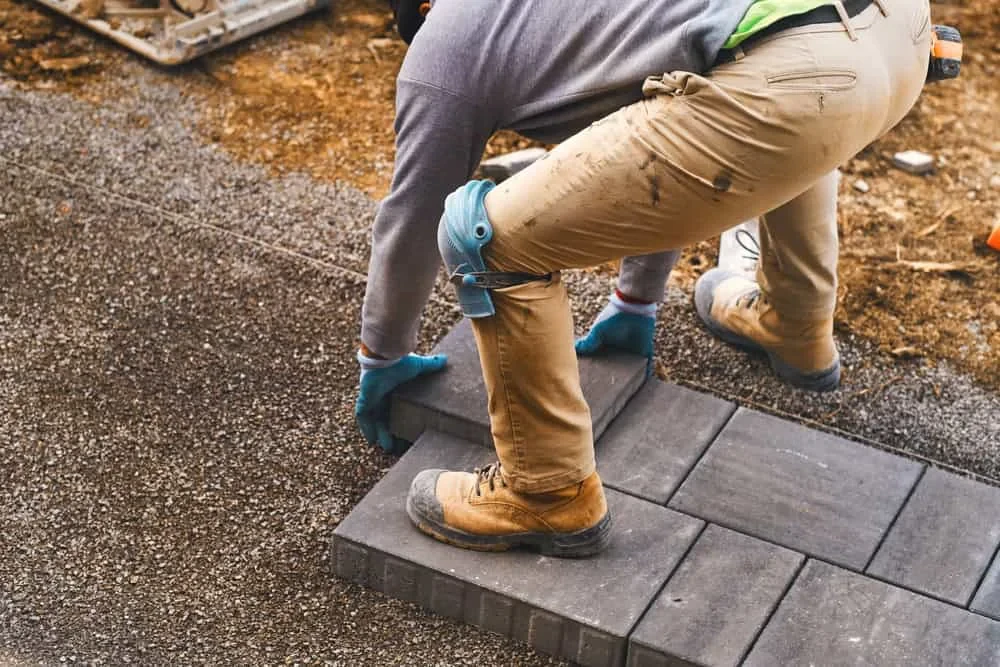
Landscaper Laying Gray Pavers Mecklenburg County North Carolina

Paver Installation Process Elizabeth

Here's How We Handle Your Project

First, we assess your space and discuss what you’re trying to accomplish. Driveway that needs to handle vehicle weight? Patio for entertaining? Walkway that connects different areas of your property? Each application has specific requirements.

Next comes excavation and base preparation. This is where most problems start if it’s done incorrectly. We excavate to proper depth, install appropriate base materials, and ensure proper compaction and grading for drainage. No shortcuts.

Then we install your pavers according to manufacturer specifications, ensuring proper joint spacing and edge restraints. Finally, we sweep in joint sand and compact everything to create a unified, stable surface that will perform for decades.
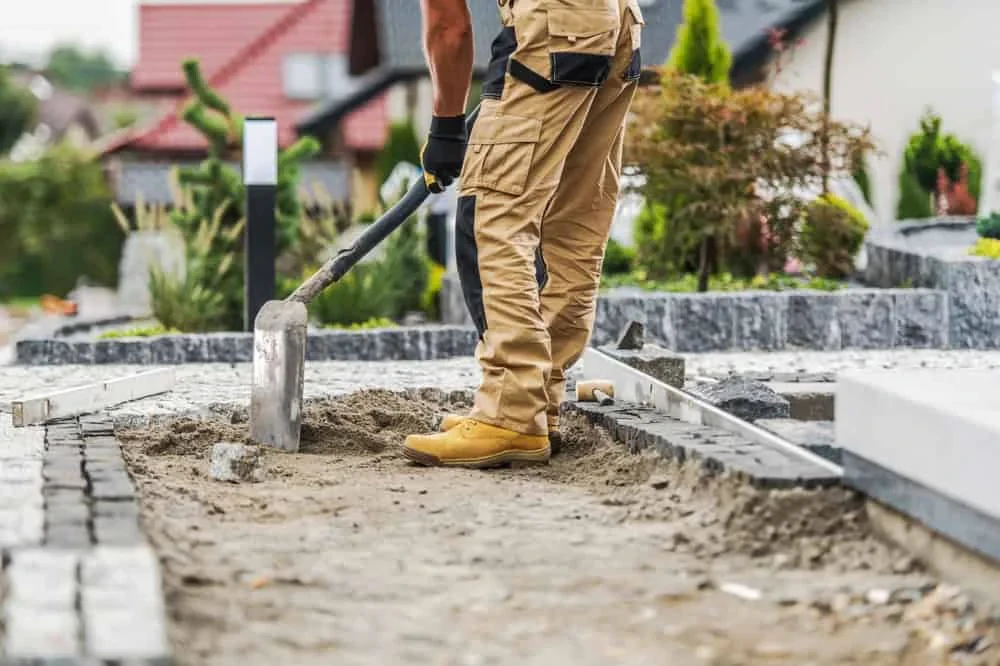
Landscaper Shoveling Foundation Mecklenburg County North Carolina_1

Ready to get started?

Explore More Services

About Union Landscaping and Hardscape

Get a Free Consultation

Residential Commercial Paver Services

What's Included in Every Installation

Every paver installation includes proper excavation, base preparation with appropriate materials for your soil conditions, and professional-grade edge restraints that prevent spreading over time.

We handle residential paver driveways, patios, walkways, and pool decks. For commercial properties, we install parking areas, pedestrian walkways, and outdoor dining spaces that meet ADA requirements when needed.

You get material consultation to help choose pavers that match your aesthetic goals and performance requirements. We work with concrete pavers, natural stone, and brick depending on your project needs and budget considerations.
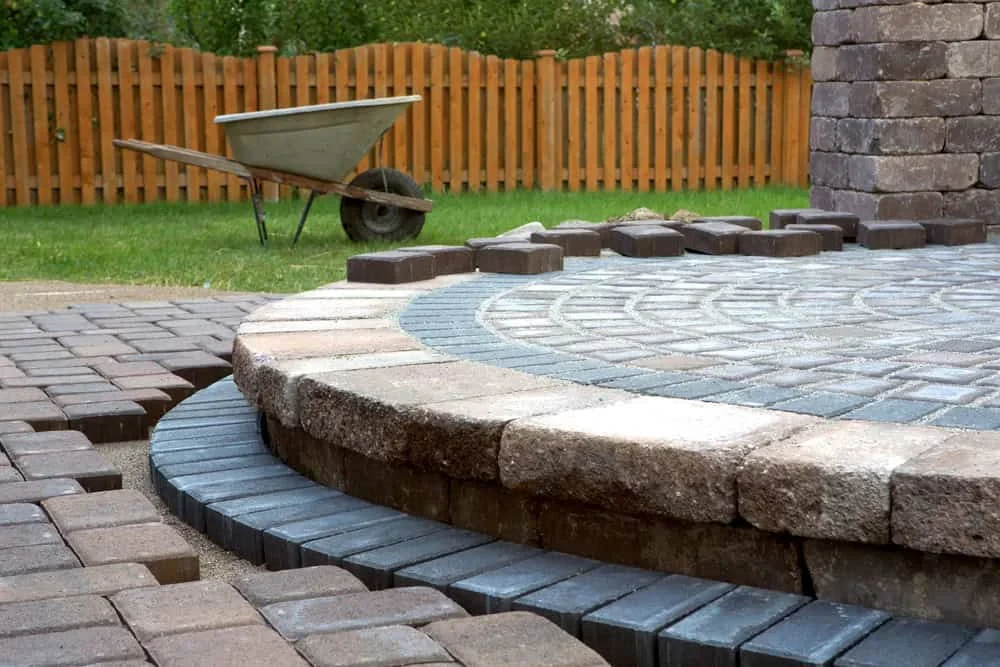
Stone Patio Under Construction Mecklenburg County North Carolina

How long does a typical paver installation take to complete?

Most residential paver projects take 3-7 days depending on size and complexity. A standard driveway usually takes 3-4 days, while larger patios or complex designs with curves and patterns may take a full week. Weather can extend timelines since we can’t compact base materials or install pavers during heavy rain. We’ll give you a realistic timeline upfront and keep you updated if conditions require adjustments.
Pavers offer flexibility that concrete can’t match. When ground shifts – which happens regularly in North Carolina’s clay soil – pavers move slightly and settle back into place. Concrete cracks. If you need to access utilities under pavers, we can remove and reinstall sections. Try that with concrete. Pavers also provide better drainage, more design options, and easier repairs. Individual damaged pavers get replaced rather than replacing entire sections.
Yes, when installed correctly. Clay soil requires specific base preparation techniques to handle expansion and contraction during wet and dry seasons. We excavate deeper than standard recommendations, install proper drainage layers, and use base materials that accommodate ground movement. The key is understanding local soil conditions and adjusting installation methods accordingly. Pavers actually perform better than concrete in clay soil because they can flex with ground movement.
Costs vary based on paver type, project size, site conditions, and design complexity. Basic concrete pavers for simple layouts cost less than natural stone with intricate patterns. Difficult access, significant grading requirements, or poor existing drainage add to project costs. We provide detailed estimates that break down materials, labor, and any site-specific requirements so you understand exactly what you’re paying for and why.
Properly installed pavers require minimal maintenance. Occasional power washing keeps them looking clean. Joint sand may need replenishment every few years, especially in high-traffic areas. Sealing is optional – it enhances color and provides some stain protection but isn’t necessary for structural integrity. If individual pavers get damaged or stained beyond cleaning, they can be replaced without affecting surrounding areas. Much easier than maintaining concrete or asphalt.
Sometimes, but it depends on the existing concrete’s condition and drainage. If the concrete is level, structurally sound, and has proper drainage, we can install pavers over it using appropriate base methods. However, if the existing concrete has drainage issues, significant cracking, or isn’t level, removal usually makes more sense long-term. We’ll assess your specific situation and recommend the approach that gives you the best results for your investment.