
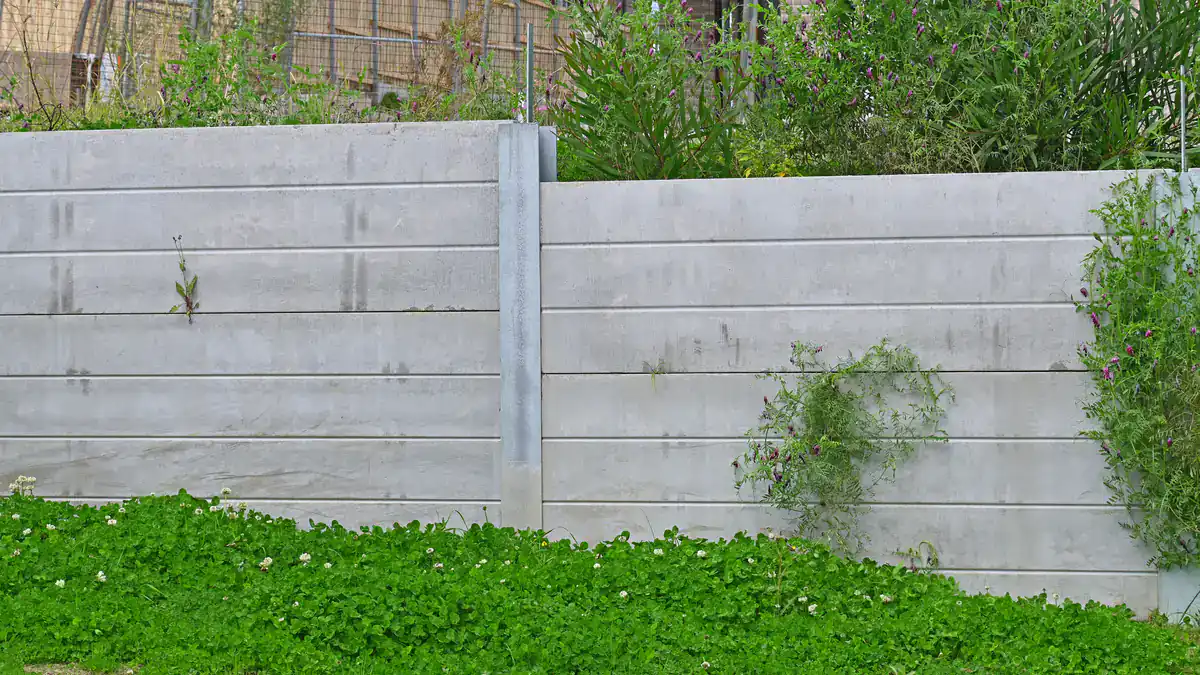
Your sloped yard isn’t just inconvenient. It’s costing you usable space, washing away expensive landscaping, and potentially threatening your foundation with runoff.
A properly installed retaining wall in Cotswold, NC changes that. You get level ground for a patio, garden beds that actually stay in place, and soil that stops sliding downhill every time it rains. The drainage system we build into every wall keeps water moving away from your foundation instead of pooling where it shouldn’t.
This isn’t just about holding back dirt. It’s about creating outdoor living spaces you can actually use. Terraced areas for entertaining. Garden beds that don’t erode. Walkways that make sense. And a yard that looks intentional instead of like you’re constantly fighting gravity.
Union Landscaping and Hardscape S Corp is based in Monroe and serves homeowners throughout Cotswold, NC who need real solutions for sloped properties. We’re a family-owned company that specializes in custom hardscape services, and we’ve built enough retaining walls in this area to know what works in North Carolina’s clay soil and heavy rain seasons.
Cotswold’s rolling terrain creates specific challenges. Properties here often have significant grade changes that limit how you can use your yard. We’ve worked on enough of these properties to understand what you’re dealing with before we even show up.
You’ll know what’s happening at every stage. We don’t disappear mid-project or leave you guessing about timelines. The work gets done when we say it will, and you stay informed the whole way through.
We start with a site visit to look at your slope, drainage patterns, and soil conditions. This tells us what type of retaining wall blocks work best and how deep the base needs to go. In Cotswold, NC, we’re usually dealing with clay-heavy soil that holds water, so drainage planning happens from day one.
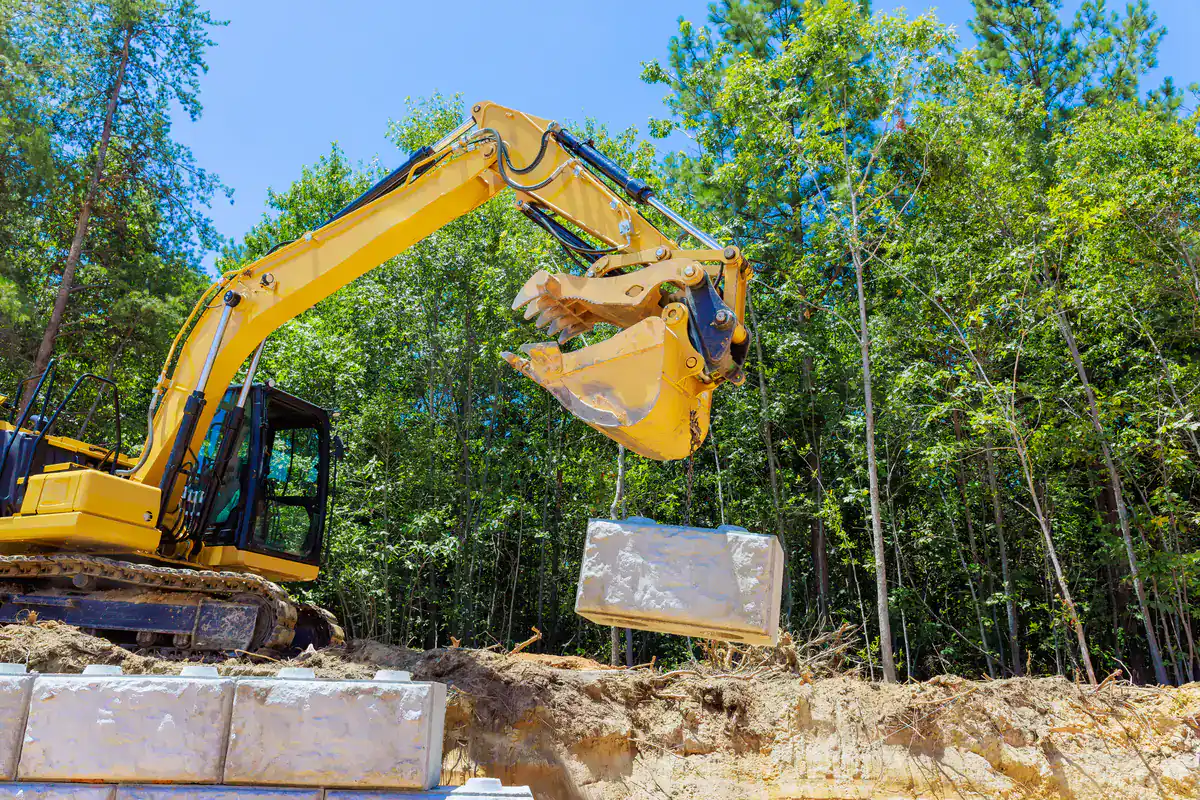
Next comes excavation and base prep. This is the part most DIY projects get wrong. The base has to be level, compacted, and deep enough to support the wall’s weight plus the soil pressure behind it. We’re typically going down 6-12 inches depending on wall height, then adding crushed stone that gets compacted in layers.
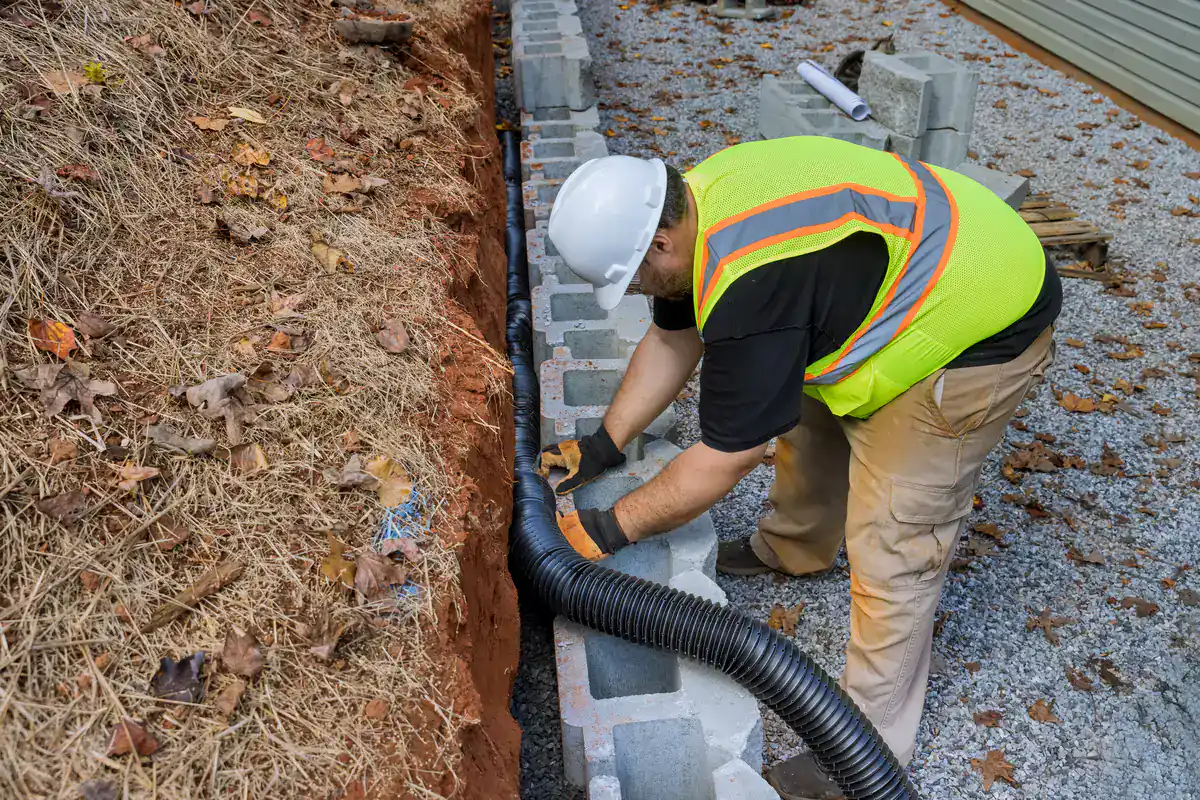
Then we install the concrete retaining wall blocks, row by row, with each course slightly set back for stability. As we build up, we’re also installing drainage pipe and gravel backfill behind the wall. This lets water escape instead of building pressure. The final step is backfilling, compacting, and capping the wall. What you end up with is a structure that’s engineered to last, not just stacked to look good for a season.
Ready to get started?
Every retaining wall installation in Cotswold, NC includes site assessment, proper excavation, engineered base preparation, and drainage system installation. You’re not just getting blocks stacked up. You’re getting a structure designed to handle soil pressure and water movement.
We use concrete retaining wall blocks rated for residential applications in North Carolina’s climate. These blocks are designed to handle freeze-thaw cycles, moisture, and the weight load they’ll be supporting. The drainage system includes perforated pipe, gravel backfill, and proper grading to move water away from both the wall and your foundation.
Cotswold’s terrain means most properties benefit from terraced retaining walls rather than one tall structure. This approach looks better, costs less, and creates multiple usable levels in your yard. We’ll walk you through what makes sense for your property specifically. If your slope is severe enough to require engineering stamps or permits, we’ll tell you upfront. Most residential projects under four feet don’t require permits in this area, but taller walls or those near property lines might.
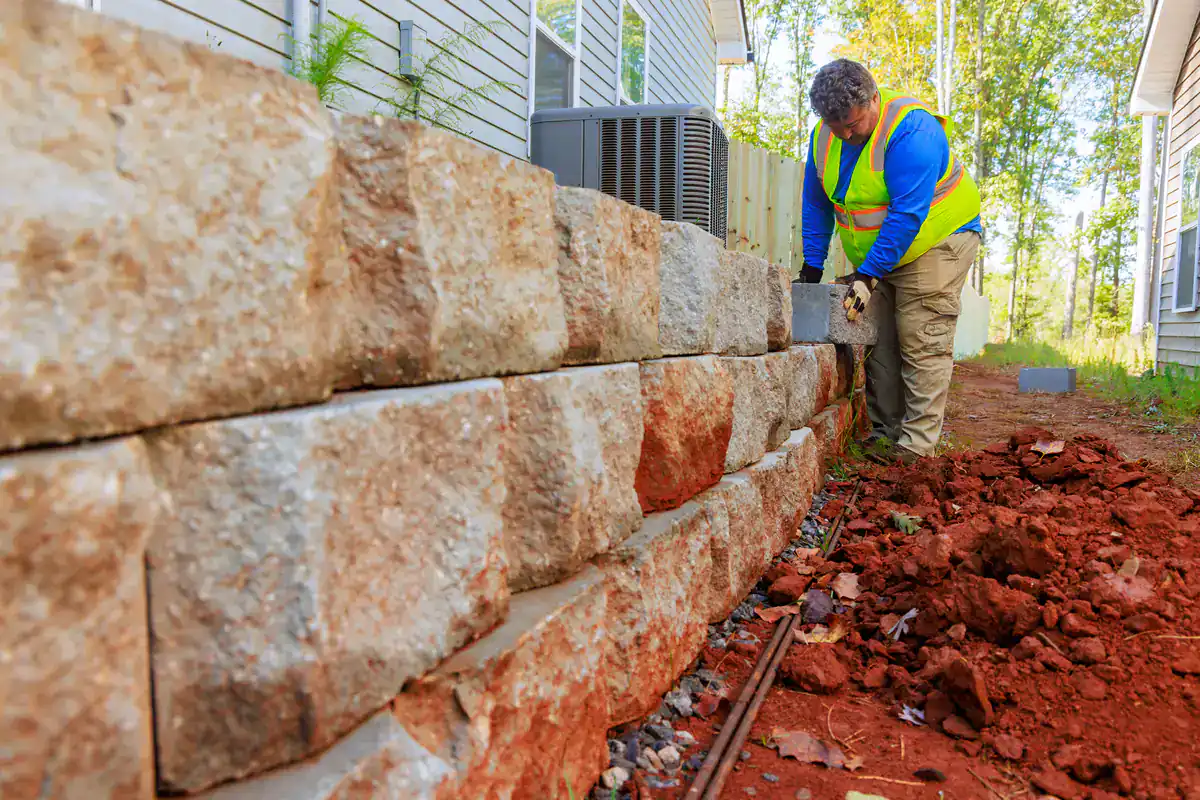
A properly built retaining wall using quality concrete blocks should last 40-60 years in Cotswold, NC. The lifespan depends on three things: base preparation, drainage installation, and block quality.
The base is critical. If it’s not deep enough or properly compacted, the wall will shift within a few years. In Cotswold’s clay soil, we go deeper than the standard recommendations because clay expands when wet and contracts when dry. That movement will crack a wall that’s sitting on an inadequate base.
Drainage is the other make-or-break factor. Water pressure behind a retaining wall is constant and significant. Without proper drainage, that pressure will eventually push the wall forward or cause it to lean. We install perforated drainage pipe and gravel backfill on every wall, regardless of height. This isn’t an optional upgrade. It’s how you build a wall that lasts decades instead of years.
Most retaining wall projects in Cotswold, NC run between $3,500 and $15,000 depending on height, length, site access, and block choice. A basic 3-foot wall with standard blocks costs significantly less than a 6-foot terraced system with premium stone veneer.
Height is the biggest cost factor because taller walls require deeper bases, more backfill, and sometimes engineering. A wall over four feet typically needs professional engineering in North Carolina, which adds to the cost but ensures the structure is safe and compliant.
Site access matters too. If we can get equipment to the work area, the job goes faster and costs less. If we’re hand-carrying blocks and materials to a backyard with no access, labor costs go up. Soil conditions also affect price. Rocky soil or areas with high water tables require more excavation work. We’ll give you a detailed estimate after seeing your property, so you know exactly what you’re paying for and why.
You can install a small retaining wall under two feet if you have the right tools and you’re comfortable with heavy physical work. Anything taller than that, you’re better off hiring professionals who know how to engineer the base and drainage correctly.
The problem with DIY retaining walls isn’t the block stacking. It’s the base preparation and drainage system that you can’t see once the wall is finished. If the base isn’t level and compacted properly, the wall will shift. If there’s no drainage system, water pressure will push the wall over. These failures don’t happen immediately. They show up two or three years later when fixing them costs more than hiring a pro would have cost in the first place.
Cotswold’s soil conditions make this even trickier. The clay content here means water doesn’t drain naturally, so you’re dealing with more pressure behind the wall than you would in sandy soil. Professional installation includes proper base depth, compacted gravel layers, drainage pipe, and backfill techniques that keep the wall stable long-term. For walls over three feet, this isn’t optional. It’s the difference between a structure that lasts and one that fails.
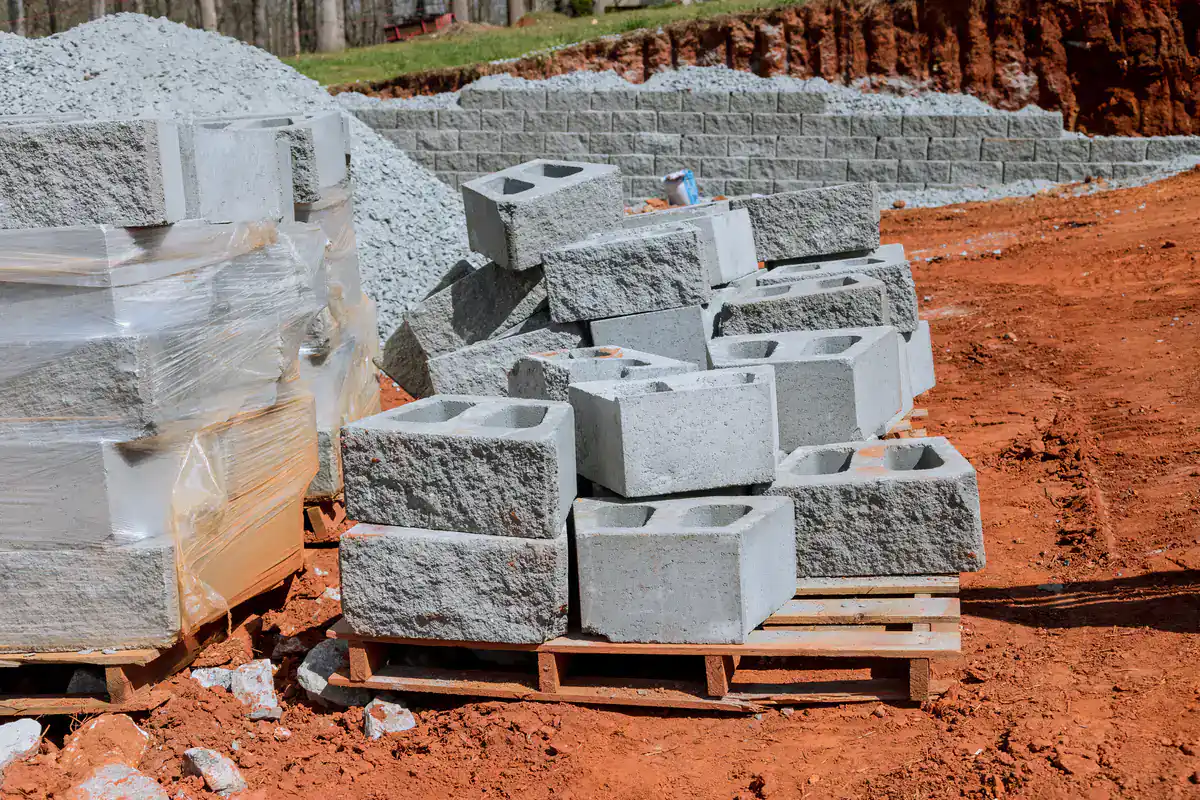
Concrete retaining wall blocks are the most reliable choice for Cotswold, NC because they handle moisture well, don’t shift like natural stone, and interlock for stability. Within that category, you’ve got standard blocks, textured blocks, and blocks with stone veneer facing.
Standard concrete blocks are the most affordable and perfectly functional. They’re engineered to interlock, they’re rated for the weight they’ll be holding, and they last for decades. Textured or stone-veneer blocks cost more but give you a more natural look if aesthetics matter for your property.
We don’t typically recommend wood retaining walls in this area. North Carolina’s humidity and rain accelerate wood rot, and you’re looking at replacement in 10-15 years instead of 40-50. Natural stacked stone looks great but costs significantly more and requires more skilled installation. For most residential applications in Cotswold, interlocking concrete blocks give you the best combination of durability, cost, and appearance. We’ll show you samples and explain the differences so you can make an informed choice based on your budget and how you want the finished wall to look.
Retaining walls need minimal maintenance if they’re built correctly, but you should check them annually for signs of movement or drainage issues. Look for cracks, leaning, or blocks that have shifted position. These are signs the drainage system isn’t working or the base is settling.
Keep the drainage outlets clear. The pipe we install behind your wall needs to drain freely. If leaves, mulch, or soil block the outlet, water backs up behind the wall and creates pressure. A quick check after heavy rains ensures water is flowing where it should.
Remove vegetation growing in or near the wall. Tree roots and large plants can push blocks apart over time. Small weeds aren’t a structural issue, but anything with a substantial root system should be removed before it causes problems. If you notice any settling, leaning, or cracking, call someone to assess it before it gets worse. Small issues are easy to fix. A collapsed wall requires rebuilding. Most professionally installed retaining walls in Cotswold, NC go decades without needing repairs, but catching small problems early keeps it that way.
A well-designed retaining wall typically adds value to Cotswold properties by creating usable outdoor space and solving drainage problems. Buyers pay more for functional yards than sloped ones they’ll have to fix themselves.
The value increase depends on what the wall accomplishes. If it creates a level patio area, prevents erosion, or adds terraced garden beds, you’re making the property more appealing and functional. If it’s purely decorative or poorly placed, it might not add much value. Strategic hardscape services that solve real problems and enhance outdoor living spaces tend to return 50-80% of their cost in resale value.
In Cotswold’s competitive real estate market, homes with finished outdoor spaces sell faster than those with sloped, unusable yards. A retaining wall that creates a defined entertainment area or protects the foundation from water damage is a selling point, not just a landscaping feature. The key is making sure the installation looks professional and serves a clear purpose. A poorly built wall that’s leaning or cracking will hurt your property value instead of helping it.
Other Services we provide in Cotswold