Paver Contractors in Cherry, NC

Pavers That Actually Last in Cherry

Professional installation, quality materials, and craftsmanship you can see from the street.
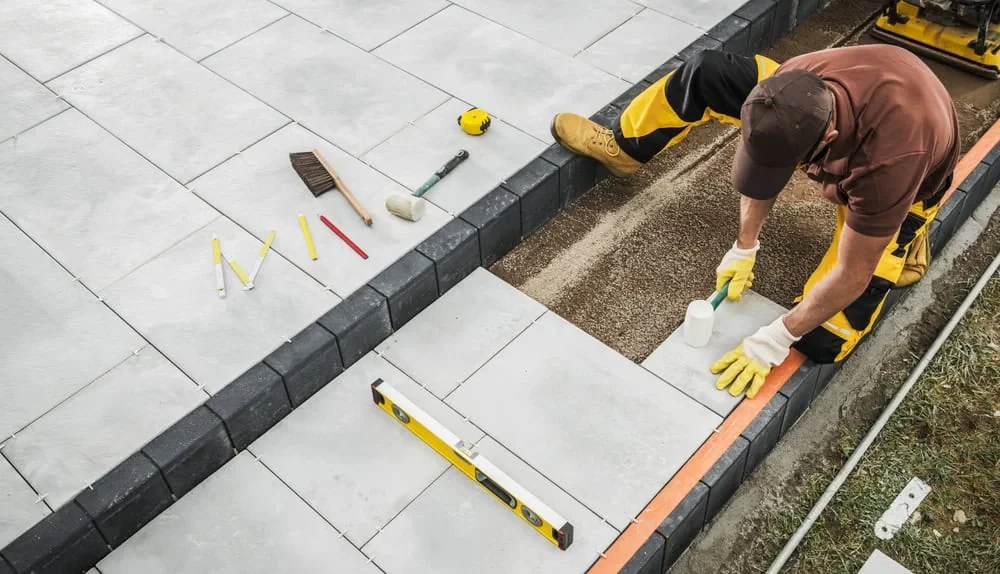
Landscaper Laying Concrete Slab Mecklenburg County North Carolina
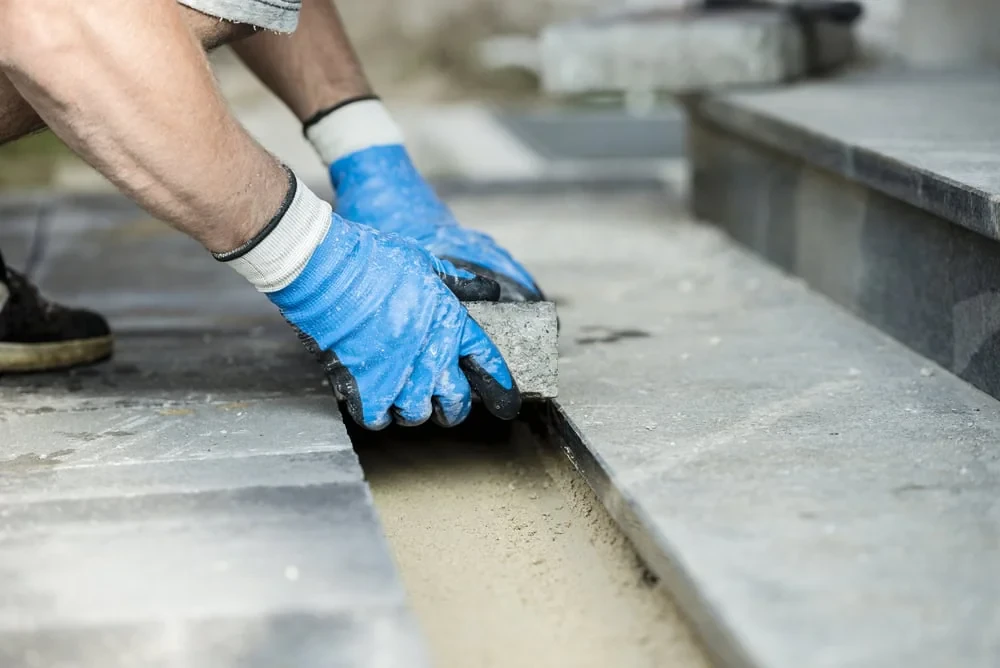
Leveling Sand Stone Stairs Mecklenburg County North Carolina_1

Professional Paver Installation Cherry

What You Get With Quality Pavers

Your driveway becomes the one neighbors notice. Not because it’s flashy, but because it looks right—clean lines, level surface, no settling or cracking like you see with cheaper installations.

You stop worrying about water pooling near your foundation. Proper paver installation includes drainage solutions that direct water where it should go, protecting your property investment.

Your outdoor spaces actually get used. A well-designed patio or walkway changes how you think about your yard. It becomes functional space, not just something to mow around.

Cherry NC Hardscape Contractors

We Know Cherry's Ground Conditions

Union Landscaping and Hardscape S Corp has been handling paver installations in Cherry and the surrounding areas for years. We understand how North Carolina’s clay soil behaves and what it takes to build a base that won’t shift or settle.

You’re not getting a crew that learned their trade in a different climate with different soil conditions. We’ve dealt with Cherry’s specific challenges—from drainage issues to soil composition—enough times to know what works and what doesn’t.

Our installations are built to handle everything from summer thunderstorms to winter freeze-thaw cycles. That’s not marketing speak. That’s just what happens when you use the right materials and follow proper installation procedures.
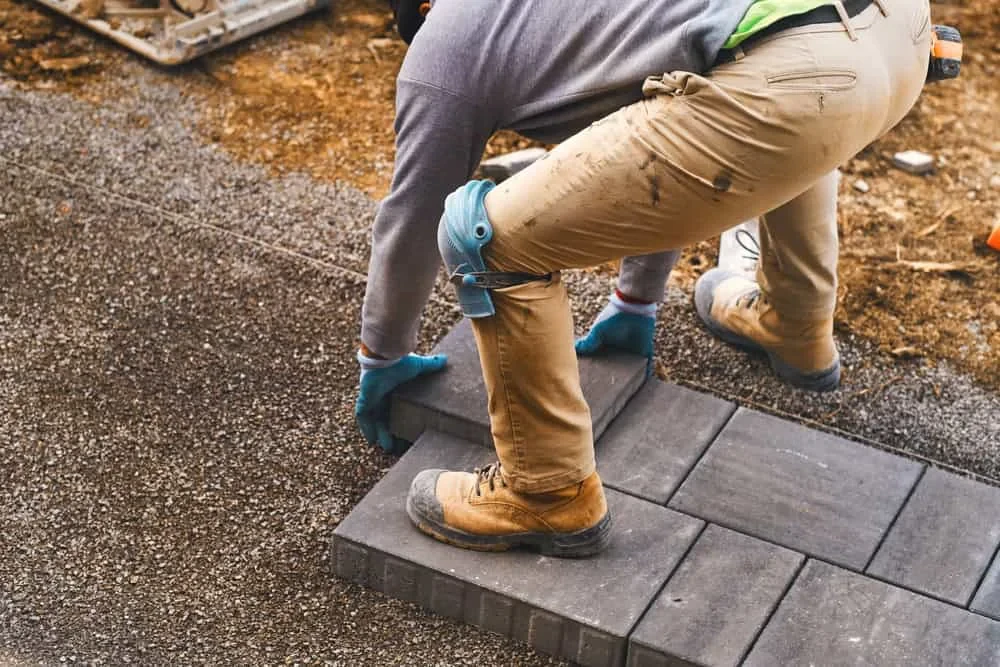
Landscaper Laying Gray Pavers Mecklenburg County North Carolina

Paver Installation Process Cherry

How We Install Pavers Right

First, we excavate to the proper depth and grade for drainage. This isn’t just digging a hole—we’re creating a foundation that will support the weight and channel water away from your property.

Next comes base preparation with the right materials compacted to the right density. This step determines whether your pavers will still look good in ten years or start settling and creating uneven surfaces.

We install edge restraints to keep everything in place, then lay pavers according to your chosen pattern. Each paver gets set level and properly spaced. Finally, we sweep in joint sand and compact everything to lock the installation together.

The whole process typically takes a few days to a week, depending on the size and complexity of your project. You’ll know exactly what to expect before we start.
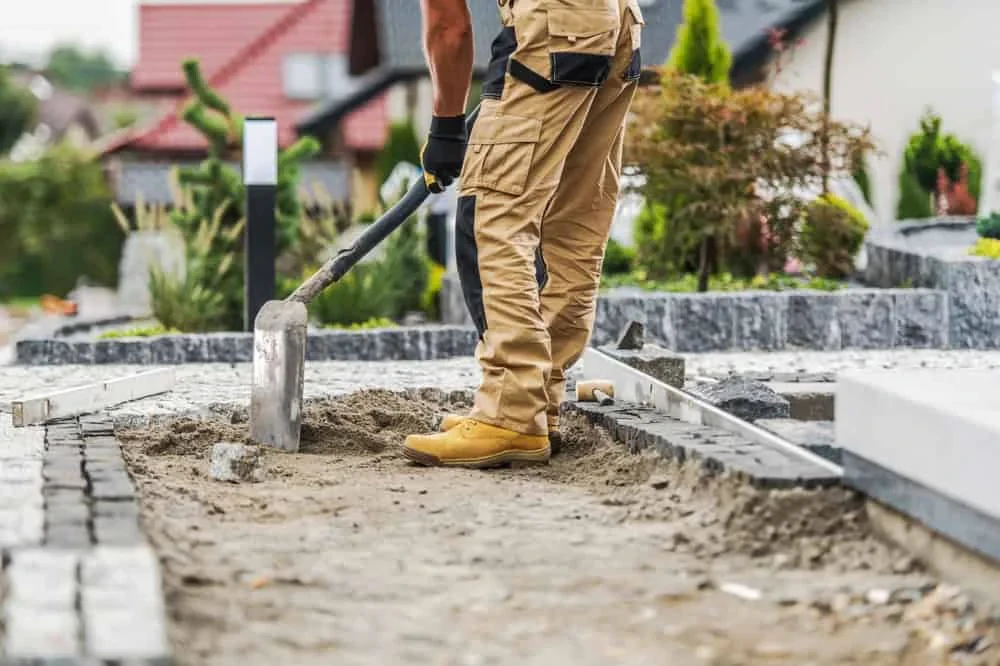
Landscaper Shoveling Foundation Mecklenburg County North Carolina_1

Ready to get started?

Explore More Services

About Union Landscaping and Hardscape

Get a Free Consultation

Residential Commercial Paver Contractors

What's Included in Your Installation

Every paver installation includes proper excavation, base preparation, and drainage solutions designed for your specific site conditions. We don’t cut corners on the foundation work because that’s what determines how long your pavers will look good.

You get professional-grade materials—from the base stone to the pavers themselves. We work with suppliers who understand what performs well in North Carolina’s climate, not whoever has the cheapest price that week.

Our installations include edge restraints, proper joint sand, and final compaction. These aren’t extras—they’re essential parts of a paver installation that will perform as expected. We also handle any necessary permits and ensure the work meets local building codes.
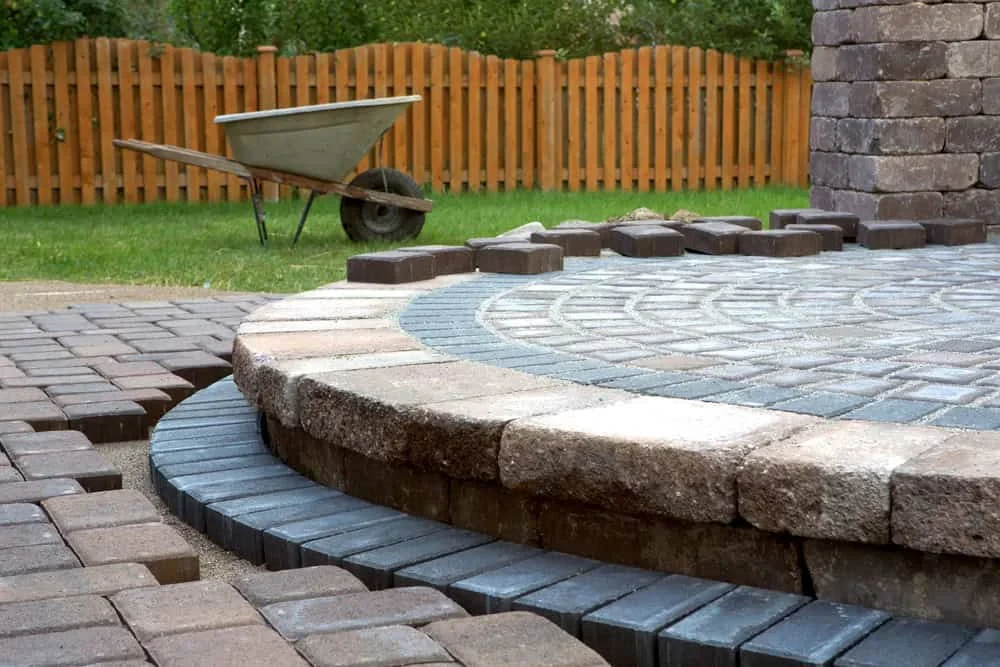
Stone Patio Under Construction Mecklenburg County North Carolina

How long do professionally installed pavers last in North Carolina?

Properly installed pavers typically last 25-30 years or more in North Carolina’s climate. The key is proper base preparation and drainage—two areas where many contractors cut corners. When pavers fail early, it’s usually because the foundation wasn’t built right, not because the pavers themselves wore out. Quality installation with proper materials can handle our freeze-thaw cycles, heavy rains, and clay soil conditions without issues.
Pavers offer several advantages over stamped concrete, especially in our area. Individual pavers can be replaced if damaged, while concrete cracks require more extensive repairs. Pavers also handle ground movement better—important with our clay soil that expands and contracts. They provide better traction when wet and don’t show tire marks like concrete can. The main trade-off is cost—quality paver installation typically costs more upfront but often proves more economical long-term due to lower maintenance needs.
Proper drainage starts with correct grading during excavation. We slope the base to direct water away from structures and toward appropriate drainage areas. Pavers themselves are permeable at the joints, allowing some water infiltration, but we don’t rely on that alone. For areas with significant drainage challenges, we may recommend additional solutions like French drains or catch basins. The goal is ensuring water goes where it should without undermining the paver base or causing problems elsewhere on your property.
Sometimes, but it depends on the condition of the existing concrete and site drainage. The concrete needs to be structurally sound, properly sloped for drainage, and at an appropriate height relative to surrounding areas. Installing over concrete eliminates some of the drainage benefits of a properly prepared base. In many cases, removing the old concrete and starting fresh provides better long-term results, even though it costs more initially. We evaluate each situation individually to recommend the best approach.
Pavers are relatively low maintenance, but they’re not no maintenance. You’ll need to sweep sand back into joints occasionally, especially after heavy rains. Weeds can grow in joints if you don’t maintain the sand, though proper joint sand and sealing help minimize this. Most pavers benefit from cleaning and sealing every few years to maintain their appearance and make cleaning easier. Individual pavers can be replaced if they get stained or damaged, which is much simpler than repairing concrete or asphalt.
Paver installation costs vary significantly based on materials chosen, site conditions, and project complexity. Basic concrete pavers for a simple patio might run $12-15 per square foot installed, while premium natural stone for a complex driveway could reach $25-30 per square foot. Factors affecting cost include excavation requirements, drainage needs, access to the work area, and paver selection. We provide detailed estimates that break down material and labor costs so you understand exactly what you’re paying for and why.