
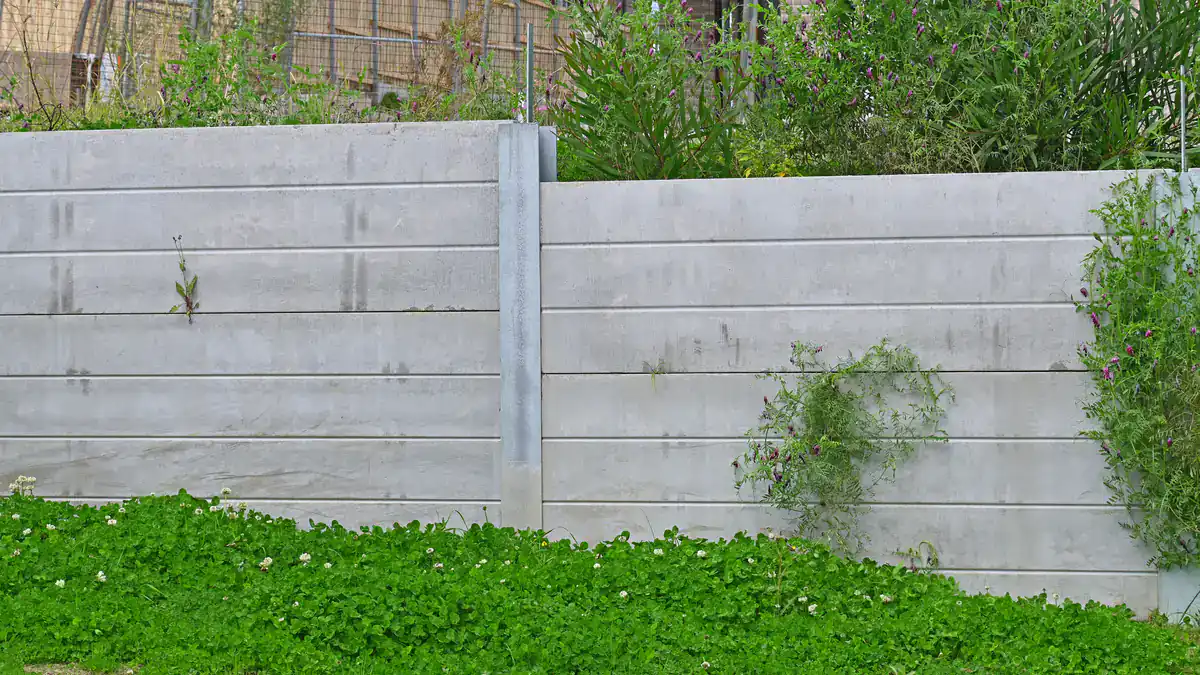
Your yard stops washing away when it rains. That’s the first thing you’ll notice.
Charlotte’s clay soil and heavy rainfall create real problems. Water cuts through slopes, plants disappear, and you’re left with gullies and bare patches. A retaining wall holds that soil in place and redirects water where it needs to go.
But it’s not just about stopping erosion. You get flat, usable space where there wasn’t any before. That steep section of your yard becomes a patio area, a garden bed, or just somewhere you can walk without sliding. The wall does the heavy lifting so your property works better.
And if you’re dealing with water pooling near your foundation or driveway sections sinking because soil washed out underneath, a retaining wall fixes that too. It’s not decorative. It’s structural. It solves problems that cost you time and money if you ignore them.
Union Landscaping and Hardscape S Corp is a family-owned company based in Monroe, North Carolina. We handle the full scope of hardscape services in Charlotte, NC and surrounding areas like Matthews, Waxhaw, Concord, and Indian Trail.
We’re not just a retaining wall company. We do sod, trees, patios, fire pits, pergolas. But we know how to build walls that last because we understand what Charlotte’s soil and weather do to a structure over time.
You’re not getting a crew that shows up, stacks some blocks, and leaves. You’re getting people who know that clay soil moves, that drainage matters more here than most places, and that a wall over four feet needs an engineer’s stamp to meet North Carolina building codes. We handle that. We keep you in the loop. And we finish on schedule.
First, we come out and look at your property. We’re checking the slope, the soil, where water runs when it rains, and what you’re trying to accomplish. If the wall’s going to be over four feet, we bring in a licensed civil engineer to make sure it meets code.
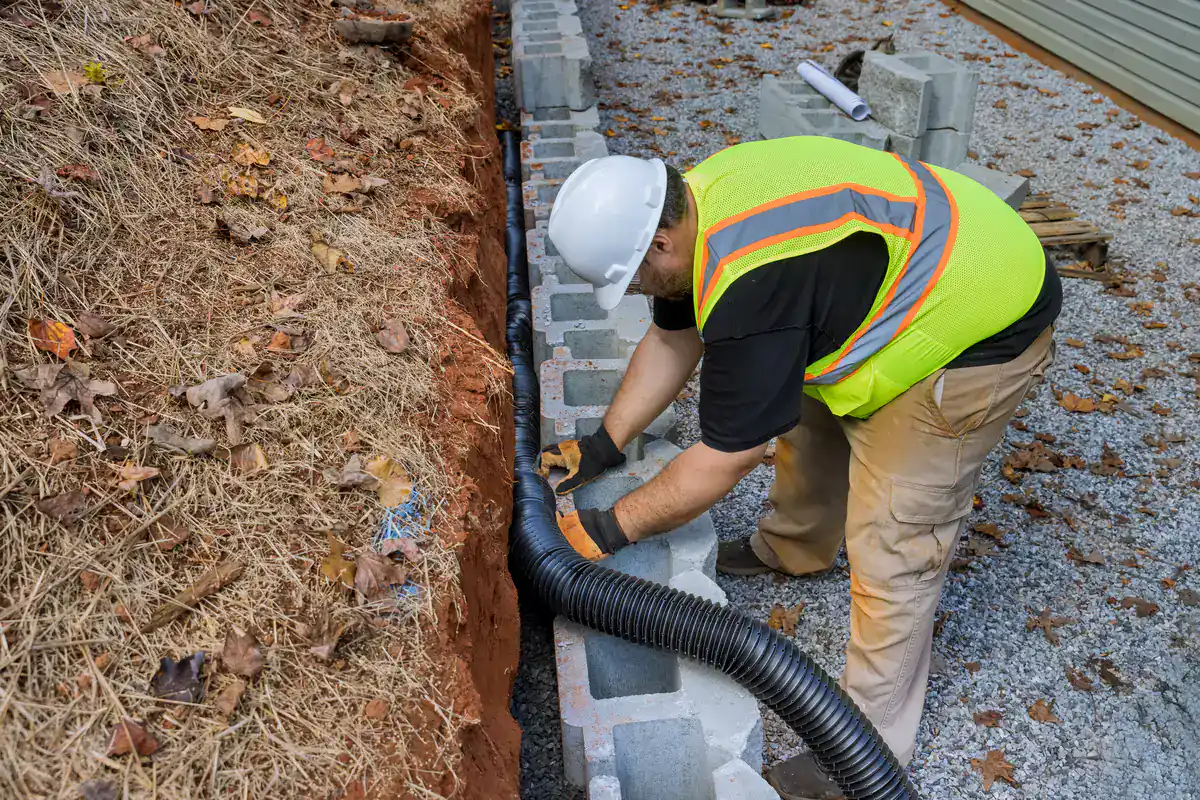
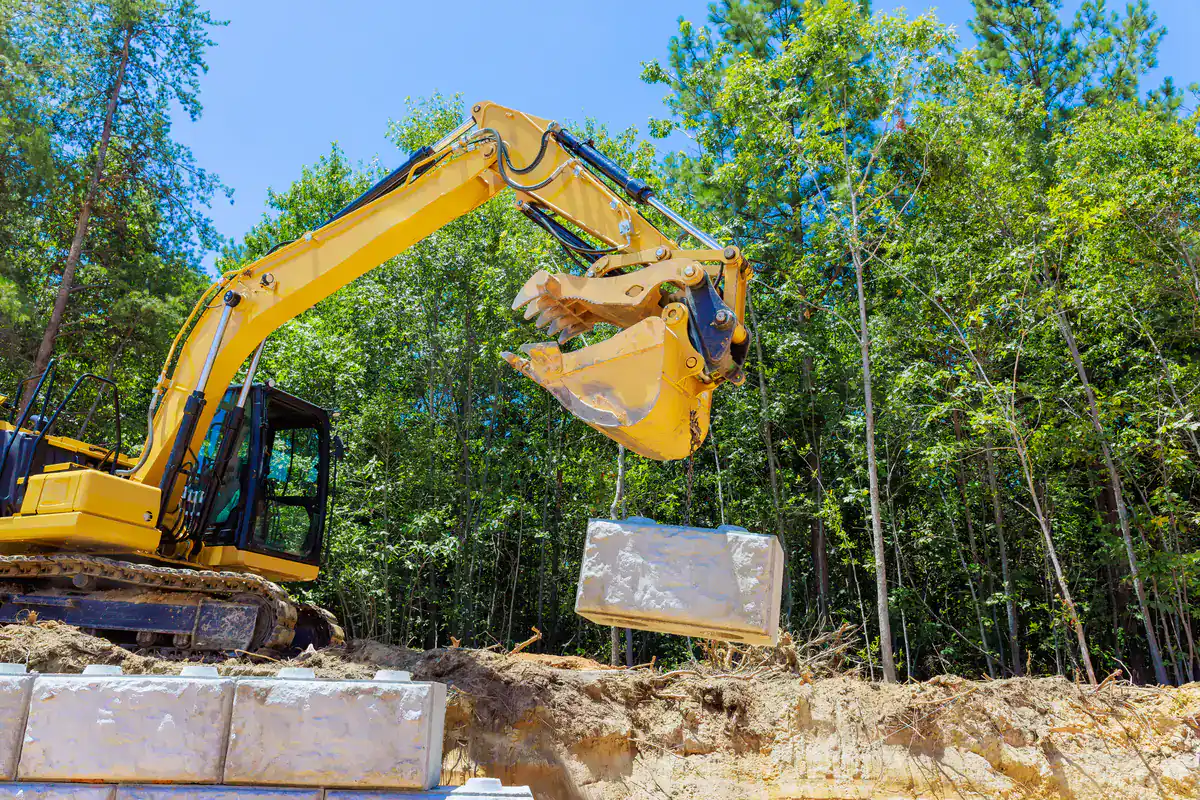
Once we’ve got a plan, we start with excavation. The foundation has to be solid or nothing else matters. We dig down, compact the base, and make sure it’s level. Then we install drainage behind the wall because water pressure is what causes most failures. Gravel, perforated pipe, proper backfill—it all has to be done right.
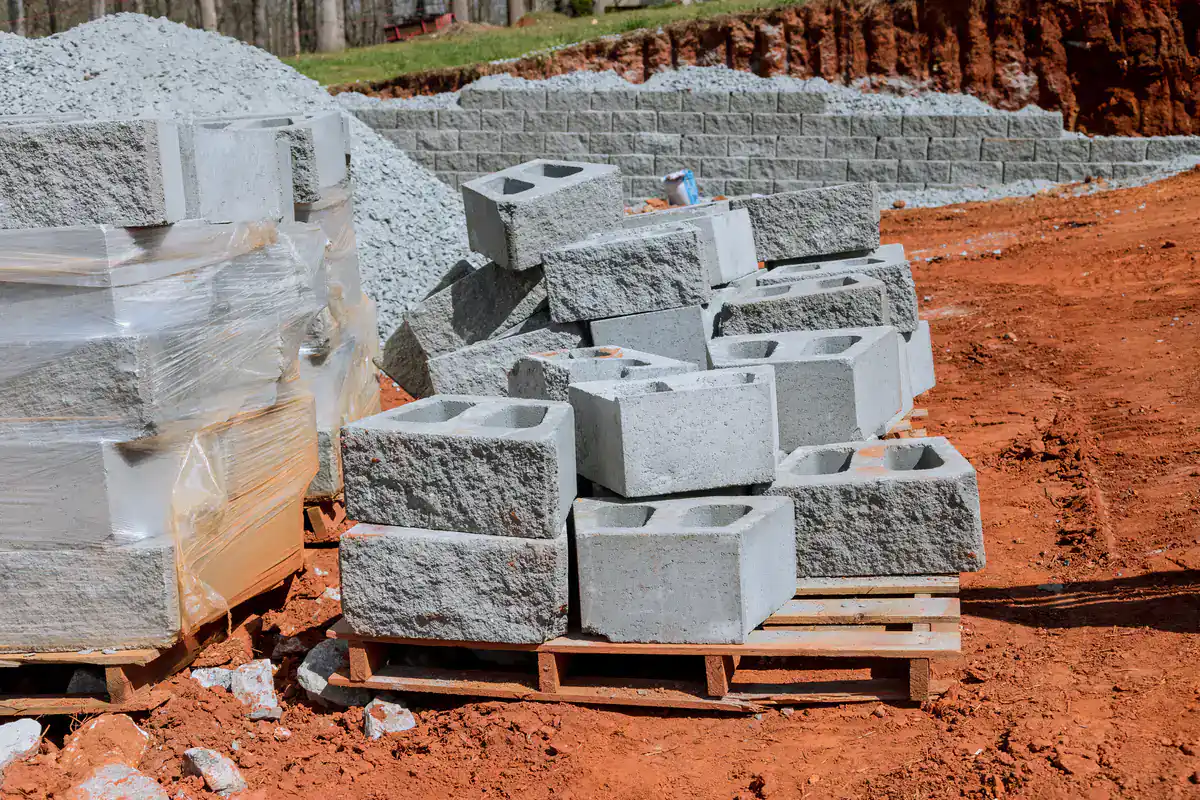
After that, we build the wall itself. We use retaining wall blocks in Charlotte, NC that are designed for this climate—concrete retaining wall blocks, natural stone, or timber depending on what fits your budget and the look you want. Each course gets leveled and locked in. No shortcuts.
Finally, we backfill, compact again, and clean up the site. You’re left with a wall that does its job and looks like it belongs there.
Ready to get started?
You’re getting a wall that’s engineered for Charlotte’s conditions. That means it accounts for clay soil movement, handles the rainfall we get year-round, and includes drainage that actually works.
We’re using materials that last. Concrete retaining wall blocks can go 100 years if they’re installed correctly. Natural stone gives you that timeless look and holds up just as long. Even timber, which is the most budget-friendly option, will give you decades if the foundation and drainage are right.
Charlotte’s terrain isn’t flat. Neighborhoods like Ballantyne, Myers Park, and Weddington have hills and slopes that make outdoor living spaces in Charlotte, NC hard to use without some kind of retention wall. We’ve worked in all of them. We know where the soil gets tricky, where water tends to pool, and how to design a block wall retaining wall in Charlotte, NC that fits the land instead of fighting it.
You’re also getting transparency. We tell you upfront what the project involves, how long it takes, and what it costs. Most contractors in Charlotte have a $2,500 minimum, and costs run between $40 and $50 per square foot depending on materials and site conditions. We don’t hide that. We explain it.
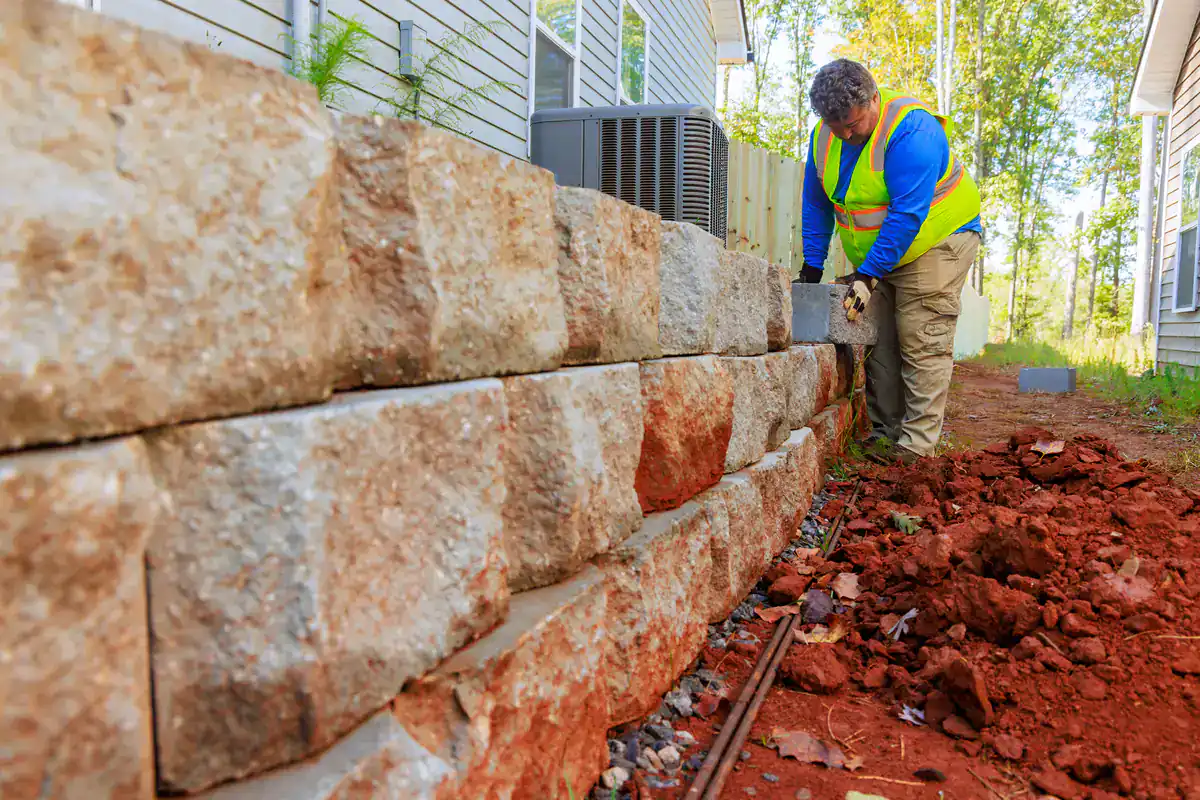
It depends on the material and how well it’s built, but you’re looking at 50 to 100 years for most walls.
Concrete retaining wall blocks in Charlotte, NC are the most durable option. They handle freeze-thaw cycles, water exposure, and soil movement without breaking down. If the foundation is solid and the drainage is done right, a concrete block wall can easily hit the century mark.
Natural stone is just as long-lasting, and it ages well. Timber is closer to 20 to 50 years depending on the wood type and how much moisture it’s exposed to. But even timber will last if you’re not cutting corners on installation.
The real variable is drainage. If water builds up behind the wall, it doesn’t matter what material you used. Pressure will crack it, shift it, or push it over. That’s why we install perforated pipe and gravel backfill on every job. It’s not optional.
Most likely, yes—especially if the wall is over three feet tall.
Charlotte and the surrounding areas in Mecklenburg County require building permits for retaining walls that exceed certain heights. The threshold is usually three feet, but it can vary depending on where you live and whether the wall is supporting a load like a driveway or patio.
If your wall is going to be over four feet, North Carolina building codes require a licensed civil engineer to review and stamp the design. We work with engineers regularly, so that’s not something you have to figure out on your own. We handle it.
Skipping the permit isn’t worth it. If the wall fails or you go to sell your house and it wasn’t built to code, you’re looking at expensive fixes and potential liability. We pull permits, we follow code, and we make sure everything is documented properly.
It depends on your budget, the height of the wall, and the look you want—but concrete blocks are usually the best all-around choice.
Concrete retaining wall blocks in Charlotte, NC are durable, cost-effective, and they come in styles that range from clean and modern to textured and natural-looking. They’re also modular, which makes installation faster and more precise. For most residential projects, they’re the sweet spot.
Natural stone is the premium option. It looks incredible, it lasts forever, and it blends into the landscape in a way that manufactured materials can’t match. But it costs more and takes longer to install because every stone is different.
Timber is the budget-friendly option. It works well for shorter walls and gives you that traditional, rustic look. It won’t last as long as stone or concrete, but if you’re working with a tight budget and the wall is under four feet, timber gets the job done.
We’ll walk you through the options based on what your property needs and what you’re comfortable spending. There’s no one-size-fits-all answer, but there is a right answer for your situation.
Most homeowners in Charlotte pay between $40 and $50 per square foot, with a typical project minimum of $2,500.
That range covers materials, labor, excavation, drainage installation, and site cleanup. If you’re using basic concrete blocks and the site is easy to access, you’ll be closer to the lower end. If you want natural stone, need engineering for a taller wall, or have a steep or hard-to-reach yard, the price goes up.
A small wall that’s 20 feet long and three feet tall might run you $3,000 to $4,000. A larger wall with multiple tiers, custom stone, and complex drainage could easily hit $10,000 or more. It’s not a one-size-fits-all number.
We give you a clear estimate upfront. No surprises, no hidden fees. You’ll know what you’re paying for and why. And if there’s a way to get you the result you need for less—like using a different material or adjusting the design slightly—we’ll tell you that too.
Yes, if it’s designed with drainage in mind from the start.
A retaining wall doesn’t just hold back soil. It redirects water. When we build a wall, we install drainage behind it—gravel backfill and perforated pipe that channels water away from the wall and down to a safe outlet. That keeps pressure off the structure and stops water from pooling where you don’t want it.
If you’ve got standing water in your yard after it rains, or if water is running toward your foundation, a retaining wall can be part of the solution. But it has to be done right. A wall without proper drainage will fail. It’ll crack, lean, or collapse because water pressure builds up behind it.
We’ve handled plenty of projects in Charlotte, NC where drainage was the main issue. Clay soil doesn’t absorb water well, so runoff is a constant problem. A well-built retention wall in Charlotte, NC with the right drainage setup solves that. You stop dealing with soggy spots, erosion, and water damage.
Most residential retaining walls take one to two weeks from start to finish, depending on size and complexity.
A simple wall that’s 20 to 30 feet long and under four feet tall can usually be done in a week. That includes excavation, foundation prep, wall construction, drainage installation, and cleanup.
Larger projects—especially ones that need engineered plans, multiple tiers, or difficult site access—can take two weeks or more. If we’re waiting on permits or dealing with weather delays, that adds time too.
We don’t rush. A retaining wall has to be built right or it won’t last. That means proper compaction, correct drainage, and making sure every course is level. We’d rather take an extra day and do it right than finish fast and leave you with a wall that fails in five years.
You’ll know the timeline before we start, and we’ll keep you updated if anything changes. We’re not the kind of crew that disappears for days and shows up whenever. We’re there, we’re working, and we finish when we say we will.
Other Services we provide in Charlotte