Paver Contractors in Barclay Downs, NC

Pavers That Actually Last in Charlotte Weather

Professional installation with proper drainage so your investment doesn’t crack, sink, or wash out.
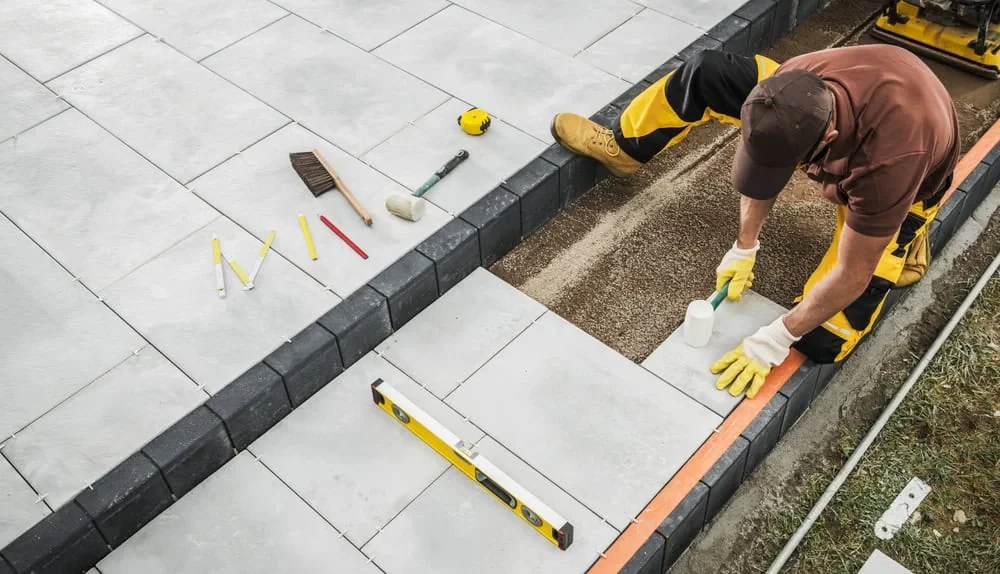
Landscaper Laying Concrete Slab Mecklenburg County North Carolina
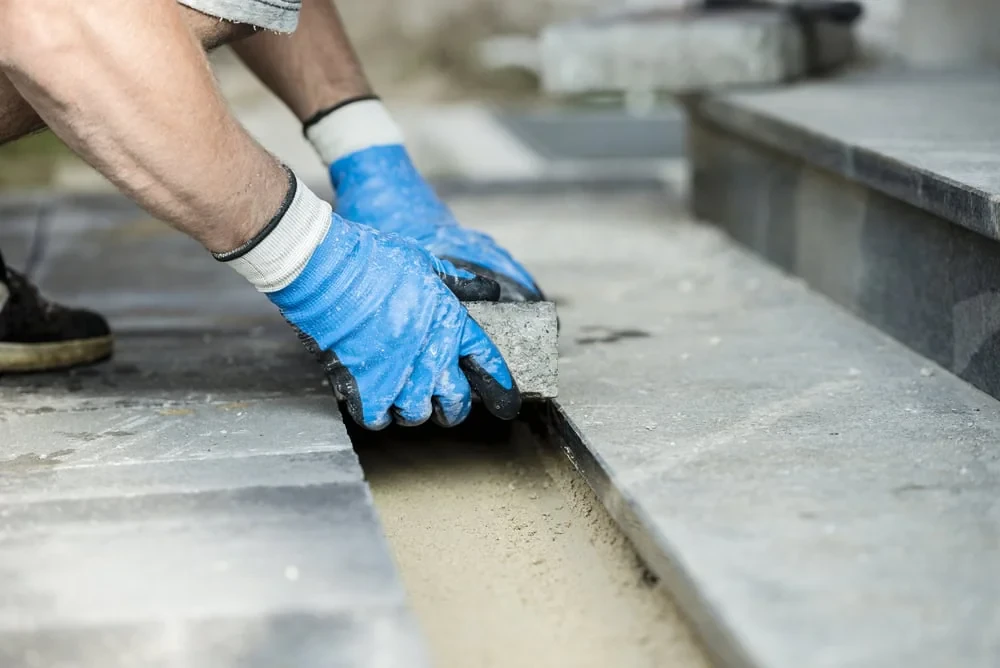
Leveling Sand Stone Stairs Mecklenburg County North Carolina_1

Professional Paver Installation Services

Outdoor Spaces You'll Actually Use

Your driveway won’t crack like concrete does when Charlotte’s clay soil shifts. Your patio won’t puddle after every storm because we build proper drainage from the start.

You get outdoor spaces that work in real weather conditions. Pavers that stay level, drain properly, and look good year after year. No more avoiding your backyard because it’s unusable half the time.

The right base preparation means your pavers stay put. The right materials mean they don’t fade or crack. The right installation means you’re not calling someone back in two years to fix what should have been done correctly the first time.

Barclay Downs Paver Specialists

We Know Charlotte's Soil Challenges

Union Landscaping and Hardscape S Corp has been handling Charlotte area paver installations for years. We understand how clay soil behaves and what it takes to build bases that won’t settle or shift.

We’re licensed, insured, and work with local suppliers who know which materials perform best in North Carolina weather. Our crews have installed pavers throughout Barclay Downs and surrounding Charlotte neighborhoods.

You’re not getting a fly-by-night operation. You’re getting contractors who live here, work here, and stand behind what we build.
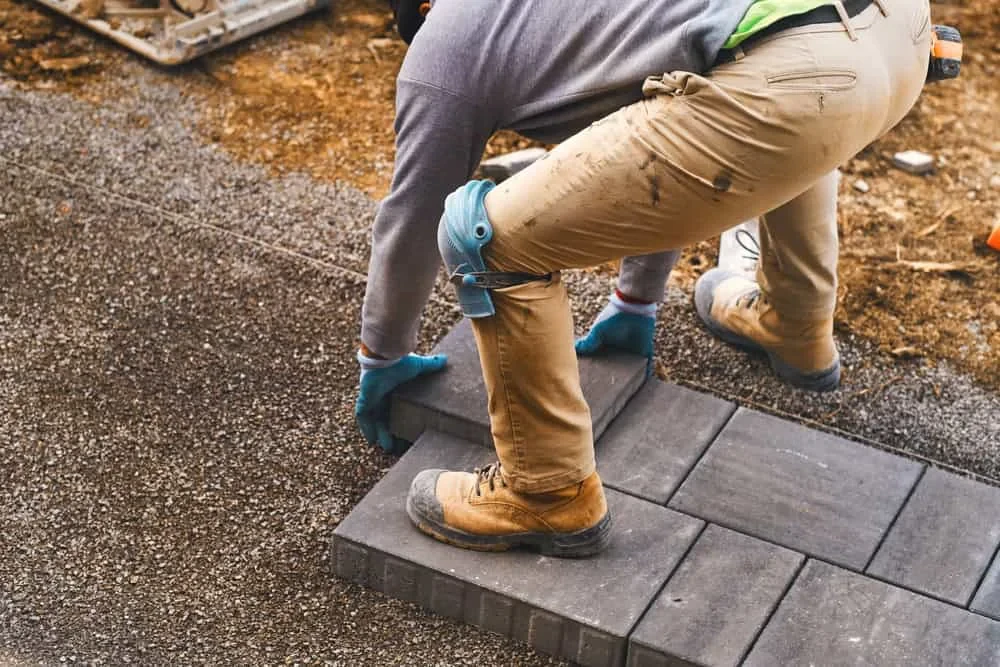
Landscaper Laying Gray Pavers Mecklenburg County North Carolina

Paver Installation Process

How We Install Pavers Right

First, we excavate to the proper depth based on your soil conditions and intended use. For driveways, that’s deeper than patios because of vehicle weight. We don’t cut corners on excavation because that’s where most paver failures start.

Next comes base preparation with the right materials compacted in lifts. This isn’t just dumping gravel and hoping for the best. Proper compaction at each layer prevents settling that causes uneven pavers later.

Then we install edge restraints, lay bedding sand, and set pavers with proper joint spacing. Final step is polymeric sand that locks everything together while still allowing for drainage. The whole process typically takes 3-5 days depending on project size.
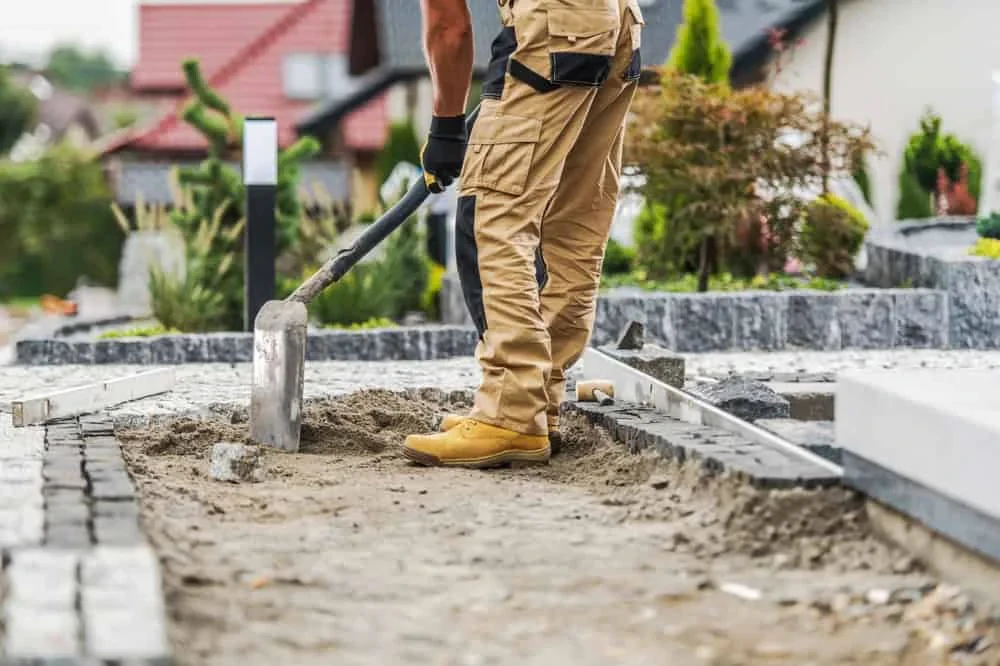
Landscaper Shoveling Foundation Mecklenburg County North Carolina_1

Ready to get started?

Explore More Services

About Union Landscaping and Hardscape

Get a Free Consultation

Residential and Commercial Pavers

What's Included in Every Project

Every paver installation includes proper excavation, base preparation, drainage solutions, and edge restraints. We handle permits when required and work around your schedule to minimize disruption.

You get material warranties from manufacturers plus our labor warranty. We source pavers from established suppliers with local inventory, so you’re not waiting months for materials or dealing with color variations from different production runs.

For Barclay Downs properties, we understand HOA requirements and architectural guidelines. We can work with your landscape architect or help you design something that complements your home’s style while meeting neighborhood standards.
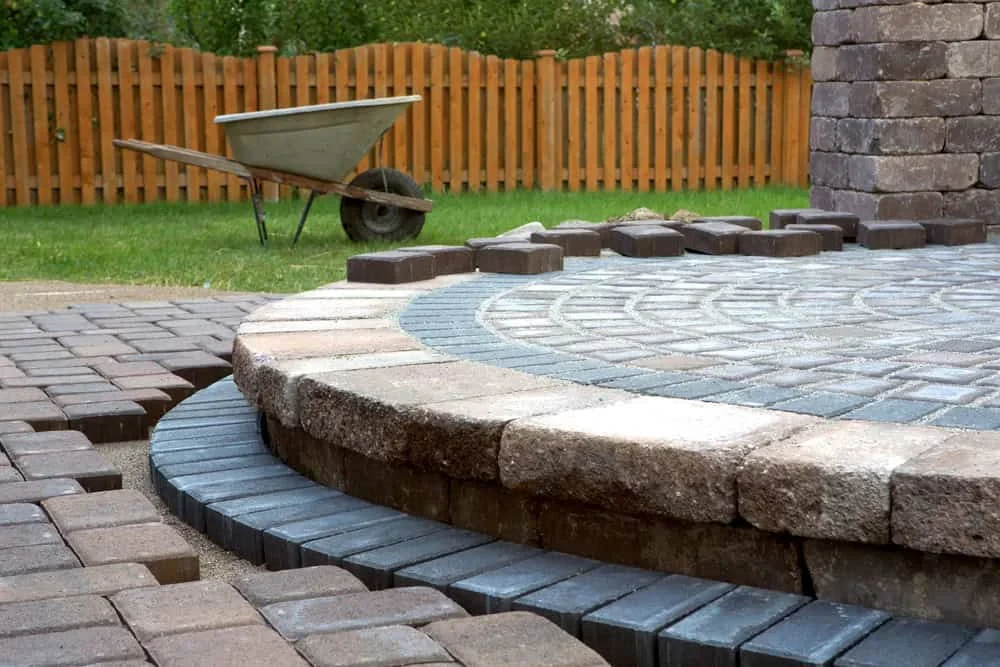
Stone Patio Under Construction Mecklenburg County North Carolina

How long do pavers last compared to concrete?

Properly installed pavers typically last 25-30 years or more, significantly longer than concrete in Charlotte’s climate. Concrete cracks when clay soil shifts, and those cracks are permanent. Individual pavers can shift slightly without cracking, and if one does get damaged, you replace just that paver instead of the entire surface. The key is proper base preparation – most paver failures happen because the base wasn’t built correctly, not because the pavers themselves failed.
Interlocking pavers have tabs and notches that fit together, creating a stronger surface that distributes weight better. Regular pavers rely on tight joints and edge restraints for stability. For driveways and high-traffic areas, interlocking pavers perform better because they move as one unit instead of individual pieces. Both types need proper installation, but interlocking pavers are more forgiving if the base settles slightly over time.
Drainage starts with proper grading during excavation. We slope the base away from structures and toward appropriate drainage areas. The paver joints allow water to infiltrate, but we also install drainage systems when needed. For areas with poor drainage or heavy clay soil, we might add French drains or adjust the base materials. Charlotte’s clay soil doesn’t drain well naturally, so we plan for water management from the beginning rather than trying to fix problems later.
It depends on the condition of the concrete and the application. If the concrete is level, structurally sound, and has proper drainage, pavers can sometimes be installed over it with the right preparation. However, if the concrete is cracked, settling, or has drainage issues, those problems will transfer to the pavers. In most cases, especially in Charlotte where concrete often cracks due to soil movement, it’s better to remove the concrete and start with a proper base.
Paver installation typically costs 20-40% more upfront than concrete, but the long-term value is better. Concrete replacement costs more than the original installation, while pavers rarely need complete replacement. Factor in Charlotte’s soil conditions that cause concrete to crack, and pavers often cost less over their lifetime. The exact cost depends on paver type, project complexity, and site conditions. We provide detailed estimates that break down materials, labor, and any additional work needed.
Pavers need occasional cleaning, joint sand replenishment every few years, and sealing if you want to maintain color vibrancy. Most maintenance is simple – sweep off debris, rinse with a hose, and add polymeric sand to joints as needed. Weeds can grow in joints if sand washes out, but proper installation and quality joint sand minimize this. Compared to concrete that needs crack repair, resurfacing, or complete replacement, paver maintenance is minimal and doesn’t require professional help for basic upkeep.