Ask a few landscapers what a project will cost and you’ll likely hear the same answer: it depends. That’s honest, but it only helps if you know what it depends on. At Union Landscaping & Hardscape, a family-owned company based in Monroe, NC, we’d rather explain the factors clearly so homeowners can plan with confidence.
This guide explains what landscaping actually covers, how different types of projects compare in cost, and which factors push a quote up or down. You’ll also find notes on what changes the picture for properties around Union County and Charlotte, where clay soil and drainage often shape the budget as much as the plants do. By the end, you’ll know which parts of your project are likely to carry the most cost and what questions to ask before you request an estimate.
Quick Answer
Landscaping is the work of shaping and improving outdoor space with lawn, plants, soil, structures, and water management. Its cost depends mainly on how much of the yard you’re changing, what you’re installing, the condition of the site, and the materials you choose. Simple projects like refreshing beds or replacing a lawn sit at the lower end. Projects that add patios, walls, grading, or drainage cost considerably more. The only reliable way to know your number is an on-site estimate.
Table of Contents
- What Is Landscaping, and How Much Does It Cost?
- How Costs Compare by Project Type
- What Drives the Price Up or Down
- One-Time Installation vs. Ongoing Maintenance
- Important Factors to Consider Before You Budget
- Landscaping Costs in Monroe, Charlotte & Union County
- Common Landscaping Budget Mistakes
- What to Expect When You Request an Estimate
- Frequently Asked Questions
What Is Landscaping, and How Much Does It Cost?
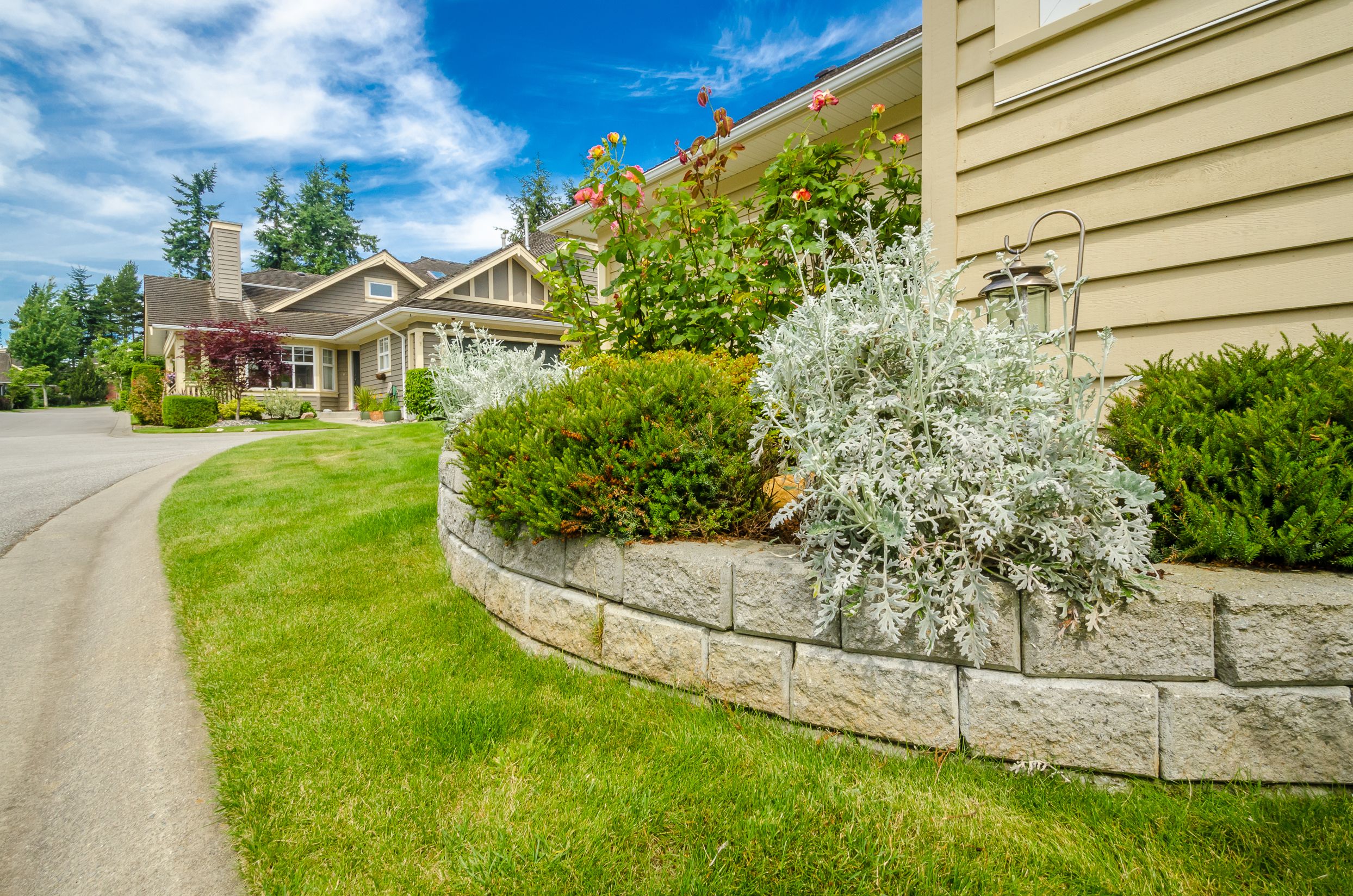
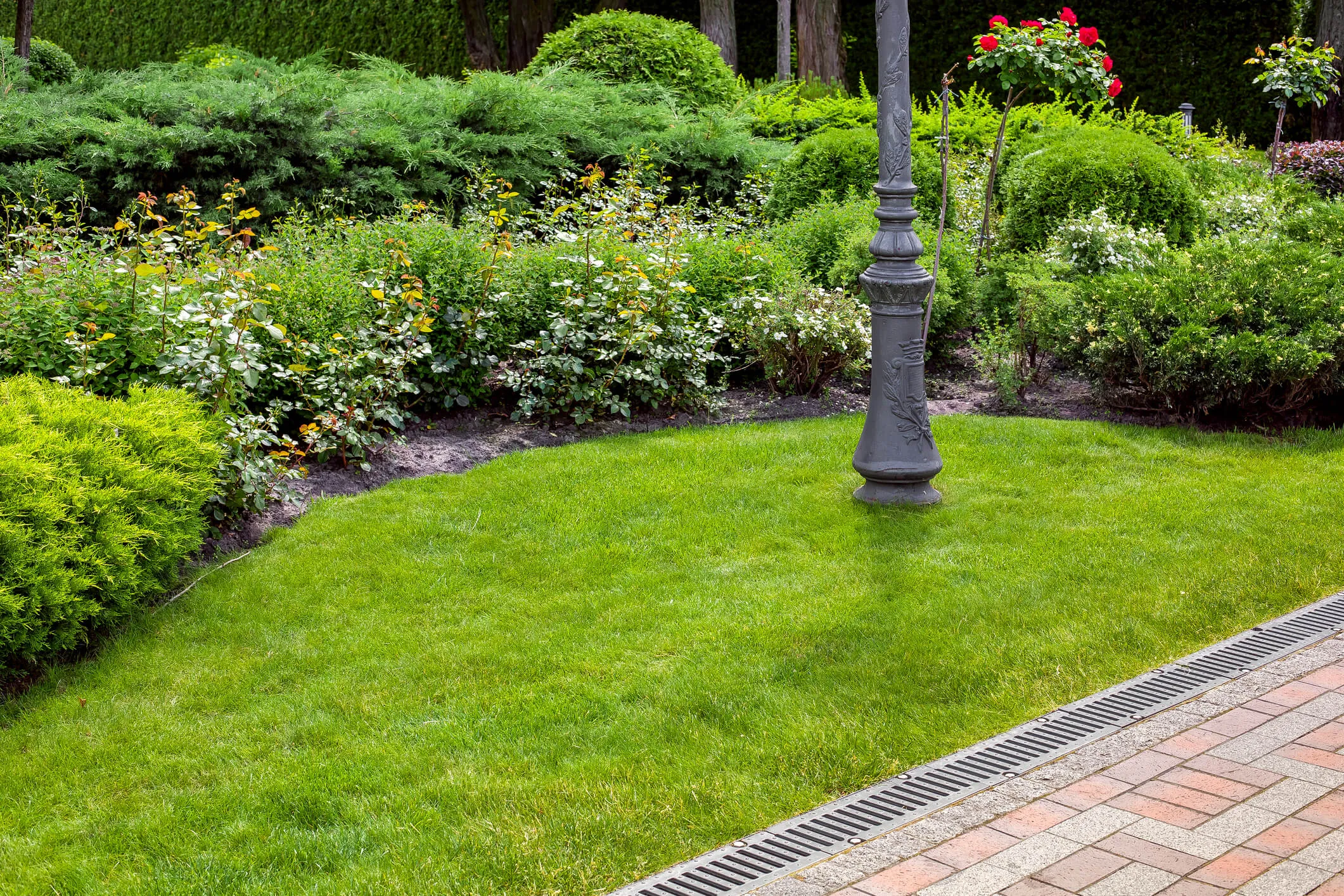
Landscaping covers almost everything that changes how a yard looks and works. The living side, often called softscape, includes lawn, trees, shrubs, flower beds, and mulch. The built side, called hardscape, includes patios, walkways, walls, and fire pits. Underneath both sits the work most homeowners never see: clearing, grading, soil prep, drainage, and irrigation. Good residential landscaping usually blends all three.
Because the term covers so much, there’s no single price for “landscaping.” A useful way to think about cost is in layers. The first layer is the area you’re working on. Most contractors price by the portion of the yard being changed, not the whole lot, so redoing a front bed costs far less than reworking an entire backyard.
The second layer is the type of work. Planting and mulch are generally the most affordable. Lawn installation and irrigation sit in the middle. Hardscaping, grading, and drainage tend to carry the highest cost because they involve heavy materials, equipment, and skilled labor.
The third layer is the site itself. Slope, soil, access, and what has to be removed before work starts can change the price of the same design from one property to the next.
How Costs Compare by Project Type
Most landscaping budgets are built from a handful of common projects. Here’s how they generally compare.
| Project Type | Relative Cost | What Moves the Price |
| Mulch and bed refresh | Lower | Bed size, mulch type, edging |
| Planting beds, shrubs, and trees | Lower to moderate | Plant size, quantity, species |
| Lawn installation | Moderate | Sod vs. seed, lawn size, soil prep |
| Irrigation | Moderate | Number of zones, yard layout |
| Grading and drainage | Moderate to higher | Slope, water volume, system type |
| Hardscaping | Higher | Material, size, base prep, slope |
Lawn: Sod vs. Seed
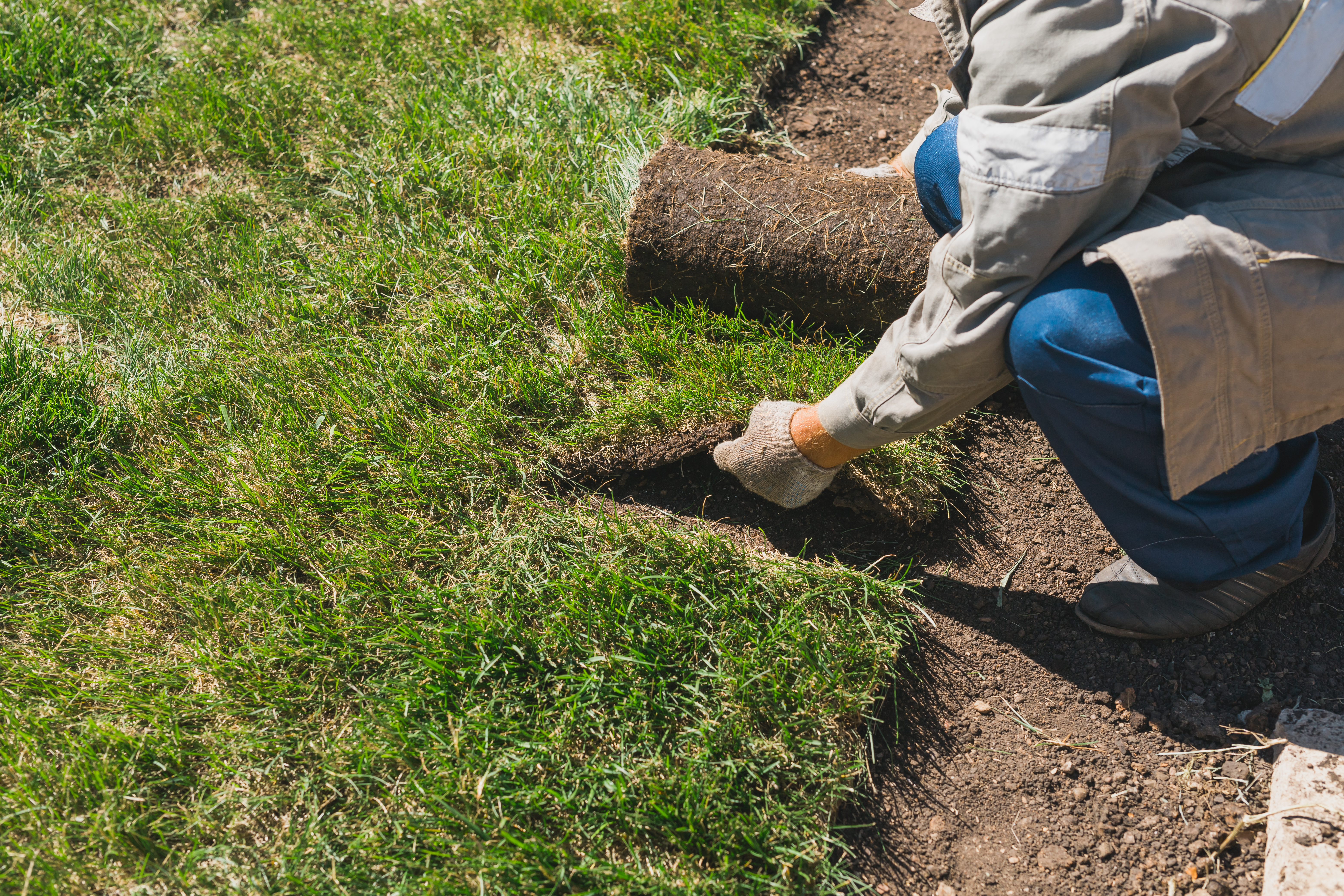
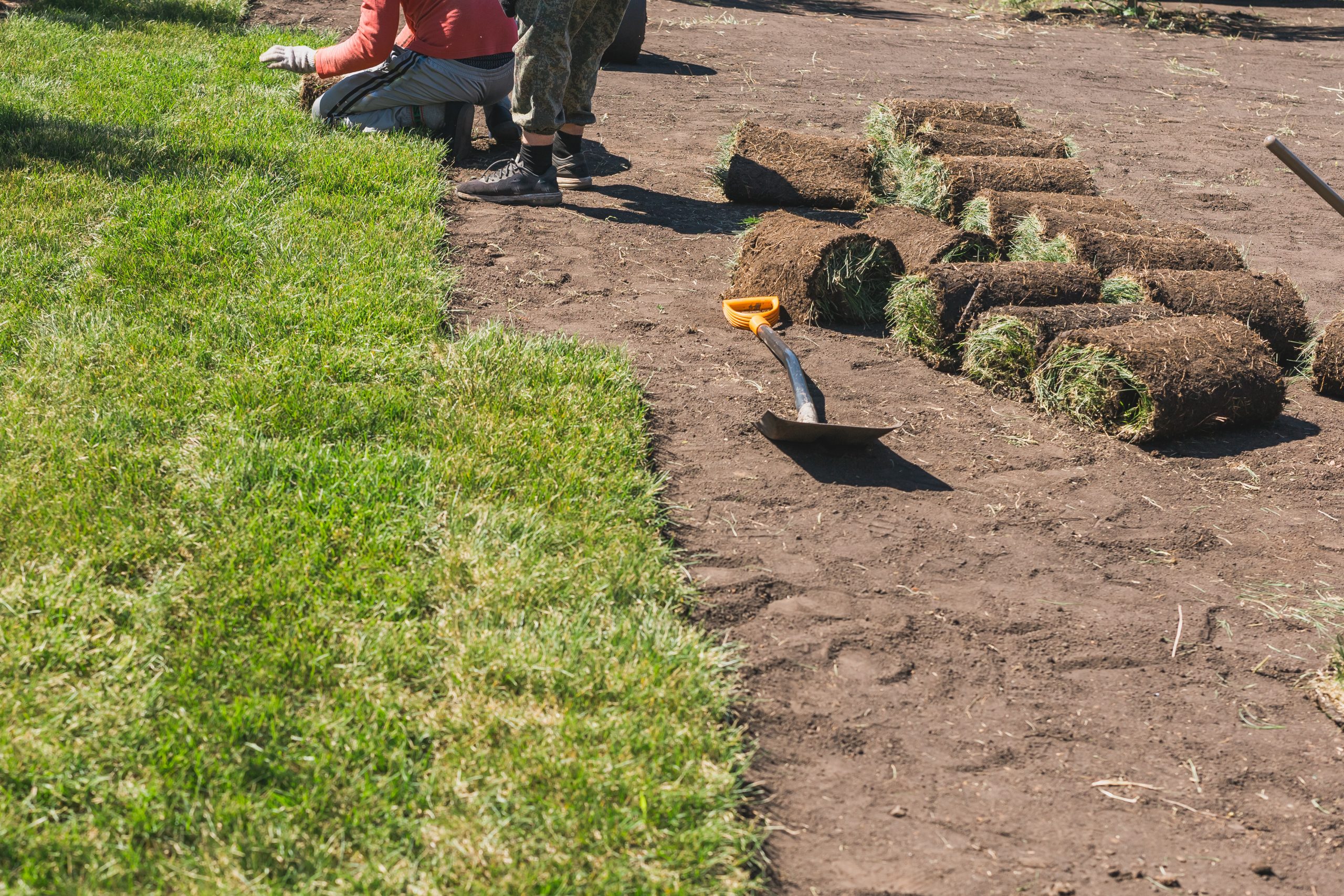
Sod installation costs more up front than seeding, but you get a usable lawn right away instead of waiting a season for seed to fill in. On bare new-construction lots or yards with erosion, that speed and stability often matter more than the savings from seed.
Plantings, Beds, and Mulch
Plant size is one of the easiest places to adjust a budget. Young shrubs and trees cost far less than mature specimens and fill in over time. Mulch installation is one of the most affordable ways to make a yard look finished. Homeowners who want screening along a property line often look at privacy trees installation, where cost depends heavily on how mature the trees are at planting.
Irrigation
It’s easier and less expensive to install irrigation while the yard is already open for grading or planting than to trench through a finished landscape later. Learn more about irrigation system installation.
Grading and Drainage
Yard grading cost depends on how much area needs reshaping and how much the slope has to change. Drainage work varies widely by system type and how much water needs to move. If water pools near your foundation or washes out beds after storms, yard drainage solutions usually need to come before anything decorative.
Hardscape Features
Hardscaping generally costs more per square foot than planting because of the materials and base work involved. Patios, walkways, retaining walls, and fire pits each carry their own cost drivers. For a closer look at options, see our hardscaping page.
What Drives the Price Up or Down
Two yards of the same size can produce very different quotes. These are the factors that usually explain the gap.
Scope and Square Footage
More area means more soil, plants, materials, and labor hours. Larger projects can also require equipment such as skid steers or trenchers, which adds cost but often shortens the timeline.
Site Preparation and Removal
What has to come out before anything goes in is often overlooked. Removing old concrete, overgrown shrubs, stumps, or unhealthy trees adds labor and disposal. Keeping healthy trees and reusing existing materials where possible can lower the total.
Materials and Plant Size
Natural stone costs more than concrete pavers. Mature trees cost more than young ones. Custom features cost more than standard ones. Each choice compounds across the whole project.
Access and Terrain
Steep slopes, narrow side yards, and compacted soil add labor time. If a crew has to wheelbarrow materials into a backyard instead of driving equipment in, expect that to show up in the estimate.
One-Time Installation vs. Ongoing Maintenance
Installation is the number most people focus on, but every landscape carries a recurring cost too. A new patio needs occasional cleaning and joint sand. New beds need mulch refreshed. A lawn needs mowing, fertilization, and aeration.
When you compare designs, ask how much upkeep each one requires. A planting plan built around shrubs and well-suited native plants usually costs less to maintain than one that depends on seasonal flowers and large lawn areas. A design that costs a little more to install can cost less over the years you own it.
Important Factors to Consider Before You Budget
Front Yard vs. Backyard
Front yards tend to be smaller and easier to reach, so they usually cost less to landscape. Backyards often need privacy features, seating areas, or structures that raise the total.
Phasing the Work
You don’t have to build everything at once. Many homeowners start with grading, drainage, and lawn, then add hardscape or planting phases later. The key is planning the whole yard first, so phase two doesn’t mean tearing out phase one.
Permits and Surveys
Some projects need permits, especially retaining walls, fencing, and anything involving electrical or plumbing lines. If property lines or elevations aren’t clear, a survey may be needed before work begins. Requirements vary by town, so check with your local planning office or ask your contractor.
Setting a Realistic Budget
Decide what matters most before you request quotes. If the goal is fixing drainage and getting a healthy lawn, that’s a different budget from building an outdoor living area. Sharing your priorities and a rough range with your contractor helps them recommend the right scope.
Landscaping Costs in Monroe, Charlotte & Union County
Local conditions change what goes into a project. Around Monroe and the wider Charlotte region, the biggest factor is usually the soil. The Piedmont’s red clay holds water, compacts easily, and drains slowly. That often means amending soil before planting and budgeting for grading or drainage work that a sandier region might skip.
Newer neighborhoods in places like Indian Trail add another layer. New-construction lots are frequently graded down to subsoil, with little topsoil left and no defined beds or irrigation. Starting from a blank slate usually means a larger first project.
Many planned communities across Union County and Charlotte also have HOA guidelines covering plant choices, fencing, and hardscape. Getting approval before work starts avoids paying to change a finished project.
Common Landscaping Budget Mistakes
Budgeting for Plants but Not the Ground Beneath Them
Plants are the visible part of the project, so they get most of the attention. But in clay soil, skipping soil amendment or grading can mean struggling shrubs and standing water within a season. Prep work protects everything you plant on top of it.
Choosing the Lowest Bid Without Comparing Scope
A low estimate isn’t always cheaper in the end. Very low pricing or a vague scope can signal add-on costs later. Compare what each quote includes: prep, materials, plant sizes, cleanup, and disposal.
Fixing Drainage After Installation
Drainage problems rarely fix themselves. Correcting them after new sod and beds are in place means paying to pull up and replace finished work. Address water first.
What to Expect When You Request an Estimate
Most professional landscaping estimates follow a similar path. It starts with a conversation about your goals, how you use the yard, and a rough budget range. Next comes a visit to the property to look at slope, soil, drainage, sun exposure, and access.
From there, the contractor puts together a plan and a written estimate that spells out the scope, materials, and labor. Once you approve it, the work is scheduled. A good contractor will walk the finished project with you and explain how to care for the new lawn, plants, and hardscape.
Frequently Asked Questions
What is the difference between landscaping and hardscaping?
Landscaping is the broad term for improving outdoor space. Hardscaping is one part of it and covers built, non-living features like patios, walkways, and walls. Softscaping covers the living parts: lawn, plants, and mulch.
Is sod or seed the better value?
Seed costs less, but it takes time to establish and can wash out on slopes. Sod costs more but gives you a finished lawn immediately and helps control erosion on bare soil.
Can I landscape my yard in phases?
Yes. Start with a full plan, then build in stages as the budget allows. Grading, drainage, and irrigation usually come first because they’re hardest to add later.
Is landscaping cheaper in fall or winter?
Demand usually drops after the spring rush, which can mean more scheduling flexibility. In North Carolina, fall is also a good time to plant trees and shrubs.
What should a landscaping quote include?
A clear quote lists the scope of work, materials and plant sizes, labor, and any extras such as prep, delivery, cleanup, and debris disposal. If something isn’t listed, ask before you sign.
Get a Realistic Number for Your Yard
General guidance can help you plan, but the only number that really matters is the one for your property. If you’re planning a project in Monroe, Union County, or the Charlotte area, reach out to Union Landscaping & Hardscape to talk through your goals and request an estimate. We’ll walk the property, look at the soil and drainage, and give you a clear picture of what your project involves.
Angel leads Union Landscaping & Hardscape, a family-owned landscaping and hardscaping company based in Monroe, NC.