Summary:
Another summer just wrapped up. Maybe you spent it meaning to finally do something with that backyard — the one that’s been sitting there, unused, while the weather was perfect and the neighbors were entertaining outside. It’s a frustrating cycle, and you’re not alone in it.
Here’s the thing: September isn’t too late. It’s actually the best time to start. Mecklenburg County’s fall climate, contractor availability, and soil conditions all line up in a way that spring simply can’t match. This post explains why — and what to do about it before the window closes.
Why Fall Is the Best Time for Outdoor Living Spaces in Mecklenburg County
Most people assume spring is when you start a backyard project. The weather warms up, you’re spending time outside again, and suddenly the bare patio or the overgrown corner of the yard becomes impossible to ignore. The problem is, so does everyone else’s.
By March, the best local contractors are already booked out weeks — sometimes months. You end up waiting through spring, delaying into summer, and before you know it, you’ve lost another outdoor season. Fall flips that script entirely.
October is Charlotte’s driest month of the year. September brings average highs in the mid-70s, dropping toward the 60s as the season moves along. That combination — lower humidity, moderate temperatures, and minimal rain — creates ideal conditions for hardscape installation, concrete work, and joint stabilization. The ground cooperates. The crews can move efficiently. And you’re not competing with every other homeowner in Mecklenburg County for a spot on the schedule.
What Happens to Your Project If You Wait Until Spring
Waiting until spring feels logical. You want to enjoy the finished space right away, so why start in the fall? But the math doesn’t work out the way most people expect.
Here’s what actually happens when you wait. You call a contractor in March, excited to finally get moving. They tell you the earliest they can get on your property is late April — maybe May. Installation takes a week or two, depending on the scope. By the time everything is done and settled, you’re looking at June. You’ve already missed the best part of spring, and summer is starting with a construction site in your backyard instead of a finished patio.
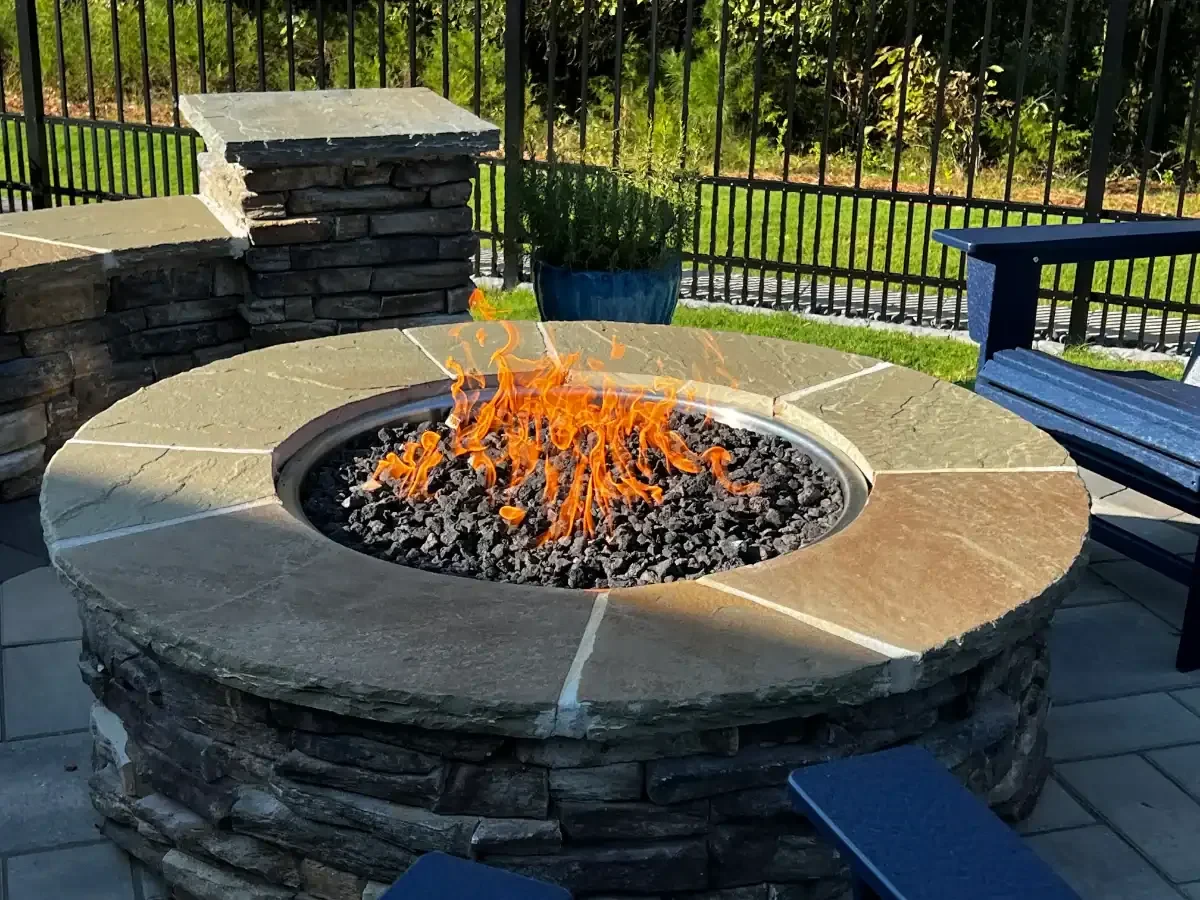
Compare that to starting the conversation in September. A contractor can assess your property, develop a custom design, handle any permit requirements, and schedule installation during the fall window — when schedules are open and the conditions are actually better for the work. Projects completed in fall are fully settled and ready to enjoy the moment warm weather returns in March. Instead of watching spring arrive from a bare backyard, you’re already sitting on a finished patio with a fire pit going.
There’s also a practical reality that doesn’t get talked about enough: the planning phase takes time. An on-site assessment, a custom design, material selection, permit submissions if needed — that’s not a one-week process. Starting in September means you have room to do it right. Starting in March means you’re rushing every step, which is when corners get cut and expectations don’t get met.
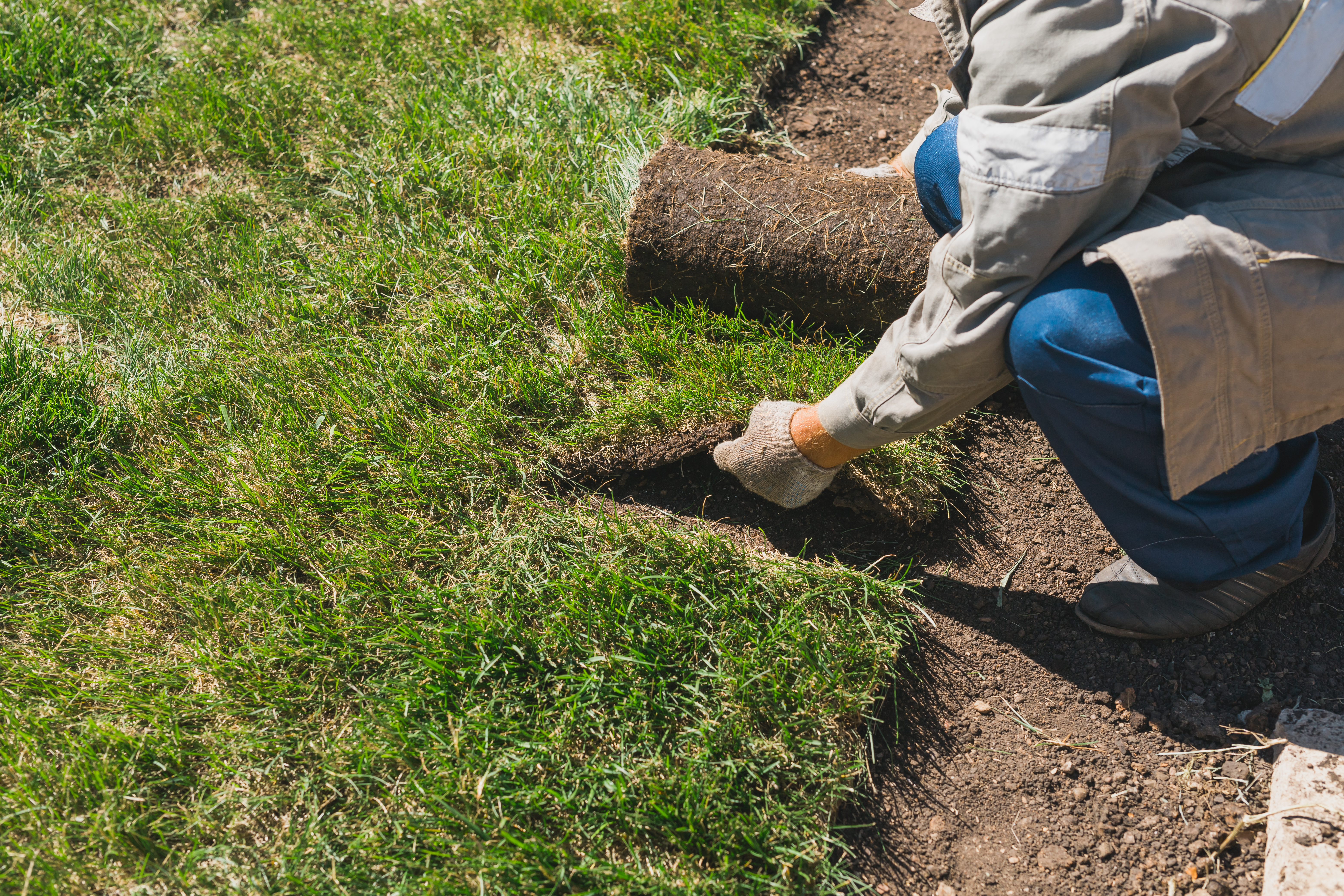
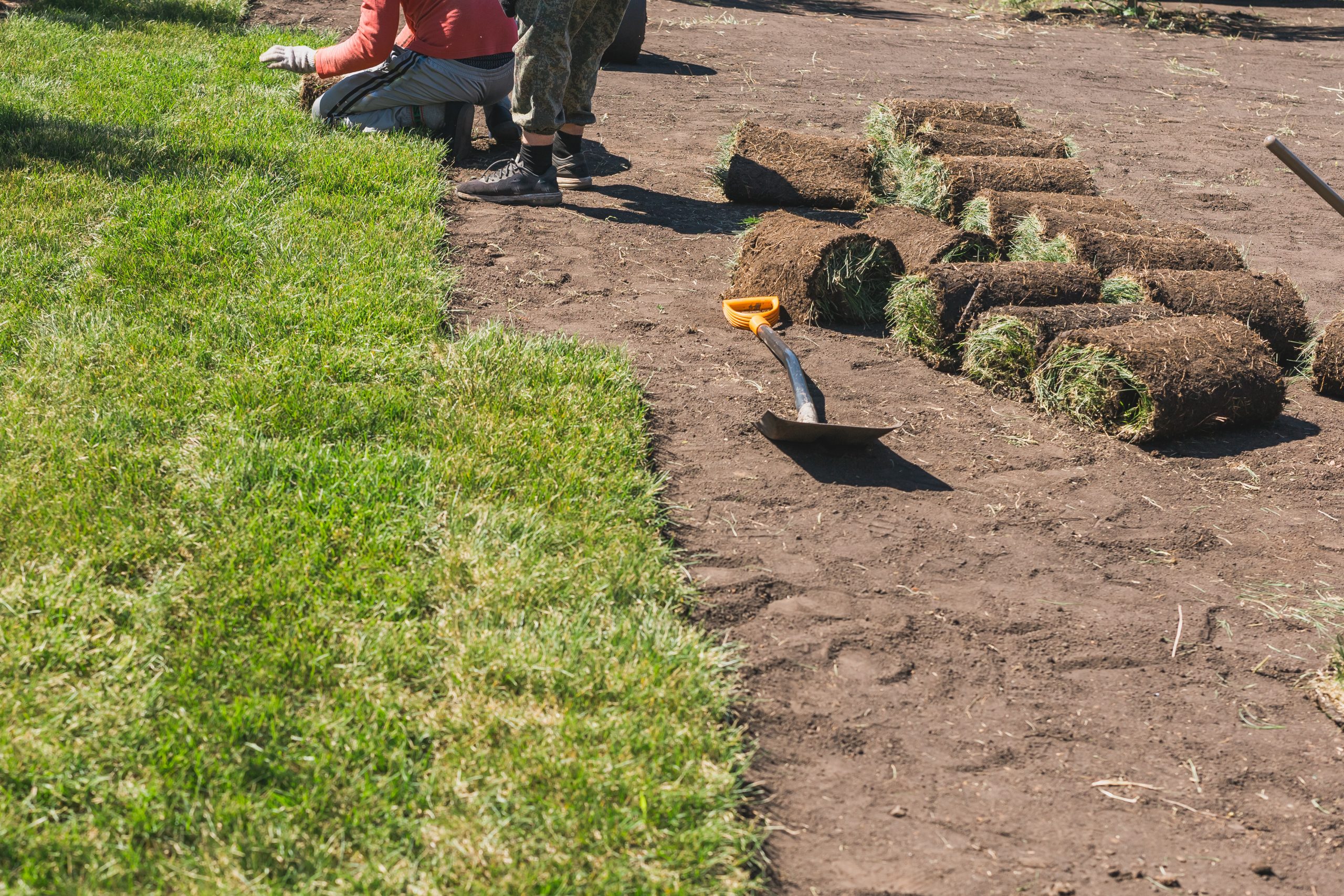
Fall is also the prime planting season in North Carolina. Warm soil and cooler air help new sod, trees, and shrubs develop strong root systems before winter. A contractor who handles both hardscape and softscape — patios, retaining walls, and pergolas alongside sod, trees, and garden beds — can complete a full outdoor transformation in a single fall season. That’s something spring simply can’t offer.
The Base Preparation Problem Most Mecklenburg County Homeowners Never Hear About
If you’ve ever seen a patio that’s cracked, shifted, or started pooling water within a few years of installation, the problem almost certainly wasn’t the pavers. It was what happened — or didn’t happen — underneath them.
Mecklenburg County’s clay-heavy soil is the defining local factor in every hardscape project in this area. Clay compacts, drains poorly, and shifts seasonally. When a contractor doesn’t account for it — when they skip proper excavation depth, skip the geotextile fabric, use inadequate base material, or rush the compaction — the surface above it eventually fails. It might look fine for a year or two. Then the edges start to lift, water starts to pool toward the foundation, and you’re calling someone to redo work you already paid for.
This is the part of yard design that most contractors don’t explain and most homeowners don’t know to ask about. The base preparation is the most critical step in the entire process. Every project we take on starts underground — understanding the drainage patterns, the soil conditions, and how the hardscape will interact with the existing landscape and your home’s foundation. We build the base correctly, with proper excavation, the right base material, and compaction done in layers. That’s not a selling point. It’s just how the work has to be done if it’s going to last.
Fall actually makes this part of the process easier. The clay soil in Mecklenburg County is more workable after early fall rains soften the ground, which means excavation is more efficient and base preparation can be done more precisely. It’s a small detail, but it’s the kind of thing that matters when you’re building something meant to last 20 or 25 years.
When you’re evaluating contractors, ask them specifically about base preparation. Ask what depth they excavate to, what base material they use, and how they handle drainage. A contractor who can answer those questions clearly — without hesitation — is one who actually knows what they’re doing underground.
Want live answers?
Connect with a Union Landscaping and Hardscape expert for fast, friendly support.
Yard Design That Actually Works for Your Property
A good yard design isn’t a catalog selection. It’s a response to the specific property — the drainage patterns, the sight lines, the way the yard connects to the house, and how the homeowner actually wants to use the space.
That process starts with an on-site visit, not a phone quote. Every property in Mecklenburg County is different. Some have significant grade changes that require retaining walls before anything else can happen. Some have drainage problems that need to be resolved before a patio can be installed. Some are flat and open, with a dozen ways to approach the design. The only way to understand what a yard actually needs is to walk it.
From there, the design takes shape around your priorities — whether that’s a covered pergola for shade, a fire pit area for evening gatherings, a paver patio that connects the back door to the yard, or an outdoor kitchen for entertaining. The goal is a space that gets used, not one that looks good in a photo and sits empty.
Hardscape Design Built for North Carolina's Clay Soil and Mecklenburg County's Climate
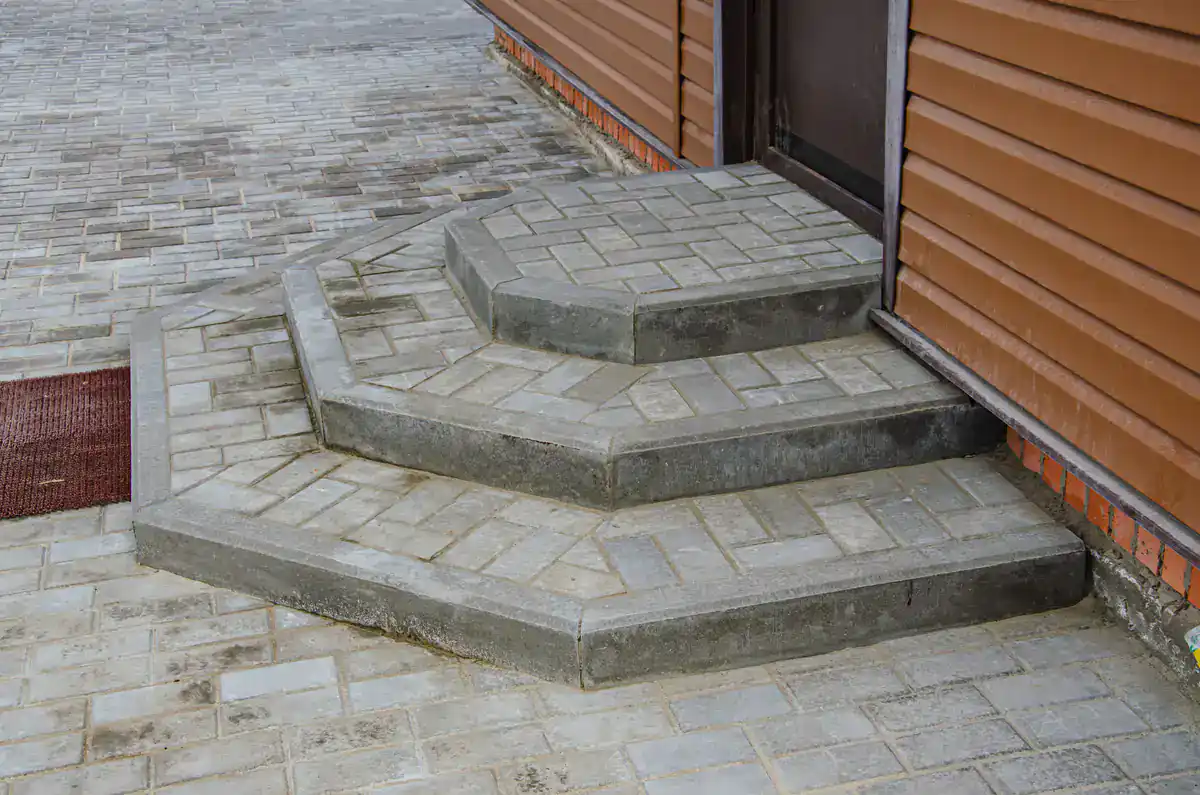
Hardscape design in this area has to account for two things most generic outdoor living content ignores: clay soil and a climate that runs warm and humid for most of the year before dropping into a mild, dry fall.
The clay soil issue we’ve already covered — it affects base preparation, drainage planning, and the long-term stability of everything built on top of it. But the climate piece matters too. Charlotte’s outdoor season runs roughly nine months, from March through November. That’s a long time for a patio or retaining wall to be in use, and it means the design has to be functional and durable, not just attractive.
Materials matter here. Permeable pavers, for example, allow water to move through the surface rather than pooling on top of it — a meaningful advantage in a region with clay soil and periodic heavy rain. Proper drainage design has to be incorporated into the hardscape from the beginning, not added as an afterthought. A patio that grades water toward the house, or a retaining wall that doesn’t account for hydrostatic pressure, creates problems that are expensive to fix after the fact.
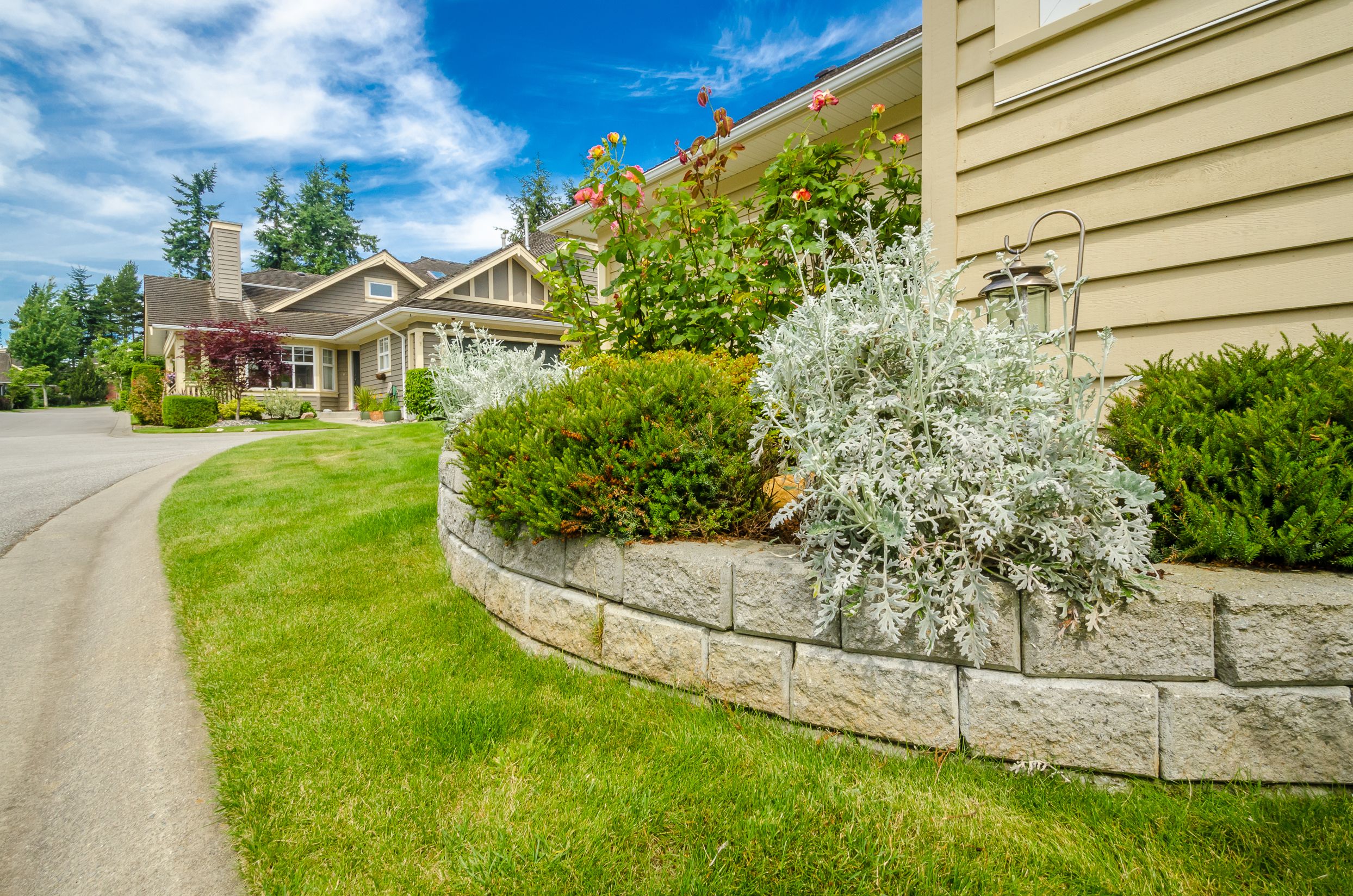
The design process also has to account for how the hardscape integrates with the existing landscape. A retaining wall that solves a drainage problem in the backyard might also create a natural planting bed. A pergola positioned correctly can provide afternoon shade during Charlotte’s hottest months while leaving the morning light open. These aren’t decorative decisions — they’re functional ones that make the space more livable year-round.
We handle the permit requirements when they apply. In North Carolina, certain hardscape elements — retaining walls above a specific height, outdoor structures, significant grading changes — require permits before work begins. In Mecklenburg County, contractors also need to carry proof of insurance and meet local registration requirements. We take care of all of that, so you’re not trying to figure out the county’s requirements on your own.
What to Ask Before You Hire a Backyard Design Contractor in Mecklenburg County
Choosing a contractor for a backyard project is one of those decisions that’s easy to get wrong, especially when you’re comparing quotes and everyone sounds roughly the same on paper.
A few things actually separate good contractors from ones who will leave you with problems. The first is how they handle the design conversation. A contractor who gives you a quote over the phone, without visiting the property, doesn’t have enough information to give you an accurate number — and they definitely don’t have enough information to design something that works for your specific yard. If they’re not asking about drainage, soil conditions, and how you plan to use the space, they’re not designing. They’re estimating.
The second is communication. One of the most common complaints about landscaping and hardscape contractors isn’t the quality of the work — it’s the silence between the first inquiry and the project start. Slow follow-up, vague timelines, and unreturned calls are industry-wide problems. Before you commit to anyone, pay attention to how quickly they respond to your initial inquiry and how clearly they communicate the next steps.
The third — and this connects back to the base preparation point — is whether they can explain what’s happening underneath the surface. Ask what they do before the first paver goes down. If they can walk you through the excavation depth, the base material, and how they handle drainage, you’re talking to someone who knows their craft. If they pivot to talking about the pavers themselves, that’s a signal worth noting.
For Mecklenburg County homeowners specifically, HOA requirements are worth raising early. Many of the county’s suburban neighborhoods have design guidelines that affect material choices, structure heights, or placement. A contractor who’s familiar with that process — and who can help you navigate HOA submissions — saves you time and avoids the frustration of having to redo approvals after the design is already set.
We offer honest, upfront estimates before any work begins. No hidden fees, no surprises after the fact. And we follow up within 24 to 48 hours of an inquiry — because we know from experience that slow communication is one of the fastest ways to lose a homeowner’s trust before a project even starts.
Ready to Start Your Mecklenburg County Backyard Project This Fall?
September moves fast. The fall window for backyard design and hardscape installation in Mecklenburg County is real, and it’s shorter than most homeowners expect. Contractor schedules fill up, the optimal installation weather passes, and suddenly it’s December and the project is back on the “next spring” list.
If you’ve been thinking about a patio, a fire pit area, a retaining wall, or a full yard transformation, the best time to start that conversation is now — not when the weather warms up again. The planning phase takes time when it’s done right, and doing it right is the only way to get a backyard that actually holds up over the years.
Union Landscaping and Hardscape S Corp works with homeowners across Mecklenburg County and the surrounding area. Reach out, and we’ll come take a look at the property, talk through what you’re envisioning, and give you a clear, honest picture of what it takes to get there.