
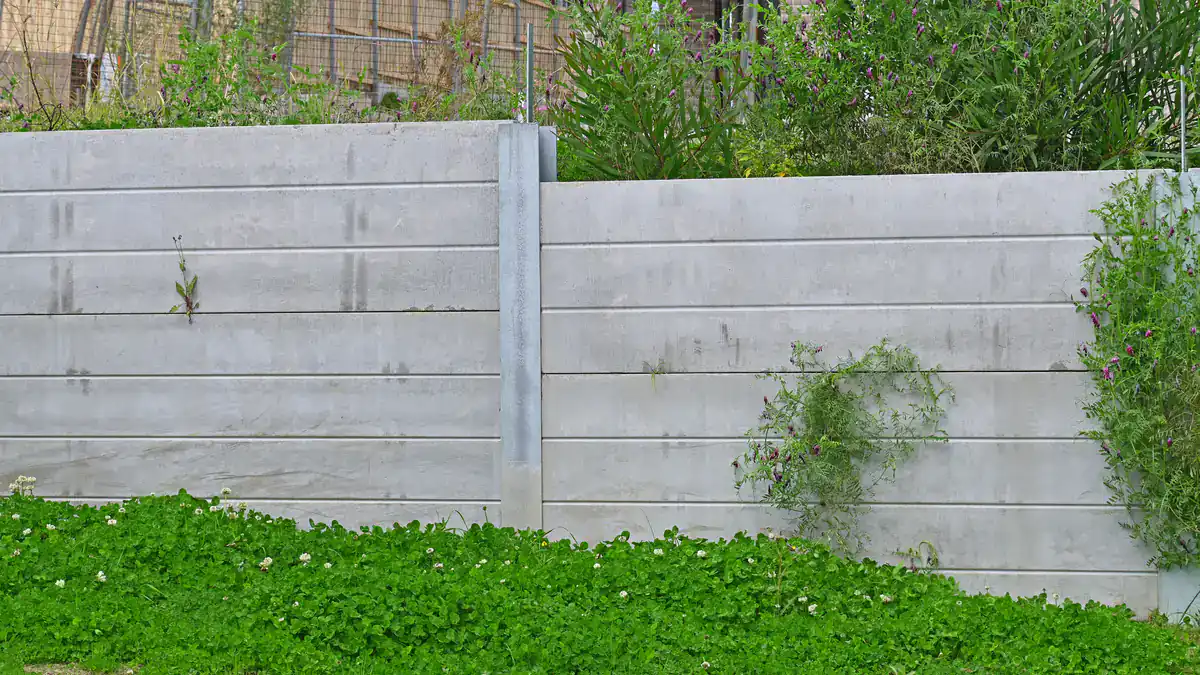
Your yard shouldn’t wash away every storm season. Retaining walls in Uptown Charlotte, NC stop soil erosion before it damages your landscape, foundation, or property value.
You get flat, usable areas where there used to be steep, wasted slope. That means room for patios, gardens, play areas—spaces you can actually use instead of just mow around or avoid.
Proper retaining wall installation also fixes drainage problems. Water gets directed away from your home instead of pooling near your foundation or flooding your yard. The right wall doesn’t just hold back soil—it protects your investment and gives you outdoor space that works the way you need it to.
We’re a family-owned company based in Monroe, serving homeowners throughout Uptown Charlotte and surrounding areas. We handle custom landscaping and hardscaping projects—retaining walls, paver patios, fire pits, pergolas, sod installation, and tree planting.
Uptown Charlotte properties often deal with slopes, drainage challenges, and limited flat space. We’ve built retaining walls across this area and understand the soil conditions, terrain, and weather patterns that affect how walls perform long-term.
You work directly with people who live and operate in this community. No middlemen, no corporate runaround—just straightforward service from a local crew that shows up, does the work right, and keeps you informed from start to finish.
First, we assess your property. We look at the slope, drainage patterns, soil type, and what you’re trying to accomplish. If your wall needs to be over three feet high, we bring in engineering consultation to make sure it’s safe and code-compliant.
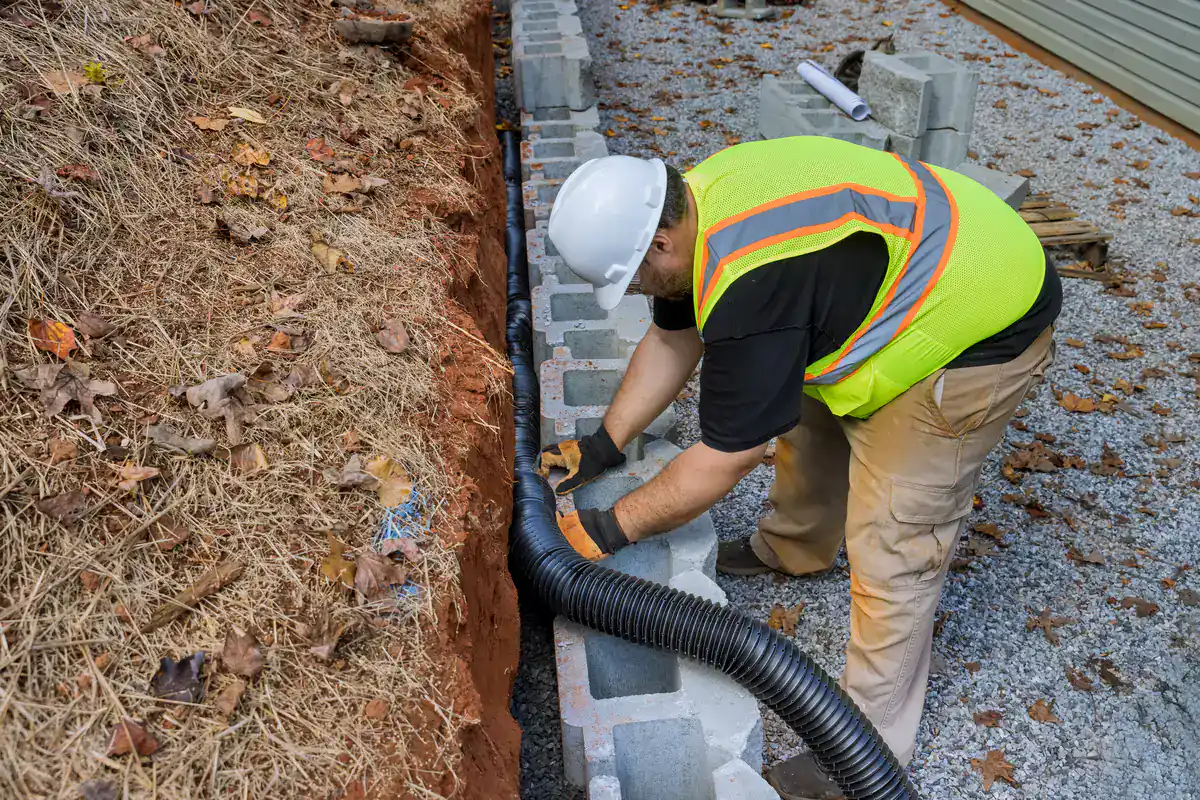
Next comes excavation and site prep. We dig down to stable soil, compact the base, and install proper drainage systems behind the wall. This step matters more than most people realize—it’s what keeps walls from shifting, cracking, or failing years down the road.
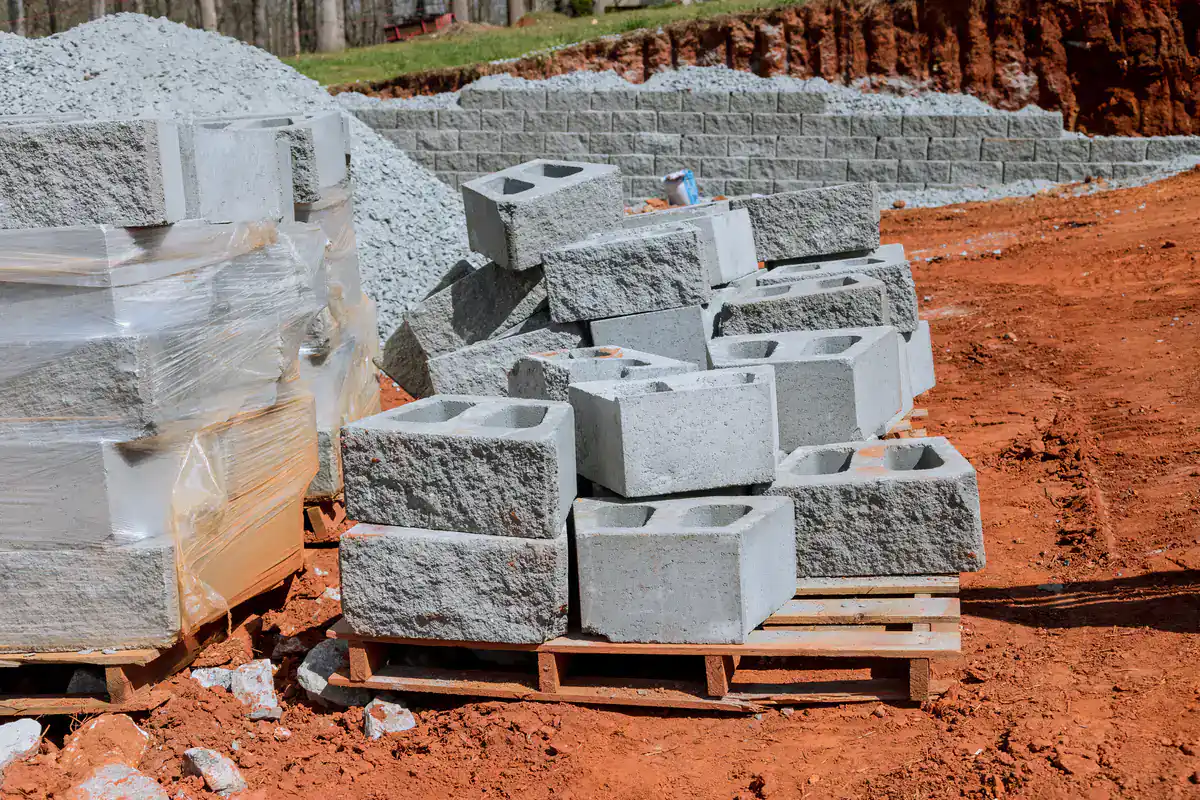
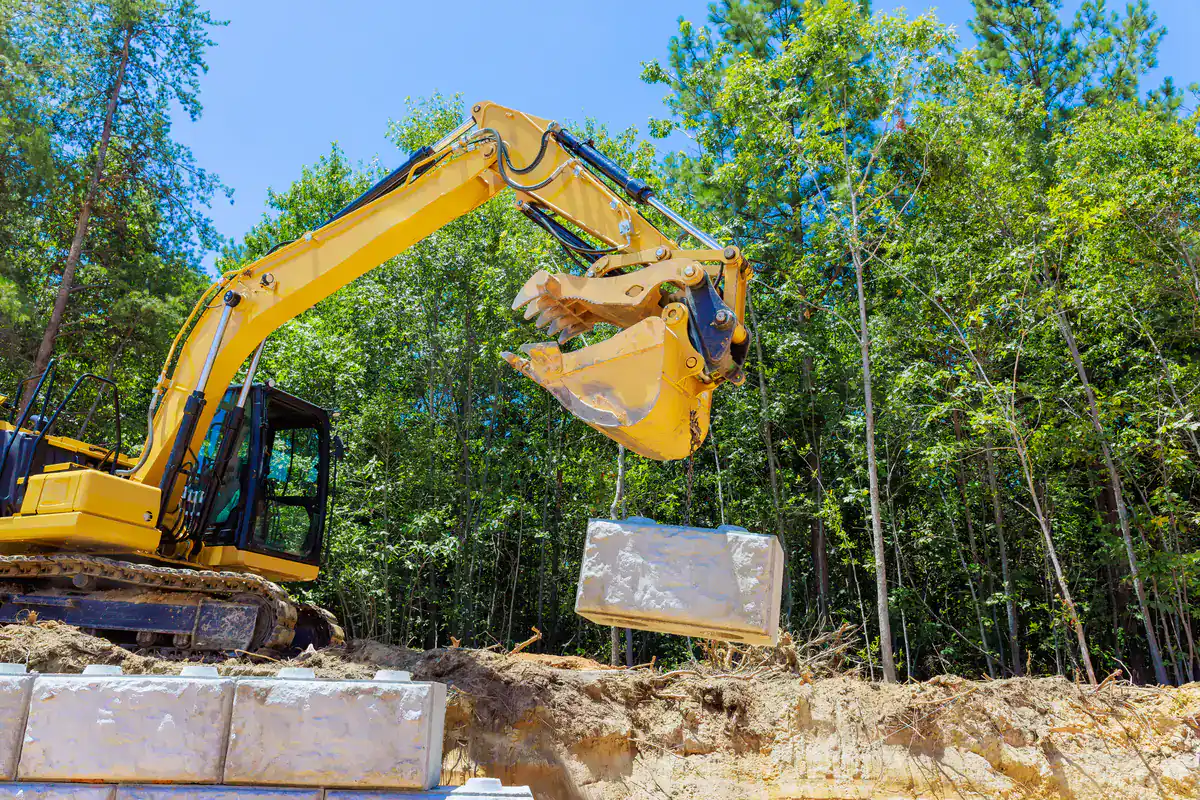
Then we build the wall using the material you’ve chosen: segmental blocks, natural stone, timber, or poured concrete. Each course gets leveled, backfilled, and checked. Once the structure is complete, we finish with caps, clean up the site, and walk you through maintenance basics.
You end up with a wall that does its job—holding back soil, managing water, and creating the flat space you need—without looking like an afterthought.
Ready to get started?
Every retaining wall project includes site evaluation, material selection guidance, excavation, base preparation, drainage installation, wall construction, and final grading. We don’t skip steps to save time or cut costs.
Uptown Charlotte’s clay-heavy soil and seasonal rain patterns mean drainage isn’t optional—it’s essential. We install gravel backfill and drainage pipes behind every wall to prevent water buildup and pressure that can cause failure. North Carolina’s freeze-thaw cycles and heavy summer storms put stress on retaining walls, so we build with those conditions in mind.
You also get material options that fit your budget and aesthetic. Segmental retaining wall blocks offer clean lines and durability. Natural stone gives a more organic, custom look. Timber works well for certain applications and budgets. Concrete retaining wall blocks provide strength and longevity at a mid-range price point.
We handle permits if your project requires them, coordinate engineering when needed, and manage the timeline so you’re not left guessing when things will get done. You get a finished wall that works, looks right, and lasts.
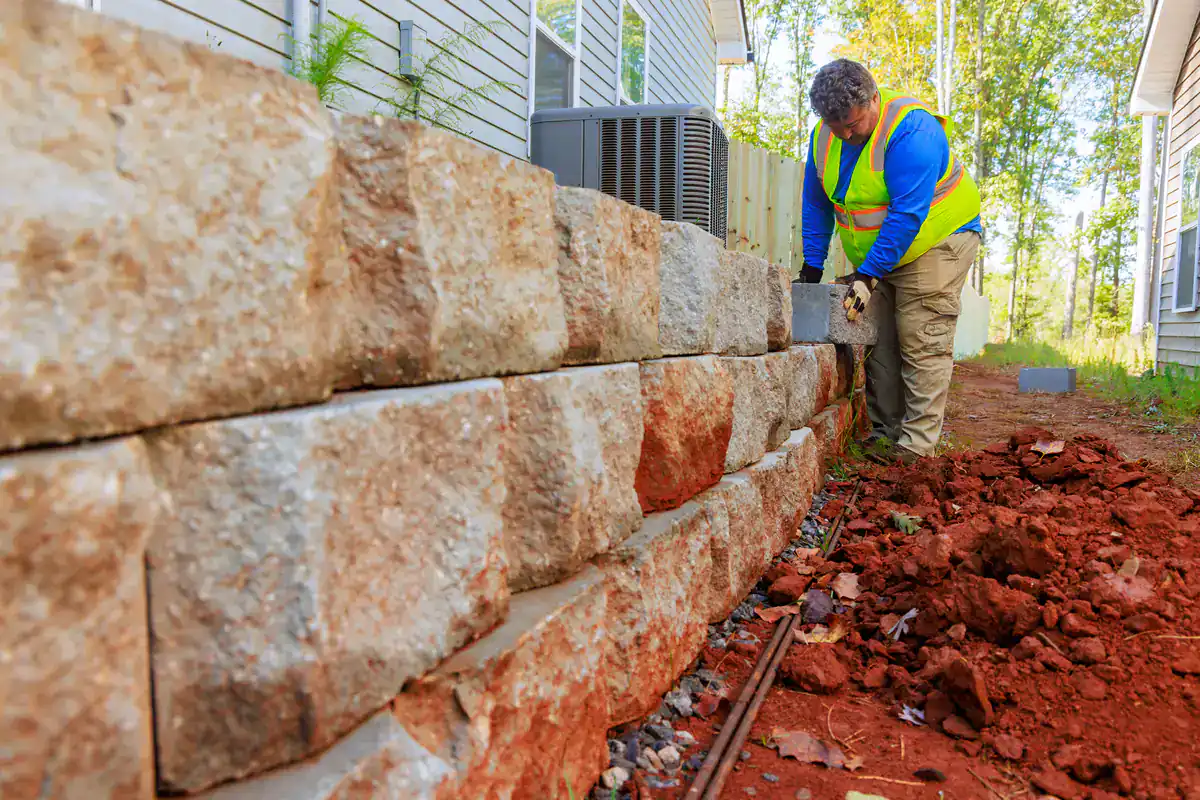
Retaining wall installation in Uptown Charlotte, NC typically runs between $20 and $50 per square foot, depending on material, wall height, drainage complexity, and site access. Most residential projects fall between $3,000 and $8,000.
Segmental blocks are usually the most cost-effective option. Natural stone costs more but offers a custom aesthetic. Timber is budget-friendly for shorter walls but doesn’t last as long in North Carolina’s climate. Poured concrete sits in the middle for cost and durability.
Walls over three feet high require engineering, which adds to the upfront cost but ensures the structure is safe and code-compliant. Difficult access, steep slopes, or poor soil conditions can also increase labor and material costs. We give you a clear estimate upfront so there’s no confusion about what you’re paying for.
Most residential retaining wall projects in Uptown Charlotte take between three and seven days, depending on wall length, height, and site conditions. Smaller walls under 30 feet can often be completed in two to three days. Larger or more complex projects take longer.
Weather plays a role. Heavy rain delays excavation and base prep, which can push timelines back. We don’t rush through critical steps like compaction and drainage installation just to meet a deadline—those steps determine whether your wall lasts five years or fifty.
Once we start, we work straight through until the job’s done. You won’t see us disappear for days at a time or juggle multiple projects. We schedule your project, show up when we say we will, and keep you updated if anything changes.
Segmental concrete retaining wall blocks are the most popular choice in Uptown Charlotte because they balance cost, durability, and ease of installation. They handle North Carolina’s clay soil and weather conditions well, and they come in multiple colors and textures.
Natural stone works if you want a high-end, custom look and have the budget for it. Stone walls take longer to build and cost more, but they age well and blend into natural landscapes. Timber is an option for shorter walls and tighter budgets, but it degrades faster in wet conditions and typically needs replacement within 10 to 15 years.
Poured concrete is the strongest option for taller walls or heavy-duty applications, but it’s also the most expensive and offers less design flexibility. The right material depends on your budget, aesthetic preferences, and how much load the wall needs to support. We walk you through the pros and cons of each so you can make an informed decision.
In Uptown Charlotte, NC, you typically need a permit for retaining walls over four feet tall or any wall that supports a load-bearing structure. Walls near property lines, easements, or right-of-ways may also require permits regardless of height.
Permit requirements vary by jurisdiction, and Mecklenburg County has specific codes for retaining wall construction. If your wall requires engineering—which is standard for walls over three feet—your engineer will provide stamped plans that satisfy permit requirements.
We handle permit coordination as part of the project. You don’t need to navigate county offices or figure out what paperwork to file. We pull the permits, schedule inspections if needed, and make sure everything is compliant before we start digging. Skipping permits might save time upfront, but it can cause problems when you sell your home or if the wall fails and insurance gets involved.
You need a retaining wall if you’re dealing with soil erosion, sloped terrain that limits usable space, or drainage problems that direct water toward your home or foundation. Uptown Charlotte properties often have elevation changes that create these exact issues.
If you see soil washing away after heavy rain, exposed tree roots on slopes, or water pooling near your foundation, a retaining wall can fix those problems. If you have a sloped yard that’s too steep to use for anything practical, a wall creates flat, functional space for patios, gardens, or outdoor living areas.
Retaining walls also make sense if you’re planning other hardscape projects like paver patios or outdoor kitchens and need to level the ground first. We assess your property during the consultation and tell you whether a wall makes sense, where it should go, and what it will accomplish. If you don’t need one, we’ll tell you that too.
A properly installed retaining wall in Uptown Charlotte, NC should last 20 to 50 years, depending on material and maintenance. Concrete retaining wall blocks and natural stone walls last the longest. Timber walls typically need replacement within 10 to 15 years due to rot and insect damage.
The key factor isn’t just the material—it’s the installation. Walls fail when drainage isn’t handled correctly, the base isn’t compacted properly, or corners are cut during construction. North Carolina’s clay soil expands when wet and contracts when dry, which puts pressure on retaining walls. Without proper backfill and drainage, that pressure causes shifting, cracking, and eventual failure.
We build walls with long-term performance in mind. That means proper excavation, compacted gravel base, drainage systems behind the wall, and quality materials that hold up to local conditions. You’re not replacing the wall in five years because it was built wrong the first time.
Other Services we provide in Uptown Charlotte