
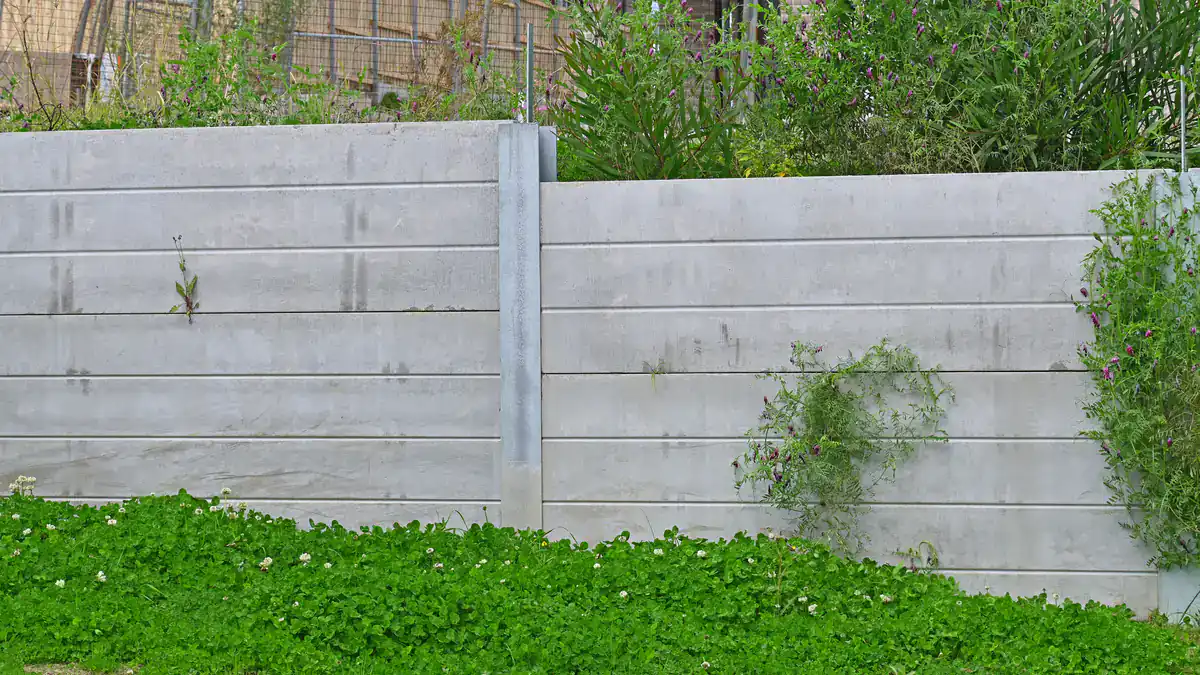
If you’ve watched heavy rain wash soil down your slope, you already know the problem. Mint Hill gets about 43 inches of rain annually—well above the national average. That water doesn’t just sit there. It carves through clay soil, pulls topsoil into storm drains, and slowly destabilizes the ground under your landscaping, your driveway, even your foundation.
A properly installed retaining wall stops that cycle. It holds soil in place, redirects water where it needs to go, and creates level ground where there wasn’t any before. That means you can actually use your backyard instead of watching it erode season after season.
You’re not just fixing a drainage issue. You’re adding functional square footage to your property, increasing resale value, and eliminating the constant maintenance that comes with fighting gravity on a slope. The right retaining wall installation in Mint Hill, NC turns a liability into an asset.
We’re a family-owned company based in Monroe, serving Mint Hill and the surrounding areas. We’ve built retaining walls on enough sloped properties around here to know exactly how the soil behaves, where water flows during storms, and what it takes to build something that lasts.
We’re not a national franchise following a script. We’re local contractors who understand that Mint Hill’s clay-heavy soil requires specific drainage solutions and proper backfill techniques. When we design your retaining wall, we’re accounting for the terrain you’re actually dealing with—not some generic template.
Our approach is straightforward: we assess your property, explain what needs to happen and why, and build it right the first time. No upselling. No surprises. Just hardscape services in Mint Hill, NC that solve the problem you hired us to fix.
First, we come to your property and evaluate the slope, soil type, drainage patterns, and what you’re trying to accomplish. This isn’t a five-minute walkthrough—we’re looking at where water pools, how much elevation change you’re dealing with, and whether you need engineered support for walls over four feet.
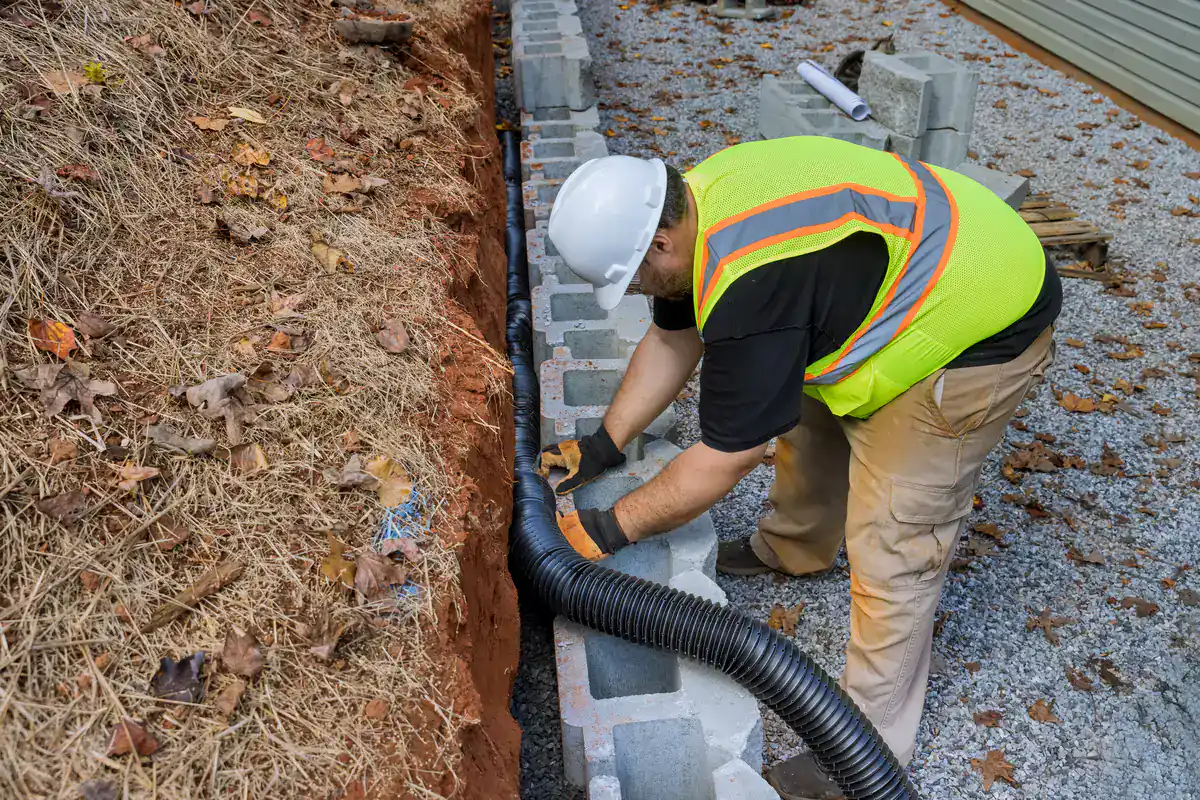
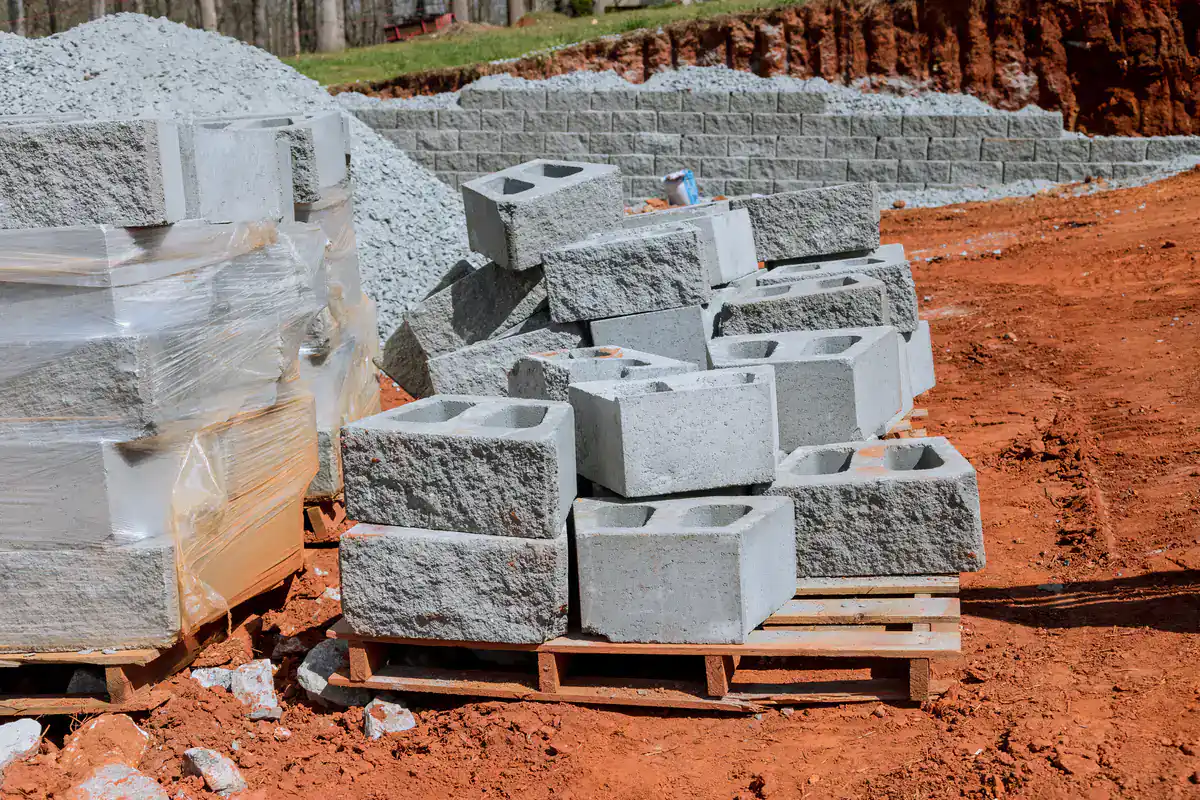
Next, we design the retaining wall system. That includes choosing the right material—concrete retaining wall blocks, natural stone, or modular block wall retaining wall systems—and planning the drainage. In Mint Hill, NC, drainage isn’t optional. We install gravel backfill, perforated pipes, and weep holes so water doesn’t build up behind the wall and cause failure down the road.
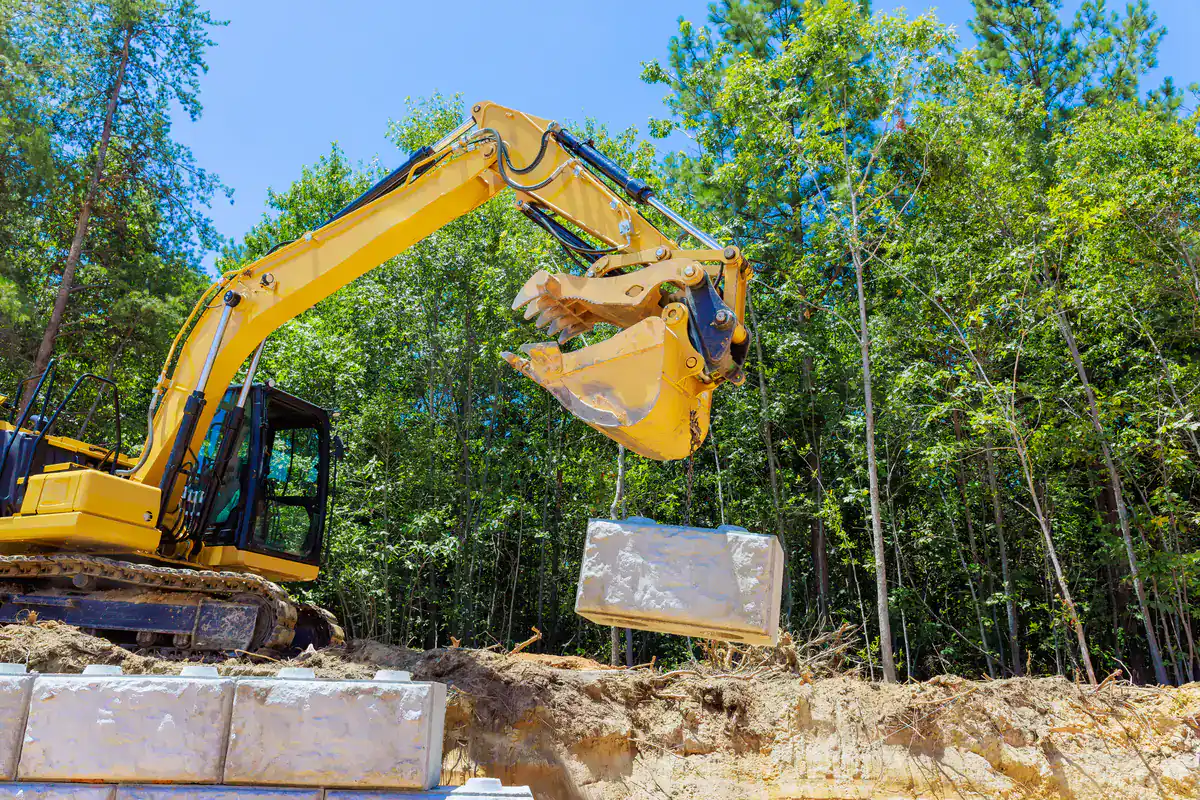
Then we excavate, compact the base, and start building. Every course gets leveled and checked. Every block gets locked in properly. If your wall is over four feet, we bring in a structural engineer to verify it meets North Carolina building codes. Once it’s built, we backfill with proper drainage material and finish the surrounding landscape so everything ties together.
You end up with a retaining wall that does its job—holding back soil, managing water, and giving you usable outdoor living space in Mint Hill, NC where you didn’t have it before.
Ready to get started?
When we install retaining walls in Mint Hill, NC, you’re getting more than stacked blocks. You’re getting a system designed to handle this area’s specific challenges—clay soil that shifts when wet, heavy rainfall that creates hydrostatic pressure, and slopes that need terracing to stay stable.
We offer several material options depending on your budget and aesthetic. Concrete retaining wall blocks are versatile, durable, and cost-effective. Natural stone gives you that timeless look and can last 100 years with proper installation. Modular retention wall blocks work well for taller walls and complex designs. Every option includes proper drainage infrastructure because without it, even the best materials will fail.
You also get site preparation, excavation, engineered base compaction, and backfill with drainage aggregate. For walls over four feet, we coordinate with licensed civil engineers to make sure everything meets local codes. And because we’re based nearby in Monroe, we’re available if you ever need adjustments or repairs.
The goal is simple: soil erosion prevention in Mint Hill, NC that actually works, installed by people who’ve done this enough times to know what holds up and what doesn’t.
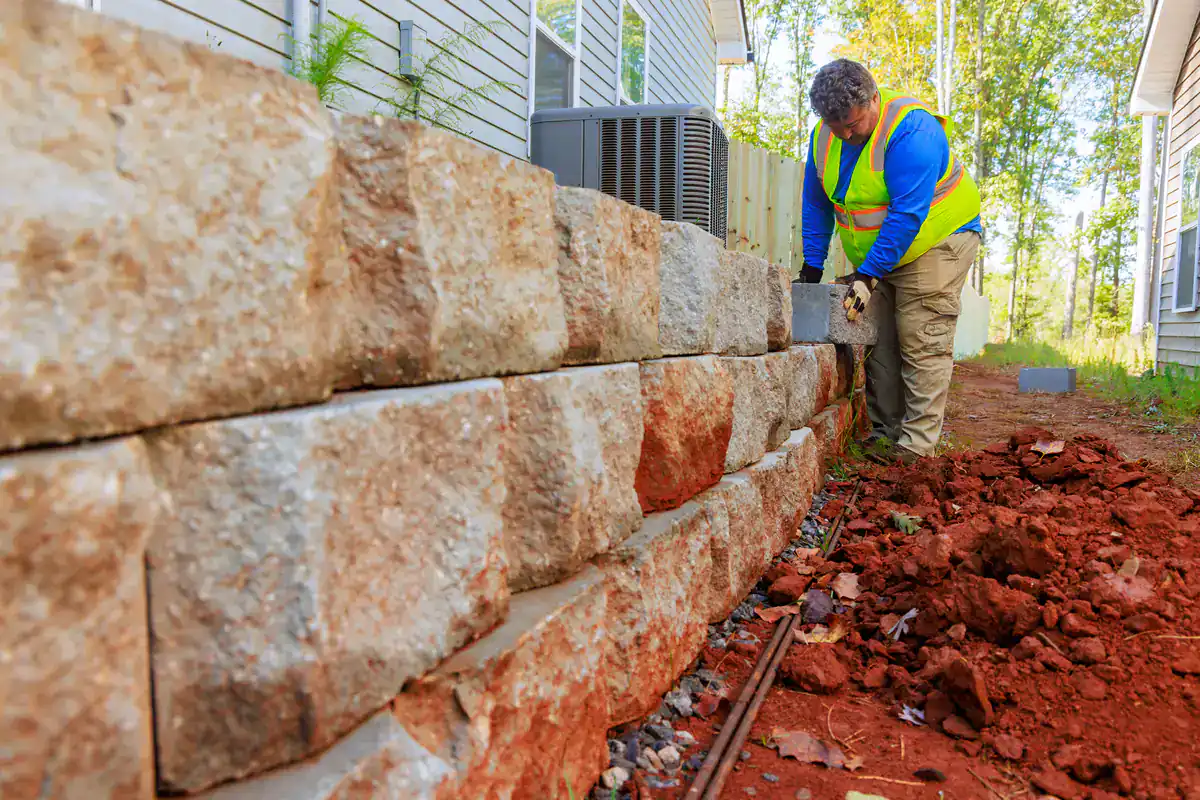
Most retaining wall projects in the greater Charlotte area, including Mint Hill, run between $40 and $50 per square foot. That price includes materials, excavation, proper drainage installation, and labor. Most contractors set a minimum project cost around $2,500 because smaller jobs still require the same site prep and equipment.
Your actual cost depends on wall height, material choice, site access, and soil conditions. A simple 20-foot block wall retaining wall on flat ground costs less than a terraced stone wall on a steep grade with poor drainage. Walls over four feet also require engineering, which adds $500 to $2,000+ to the project.
We give you a clear estimate after seeing your property. No hidden fees. No surprise charges. Just an honest number based on what your specific site needs to retain a wall that lasts.
Concrete retaining wall blocks and modular systems perform well here because they’re designed to handle moisture and temperature swings. Mint Hill’s clay soil and heavy rainfall mean your retaining wall needs to manage water, not just hold it back. Concrete blocks allow for integrated drainage and they don’t shift or crack the way poured concrete sometimes does.
Natural stone is another solid choice if you want longevity and aesthetics. Stone retaining walls can last 100 years when installed correctly, and they handle freeze-thaw cycles better than most materials. The tradeoff is cost—stone runs higher than block systems.
What matters most isn’t the material itself, but how it’s installed. Retaining wall blocks in Mint Hill, NC need proper base preparation, drainage behind the wall, and backfill that won’t trap water. Get those details right and almost any quality material will hold up for decades.
A well-built retaining wall in Mint Hill, NC should last 25 to 50 years minimum, depending on materials and maintenance. Stone walls can hit 100 years. Concrete block systems typically last 40 to 60 years. The key factor isn’t just the blocks—it’s the drainage system behind them.
Mint Hill’s heavy rainfall and clay soil create hydrostatic pressure that pushes against retaining walls. If water can’t escape, that pressure will eventually shift or crack even the strongest wall. That’s why we install gravel backfill, perforated drain pipes, and weep holes on every project. Those details add years—sometimes decades—to the lifespan.
You’ll also want to check your wall every few years for settling, cracks, or drainage issues. Catching small problems early keeps them from turning into expensive failures. But if it’s built right from the start, your retaining wall should outlast most other hardscape features on your property.
In most cases, yes—if your wall is over three to four feet tall. Mint Hill follows North Carolina building codes, which require permits and often structural engineering for taller retaining walls. Walls four feet or higher usually need a licensed engineer to design them and verify they’ll handle soil pressure and drainage safely.
Even if your wall is under four feet, it’s worth checking with local building officials. Some areas have additional restrictions based on property lines, easements, or flood zones. Pulling a permit might feel like extra hassle, but it protects you. If something fails and you didn’t get the required permit, insurance may not cover the damage.
We handle permit coordination as part of our retaining wall installation in Mint Hill, NC. We’ll let you know what’s required for your specific project, work with engineers if needed, and make sure everything’s up to code before we start building. That way you’re covered, and the wall is built to last.
Yes, but only if it’s designed with drainage in mind. A retaining wall by itself just holds soil. Add proper drainage infrastructure behind it, and it becomes a water management system that redirects runoff away from problem areas.
In Mint Hill, NC, where clay soil doesn’t absorb water quickly, drainage is critical. We install perforated pipes along the base of the wall, backfill with gravel so water can flow, and add weep holes to let moisture escape. That keeps hydrostatic pressure from building up and prevents water from pooling at the base of your slope.
If you’re dealing with standing water, foundation seepage, or erosion from runoff, a retaining wall with integrated drainage can solve multiple problems at once. It stabilizes the soil, controls where water goes, and protects structures downhill. Just make sure whoever installs it understands that drainage isn’t optional—it’s the difference between a wall that works and one that fails in five years.
A retaining wall is engineered to hold back soil and manage lateral pressure from the ground behind it. It needs a solid foundation, proper drainage, and often reinforcement depending on height. These walls serve a structural purpose—they prevent erosion, create level space, and protect your property from soil movement.
A garden wall is mostly decorative. It might outline a flower bed or create a raised planting area, but it’s not designed to retain significant amounts of soil or handle water pressure. Garden walls are typically shorter, don’t require the same drainage systems, and won’t hold up if you try to use them like a retaining wall.
If you’re dealing with a slope, erosion, or water runoff in Mint Hill, NC, you need an actual retaining wall—not a decorative border. The engineering, materials, and installation process are completely different. Trying to use a garden wall for retention usually ends with cracking, shifting, and expensive repairs. Build it right the first time and you won’t have to rebuild it later.
Other Services we provide in Mint Hill