
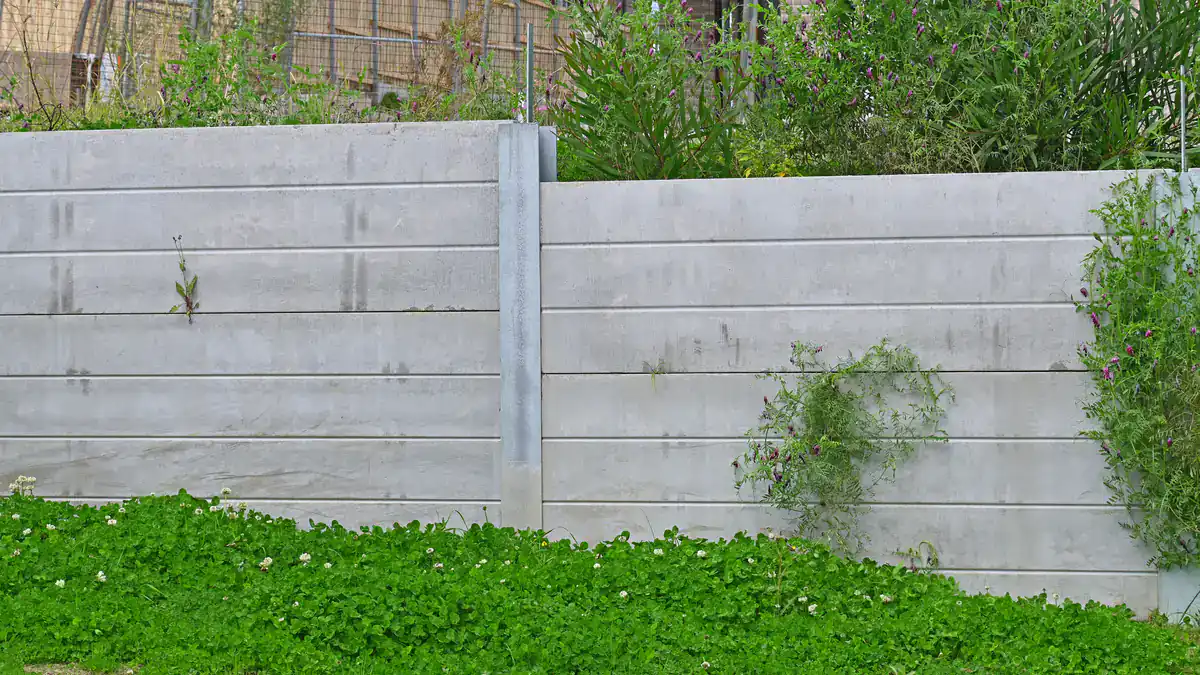
You’ve seen what happens after heavy rain. Sinkholes in the lawn. Mulch halfway down the driveway. That expensive topsoil you just paid for? Gone.
Indian Trail gets 43 inches of rain annually. Our clay soil doesn’t absorb it well. When water moves, it takes everything with it—including the stability around your foundation.
A properly built retaining wall stops that cycle. It holds soil in place during storms, redirects water where it needs to go, and turns steep, unusable slopes into level ground you can actually use. You’re not just fixing a drainage problem. You’re protecting your home’s foundation and creating outdoor living spaces that didn’t exist before.
The difference shows up fast. No more erosion channels cutting through your landscaping. No more standing water pooling near the house. Just stable ground that stays put, season after season.
Union Landscaping and Hardscape S Corp is a family-owned company based in Monroe, serving Indian Trail and surrounding areas. We’ve built retaining walls on every type of terrain this region throws at us—steep slopes, clay soil, drainage nightmares.
We know which concrete retaining wall blocks hold up in North Carolina weather. We know when a project needs engineering approval and how to handle permits in Union County. And we know what happens when corners get cut—because we’ve been called to fix those jobs.
Every retaining wall installation we do includes proper drainage design, compacted base prep, and materials chosen for this climate. You’re working with people who live here, understand local building codes, and won’t leave until the job’s done right.
First, we walk your property and look at the slope, drainage patterns, and soil conditions. We measure everything and talk through what you’re trying to accomplish—whether that’s stopping erosion, creating a patio area, or protecting your foundation.
Next, we design the wall. For anything over four feet, we bring in a licensed civil engineer to ensure it meets North Carolina building codes. We handle permits if your project requires them. Then we source the right retaining wall blocks for your budget and the job’s demands.
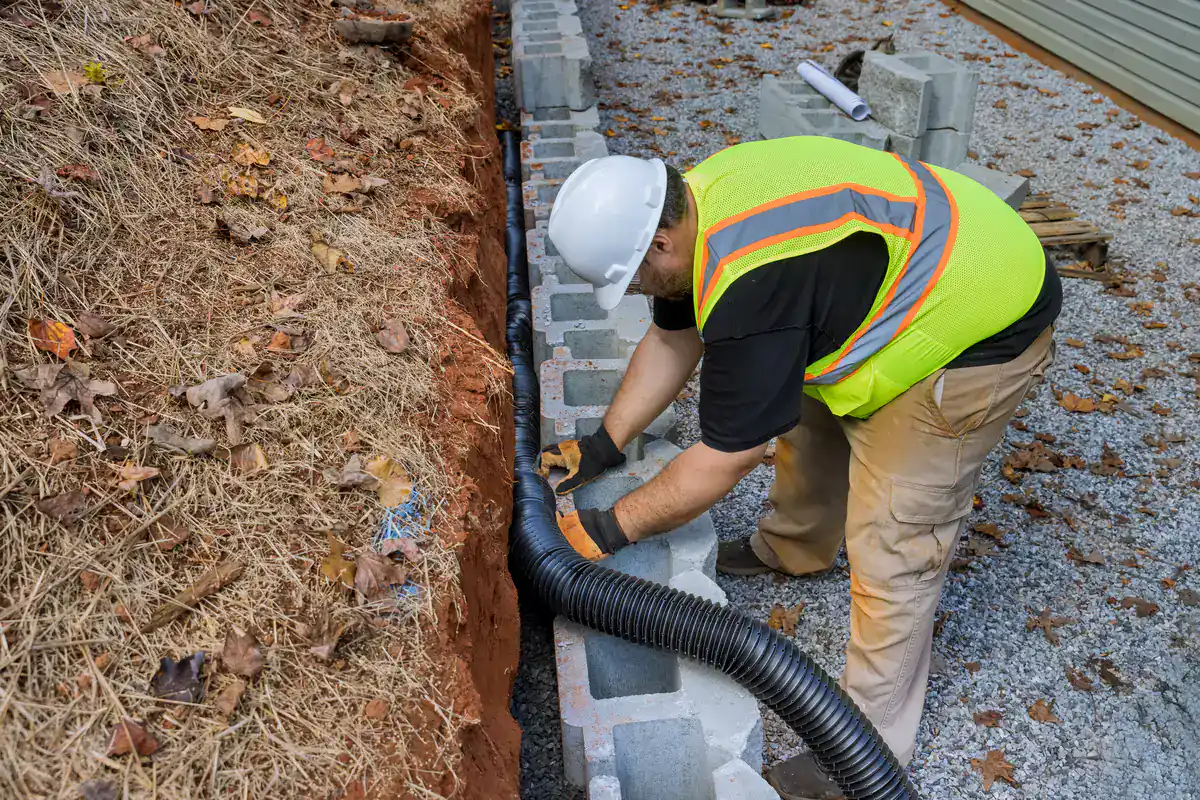
Installation starts with excavation and base prep. We dig down to stable soil, compact the base, and install drainage systems behind the wall—gravel backfill, perforated pipe, weep holes. That’s what keeps water from building pressure and pushing the wall out over time.
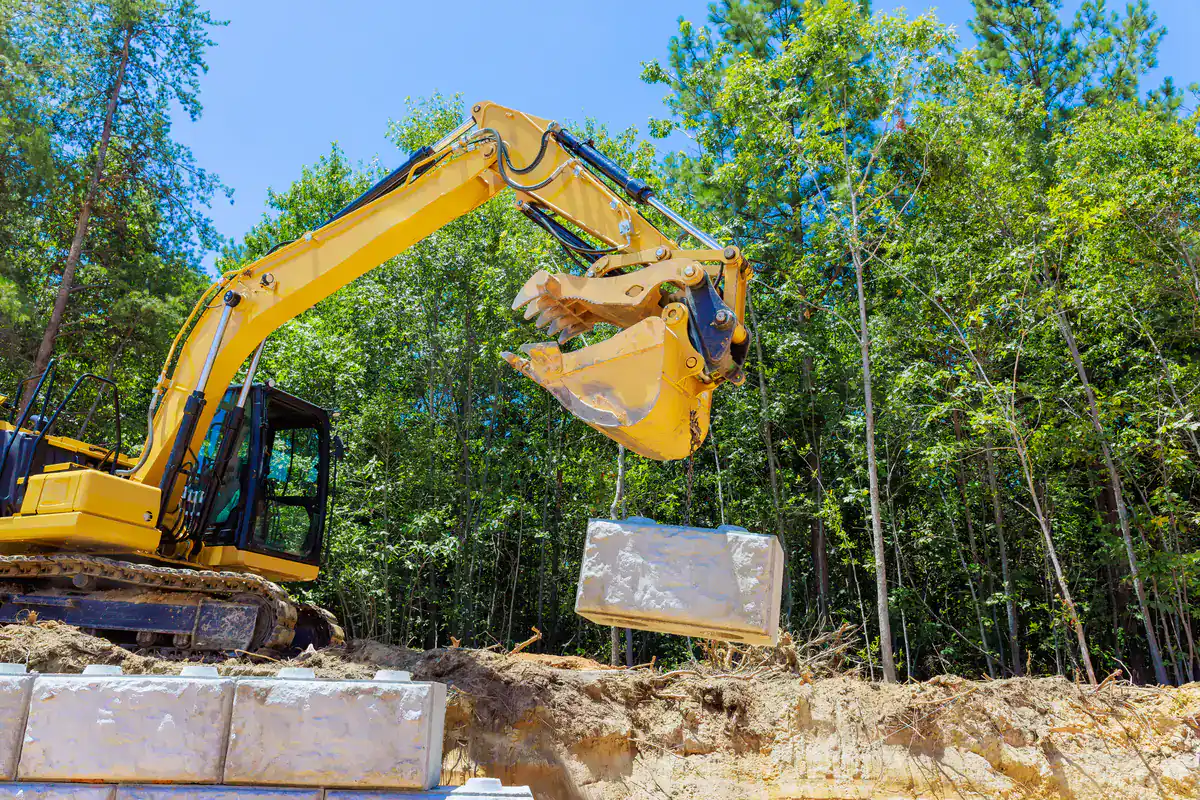
Then we set each course of block, checking level as we go. We backfill properly, compact as we build, and make sure water has a path away from your foundation. When we’re done, you’ve got a structure that’s engineered to last, not just stacked to look good for a season.
Ready to get started?
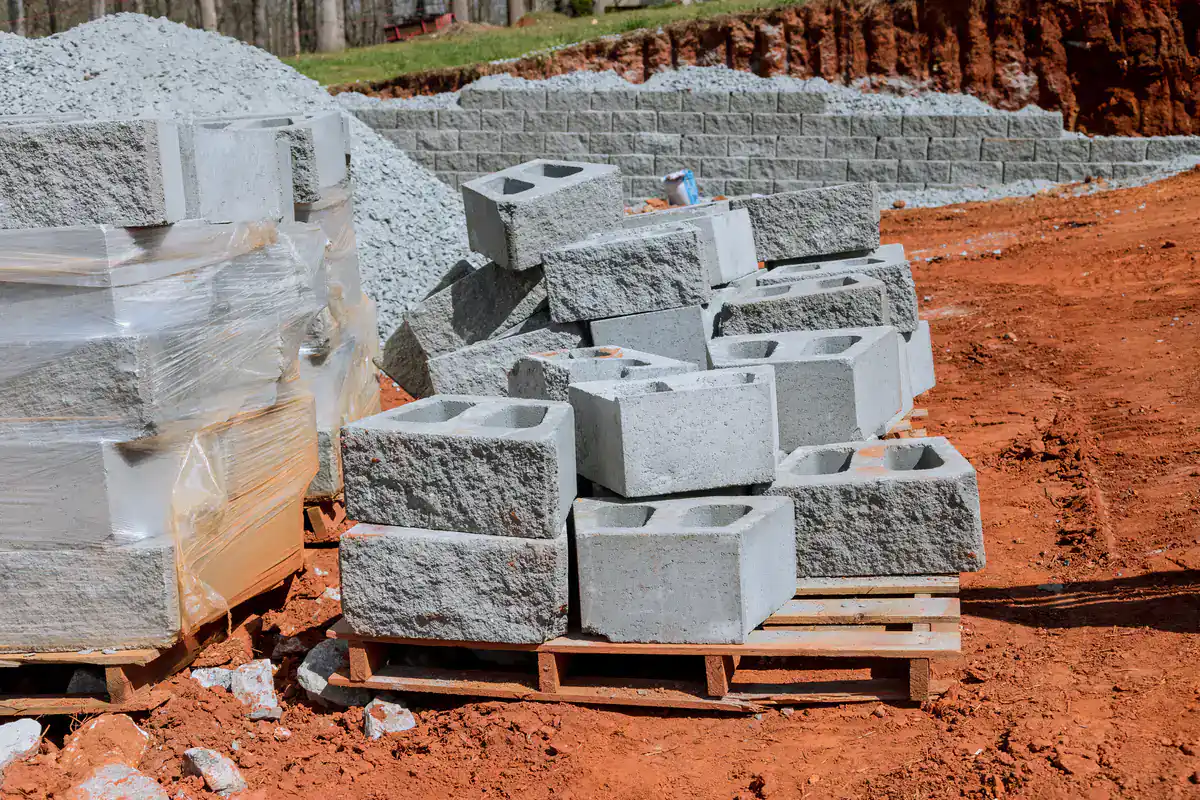
Every retaining wall installation in Indian Trail, NC includes site assessment, drainage design, proper base preparation, and quality materials. We’re using interlocking concrete retaining wall blocks that are built for this climate—not the cheapest option at the supply yard.
You’re also getting someone who understands Union County’s soil. Clay expands when wet and contracts when dry. If your wall isn’t built with that in mind, it’ll shift. We account for it in the design, the backfill, and the drainage system.
Most residential projects in Indian Trail run between $40-50 per square foot, depending on wall height, access, and material choice. If you need engineering (walls over four feet typically do), we coordinate that. If permits are required, we handle the paperwork. And if your project has a $2,500 minimum like most contractors around here, we’ll tell you upfront.
This isn’t a one-weekend DIY job. Retaining walls are labor-intensive, and when they’re done wrong, they fail. You’re hiring people who know how to build them right the first time, so you’re not paying twice.
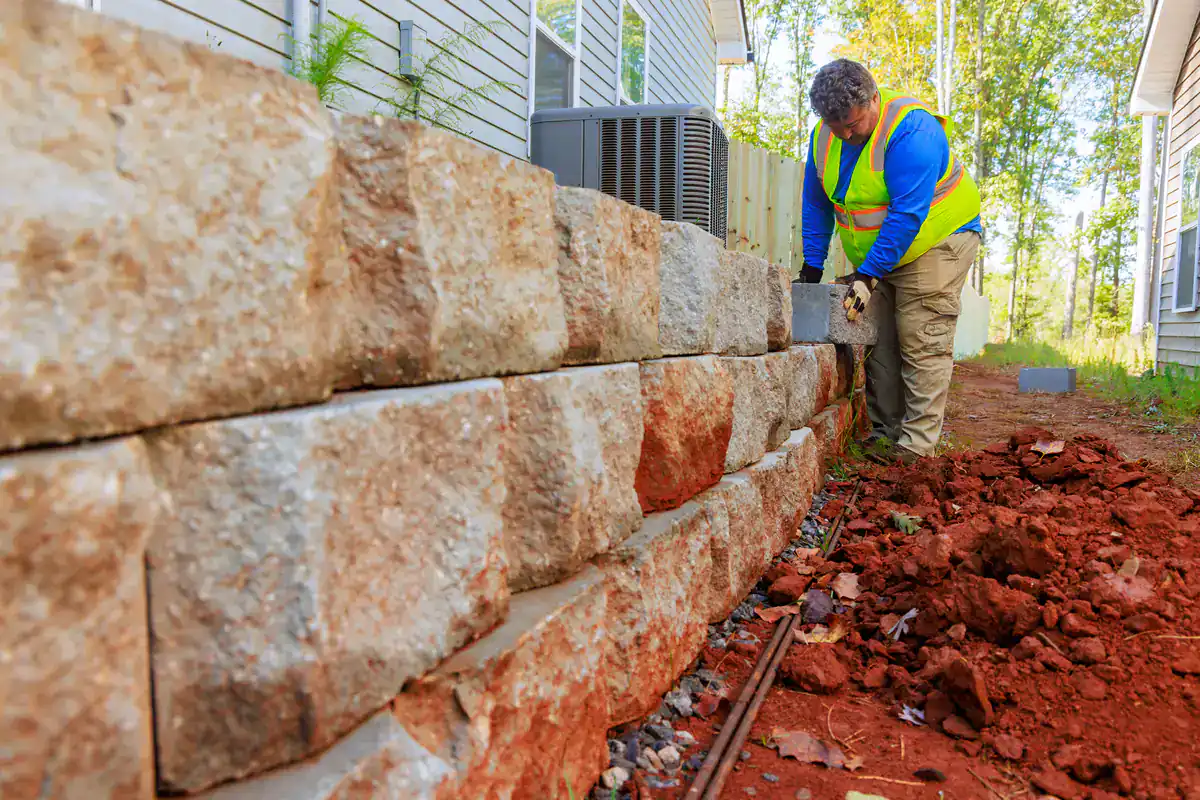
Most residential retaining walls take between three and seven days, depending on wall height, length, and site conditions. A simple 30-foot wall that’s three feet tall might be done in three days. A terraced system with multiple levels and drainage work can take a full week or more.
Weather affects the timeline. If we get heavy rain mid-project, we stop. You don’t want anyone compacting wet clay or setting block on saturated ground. It compromises the structure.
We’ll give you a realistic timeline during the estimate. If something changes—access issues, unexpected soil conditions, permit delays—we’ll let you know immediately. The goal is to finish on schedule without cutting corners that cost you later.
It depends on the wall height and location. Most towns in Union County require permits for retaining walls over a certain height—usually three to four feet. If the wall is near a property line or affects drainage onto a neighbor’s lot, you’ll likely need approval.
We handle permit applications as part of the project. We know what the local building department wants to see, and we make sure the design meets code before we submit. For taller walls, we work with a licensed civil engineer who stamps the plans.
Skipping permits isn’t worth it. If the town finds out later, you could be forced to tear it down and start over. We do it right from the beginning so you don’t have that headache.
Interlocking concrete retaining wall blocks are the most common choice for residential projects here. They’re durable, handle freeze-thaw cycles, and come in finishes that look like natural stone. They’re also easier to work with on curved walls or terraced designs.
Natural stone is an option if you want that look, but it’s more expensive and requires more skilled labor. Timber walls are cheaper upfront but don’t last as long in North Carolina’s wet climate—they rot.
We recommend concrete blocks for most Indian Trail projects because they balance cost, durability, and appearance. They’re low maintenance, they hold up in heavy rain, and they don’t shift when our clay soil moves. We’ll walk you through options during the estimate based on your budget and what the site needs.
Retaining walls hold soil in place on sloped terrain. Without them, gravity and water pull soil downhill—especially during Indian Trail’s heavy summer storms. That erosion creates channels, exposes roots, and eventually undermines anything in its path, including your foundation.
A properly built wall stops that movement. It creates a barrier that holds the soil back while allowing water to drain through a controlled system—gravel backfill, drainage pipes, and weep holes. Water exits without building pressure behind the wall, and soil stays where you put it.
This matters for your foundation because erosion changes how water flows around your house. If soil washes away near the foundation, water pools there instead. Over time, that leads to cracks, settling, and expensive repairs. A retaining wall redirects water away from the house and keeps the ground stable. It’s not just landscaping—it’s structural protection.
Yes, but steep slopes require more planning. The steeper the grade, the more pressure the wall has to hold back. That usually means a taller wall, deeper excavation, more robust drainage, and sometimes engineering approval.
In many cases, terracing works better than one tall wall. We build multiple shorter walls stepping down the slope instead of a single high structure. It’s often more stable, less expensive, and creates usable flat areas between each tier.
We assess the slope during the site visit and recommend the best approach for your property. If the grade is extreme or the soil is unstable, we’ll tell you what’s needed to make it work—and what it’ll cost. Steep slopes aren’t a dealbreaker. They just require the right design and execution.
Most retaining wall projects in the Indian Trail area run between $40 and $50 per square foot. A typical residential wall that’s 30 feet long and three feet tall costs around $3,600 to $4,500, depending on materials and site conditions.
Factors that affect cost include wall height, total length, access to the site, soil conditions, and whether you need engineered plans or permits. If we’re working in a tight backyard with no equipment access, that adds labor. If the soil is unstable and requires extra base prep, that adds materials and time.
Most contractors have a $2,500 minimum. We’re upfront about pricing during the estimate so there aren’t surprises later. You’re paying for materials that last, proper installation, and drainage systems that protect your investment. Cheaper options exist, but they usually show their problems within a few years.
Other Services we provide in Indian Trail