Summary:
Concrete Pavers vs Natural Stone vs Brick: What You Need to Know
Here’s the reality: not all pavers are created equal, and the differences go way beyond just looks. Concrete pavers offer the most bang for your buck, typically running $8-15 per square foot installed. They’re manufactured to precise specifications, so you get consistent size and strength.
Natural stone brings that timeless, high-end appeal but comes with a higher price tag—expect $15-50 per square foot depending on the stone type. Brick pavers fall somewhere in the middle at $10-20 per square foot, offering classic charm with moderate durability.
The key difference isn’t just cost. It’s how each material handles Monroe’s climate, your maintenance tolerance, and your long-term plans for the space.
Concrete Pavers: The Smart Choice for Most Homeowners
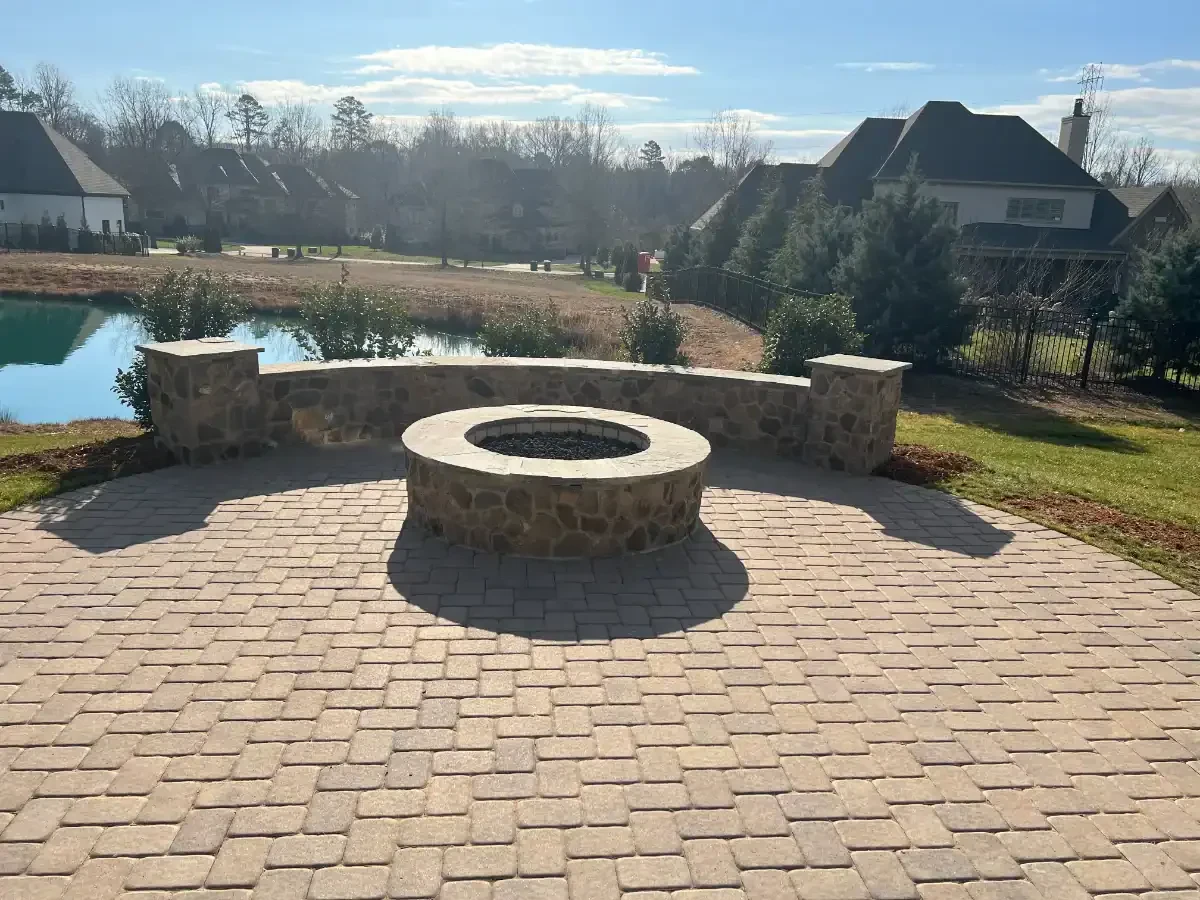
Concrete pavers are the workhorse of the paver world, and there’s a good reason they’re so popular. They’re engineered to be four times stronger than poured concrete, which means they can handle everything from your daily foot traffic to the occasional delivery truck without cracking.
What makes concrete pavers particularly smart for Monroe homeowners is their consistency. Every paver is manufactured to the same specifications, so you won’t deal with the size variations that can make natural stone installations tricky. They’re also available in dozens of colors and patterns, including options that convincingly mimic natural stone at a fraction of the cost.
The maintenance is straightforward too. A simple pressure washing once or twice a year keeps them looking fresh. If you do get a stain or damage, you can pop out individual pavers and replace them without disturbing the surrounding area. Try doing that with a concrete slab.
One thing people don’t always consider: concrete pavers are manufactured with precise edges and uniform thickness. This makes installation faster and more predictable, which can save you money on labor costs. The interlocking design also means they move together as a system, accommodating the natural ground movement that happens with our clay soils without cracking.
Natural Stone Pavers: When Premium Makes Sense
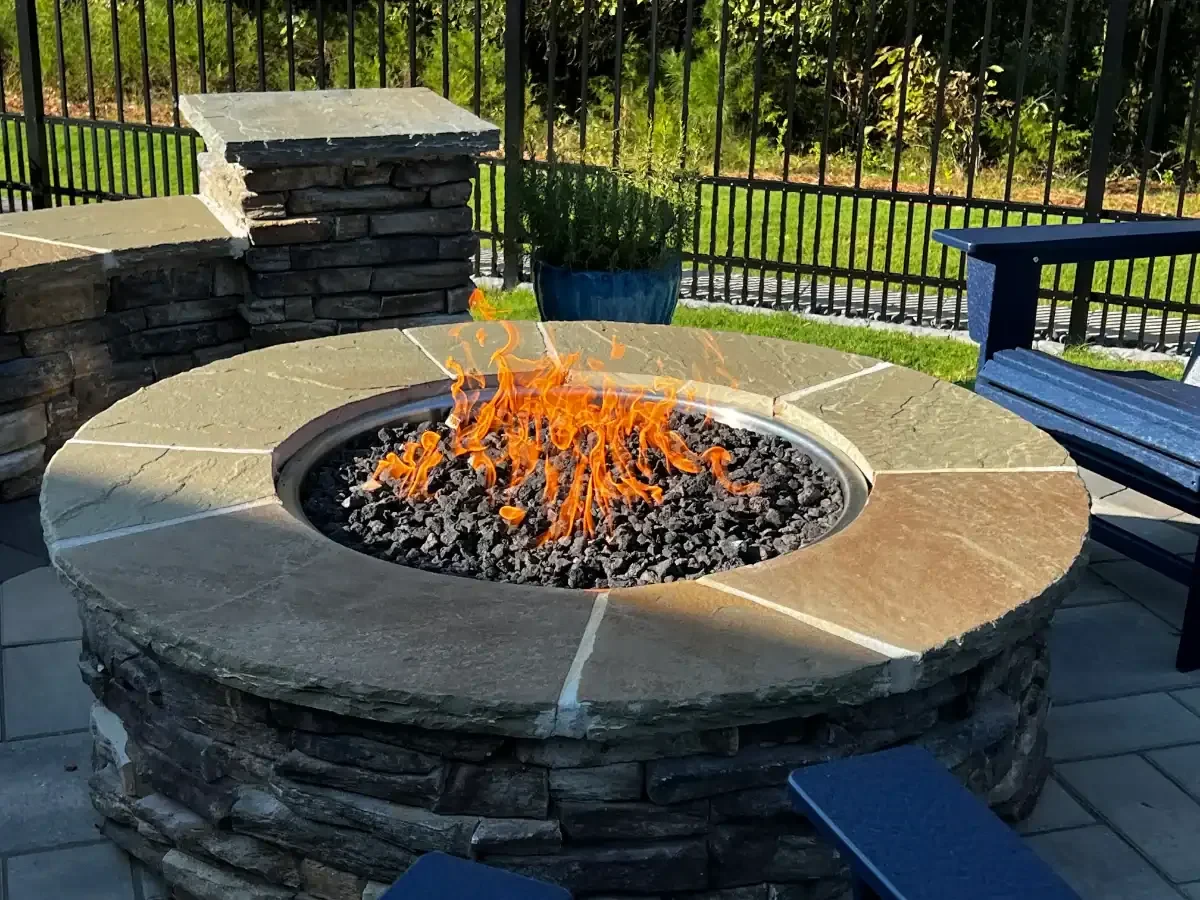
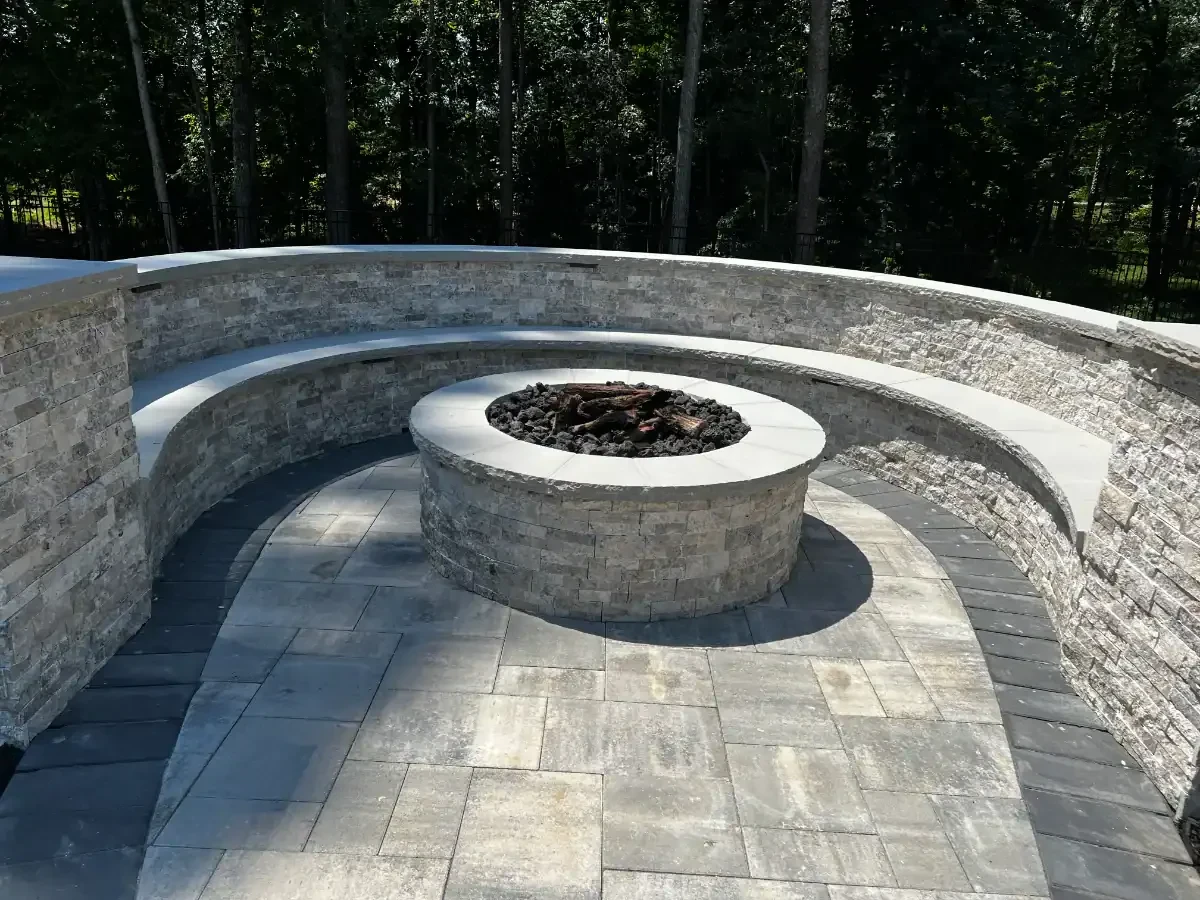
Natural stone pavers are the luxury option, and sometimes luxury is exactly what your project needs. Flagstone, slate, and travertine offer textures and color variations that you simply can’t replicate with manufactured materials. Each piece is unique, creating outdoor spaces with genuine character.
But let’s talk about what premium really means. Natural stone pavers can last 100+ years with proper care—that’s generational durability. Travertine, in particular, actually gets more beautiful with age, developing a patina that adds to its appeal. For front walkways or high-visibility patios, this longevity and natural beauty can significantly boost your home’s curb appeal and resale value.
The trade-offs are real, though. Natural stone requires more skilled installation because every piece is slightly different. Your installer needs experience working with irregular shapes and varying thicknesses. The material cost is higher, and depending on the stone type, you might need specialized sealers or more frequent maintenance.
Climate considerations matter too. Some natural stones are more porous than others, which affects how they handle Monroe’s humid summers and occasional freeze-thaw cycles. Slate and flagstone generally perform well in our climate, while softer stones like certain sandstones might require more attention.
The bottom line: if you’re planning to stay in your home long-term and want materials that age gracefully, natural stone can be worth the investment. Just make sure you’re working with a contractor who understands the specific requirements of your chosen stone.
Want live answers?
Connect with a Union Landscaping and Hardscape expert for fast, friendly support.
Driveway Pavers vs Concrete: The Real Cost Comparison
Everyone asks about the upfront cost difference, but that’s only part of the story. Yes, a paver driveway costs more initially—typically $10-20 per square foot compared to $4-10 for concrete. But here’s what those numbers don’t tell you.
Concrete driveways in our area tend to crack within 10-15 years due to our clay soils and temperature fluctuations. When concrete cracks, your repair options are limited and usually involve patching that never quite matches. A properly installed paver driveway can last 50+ years with minimal maintenance.
The math changes when you factor in long-term costs, curb appeal, and the flexibility to make changes or repairs as needed.
Why Pavers Handle Monroe's Climate Better
Monroe’s weather puts outdoor surfaces through a lot. We get scorching summer heat, sudden thunderstorms, and the occasional winter freeze. Poured concrete struggles with this because it’s rigid—when the ground moves, concrete cracks.
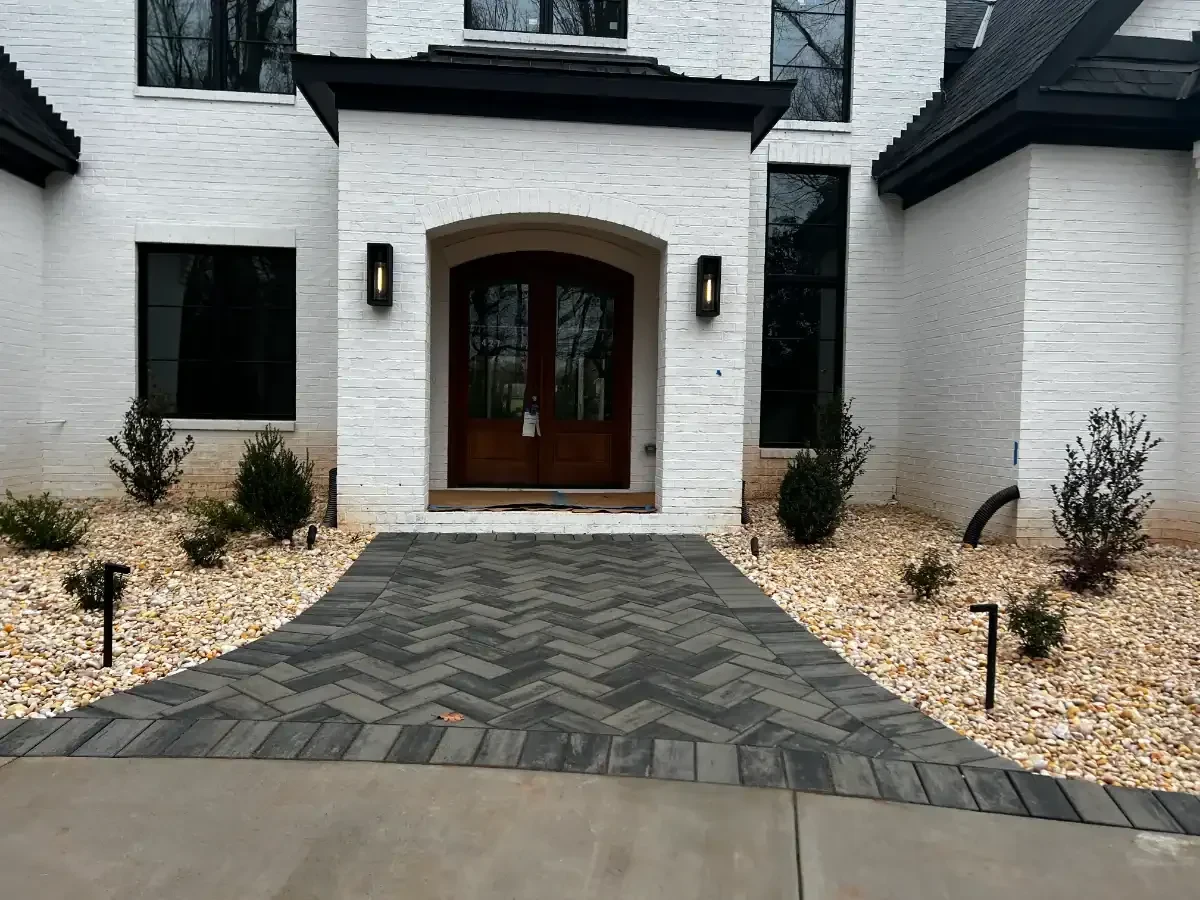
Pavers work differently. They’re individual units that can move slightly with ground movement, then settle back into place. The sand joints between pavers also allow for drainage, preventing the water buildup that can cause frost damage. This flexibility is why you’ll see 20-year-old paver installations that still look great, while concrete slabs of the same age are often cracked and stained.
The installation method matters too. Quality paver installations use a thick, properly compacted base—often 10-12 inches of graded aggregate. This creates a stable foundation that can handle our soil conditions. Concrete slabs typically use much less base preparation, which makes them more vulnerable to settling and cracking.
Maintenance in our humid climate is another advantage. If mold or mildew develops on pavers, you can pressure wash or even replace individual units. With concrete, staining and discoloration often become permanent, especially in shaded areas where moisture tends to linger.
Paver Maintenance: What Actually Works in North Carolina
Let’s be honest about maintenance—every outdoor surface needs some attention, but pavers make it manageable. The key is understanding what you’re actually dealing with in our climate and having a realistic plan.
Regular cleaning is your first line of defense. A good pressure washing twice a year removes the organic matter that feeds mold and mildew growth. Use a fan tip and keep the pressure moderate—you want to clean the surface, not blast out the joint sand. For routine cleaning between pressure washings, a stiff brush and mild detergent work fine.
Sealing is optional but recommended for high-traffic areas or if you want to enhance color. A quality sealer applied every 2-3 years helps resist stains and makes cleaning easier. Skip the cheap sealers that promise miracle results—they often trap moisture and cause more problems than they solve.
Weed control is straightforward if you stay on top of it. Polymeric sand in the joints hardens when wet, creating a barrier that prevents most weed growth. If weeds do appear, remove them promptly before they establish root systems. A string trimmer works for larger areas, or you can spot-treat with an appropriate herbicide.
The real advantage of pavers shows up when you need repairs. Spilled oil on your patio? Pop out the affected pavers, clean or replace them, and you’re done. Tree root pushed up a section of your walkway? Remove the pavers, address the root issue, re-level the base, and reinstall. With concrete, these same problems often mean starting over with a new slab.
Making the Right Choice for Your Monroe Home
The best paver material for your project depends on your specific situation—your budget, how you’ll use the space, and your long-term plans. Concrete pavers offer the best balance of cost, durability, and design flexibility for most homeowners. Natural stone makes sense when you want premium aesthetics and plan to stay long-term. Brick pavers work well for traditional home styles and moderate budgets.
What matters most is proper installation with adequate base preparation and attention to drainage. Even the best materials will fail if they’re not installed correctly for our local soil and climate conditions.
Ready to explore your options? We can help you choose the right materials and create a detailed plan that fits your vision and budget. We understand Monroe’s unique challenges and have the experience to deliver results that last.