Summary:
What Makes a Quality Paver Installation in Mecklenburg County
When paver installation is done right, you get a surface that handles North Carolina’s weather extremes without cracking, settling, or washing out. The difference is in the details most contractors skip – proper base preparation means your pavers stay level for decades, quality materials mean colors that don’t fade after two summers, and professional installation means drainage that works.
Charlotte’s clay-heavy soil presents unique challenges that experienced contractors know how to handle. Clay expands when wet and contracts when dry, creating movement that can destroy improperly installed hardscapes. Poor drainage causes more paver failures than any other factor in our climate.
The difference shows up in the base preparation and materials. Cheap installations skip proper excavation depth, use inadequate base materials, or rush the compaction process. This leads to settling, shifting, and early failure.
Base Preparation: The Foundation That Determines Everything
The excavation depth depends on your project’s intended use. Walkways typically require 8-10 inches of total depth, while driveways need 12-14 inches to handle vehicle loads. This accounts for the base material, bedding sand, and paver thickness.
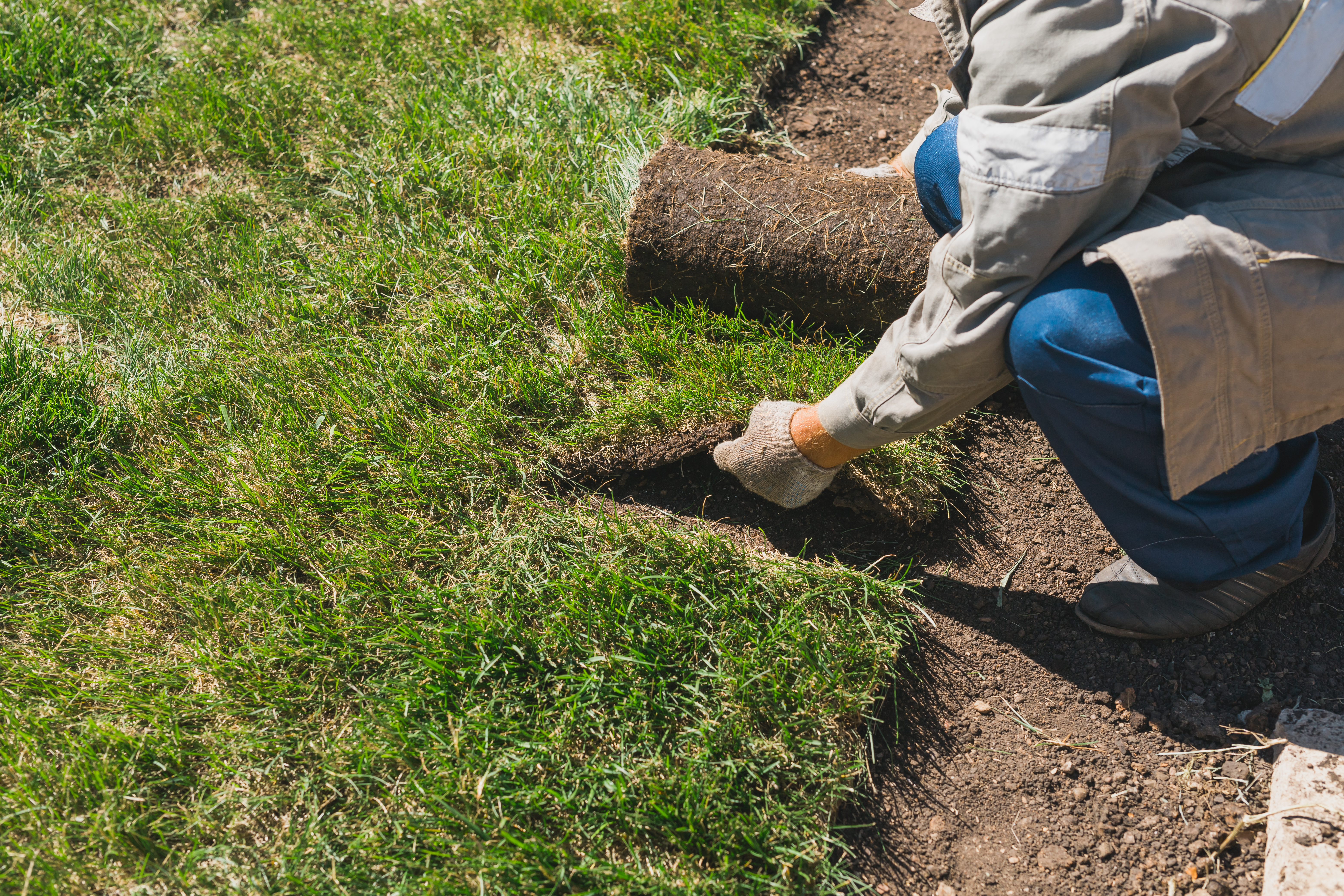
During excavation, professional contractors remove all organic material—grass, roots, leaves, and debris that will decompose over time. Even small amounts of organic matter can create soft spots that lead to settling and uneven surfaces years later.
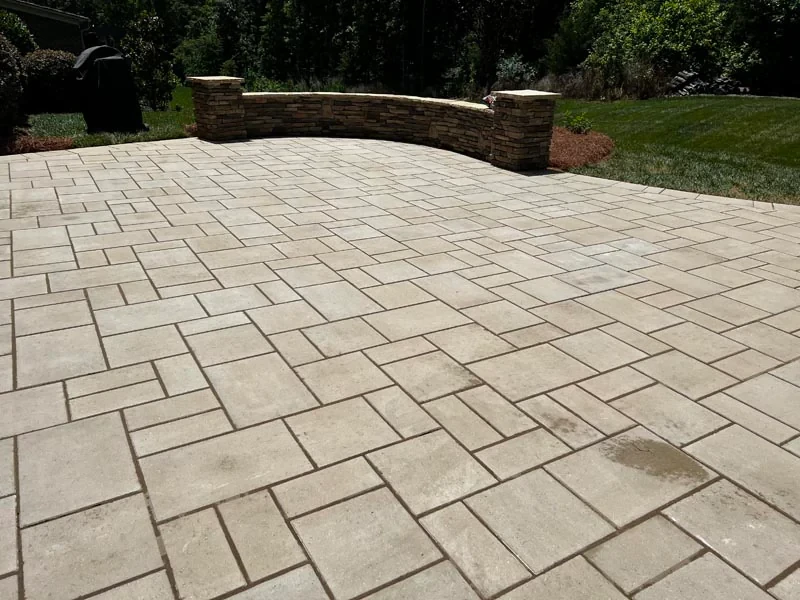
The crushed concrete base beneath your pavers is super important. Its coarse texture allows for drainage and helps lock the pavers into place. You don’t want to skimp on base. This is where many contractors cut corners to save time and money, but it’s also where your project’s long-term success is determined.
The excavated area gets graded with a slight slope away from your home or structures. This slope, typically 1 inch per 8 feet, ensures proper drainage. Poor drainage causes more paver failures than any other factor in our climate.
Professional contractors understand that base preparation isn’t just about digging a hole. It’s about creating a stable foundation that will support your pavers through decades of freeze-thaw cycles, heavy rains, and daily use. Quality installation means excavating to proper depth, using the right base materials for your soil conditions, and taking time to compact each layer properly. You’ll pay more upfront but avoid costly repairs and replacements down the road.
Drainage Solutions That Actually Work
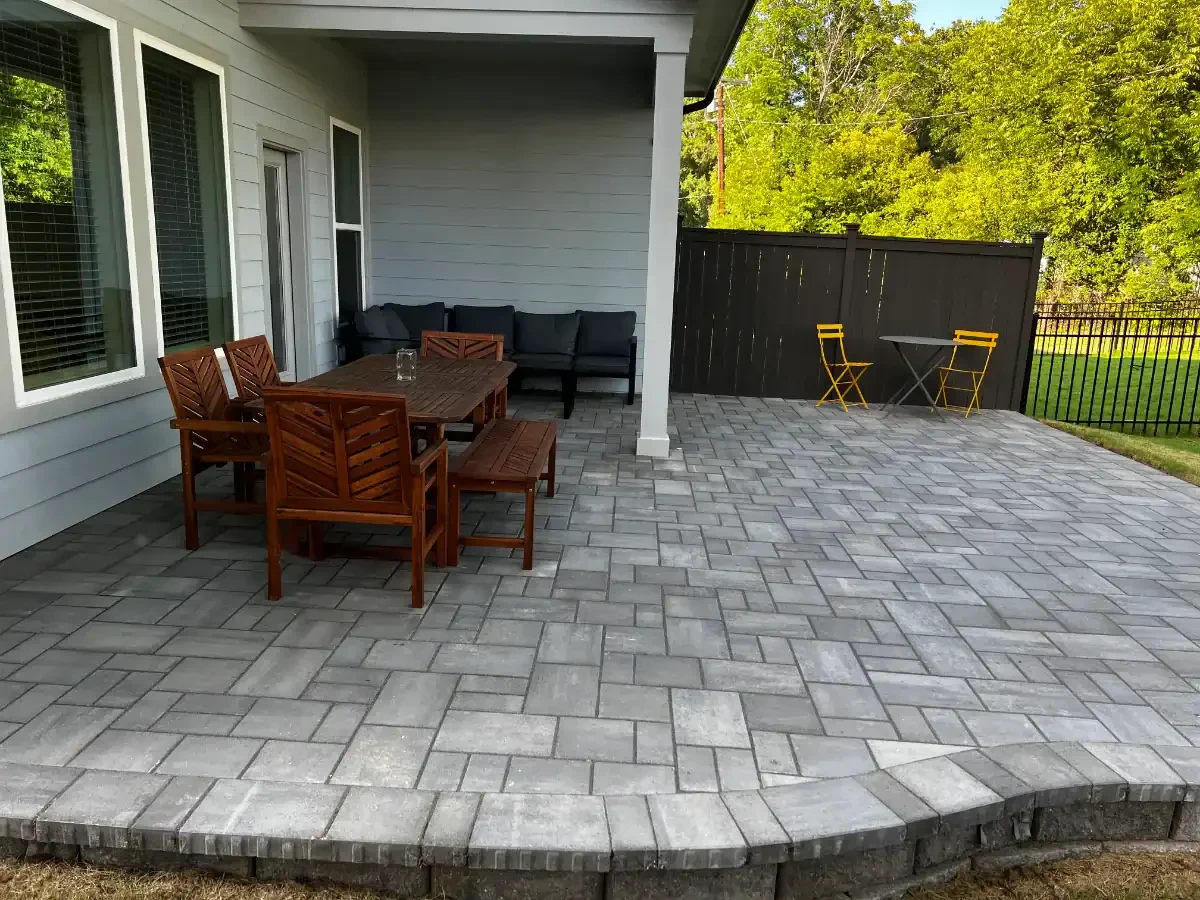
When a paver patio, driveway or walkway is installed, certain steps are supposed to happen to allow for proper drainage. Your paver project should pitch to the side a bit, so water can drain. The area should look and seem flat and level, but will be installed with just enough tilt for proper drainage. If your patio or driveway can’t drain properly, you end up with standing water, erosion, foundation damage, or even a wet basement.
Proper drainage ensures that water does not accumulate on the surface or underneath the driveway, which can cause damage and other costly issues once the paver installation process is complete. Identifying and addressing any drainage problems beforehand will help ensure a long-lasting, durable, and visually pleasing driveway.
Sustainable hardscaping services using materials like permeable pavers allow rainwater to filter back into the soil, reducing runoff. This isn’t just an environmental benefit—it’s a practical solution for properties that struggle with water management.
The best paver contractors in Mecklenburg County don’t just install pavers; they solve water problems. Channel drains can significantly improve driveway drainage by efficiently directing any excess water away from the surface, preventing pooling and erosion. These drains are installed along the driveway’s edges or low points and are meant to capture runoff and channel it to a designated drainage area.
Permeable paving can significantly improve the drainage in your driveway by allowing water to pass through the pavement and into the ground rather than accumulating on the surface and causing damage over time. This method addresses drainage issues that are typically found in traditional, non-porous pavements that prevent water infiltration.
Want live answers?
Connect with a Union Landscaping and Hardscape expert for fast, friendly support.
How to Evaluate Paver Contractors in Your Area
Some paver companies might claim they’re using top materials but in fact they’re not. It’s not okay to call yourself a professional paving company and then use cheap paving materials and make people have to pay for it. Those companies are not only hurting themselves and you, they are also putting a bad name out there for all the other paving companies.
When you work with local contractors who live and work in this community, you’re working with contractors who see their completed projects regularly, which keeps them focused on quality that lasts.
The right contractor will be transparent about their process, materials, and pricing. They’ll explain why proper base preparation matters and won’t try to sell you on shortcuts that save them time but cost you money later.
Questions Every Homeowner Should Ask
Ask for detailed estimates that break down materials and labor so you understand exactly what you’re paying for. No surprises or hidden costs. Professional contractors are happy to explain every line item.
Understanding Paver Installation Costs in Mecklenburg County
Costs vary based on materials, site conditions, and project complexity. Basic concrete paver installation typically runs $12-18 per square foot installed. Premium materials like natural stone run $20-35 per square foot.
Average costs in Charlotte to install cobblestone pavers in 2024 are between $16.16 and $18.33 per square foot. For most projects, paver patios cost North Carolina residents between $17 to $25 or more per square foot, with the entire process resulting in an average cost of about $5,000 to $9,000.
But here’s what many homeowners don’t realize: the lowest bid often costs the most in the long run. Sure it cost you a lot, but look at your amazing pavers! Then, after a couple of days you begin to wonder why your pavers are not looking so wonderful… so soon. Well, that is probably because you thought that paver company was using top materials but in fact they were not.
Factors affecting price include excavation requirements, drainage needs, and access to the work area. A contractor who gives you a quote without assessing these factors isn’t giving you an accurate estimate.
In most cases, the range may run from $8 to $18 per square foot for simple paving up to $30 per square foot for more complex patterns. But paying a bit more to install quality brick or stone paving for your residential or business property may save you money in the long run.
Quality contractors understand that their reputation depends on long-term results, not just getting the job done quickly. Quality installation means excavating to proper depth, using the right base materials for your soil conditions, and taking time to compact each layer properly. You’ll pay more upfront but avoid costly repairs and replacements down the road.
Making the Right Choice for Your Paver Project
Your property deserves more than a quick fix. When paver installation is done right, you get a surface that handles North Carolina’s weather extremes without cracking, settling, or washing out. You’re looking at increased property value that actually shows up in appraisals, real curb appeal that makes neighbors take notice, and outdoor spaces you’ll actually want to use.
We at Union Landscaping and Hardscape S Corp have been serving Monroe and the greater Charlotte area with professional paver installation services. We understand the unique challenges of working with local soil conditions and weather patterns. When you work with us, you’re working with contractors who live and work in this community.
The difference between a beautiful outdoor space that lasts decades and one that becomes a costly headache comes down to choosing the right contractor. Don’t let a few hundred dollars in savings cost you thousands in repairs later. Your outdoor investment should enhance your life, not create problems.