Paver Contractors in Alton, NC

Pavers That Actually Last

Professional paver installation that won’t shift, settle, or disappoint you in two years.
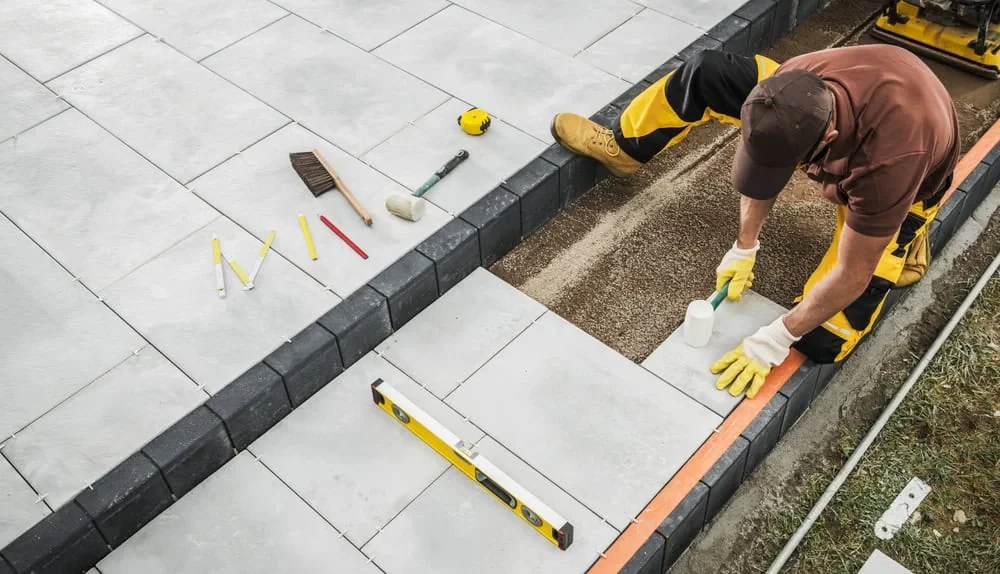
Landscaper Laying Concrete Slab Mecklenburg County North Carolina
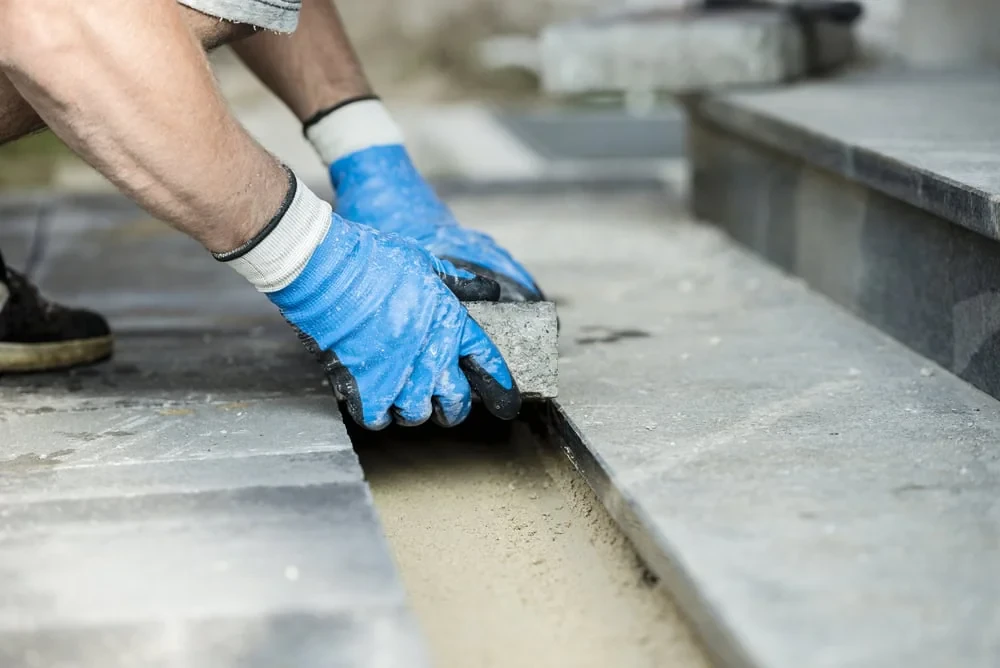
Leveling Sand Stone Stairs Mecklenburg County North Carolina_1

Professional Paver Installation Alton

What Proper Installation Gets You

You get pavers that stay level. No sunken spots in your driveway after the first winter. No wobbly stones on your patio when you’re hosting family.

The difference is in the base work. Most contractors skip steps because you can’t see what’s underneath. We don’t cut corners on the foundation because that’s what determines whether your investment holds up or becomes a headache.

Your pavers will drain properly, resist North Carolina’s freeze-thaw cycles, and maintain their appearance for decades. That’s what happens when the job is done right the first time.

Alton Paver Contractors

We Know Alton's Ground

Union Landscaping and Hardscape S Corp has been handling paver projects throughout Alton and the surrounding areas for years. We understand the local soil conditions, drainage challenges, and weather patterns that affect paver installations.

Our team works on both residential driveways and patios as well as commercial walkways and parking areas. We’ve seen what works in this area and what doesn’t.

You’re working with contractors who show up when scheduled, complete projects as promised, and stand behind the work long after installation.
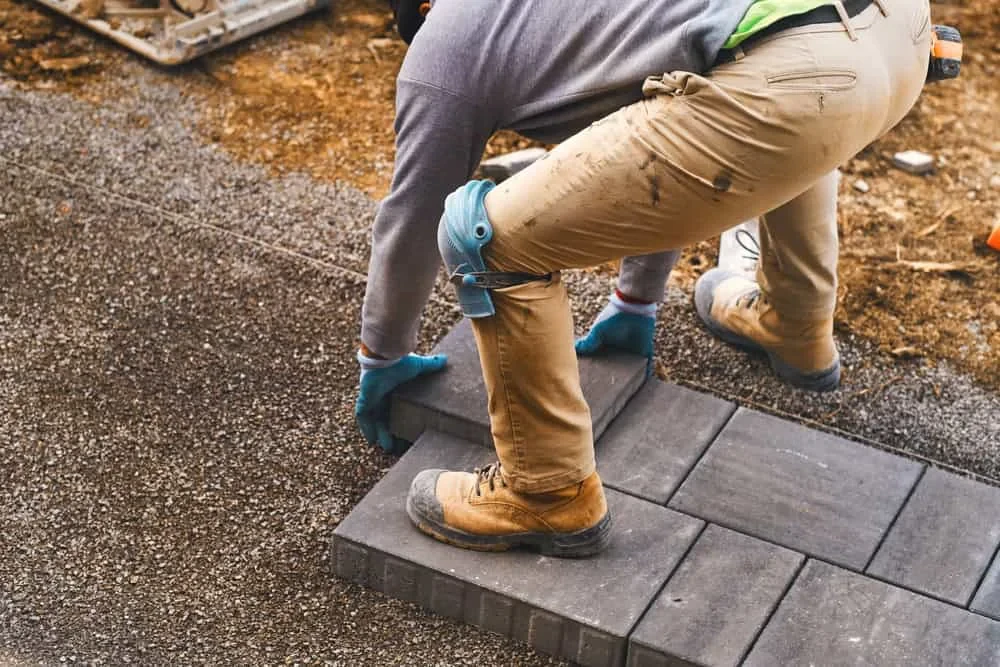
Landscaper Laying Gray Pavers Mecklenburg County North Carolina

Paver Installation Process

Here's How We Handle Your Project

First, we assess your site and discuss your vision. We’ll walk through material options, layout possibilities, and any drainage considerations specific to your property.

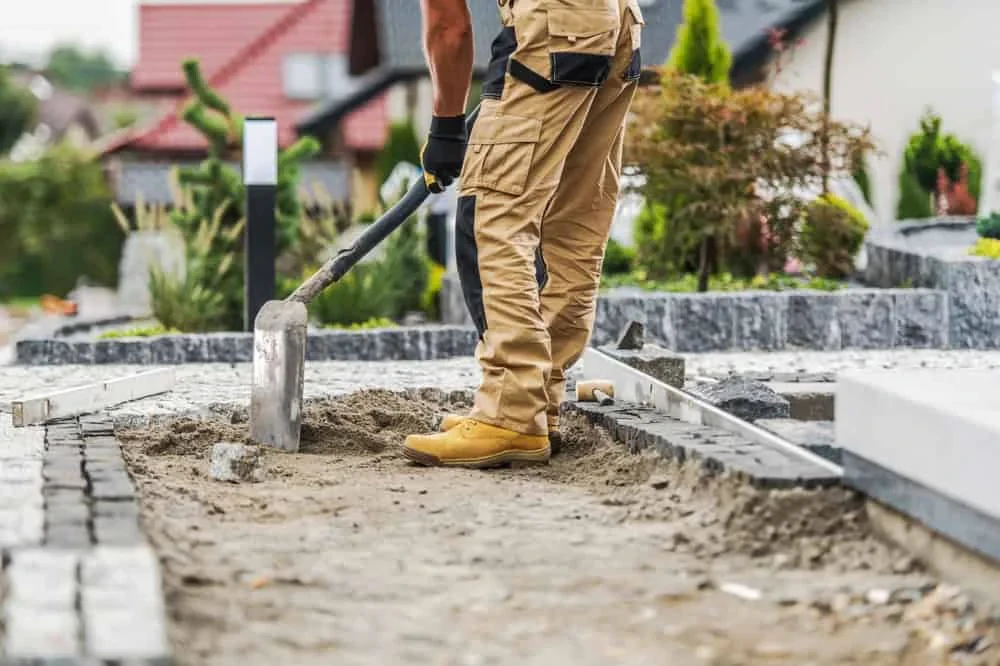
Next comes excavation and base preparation. This is where most problems start or get prevented. We excavate to proper depth, install the right base materials, and ensure proper compaction and grading for drainage.

Then we install your pavers with precise attention to pattern, spacing, and edge restraints. We finish with joint sand and sealing if requested. The entire process typically takes 3-5 days depending on project size, and we keep you informed throughout.
Landscaper Shoveling Foundation Mecklenburg County North Carolina_1

Ready to get started?

Explore More Services

About Union Landscaping and Hardscape

Get a Free Consultation

Residential Commercial Paver Services

What's Included in Every Project

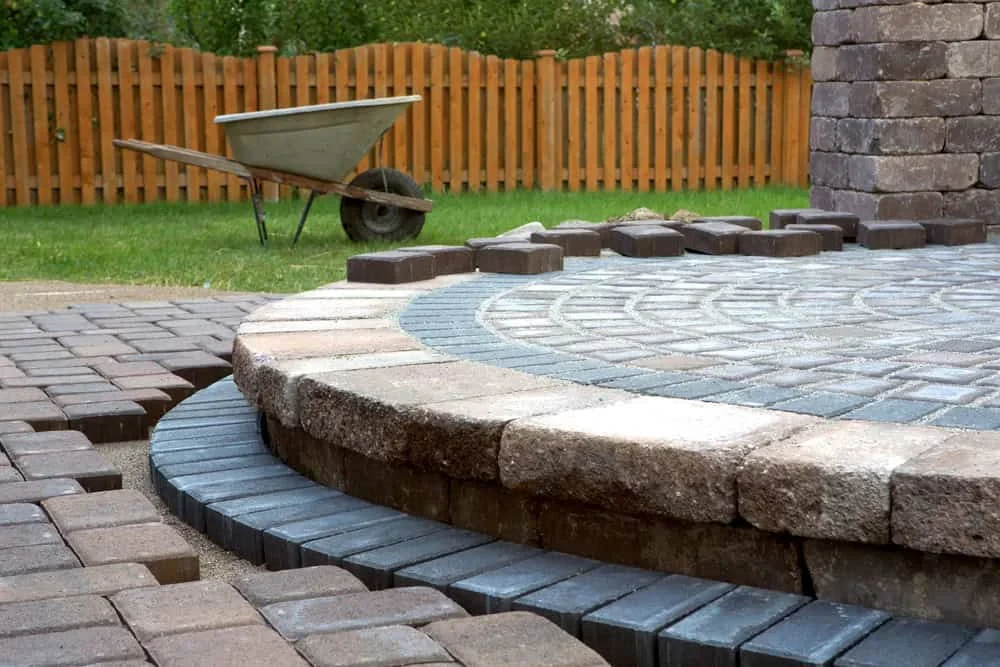
Every paver installation includes proper site preparation, base material installation, edge restraint systems, and professional paver laying. We handle both interlocking paver installation and natural stone paver installation.

For driveways, we focus on load-bearing capacity and proper drainage. Patio projects emphasize level surfaces and aesthetic appeal. Walkway installations prioritize safety and durability.

We work with brick pavers, concrete pavers, and natural stone options. Material selection depends on your budget, aesthetic preferences, and intended use. Commercial projects get additional attention to ADA compliance and high-traffic durability requirements.
Stone Patio Under Construction Mecklenburg County North Carolina

How long do professionally installed pavers typically last?

Properly installed pavers can last 25-50 years with minimal maintenance. The key is proper base preparation and installation technique. Pavers themselves are extremely durable, but poor installation can cause problems within just a few years. When installed correctly with adequate base depth, proper compaction, and appropriate edge restraints, pavers will outlast concrete and asphalt alternatives while maintaining their appearance and structural integrity.
Pavers offer several advantages over concrete for driveways. They’re more durable in freeze-thaw conditions, can be individually replaced if damaged, and provide better traction. Pavers also add more value to your property and offer design flexibility that concrete can’t match. While the initial investment is higher, pavers typically require less maintenance over time and won’t crack like concrete slabs. They also handle ground movement better, which is important in areas with clay soil.
Preventing paver movement starts with proper base preparation. We excavate to the correct depth, install and compact aggregate base material in lifts, and use appropriate edge restraints around the perimeter. The base typically needs to be 6-8 inches deep for patios and 8-12 inches for driveways. Proper compaction at each stage and quality edge restraints are crucial. We also ensure proper drainage to prevent water from undermining the base, which is a common cause of paver settlement.
In some cases, yes, but it depends on the condition of the existing surface. The concrete or asphalt must be structurally sound, properly sloped for drainage, and thick enough to support the additional weight. We typically add a leveling layer and ensure proper drainage before installing pavers. However, complete removal and proper base installation often provides better long-term results. We’ll assess your specific situation and recommend the approach that will give you the best outcome for your investment.
Paver maintenance is minimal but important for longevity. Regular sweeping and occasional power washing keep them looking good. Joint sand may need replenishing every few years, especially in high-traffic areas. Sealing is optional but can enhance color and make cleaning easier – typically needed every 3-5 years if you choose to seal. Weeds between pavers can be prevented with proper joint sand or polymeric sand. Individual pavers can be replaced if damaged, which is a major advantage over concrete.
Paver installation costs vary based on materials, project size, site conditions, and design complexity. Basic concrete pavers typically cost less than natural stone options. Driveways require thicker base preparation than patios, affecting cost. Site accessibility, excavation requirements, and drainage needs also impact pricing. We provide detailed estimates after assessing your specific project requirements. While pavers cost more upfront than concrete, they often provide better long-term value through durability, repairability, and property value enhancement.