Paver Contractors in Wildwood, NC

Pavers That Actually Last

Professional installation, proper drainage, zero settling issues – finally, paver work done right in Wildwood.
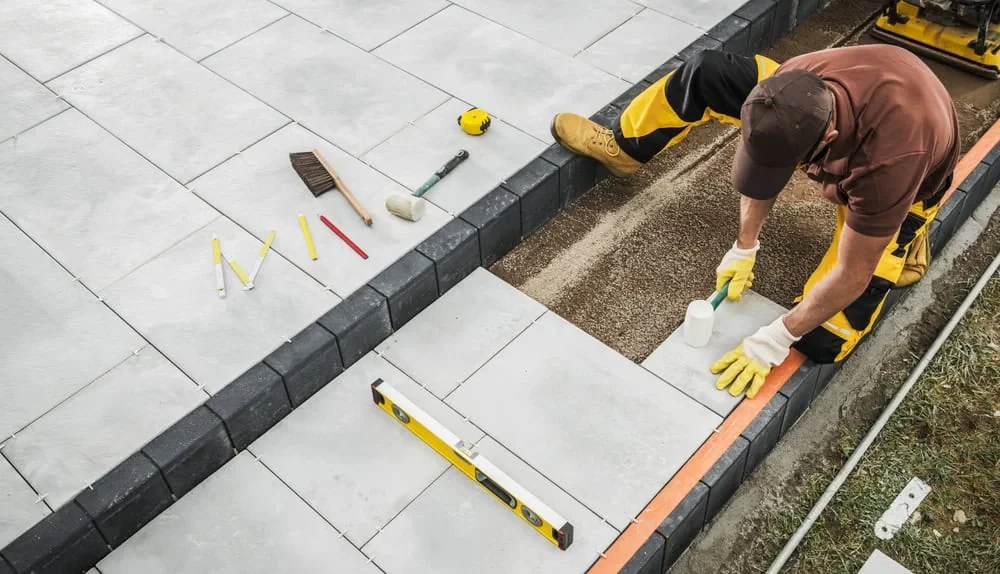
Landscaper Laying Concrete Slab Mecklenburg County North Carolina
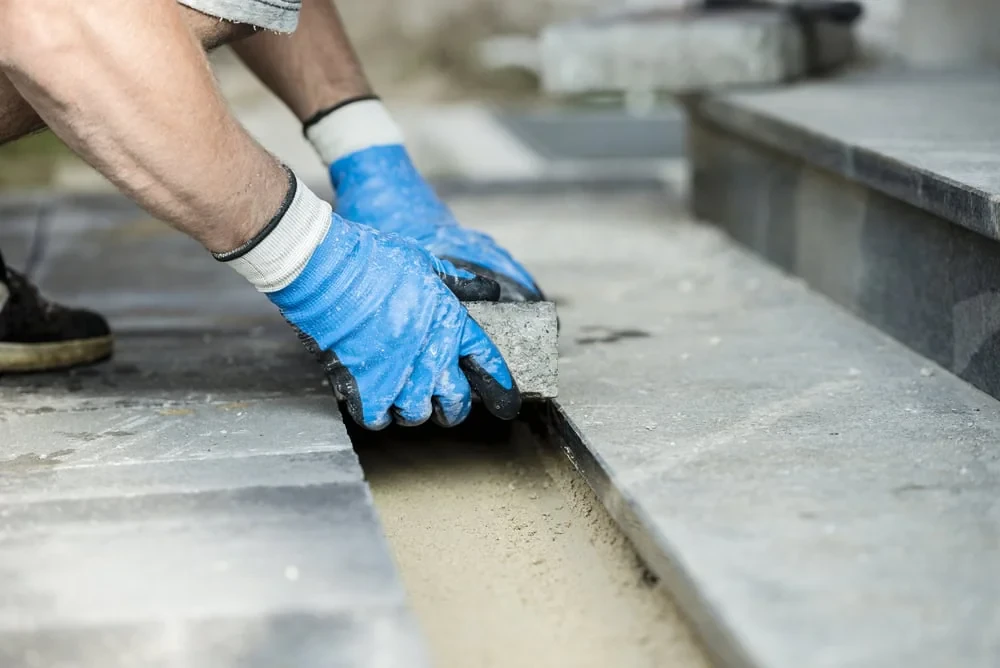
Leveling Sand Stone Stairs Mecklenburg County North Carolina_1

Professional Paver Installation Wildwood

What You Get When It's Done Right

You get pavers that stay level. No sinking corners, no shifting stones, no water pooling where it shouldn’t. Your driveway handles North Carolina weather without cracking like concrete does.

Your patio becomes the space you actually want to use. Stable underfoot, proper slope for drainage, materials that won’t fade or chip after a few seasons. The kind of installation that makes your neighbors ask who did the work.

This isn’t about perfect Instagram photos. It’s about pavers that function exactly as they should, year after year, without the maintenance headaches that come from shortcuts during installation.

Wildwood Paver Installation Experts

We Know What Works Here

Union Landscaping and Hardscape S Corp handles paver installation the way it should be done in North Carolina. We understand local soil conditions, drainage requirements, and what materials hold up best in this climate.

You’re not getting cookie-cutter solutions or rushed installations. Every project gets proper base preparation, correct grading for water management, and installation techniques that prevent the settling issues you see with other contractors’ work.

We serve both residential and commercial clients throughout Wildwood and the surrounding areas. When you need paver work that lasts, you need contractors who understand the difference between doing it fast and doing it right.
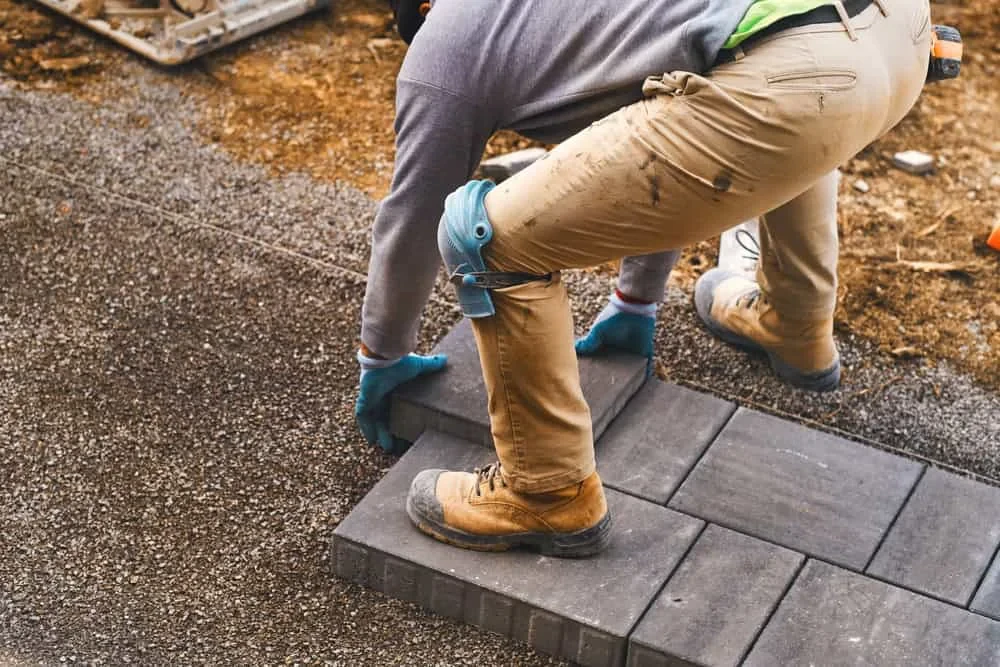
Landscaper Laying Gray Pavers Mecklenburg County North Carolina

Paver Installation Process Wildwood

How We Handle Your Project

First, we assess your site conditions. Soil type, drainage patterns, existing grade – all the factors that determine whether your pavers will stay put long-term. We measure twice, dig once.

Next comes proper excavation and base preparation. This is where most problems start with other contractors. We excavate to the right depth, install proper base materials, and compact everything correctly. No shortcuts here because shortcuts show up later as settling and uneven surfaces.

Then we install your pavers with correct spacing, proper edge restraints, and final compaction. We handle the details that keep everything level and stable. When we’re done, you get pavers that look professional and perform reliably for years.
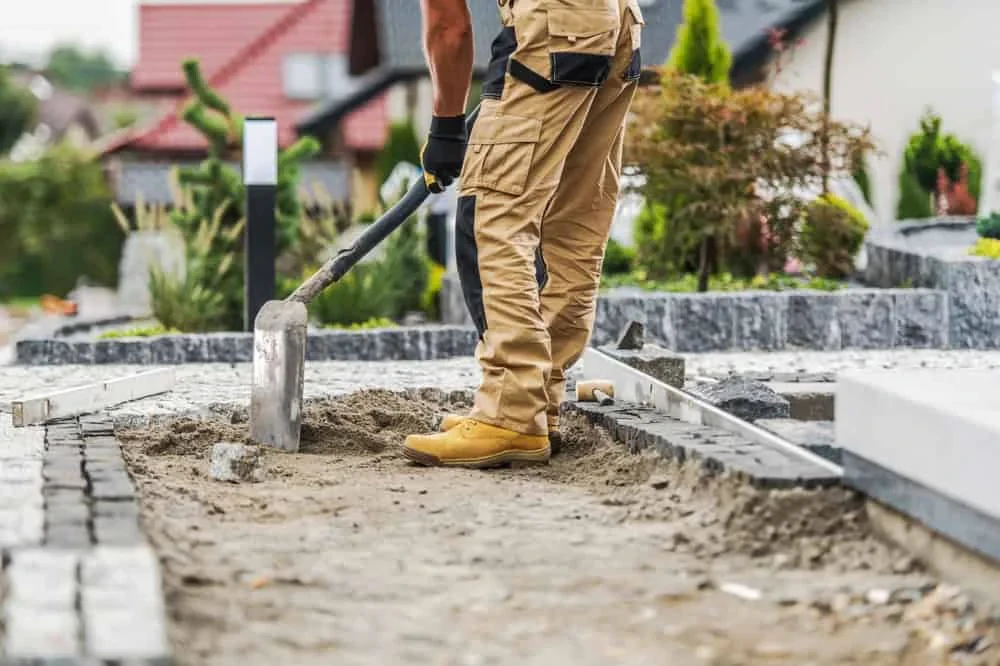
Landscaper Shoveling Foundation Mecklenburg County North Carolina_1

Ready to get started?

Explore More Services

About Union Landscaping and Hardscape

Get a Free Consultation

Wildwood Residential Commercial Pavers

What's Included in Every Installation

Every paver installation includes proper site preparation, base material installation, and professional-grade compaction. We handle permits when required and coordinate any utility marking needed before excavation begins.

You get material selection guidance based on your specific use case. Driveway pavers need different specifications than patio pavers. We match materials to application so you get the durability you’re paying for without overspending on unnecessary features.

We also include proper drainage solutions. North Carolina gets serious rainfall, and improper drainage destroys paver installations. We grade everything correctly and install drainage where needed so water goes where it should instead of undermining your investment.
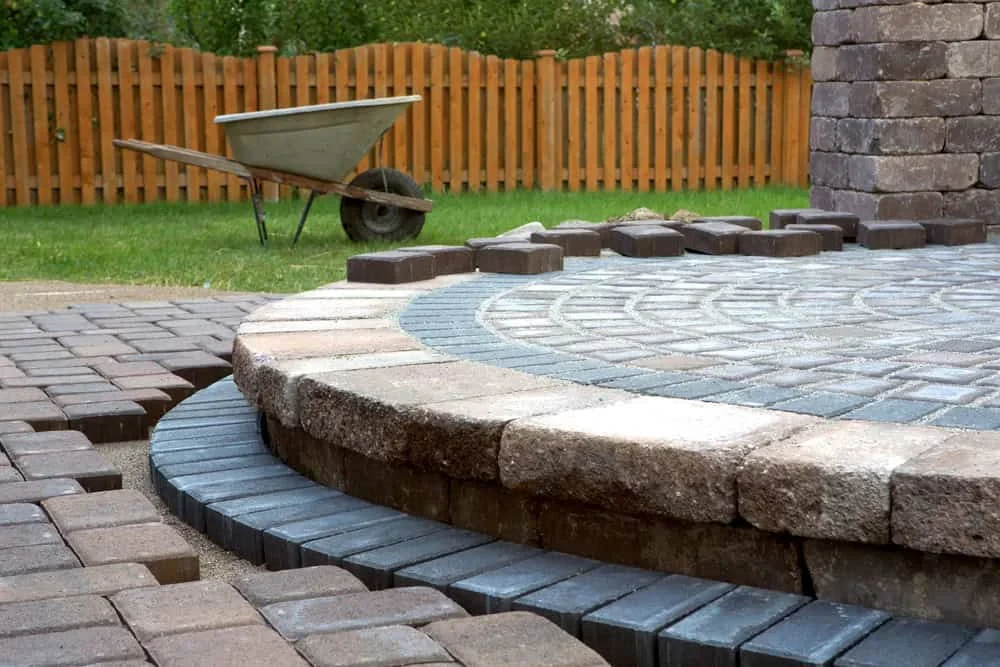
Stone Patio Under Construction Mecklenburg County North Carolina

How long does paver installation typically take in Wildwood?

Most residential paver projects take 3-5 days depending on size and complexity. Weather can extend timelines since we won’t install pavers on wet base materials – that leads to settling issues later. Commercial projects vary widely based on scope, but we provide realistic timelines upfront. We’d rather give you an accurate timeline than promise something unrealistic and leave you hanging when weather or site conditions require proper handling.
Concrete pavers offer consistent sizing and color options with lower material costs. They’re manufactured to specific standards and work well for most residential applications. Natural stone pavers like flagstone or slate provide unique textures and colors but require more careful installation due to thickness variations. Stone typically costs more but offers a distinctive appearance. Both can last decades when installed properly – the choice usually comes down to budget and aesthetic preferences rather than durability concerns.
Yes, properly installed pavers handle freeze-thaw cycles better than poured concrete. Individual pavers can move slightly without cracking, while concrete slabs crack when the ground shifts. Pavers also allow for easier repairs – if one section settles or gets damaged, you can lift and reset individual pavers rather than replacing entire sections. The key is proper base preparation and installation. Poorly installed pavers will fail just like any other surface, but done right, they outperform concrete for longevity.
Proper base preparation prevents 90% of settling issues. We excavate to the correct depth, install and compact base materials in lifts, and ensure proper drainage so water doesn’t undermine the foundation. Edge restraints keep pavers from spreading outward under load. We also use the right sand for joints and compact everything properly after installation. Shortcuts in any of these steps lead to problems later. Most “failed” paver installations actually failed during the preparation phase, not because pavers themselves don’t work.
Properly installed pavers need minimal maintenance. Occasional sweeping and rinsing handles normal dirt and debris. Joint sand may need topping off every few years depending on traffic and weather. Sealing is optional – it enhances color and makes cleaning easier but isn’t required for durability. If individual pavers get stained or damaged, you can replace just those pieces. The main thing is keeping drainage clear so water doesn’t pool or back up against the paver surface.
Sometimes, but it depends on the condition of the existing concrete and the application. The concrete needs to be structurally sound, properly sloped for drainage, and thick enough to support the additional load. Overlay installations work better for patios than driveways due to load requirements. In many cases, removing the old concrete and starting fresh provides better long-term results and allows for proper drainage correction. We evaluate each situation individually rather than giving blanket recommendations since site conditions vary significantly.