Paver Contractors in Seven Eagles, NC

Pavers That Actually Last

Professional paver installation that increases your property value and stands up to North Carolina weather.
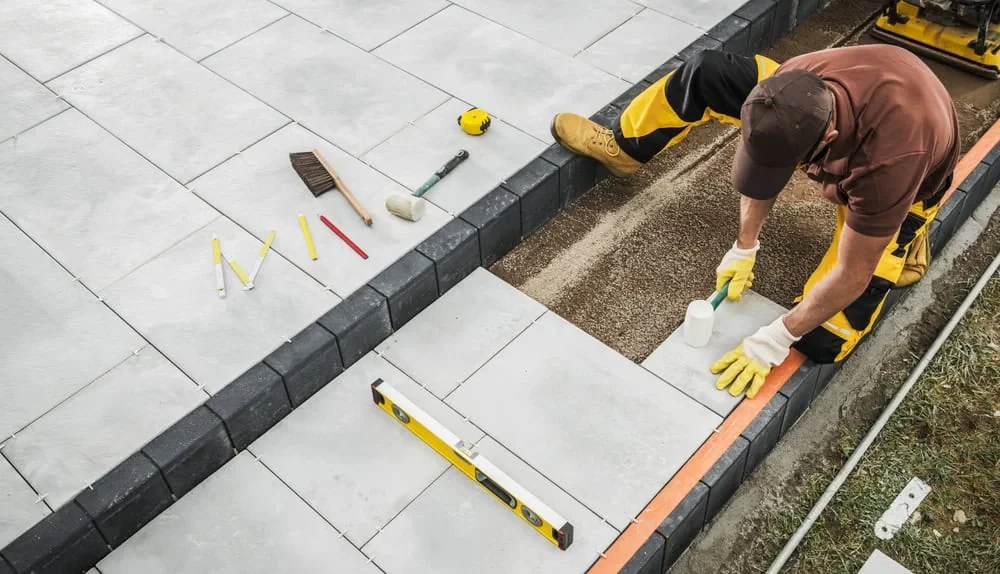
Landscaper Laying Concrete Slab Mecklenburg County North Carolina
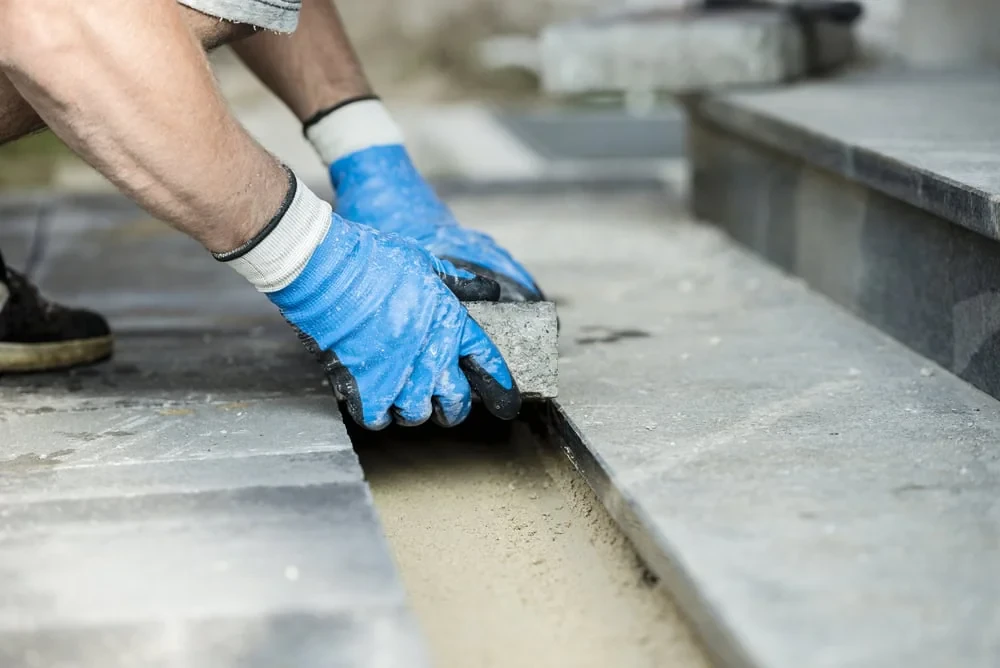
Leveling Sand Stone Stairs Mecklenburg County North Carolina_1

Professional Paver Installation Seven Eagles

What You Get With Proper Installation

Your driveway won’t crack like concrete. Your patio won’t shift or sink after the first heavy rain. Your walkways won’t become uneven trip hazards in two years.

That’s what happens when paver installation is done right the first time. You get surfaces that handle North Carolina’s clay soil, freeze-thaw cycles, and heavy summer storms without failing.

The difference is in the foundation work. Most contractors skip the proper base preparation because it takes time and costs more upfront. But when your pavers are installed on a properly prepared base with correct drainage, they’ll look and perform exactly the same in ten years as they do on day one.

Seven Eagles Paver Contractors

We Know Local Soil Conditions

Union Landscaping and Hardscape S Corp has been installing pavers throughout the Seven Eagles area and greater Charlotte region for years. We understand exactly how North Carolina’s clay soil behaves and what it takes to build foundations that won’t shift or settle.

Every project starts with proper site evaluation and soil preparation. We know which base materials work best in this climate and how to handle drainage challenges that are common in this area.
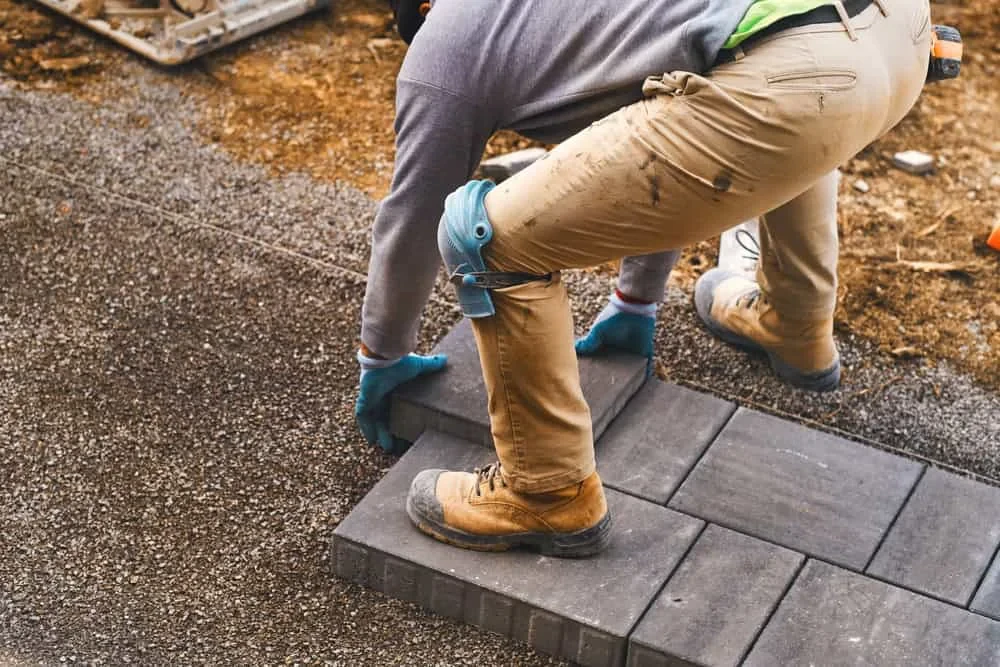
Landscaper Laying Gray Pavers Mecklenburg County North Carolina

Paver Installation Process Seven Eagles

How Professional Installation Actually Works

First, the existing surface gets removed and the area is excavated to proper depth. This isn’t just scraping the top – it’s digging down far enough to install a real foundation.

Next comes base preparation. A layer of crushed stone gets installed, leveled, and compacted. Then a layer of sand goes on top, also leveled and compacted. This foundation work is what prevents your pavers from shifting, sinking, or becoming uneven over time.

Finally, pavers get installed according to your chosen pattern, cut to fit perfectly around edges and obstacles, and finished with joint sand and sealing if requested. The result is a surface that looks great and performs exactly as it should for decades.
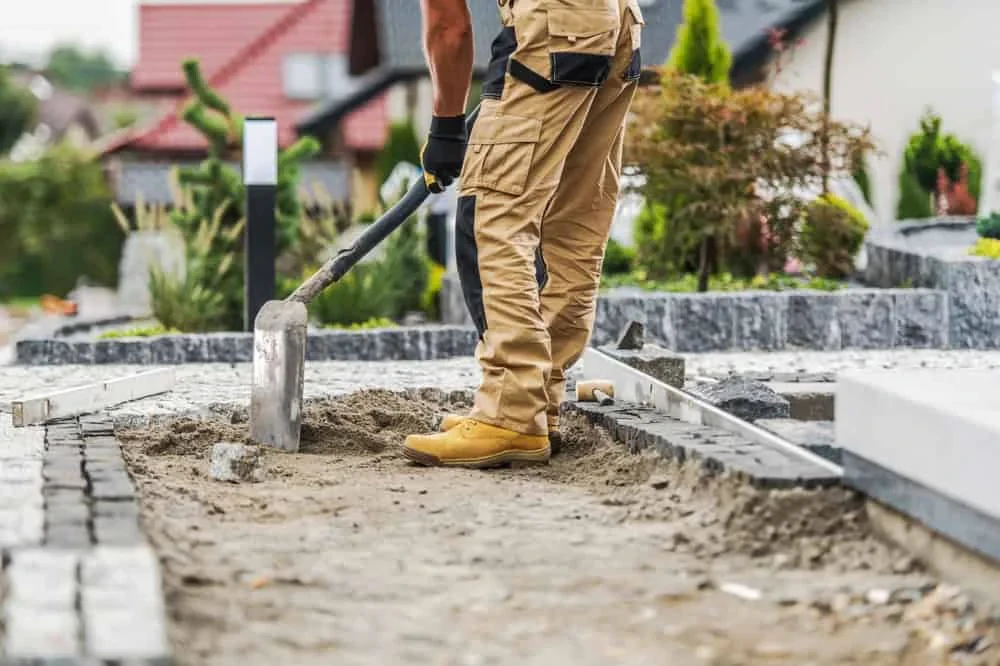
Landscaper Shoveling Foundation Mecklenburg County North Carolina_1

Ready to get started?

Explore More Services

About Union Landscaping and Hardscape

Get a Free Consultation

Residential Commercial Paver Installation

Complete Paver Installation Services

We handle every type of paver project. Driveways that need to support vehicle weight without cracking. Patios designed for entertaining and outdoor living. Walkways that provide safe, attractive access around your property.

We work with brick pavers, stone pavers, and interlocking concrete pavers. Each material has specific installation requirements, and we know how to handle them properly. Whether you want a classic brick look, natural stone appearance, or modern concrete pavers, our installation process ensures long-term performance.

Both residential and commercial projects get the same attention to foundation work and proper installation techniques. Your Seven Eagles property deserves paver installation that will still look and perform perfectly years from now.
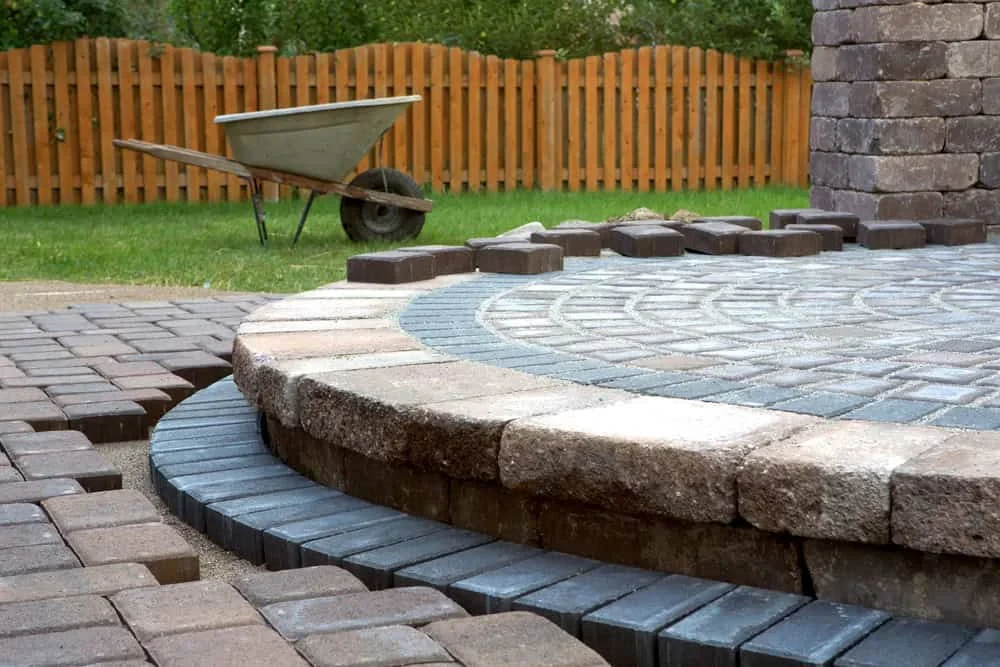
Stone Patio Under Construction Mecklenburg County North Carolina

How long does paver installation take in Seven Eagles?

Most residential paver projects take 3-5 days from start to finish, depending on size and complexity. This includes excavation, base preparation, paver installation, and cleanup. Weather can affect timing since proper base preparation requires dry conditions. Larger commercial projects or complex designs with multiple elevations may take longer. The key is not rushing the foundation work – that’s what determines how your pavers will perform long-term.
The foundation work makes all the difference. Cheap installation means minimal excavation, thin base layers, and poor compaction. Your pavers will shift, sink, and become uneven within a few years. Professional installation means proper excavation depth, thick crushed stone base, proper compaction at each layer, and correct sand leveling. The pavers you see on top are identical – but one installation will last decades while the other fails quickly.
Yes, when installed properly. Clay soil expands and contracts with moisture changes, which is why concrete driveways crack so often here. Pavers handle this movement much better because they’re individual pieces that can move slightly without cracking. The key is proper base preparation that provides drainage and stability above the clay layer. This prevents the freeze-thaw and wet-dry cycles from affecting your paver surface.
Costs vary based on paver material, project size, site conditions, and design complexity. Brick and concrete pavers are typically less expensive than natural stone. Simple rectangular patios cost less than curved designs with multiple elevations. The investment is significantly higher than basic concrete, but pavers increase property value more and last much longer when properly installed. Most homeowners find the long-term value justifies the upfront investment.
Sometimes, but it depends on the condition of the existing surface. If the concrete or asphalt is stable, level, and has good drainage, pavers can potentially be installed over it with proper preparation. However, if there are cracks, settling, or drainage issues, the existing surface needs to be removed completely. Installing over a failing foundation just transfers those problems to your new pavers. A site evaluation determines the best approach for your specific situation.
Properly installed pavers require minimal maintenance. Occasional cleaning with water and mild detergent keeps them looking good. Joint sand may need refreshing every few years, especially in high-traffic areas. Sealing is optional but can enhance color and provide stain protection – it typically needs reapplication every 3-5 years. If individual pavers get damaged, they can be removed and replaced without affecting surrounding pavers. This repairability is a major advantage over concrete surfaces.