Paver Contractors in Second Ward, NC

Get Pavers That Actually Last

Professional installation, quality materials, and results you’ll be proud of for decades.
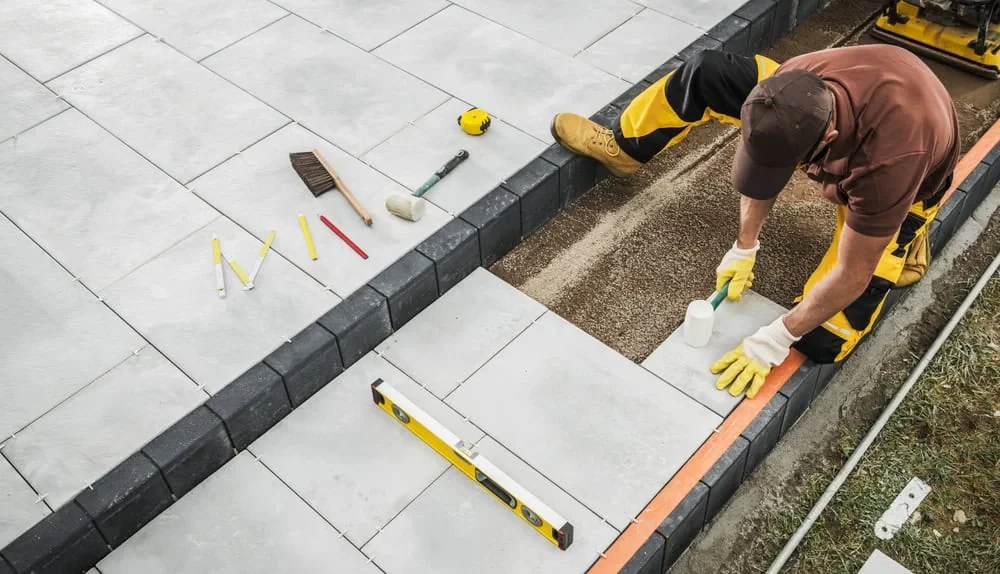
Landscaper Laying Concrete Slab Mecklenburg County North Carolina
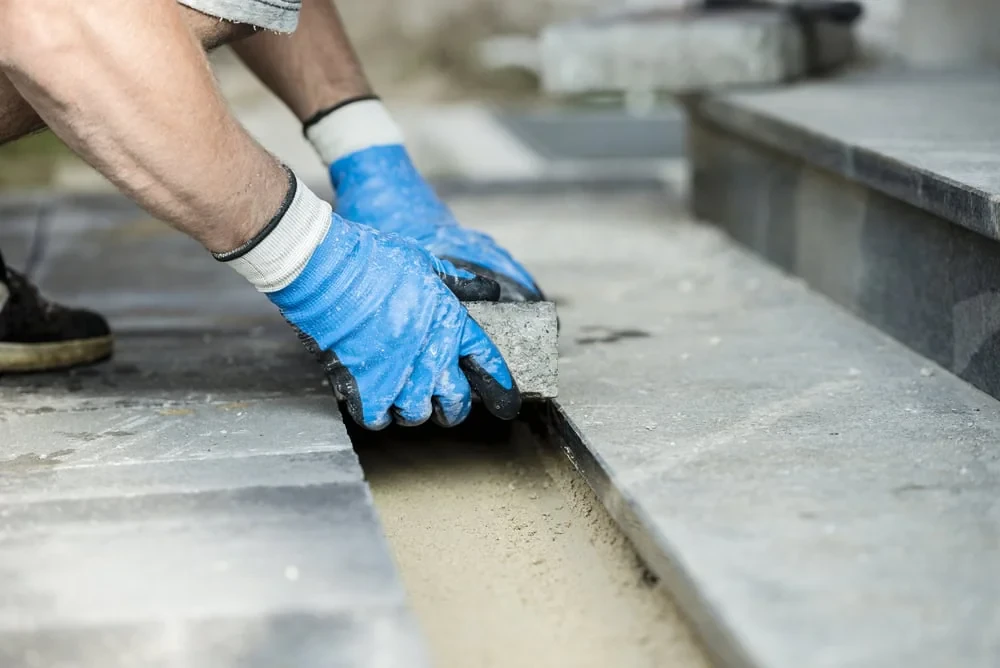
Leveling Sand Stone Stairs Mecklenburg County North Carolina_1

Professional Paver Installation Second Ward

Your Property Gets the Upgrade It Deserves

You know that feeling when you pull into your driveway and actually feel good about what you see? That’s what happens when pavers are installed right the first time.

No more cracked concrete embarrassing you every time guests come over. No more wondering if that settling spot is going to turn into a major problem. Just clean lines, solid surfaces, and the kind of curb appeal that makes neighbors ask who did the work.

The difference isn’t just how it looks today. It’s knowing that five years from now, you’ll still have a surface that performs. When one paver needs replacement, you replace one paver. When concrete cracks, you’re looking at a much bigger headache.

Second Ward Paver Specialists

We Know What Works Here

Union Landscaping and Hardscape S Corp has been handling paver projects in Second Ward and surrounding areas for years. We understand North Carolina’s soil conditions, drainage requirements, and climate challenges that affect long-term paver performance.

Every project starts with proper base preparation because shortcuts today become expensive problems tomorrow. We’re licensed, insured, and equipped to handle both residential and commercial installations.

You’re not getting a crew that learned paver installation last month. You’re getting contractors who’ve solved the drainage issues, dealt with the clay soil, and know exactly what it takes to build something that lasts in this area.
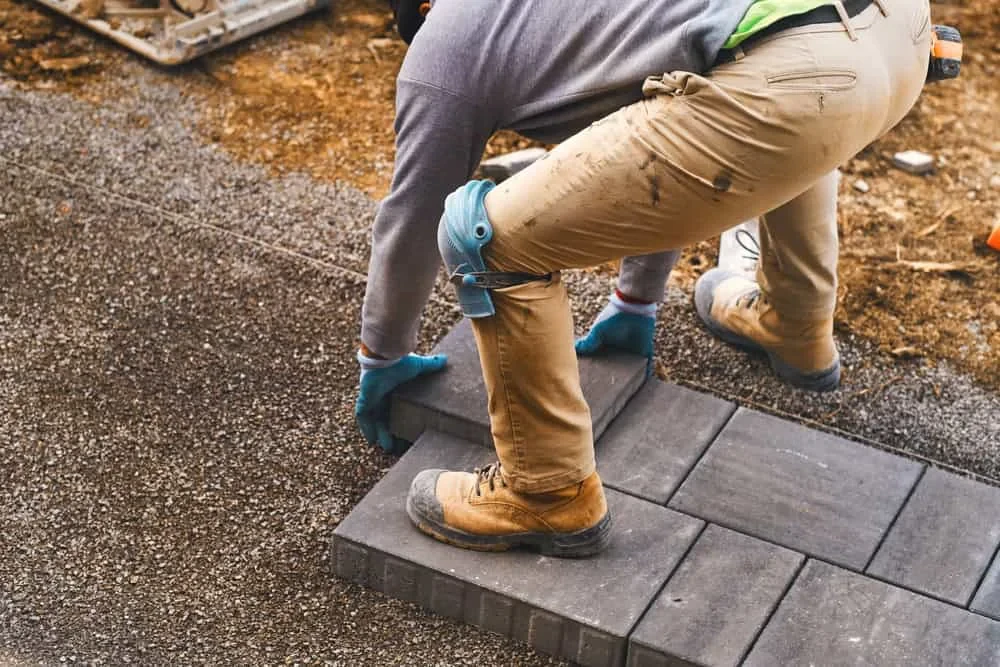
Landscaper Laying Gray Pavers Mecklenburg County North Carolina

Paver Installation Process Second Ward

Here's Exactly What Happens

First, the existing surface gets properly excavated to the right depth. This isn’t negotiable – the base determines everything about how your pavers perform long-term. Proper grading ensures water flows away from your foundation and doesn’t pool on the surface.

Next comes base material installation and compaction. Multiple lifts of the right aggregate, compacted to specification. This is where most problems start when contractors cut corners, so it’s where we focus the most attention.

Paver installation follows manufacturer specifications for joint spacing and edge restraints. The final step involves joint sand application and compaction to lock everything in place. You get a surface that’s ready to use immediately, with no curing time like concrete requires.
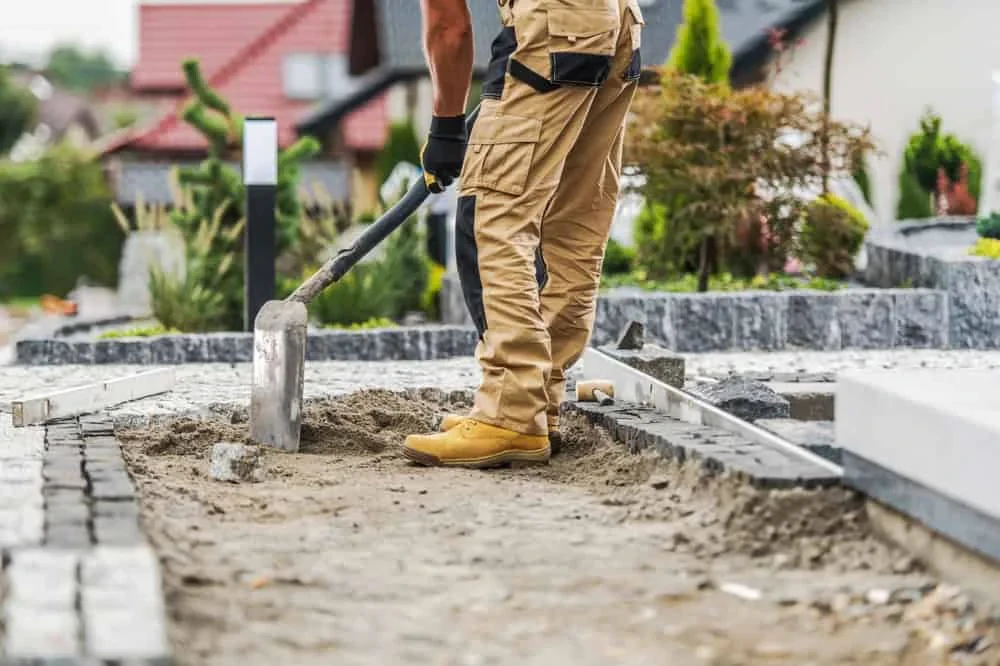
Landscaper Shoveling Foundation Mecklenburg County North Carolina_1

Ready to get started?

Explore More Services

About Union Landscaping and Hardscape

Get a Free Consultation

Complete Paver Services Second Ward

Everything You Need in One Project

Every paver installation includes proper excavation, base preparation, edge restraints, and joint stabilization. We handle residential driveways, patios, walkways, and commercial hardscape projects throughout Second Ward.

Material options include concrete pavers, natural stone, and brick pavers in various colors and patterns. Each project gets customized design recommendations based on your property’s architecture, drainage requirements, and intended use.

You also get written warranties on both materials and installation work. We handle any necessary permits and ensure all work meets local building codes. Project cleanup is included – you don’t get stuck dealing with leftover materials or debris removal.
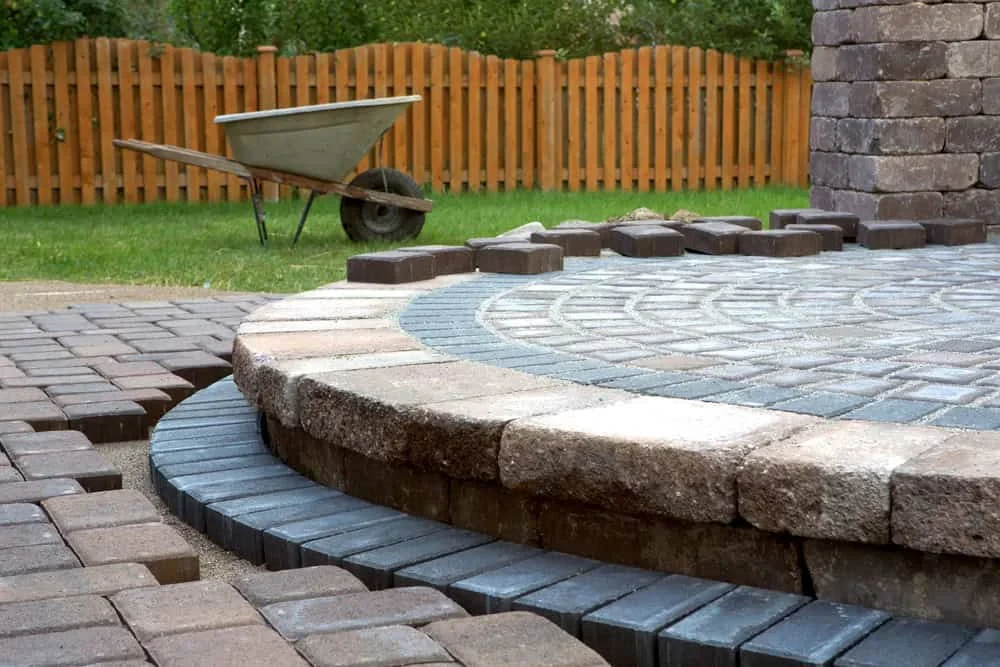
Stone Patio Under Construction Mecklenburg County North Carolina

How long do professionally installed pavers last in North Carolina?

Properly installed pavers typically last 25-30 years or more in North Carolina’s climate. The key is correct base preparation and using quality materials rated for freeze-thaw cycles. Concrete pavers are especially durable here because they’re manufactured to withstand temperature changes better than poured concrete. Individual pavers can be replaced if damaged, which means your entire surface doesn’t need replacement if one area has issues. Regular joint sand maintenance every few years helps maximize lifespan.
Concrete pavers offer consistent color, size, and strength at a lower cost than natural stone. They’re manufactured to specific standards and come with warranties. Natural stone pavers like flagstone or bluestone provide unique patterns and colors but cost more and can vary in thickness. For Second Ward’s clay soil conditions, concrete pavers often perform better because they’re engineered for uniform load distribution. Natural stone works well for patios and walkways but requires more careful installation for driveways.
Paver installation typically costs 20-40% more upfront than concrete or asphalt, but the long-term value is usually better. Pavers don’t crack like concrete, so you avoid replacement costs down the road. They also increase property value more than other surface options. For a typical Second Ward driveway, you’re looking at $12-18 per square foot for concrete pavers versus $8-12 for stamped concrete. The exact cost depends on material choice, site conditions, and project complexity.
Pavers need minimal maintenance when installed correctly. You’ll want to add joint sand every 2-3 years and seal the surface every 3-5 years if you want to maintain color vibrancy. Weeds can grow in joints if sand levels get low, but this is easily prevented with proper maintenance. Snow removal is actually easier than with concrete because pavers provide better traction. If individual pavers get stained or damaged, you can replace just those pieces without affecting the rest of the surface.
Installing pavers over existing surfaces is possible but not always recommended. The existing surface needs to be structurally sound, properly sloped for drainage, and thick enough to support the additional weight. In Second Ward’s clay soil conditions, it’s often better to remove old surfaces and start with proper base preparation. This ensures optimal drainage and prevents future settling issues. Each situation is different, so a site evaluation determines the best approach for your specific project.
Most residential paver projects take 3-7 days depending on size and complexity. A standard driveway usually takes 3-4 days, while larger patios or complex designs may take a week. Weather can affect timeline since base work shouldn’t be done in wet conditions. Commercial projects typically take longer due to size and permitting requirements. We provide realistic timelines upfront and keep you updated on progress. Unlike concrete, pavers are ready to use immediately after installation with no curing time required.