Paver Contractors in Revolution Park, NC

Pavers That Actually Last Years

Professional paver installation that handles North Carolina weather without shifting, sinking, or separating over time.
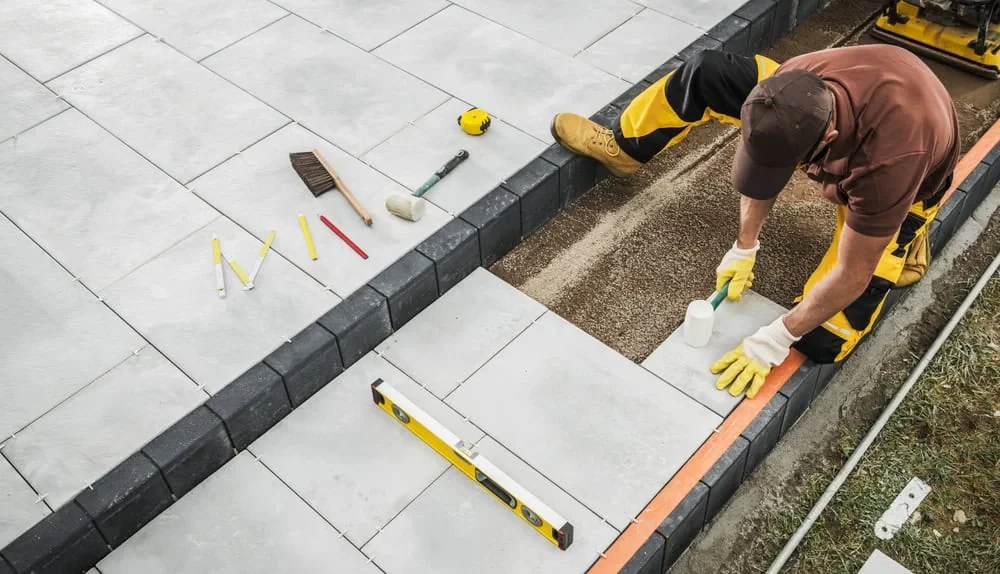
Landscaper Laying Concrete Slab Mecklenburg County North Carolina
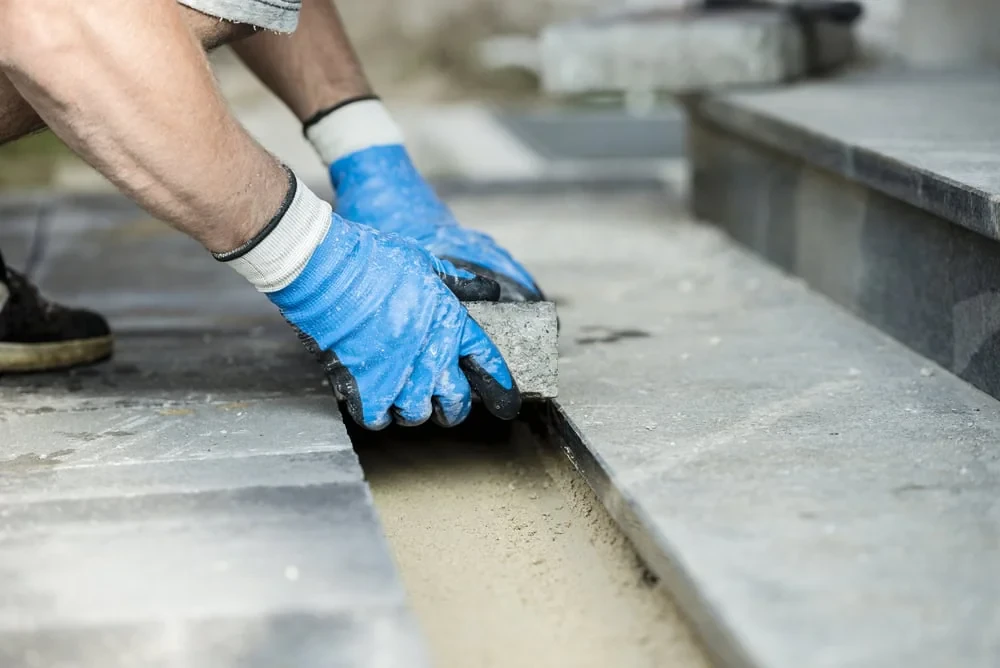
Leveling Sand Stone Stairs Mecklenburg County North Carolina_1

Professional Paver Installation Revolution Park

What Proper Paver Work Gets You

You get surfaces that stay level and stable through every season. No more dealing with cracked concrete or uneven walkways that become trip hazards.

Your driveway handles the weight of vehicles without developing ruts or damage. Patios become spaces you actually want to use, with proper drainage that keeps water flowing away from your foundation instead of pooling where it shouldn’t.

The installation process uses proven techniques that account for Revolution Park’s soil conditions and climate. This means your investment performs the way it should from day one and keeps performing years down the road.

Revolution Park Paver Contractors

We Know What Works Here

Union Landscaping and Hardscape S Corp has been handling paver installations throughout the Charlotte area for years. We understand local soil conditions, drainage requirements, and how North Carolina’s freeze-thaw cycles affect different installation methods.

Every project gets the same attention to base preparation and proper techniques, whether it’s a residential patio or commercial walkway. We’ve seen what happens when corners get cut, and we’ve built our reputation on doing the work right the first time.
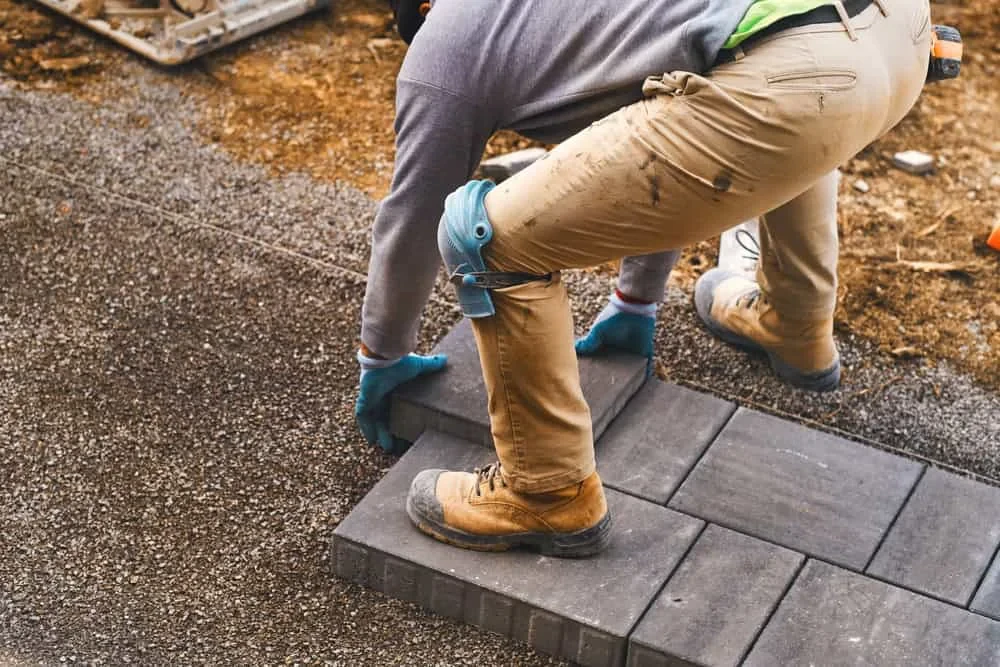
Landscaper Laying Gray Pavers Mecklenburg County North Carolina

Paver Installation Process Revolution Park

How We Handle Your Project

The process starts with evaluating your site’s drainage, soil conditions, and intended use. This determines the base depth and preparation method that’ll keep your pavers stable long-term.

Excavation removes existing materials and creates the proper grade for drainage. The base gets built in layers with specific materials compacted to engineering standards. This foundation work is what separates installations that last from ones that fail.

Paver installation follows manufacturer specifications with proper edge restraints and joint sand application. Final compaction locks everything in place. You get a surface that’s ready to use immediately and built to handle whatever you throw at it.
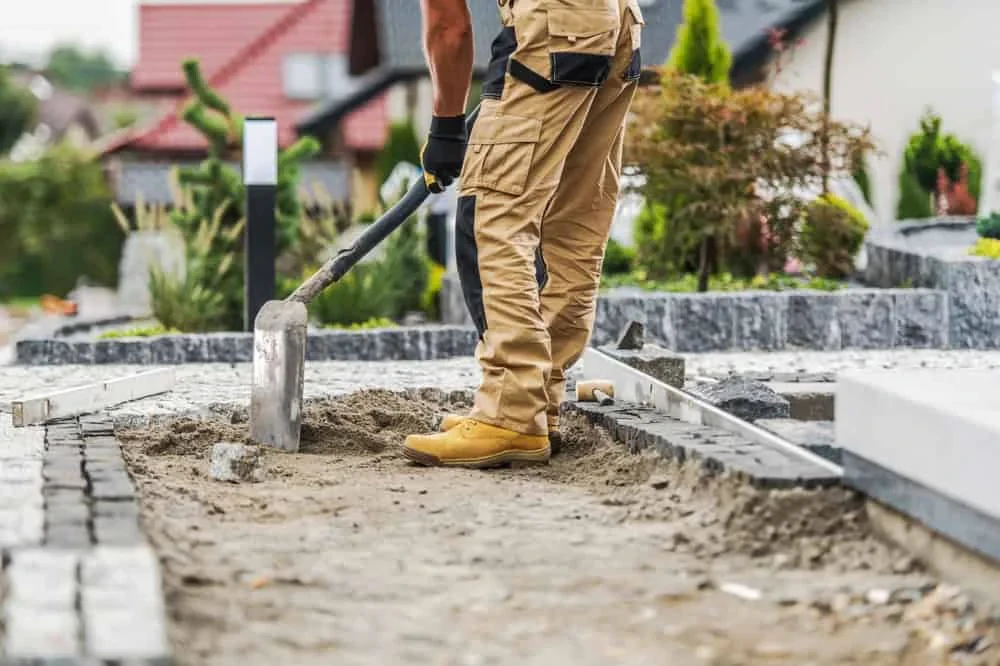
Landscaper Shoveling Foundation Mecklenburg County North Carolina_1

Ready to get started?

Explore More Services

About Union Landscaping and Hardscape

Get a Free Consultation

Residential Commercial Paver Contractors

What's Included in Every Job

Every paver installation includes proper site preparation, which means excavating to the right depth and building a base that won’t shift or settle. You get quality materials sourced from reliable suppliers, not whatever’s cheapest that week.

The installation process follows industry best practices for your specific application. Driveways get heavier base preparation than walkways. Patios get graded for proper water runoff. Commercial projects get specifications that handle higher traffic loads.

Revolution Park’s clay soil and seasonal weather patterns require specific techniques that many contractors skip. The difference shows up in how your pavers perform over time, especially through wet winters and hot summers.
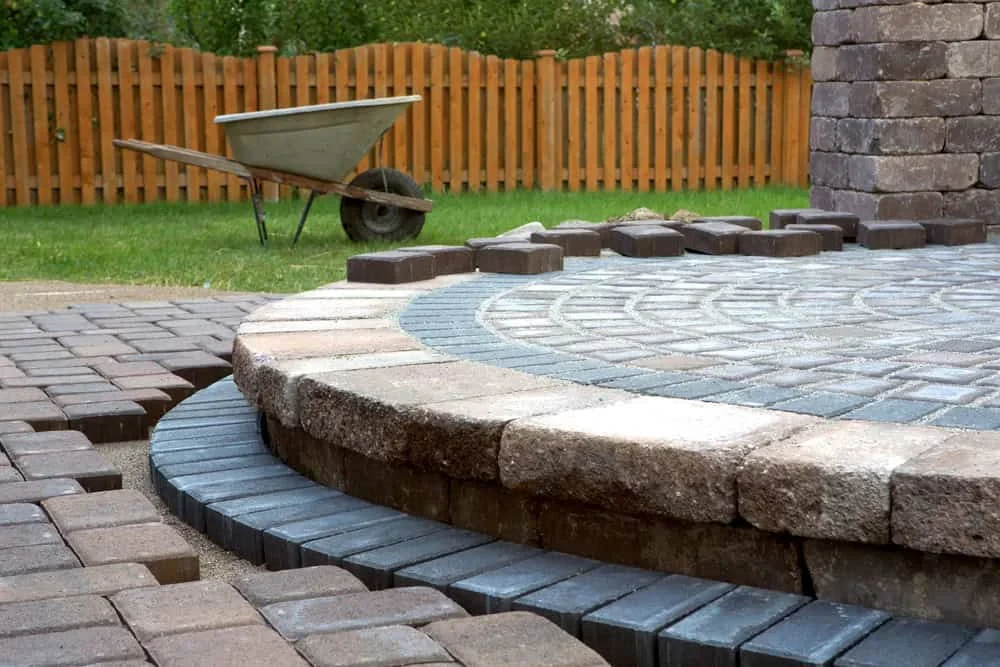
Stone Patio Under Construction Mecklenburg County North Carolina

How long does paver installation typically take to complete?

Most residential paver projects take 3-5 days depending on size and complexity. Driveway installations usually require 4-5 days due to the heavier base preparation needed. Patios and walkways often finish in 2-3 days. Weather can extend timelines since proper base preparation requires dry conditions. Commercial projects take longer based on square footage and traffic requirements. The timeline includes excavation, base installation, paver laying, and final compaction. Rushing any of these steps compromises the long-term performance of your installation.
Concrete pavers offer more design options, colors, and shapes while typically costing less than brick. They’re manufactured to consistent specifications and can mimic natural stone or brick appearance. Brick pavers provide a classic look with natural color variations that many homeowners prefer. They tend to be more expensive but offer excellent durability. Both materials perform well in North Carolina’s climate when properly installed. The choice often comes down to aesthetic preference and budget. Concrete pavers work better for complex patterns, while brick pavers excel in traditional designs.
Individual pavers can crack under extreme stress, but the interlocking system prevents widespread damage like you see with concrete slabs. When concrete cracks, the entire section often needs replacement. With pavers, you can replace individual damaged pieces without affecting the surrounding area. The flexible joint system also allows for slight movement without cracking, which is especially important in Revolution Park’s clay soil conditions. Proper base preparation is still critical – pavers installed over inadequate bases will shift and separate even if they don’t crack.
Pavers handle freeze-thaw cycles better than solid concrete because the joint system allows for expansion and contraction. Individual pavers can move slightly without creating stress cracks. The key is proper base preparation that provides drainage and prevents water from pooling underneath. Revolution Park’s clay soil expands when wet, so adequate base depth and proper drainage are essential. Quality installation includes base materials that drain well and edge restraints that keep pavers in place during soil movement. This is why base preparation matters more than the pavers themselves.
Pavers need occasional joint sand replenishment, typically every 2-3 years depending on usage and weather. Regular cleaning with a hose or pressure washer keeps them looking good. Sealing is optional but helps prevent staining and makes cleaning easier. Weeds can grow in joints if sand levels get low, but this is easily prevented with proper maintenance. Individual pavers can be replaced if damaged without affecting surrounding areas. Overall maintenance is minimal compared to concrete, which often requires crack repairs, resurfacing, or complete replacement over time.
Paver installation costs vary based on material choice, site conditions, and project complexity. Concrete pavers typically cost less than natural stone or premium brick options. Driveway installations cost more per square foot due to heavier base requirements. Simple rectangular patios cost less than complex patterns or curved designs. Site preparation requirements affect pricing significantly – areas with drainage issues or difficult access cost more. Quality installation with proper base preparation is an investment that pays off in longevity and performance. Getting multiple detailed quotes helps you understand what’s included in different pricing levels.