Paver Contractors in Marlwood, NC

Get Pavers That Actually Last

Professional paver installation that handles North Carolina weather without cracking, shifting, or failing in two years.
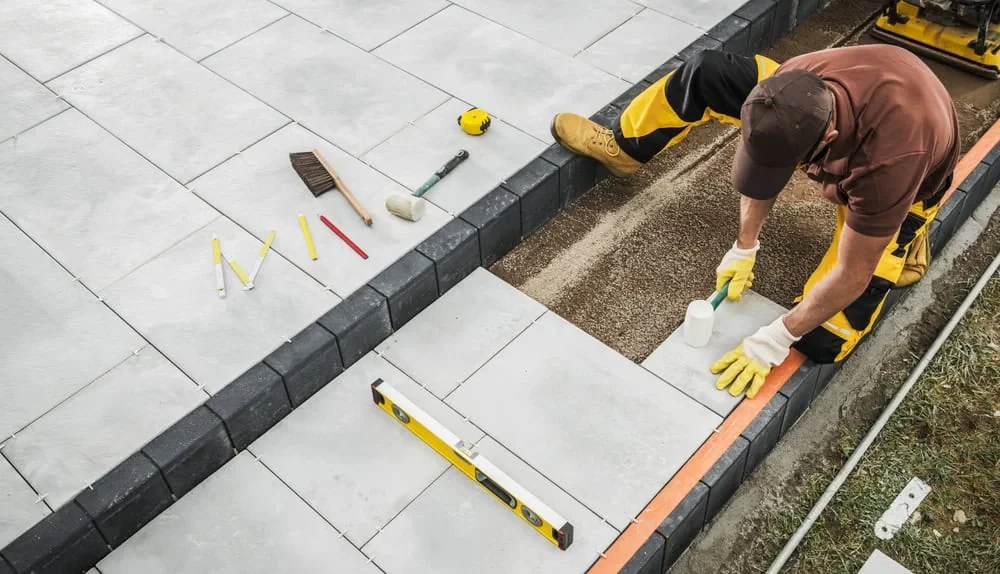
Landscaper Laying Concrete Slab Mecklenburg County North Carolina
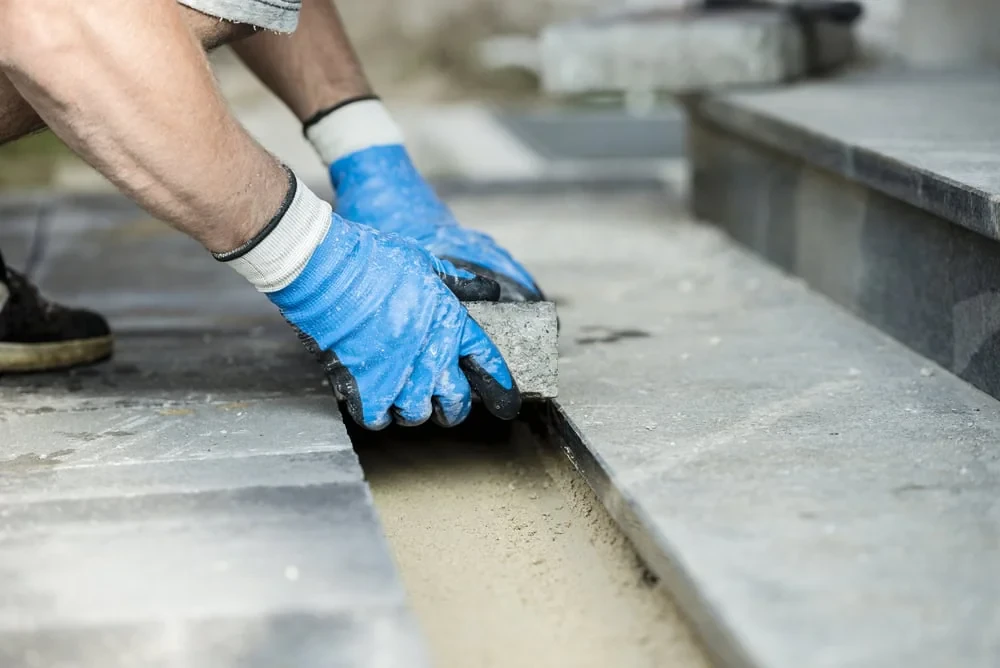
Leveling Sand Stone Stairs Mecklenburg County North Carolina_1

Professional Paver Installation Services

What You Get With Proper Installation

Your driveway stops being a maintenance headache. No more cracks spreading across concrete or asphalt patches that never quite match.

Proper paver installation means surfaces that drain correctly, look consistent, and handle everything from summer heat to winter freeze cycles. You get the curb appeal boost you’re after without wondering when the next repair bill is coming.

The difference shows up in year three when your neighbor’s concrete starts cracking and yours still looks like it was installed yesterday. That’s what happens when the base work is done right and the materials are actually designed for your specific conditions.

Marlwood Paver Contractors

We Know North Carolina Soil

Union Landscaping and Hardscape S Corp has been handling paver installations in Marlwood and surrounding areas for years. We understand how North Carolina’s clay soil shifts and what that means for your hardscape foundation.

Every project starts with proper soil analysis and base preparation. Too many contractors skip this step, which is why you see so many failed installations around town.

We focus on residential and commercial paver projects that need to last. From driveways that handle daily traffic to patios that host family gatherings, we build surfaces that perform under real-world conditions.
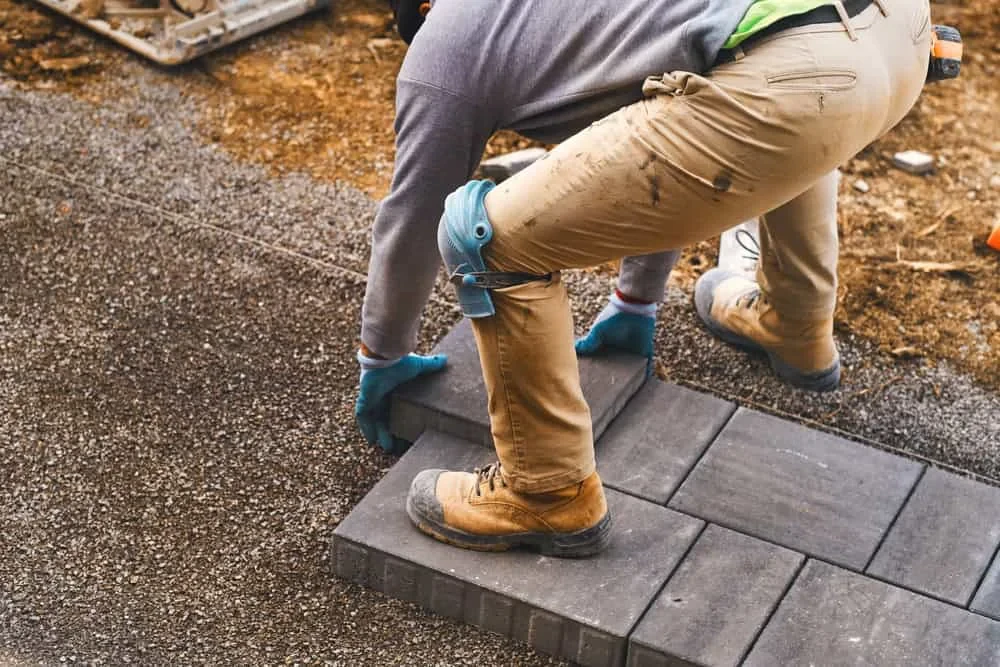
Landscaper Laying Gray Pavers Mecklenburg County North Carolina

Paver Installation Process

How We Install Pavers Right

First, we evaluate your soil conditions and drainage patterns. This determines the base depth and preparation method your specific site needs.

Next comes excavation and base installation. We remove existing surfaces, grade for proper drainage, and install the appropriate base material compacted to specifications. This foundation work determines whether your pavers last five years or twenty-five.

Then we install the pavers with proper edge restraints and joint sand. Every piece gets checked for level and alignment. Finally, we compact everything and apply polymeric sand to lock the joints and prevent weed growth.

You get a detailed timeline upfront and regular updates throughout the process. Most residential projects complete within a week, depending on size and complexity.
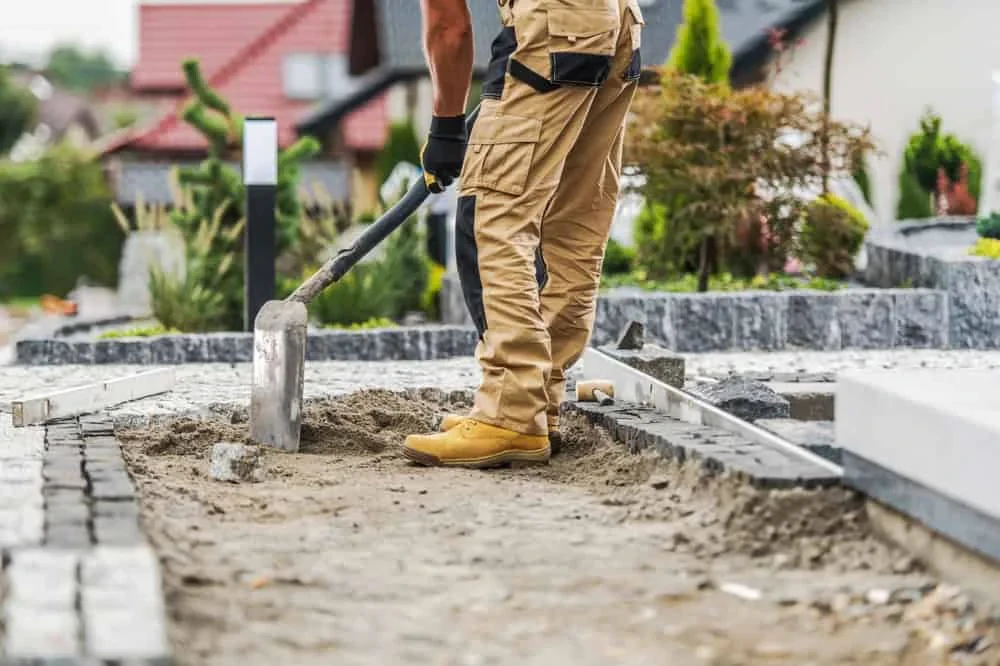
Landscaper Shoveling Foundation Mecklenburg County North Carolina_1

Ready to get started?

Explore More Services

About Union Landscaping and Hardscape

Get a Free Consultation

Residential and Commercial Pavers

What's Included in Every Project

Every paver installation includes proper base preparation, professional-grade materials, and edge restraints that prevent shifting. You’re not getting the bare minimum installation that fails in a few years.

We handle driveways, patios, walkways, and commercial surfaces. Each project gets the same attention to base preparation and drainage, whether it’s a small residential walkway or a large commercial parking area.

All materials meet or exceed local building codes. We source pavers, base materials, and joint sand from established suppliers who understand North Carolina climate conditions. You get materials that are designed to perform here, not generic products that work fine in other climates but fail in our freeze-thaw cycles.
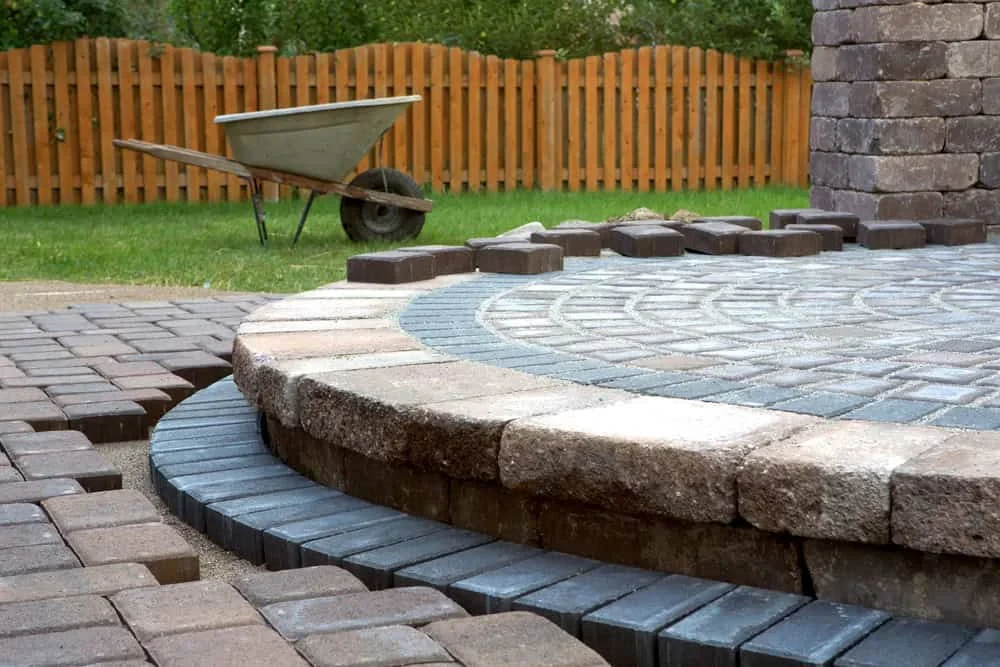
Stone Patio Under Construction Mecklenburg County North Carolina

How long do professionally installed pavers last in North Carolina?

Properly installed pavers typically last 25-30 years in North Carolina climate conditions. The key is correct base preparation and using materials designed for our freeze-thaw cycles. Pavers themselves are extremely durable – most failures happen because the base wasn’t prepared correctly or drainage wasn’t addressed. When installed with proper excavation depth, base compaction, and edge restraints, pavers actually outlast concrete and asphalt in our climate because they can flex with soil movement without cracking.
The base preparation makes all the difference. DIY installations often skip proper excavation depth, use incorrect base materials, or don’t compact in proper lifts. This leads to settling, shifting, and premature failure. Professional installation includes soil analysis, proper excavation depth (usually 8-12 inches depending on use), correct base materials, mechanical compaction, and proper edge restraints. We also handle drainage considerations that aren’t obvious to homeowners. The upfront cost difference pays for itself when you don’t need repairs or reinstallation in a few years.
Drainage planning happens before we start digging. We evaluate your property’s natural water flow, existing drainage issues, and soil conditions. The base gets graded to direct water away from structures and toward appropriate drainage areas. Pavers naturally allow some water infiltration between joints, but we don’t rely on that alone. Proper base grading and sometimes additional drainage features ensure water moves where it should go. This prevents the pooling and washout problems that cause paver installations to fail over time.
Concrete pavers and clay brick pavers both perform well for driveways in North Carolina. Concrete pavers offer more design options and consistent sizing, while clay brick provides classic appearance and excellent durability. Both handle our climate conditions when properly installed. The key factors are thickness (minimum 2-3/8 inches for driveways) and proper base preparation. We avoid thin pavers or those not rated for vehicular traffic. Natural stone can work but requires more careful selection since some types don’t handle freeze-thaw cycles as well as manufactured pavers.
Paver installation typically costs more upfront than concrete or asphalt – usually 2-3 times more initially. However, the long-term value often favors pavers because they don’t crack like concrete or require regular sealing like asphalt. Individual pavers can be replaced if damaged, while concrete requires full section replacement when it cracks. Pavers also add more to property value than standard concrete or asphalt. When you factor in maintenance costs and longevity, the total cost of ownership often favors pavers, especially for high-visibility areas like front driveways and patios.
Sometimes, but it depends on the condition of the existing surface. If the concrete or asphalt is stable, properly graded for drainage, and not cracked or settling, it can serve as part of the base. However, we still need to add proper base material and ensure adequate thickness for the intended use. If the existing surface has drainage problems, cracks, or settlement issues, it’s better to remove it completely and start with proper base preparation. Trying to save money by installing over problematic existing surfaces usually leads to problems later when the underlying issues cause the new pavers to shift or settle.