Paver Contractors in Highland Creek, NC

Pavers That Actually Last in North Carolina Weather

Professional paver installation that handles freeze-thaw cycles, heavy rain, and everything Highland Creek weather throws at it.
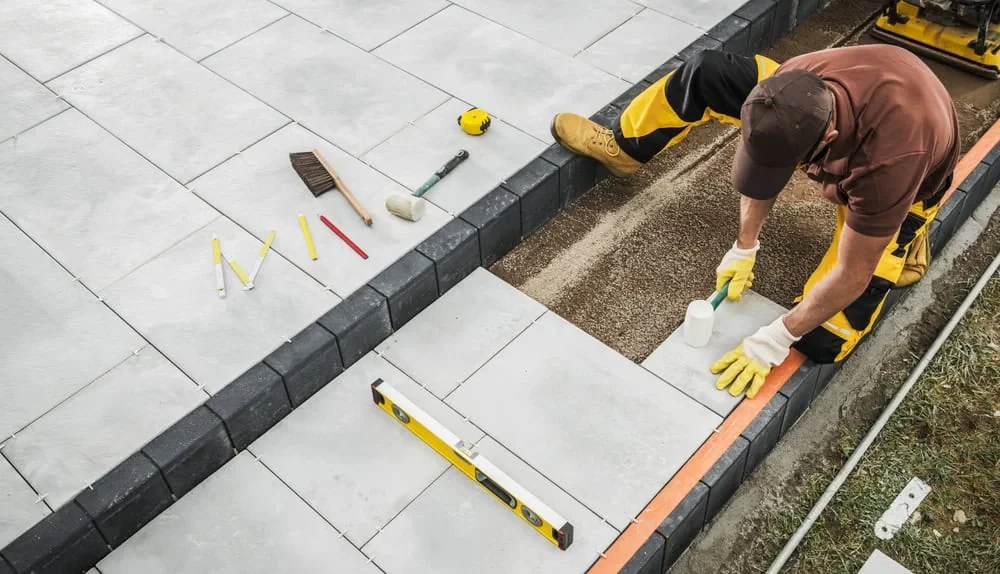
Landscaper Laying Concrete Slab Mecklenburg County North Carolina
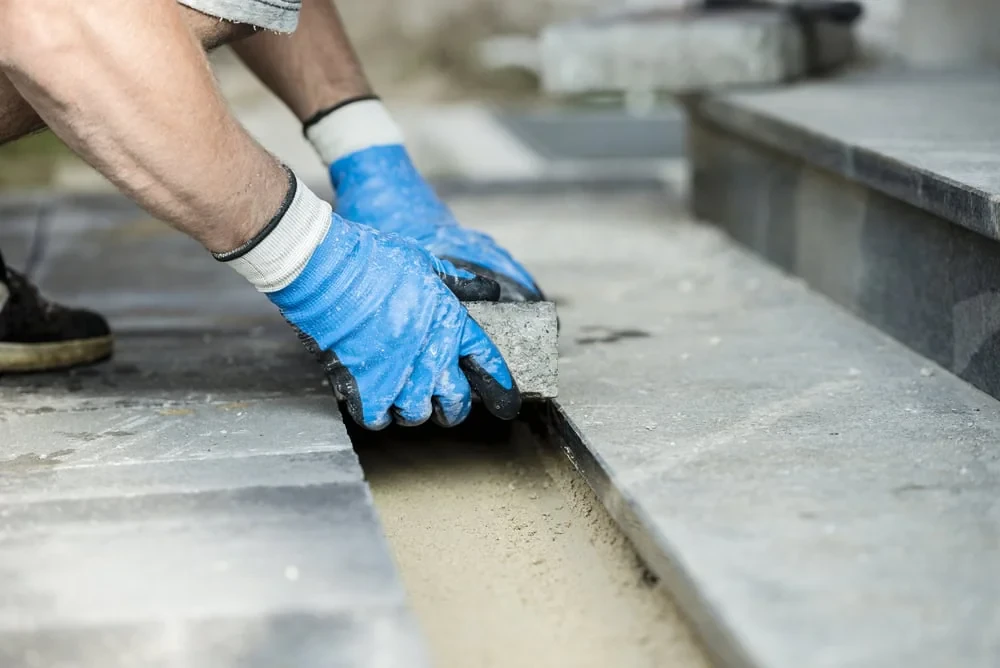
Leveling Sand Stone Stairs Mecklenburg County North Carolina_1

Professional Paver Installation Highland Creek

Your Property Value Just Went Up

You’re looking at a 10-15% property value increase with professional paver installation. That’s real money in your pocket when you sell.

But the immediate benefits hit you every day. No more cracked concrete driveways that collect water and ice. No more uneven walkways that become liability risks. No more patios that look tired after two seasons.

Quality pavers handle Highland Creek’s weather because they’re designed to move with freeze-thaw cycles instead of fighting them. When one paver gets damaged, you replace that one piece. When concrete cracks, you’re looking at major repair work or full replacement.

Highland Creek Paver Contractor

We Know Highland Creek Soil and Weather

Union Landscaping and Hardscape S Corp has been installing pavers in Highland Creek and surrounding North Carolina areas for years. We understand local soil conditions, drainage requirements, and weather patterns that affect long-term paver performance.

Our team focuses on proper base preparation and grading – the foundation work that determines whether your pavers last 5 years or 25 years. We use materials specifically chosen for North Carolina’s climate conditions.

You’re working with contractors who live in the area and stand behind our work long after installation is complete.
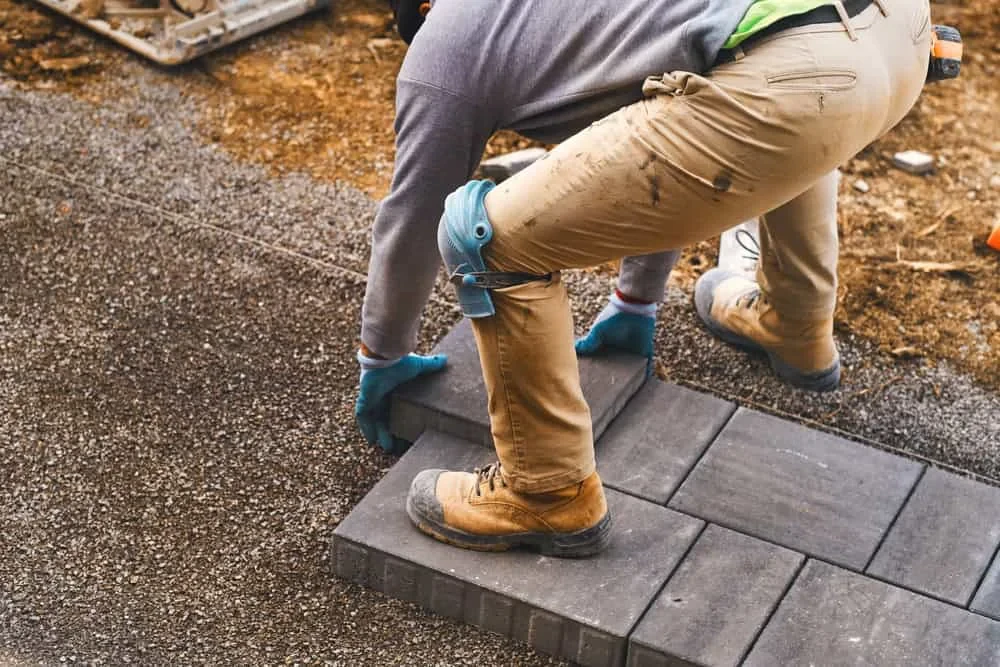
Landscaper Laying Gray Pavers Mecklenburg County North Carolina

Paver Installation Process Highland Creek

How Professional Paver Installation Actually Works

First, proper excavation and grading. This isn’t just digging – it’s creating the foundation that prevents water pooling, shifting, and premature failure. The depth and base material depend on your specific soil conditions and intended use.

Next comes base installation with proper compaction. Most paver failures happen because contractors skip steps here. You get multiple layers of base material, each properly compacted and leveled.

Then paver installation with precise spacing and alignment. The interlocking pattern distributes weight evenly and allows for natural expansion and contraction. Edge restraints keep everything locked in place.

Final step is joint sand and sealing when appropriate. This locks the system together and provides the finished surface that handles daily use and weather exposure.
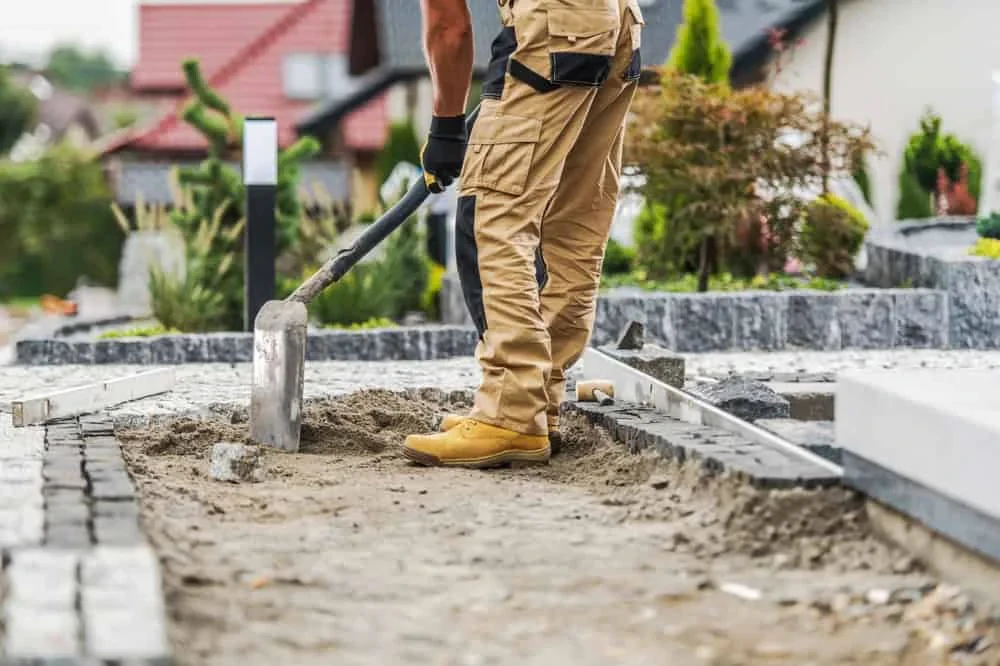
Landscaper Shoveling Foundation Mecklenburg County North Carolina_1

Ready to get started?

Explore More Services

About Union Landscaping and Hardscape

Get a Free Consultation

Residential Commercial Paver Services

What You Get With Professional Installation

Complete site evaluation including drainage assessment and soil analysis. You need to know what you’re building on before you start building.

Material selection based on your specific use case – driveway pavers handle different loads than patio pavers. Commercial applications require different specifications than residential walkways.

Proper permits and compliance with local Highland Creek building requirements. You don’t want code issues down the road.

Written warranties on both materials and workmanship. Quality contractors stand behind their work with real guarantees, not vague promises.

Post-installation maintenance guidance so you know how to keep your investment looking good for decades.
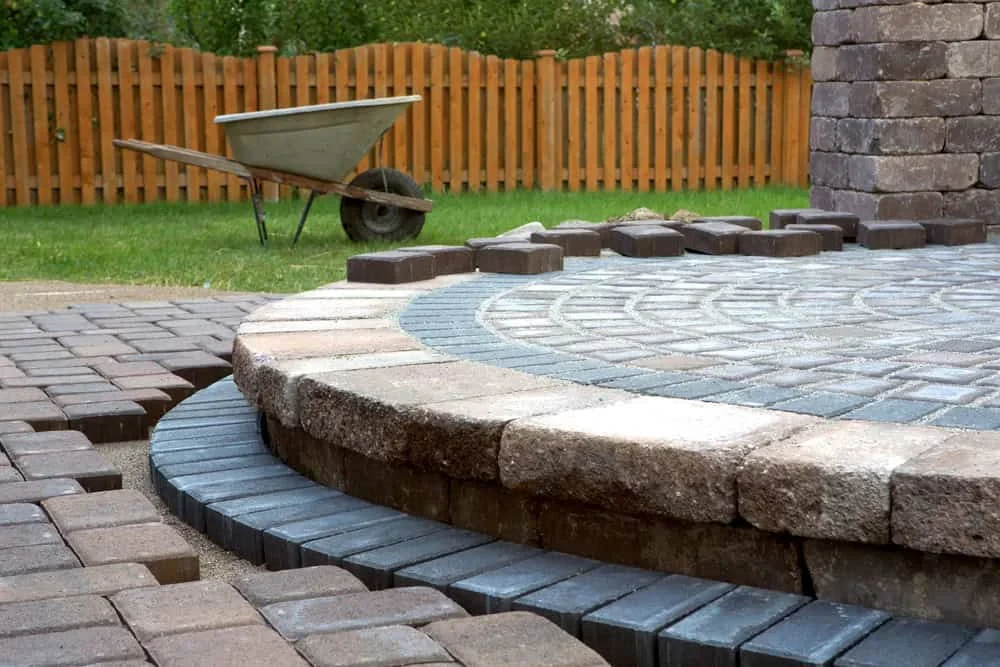
Stone Patio Under Construction Mecklenburg County North Carolina

How long do professionally installed pavers last in North Carolina?

Quality pavers with proper installation typically last 25-30 years in North Carolina climate conditions. The key is proper base preparation and using materials designed for freeze-thaw cycles. Concrete pavers generally outlast brick pavers in our weather, but both significantly outperform poured concrete or asphalt. Individual pavers can be replaced if damaged, which means your entire surface doesn’t need replacement when problems occur. Regular maintenance like joint sand replenishment every few years helps maximize lifespan.
Professional installation starts with proper excavation depth and base preparation – usually 6-8 inches for driveways, 4-6 inches for walkways. Cheap installations skip base layers or use inadequate compaction, leading to settling and failure within 2-3 years. Professional jobs include proper edge restraints, correct joint spacing, and appropriate drainage grading. You also get material warranties and workmanship guarantees. Cheap installations often use lower-grade pavers that fade, crack, or become slippery. The upfront cost difference is typically recovered within 5 years through avoided repairs and replacements.
Pavers handle freeze-thaw better than solid concrete because they’re designed to move independently. When water freezes and expands, individual pavers can shift slightly without cracking. Proper installation includes base materials that drain well, preventing water from pooling and freezing underneath. The joint sand between pavers allows for expansion and contraction. This is why you see 20-year-old paver driveways that still look good while concrete driveways from the same era have multiple cracks and patches. Quality pavers are manufactured to withstand hundreds of freeze-thaw cycles.
Expect 3-7 days for most residential projects, depending on size and complexity. Day one typically involves excavation and base preparation – this is the loudest and most disruptive phase. Days two and three involve base installation and compaction. Paver installation usually happens on days four and five, which is quieter work. Final details like joint sand and cleanup happen on the last day. You can typically use the surface immediately after completion, unlike concrete which requires curing time. We provide daily updates and clean up debris each evening.
Residential paver installation typically ranges from $12-25 per square foot installed, depending on material choice, site conditions, and project complexity. Simple patio installations cost less than driveways requiring heavy-duty base preparation. Premium materials like natural stone cost more than standard concrete pavers. Complex patterns and custom borders add to labor costs. We provide free estimates with detailed breakdowns of materials, labor, and any additional work needed. Financing options are often available for larger projects. Remember that quality installation costs more upfront but saves money long-term through reduced maintenance and longer lifespan.
Most residential paver projects don’t require permits in Highland Creek, but driveway work that affects drainage or connects to public streets may need approval. Commercial projects typically require permits and inspections. We handle permit applications when needed and ensure work meets local building codes. It’s worth checking with Highland Creek’s building department for your specific project, especially if you’re changing drainage patterns or working near property lines. Unpermitted work can create problems when selling your property, so it’s better to verify requirements upfront rather than deal with issues later.