Paver Contractors in Griers Fork, NC

Pavers That Actually Last in North Carolina

Professional paver installation that handles our climate and adds real value to your property.
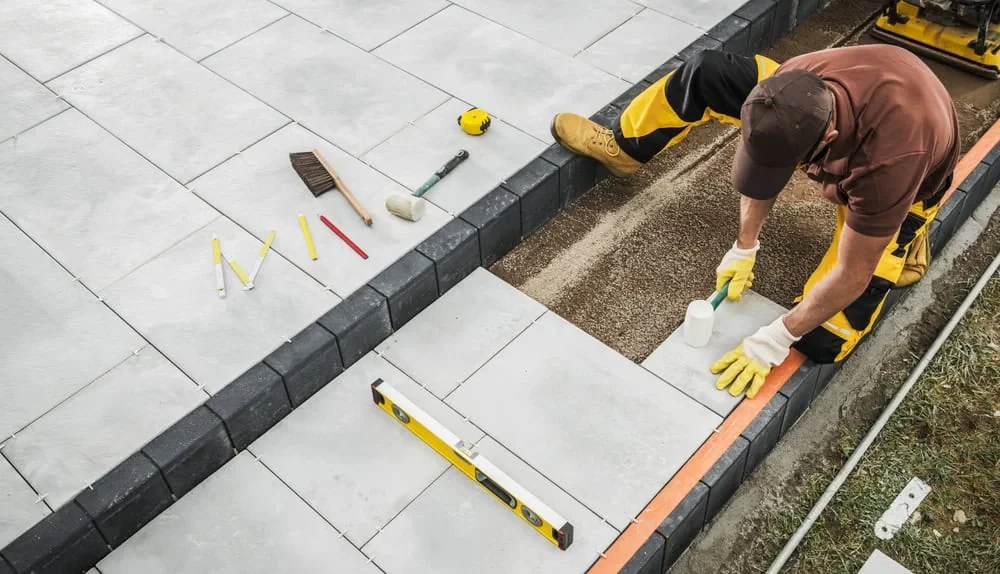
Landscaper Laying Concrete Slab Mecklenburg County North Carolina
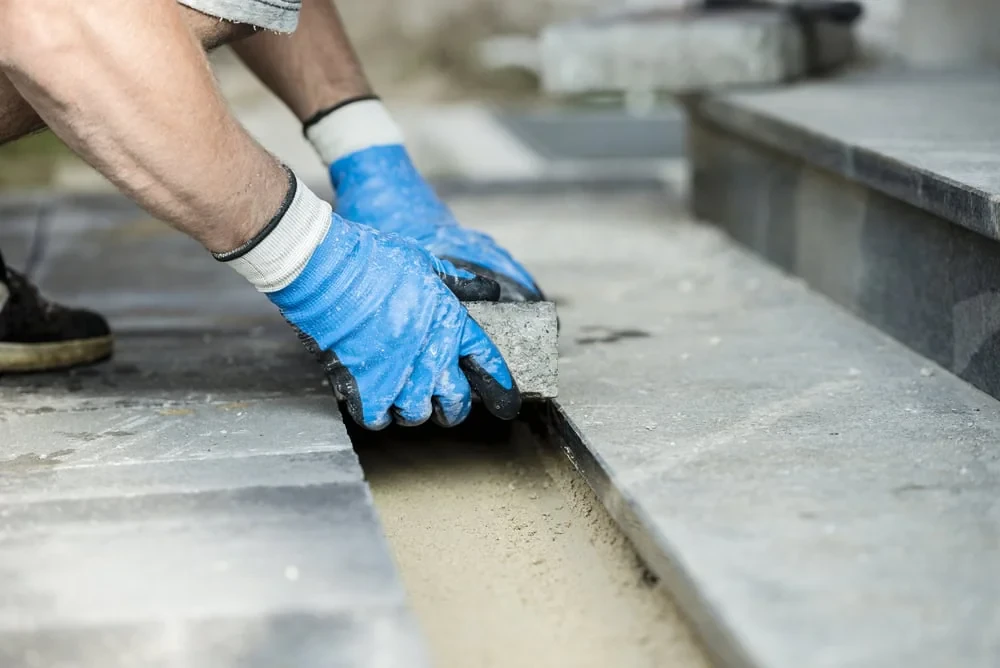
Leveling Sand Stone Stairs Mecklenburg County North Carolina_1

Professional Paver Installation Griers Fork

What You Get When It's Done Right

Your driveway won’t crack like concrete. Your patio won’t shift and buckle after the first heavy rain. Your walkways won’t become trip hazards in two years.

That’s what happens when paver installation is done with proper base preparation, correct grading, and materials that work in North Carolina’s soil conditions. You get surfaces that look good and stay functional for decades, not seasons.

The difference shows up in your property value too. Well-installed pavers consistently add more resale value than concrete or asphalt because they last longer and look better over time. Plus, if one section ever needs repair, you replace individual pavers instead of tearing up entire slabs.

Griers Fork Paver Contractors

We Know North Carolina Soil and Weather

We’ve been installing pavers in the Griers Fork area long enough to understand what works here and what doesn’t. We’ve seen what happens when contractors skip proper base preparation or use the wrong materials for our clay soil.

Every job gets the same attention to drainage, grading, and foundation work that prevent the settling and shifting problems you see with rushed installations. We’re licensed, insured, and equipped to handle both residential and commercial projects.
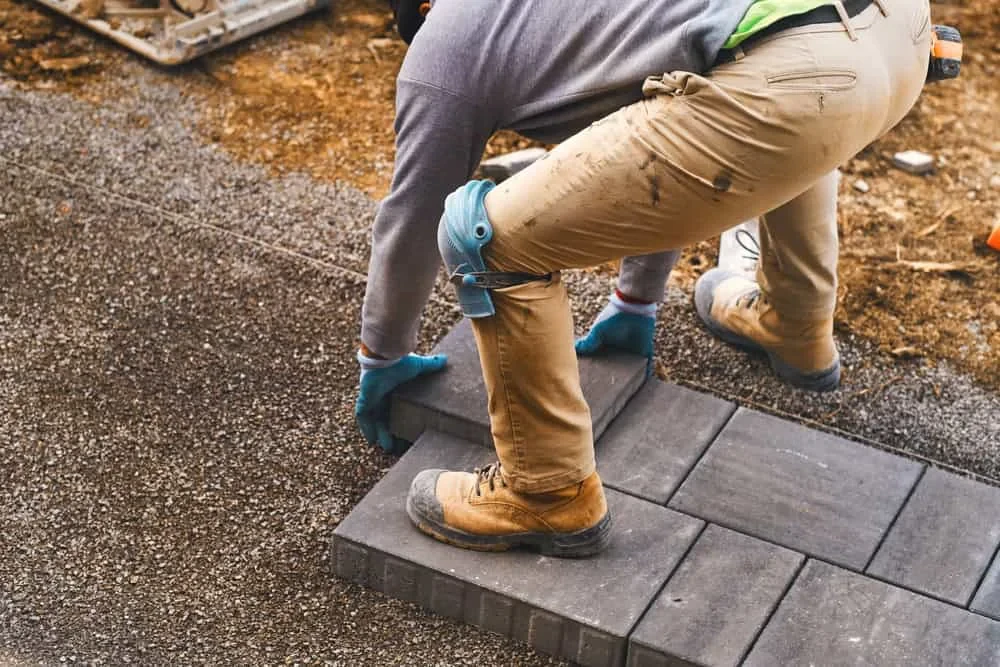
Landscaper Laying Gray Pavers Mecklenburg County North Carolina

Paver Installation Process Griers Fork

How We Install Pavers That Stay Put

First, we excavate to the proper depth based on your soil conditions and intended use. For driveways, that’s deeper than patios. For commercial applications, deeper still. The base layer gets compacted in lifts, not all at once, so it actually stays stable.

Next comes the sand leveling course and edge restraints. These keep your pavers from creeping outward over time. We set each paver by hand, checking levels as we go, then compact the entire surface and sweep in joint sand.

The final step is a second compaction and sand sweep. This locks everything in place. When we’re done, you have a surface that can handle traffic, weather, and time without the maintenance headaches of other materials.
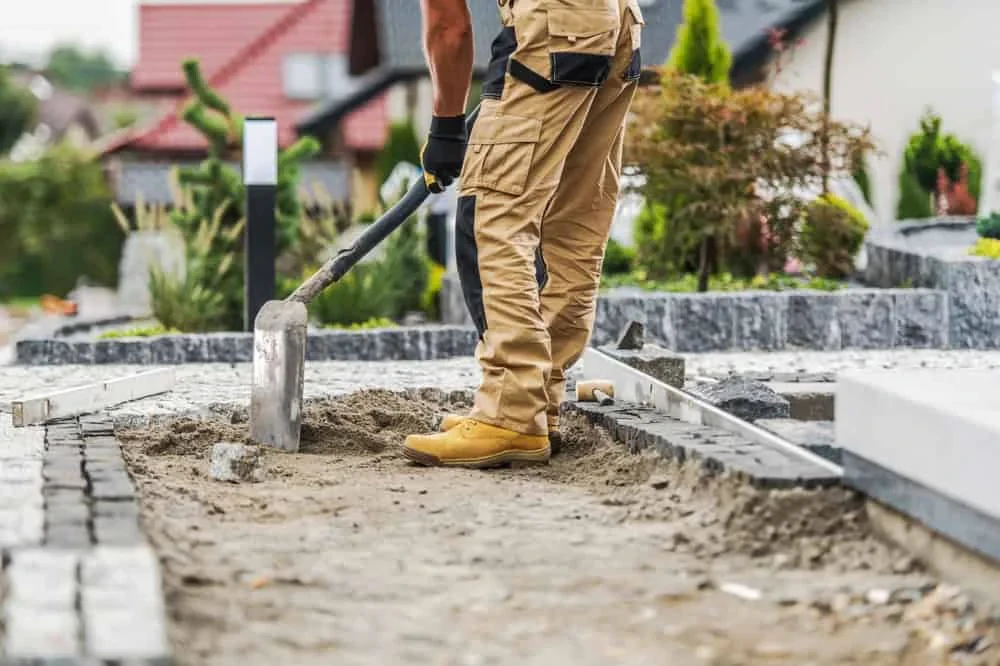
Landscaper Shoveling Foundation Mecklenburg County North Carolina_1

Ready to get started?

Explore More Services

About Union Landscaping and Hardscape

Get a Free Consultation

Paver Services Griers Fork NC

What's Included in Every Paver Project

Every paver installation includes proper excavation, base preparation, drainage considerations, and professional-grade compaction equipment. We handle both residential paver contractor work like patios and walkways, and commercial paver contractor projects including parking areas and business entrances.

You get your choice of brick paver contractor services, stone paver installation, or interlocking paver installation depending on your needs and preferences. Each material has advantages for different applications, and we’ll explain what works best for your specific situation and budget.

We also handle the permits when required and coordinate with other trades if your project involves utilities or other complications. The goal is a finished project that looks right and performs well from day one.
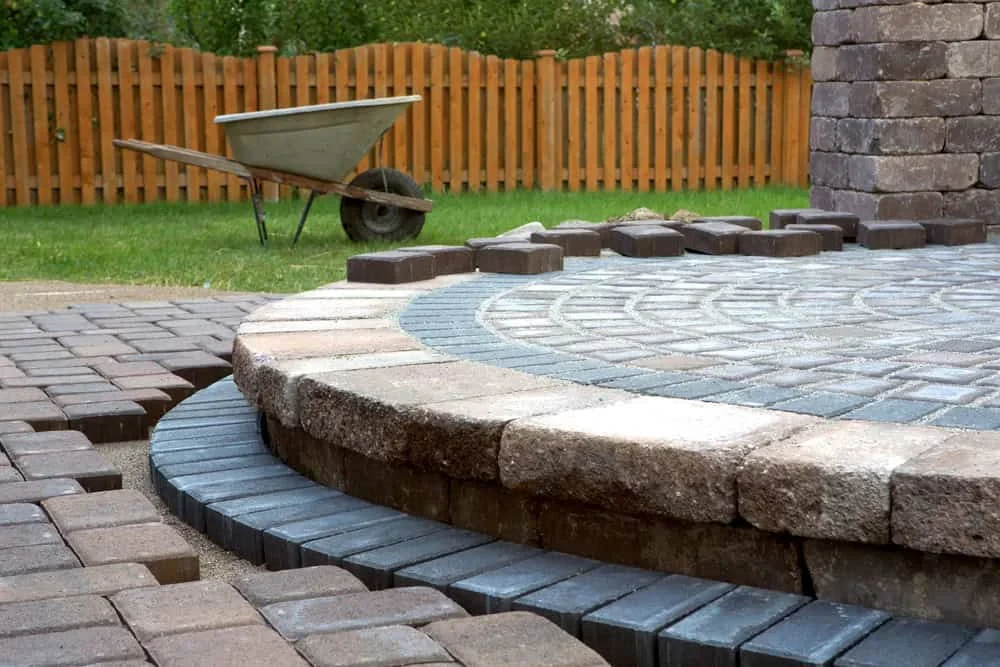
Stone Patio Under Construction Mecklenburg County North Carolina

How long does paver installation take for a typical driveway?

Most residential driveways take 3-5 days depending on size and complexity. Day one is excavation and base preparation. Day two is usually base compaction and setting edge restraints. Days three and four are paver installation and compaction. Weather can extend timelines, especially if we get heavy rain during base preparation. We don’t rush the compaction steps because that’s where most paver failures happen. A few extra days upfront prevent years of problems later.
Brick pavers are made from fired clay, while concrete pavers are made from cement, sand, and aggregate. Brick pavers typically cost more but offer classic appearance and excellent durability. Concrete pavers come in more colors and shapes, often cost less, and can mimic other materials like stone. Both work well in North Carolina’s climate when installed properly. The choice usually comes down to your aesthetic preferences and budget. We can show you samples of both to help you decide what looks right for your property.
Yes, but commercial paver installation requires different base preparation and thicker pavers than residential work. Commercial applications need deeper excavation, more robust base materials, and pavers rated for vehicle traffic. The advantage over asphalt is that individual pavers can be replaced if damaged, and the surface doesn’t develop the cracks and potholes that asphalt gets over time. Many businesses choose pavers for entrances and customer parking areas because they look more upscale than concrete or asphalt.
Proper drainage starts with correct grading during excavation. We slope surfaces away from buildings and toward appropriate drainage areas. For areas with drainage challenges, we can install permeable pavers that allow water to pass through, or add drainage systems beneath the pavers. North Carolina’s clay soil can hold water, so we often recommend additional drainage measures beyond basic grading. Poor drainage is the number one cause of paver failure, so we take this seriously on every project.
Well-installed pavers need minimal maintenance. You’ll want to sweep joint sand back into gaps occasionally, especially after heavy rains. Weeds can grow in joints if you don’t maintain the sand, but this is easily prevented with regular sweeping and occasional reapplication of polymeric sand. Some people choose to seal their pavers for enhanced color and easier cleaning, but it’s not required. If individual pavers get damaged or stained, you can replace just those pieces without disturbing the rest of the surface.
Paver installation typically costs more upfront than concrete, but the long-term value is often better. Concrete cracks and requires replacement in sections, while pavers can be individually replaced if needed. The exact cost depends on the paver material you choose, site conditions, and project complexity. We provide detailed estimates that break down material and labor costs so you can make an informed decision. Many homeowners find that the increased property value and lower long-term maintenance costs make pavers worth the initial investment.