Paver Contractors in Genesis Park, NC

Pavers That Actually Last Decades

Professional installation with proper base preparation – no settling, cracking, or water damage down the road.
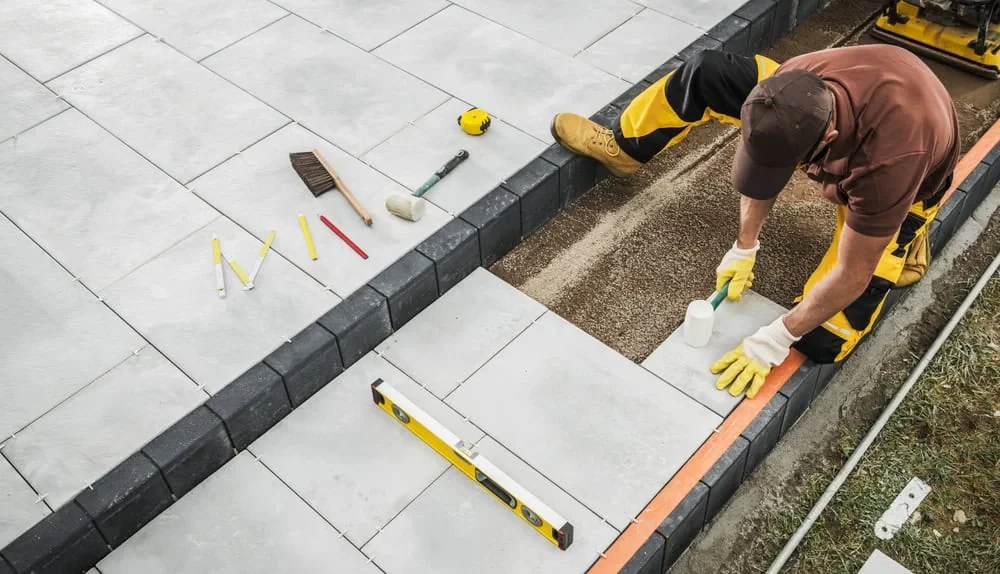
Landscaper Laying Concrete Slab Mecklenburg County North Carolina
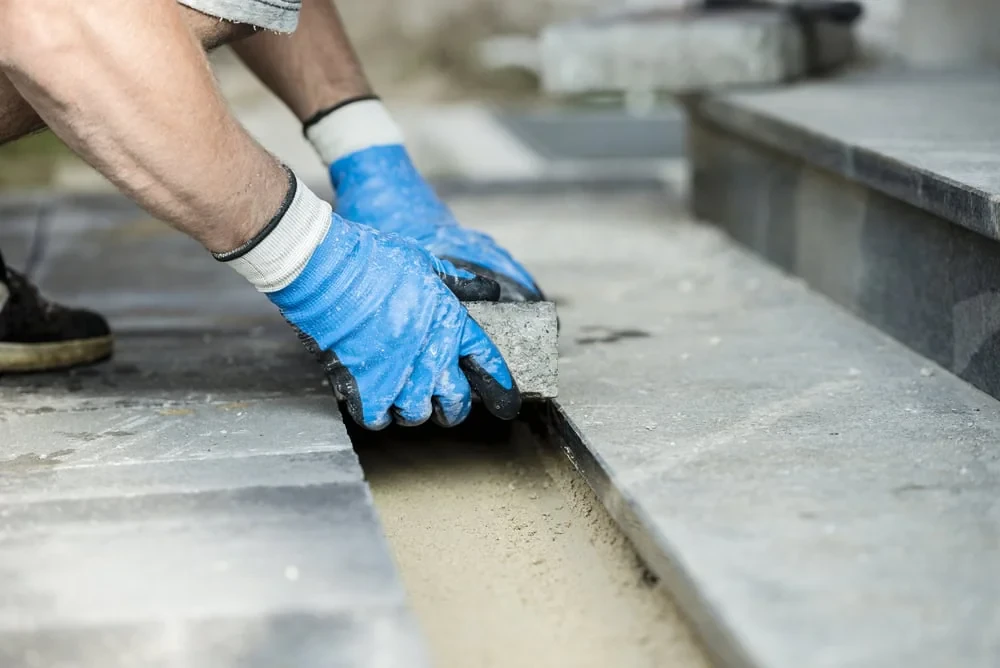
Leveling Sand Stone Stairs Mecklenburg County North Carolina_1

Professional Paver Installation Genesis Park

What You Get With Proper Installation

Your driveway won’t develop those embarrassing cracks that scream “cheap contractor.” Your patio won’t sink in random spots after the first heavy rain. Your walkway won’t become a tripping hazard in two years.

That’s what happens when paver installation is done right from the start. You get surfaces that handle North Carolina’s clay soil, heavy rains, and temperature swings without falling apart.

The difference isn’t just in the pavers themselves – it’s in the foundation work most contractors skip. Proper excavation, the right base materials, correct compaction, and attention to drainage. These steps take extra time upfront but save you thousands in repairs later.

Genesis Park Paver Installation Experts

We Know Genesis Park's Ground

Union Landscaping and Hardscape S Corp has been handling paver projects throughout Genesis Park and surrounding areas for years. We understand how North Carolina’s clay soil behaves, what drainage challenges to expect, and which materials hold up best in this climate.

Every project starts with proper site evaluation. We know that Genesis Park’s soil conditions require specific base preparation techniques to prevent settling. We’ve seen what happens when contractors cut corners, and we’ve fixed plenty of those failed installations.

Our focus stays on doing the job right the first time, using proven methods that work in this area’s specific conditions.
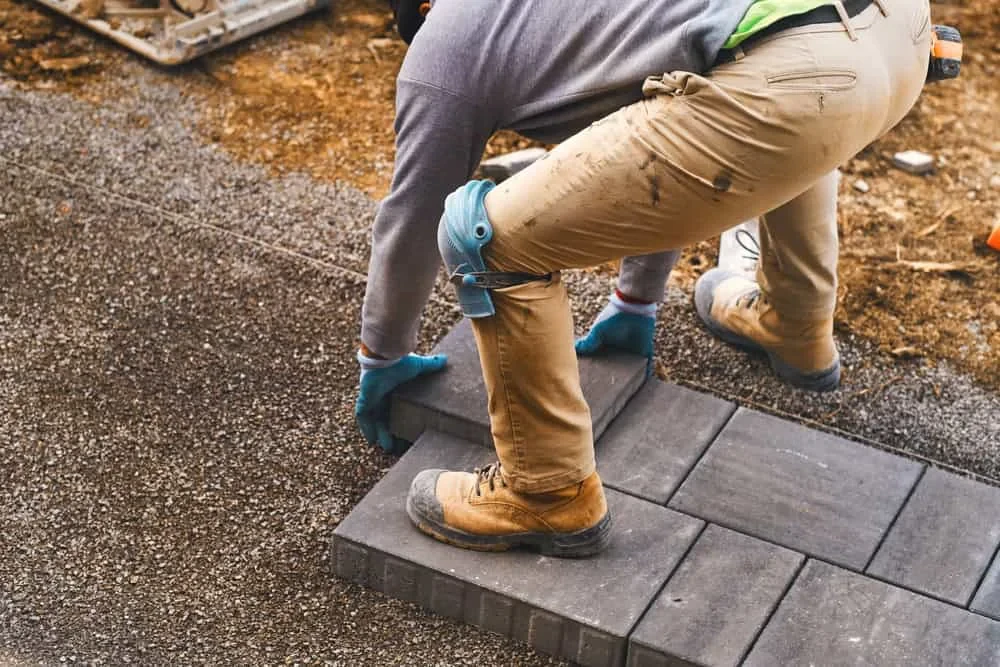
Landscaper Laying Gray Pavers Mecklenburg County North Carolina

Paver Installation Process Genesis Park

How Professional Installation Actually Works

First comes site evaluation and planning. We measure your space, check drainage patterns, and identify any soil issues that need addressing. You’ll get a clear timeline and know exactly what to expect.

Next is excavation and base preparation. This is where most contractors fail, but it’s the most critical step. Proper depth excavation, the right base materials, and systematic compaction create the foundation that prevents future problems.

Then comes paver installation and finishing. Each paver gets set level and properly spaced. Edge restraints lock everything in place. Joint sand gets swept and compacted to complete the interlock system that makes pavers so durable.
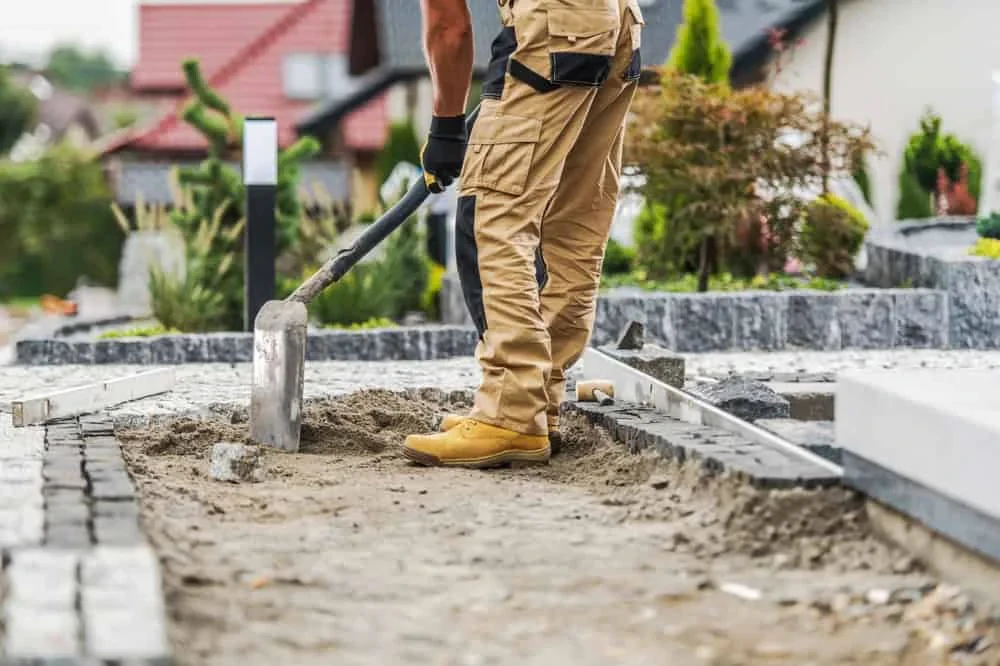
Landscaper Shoveling Foundation Mecklenburg County North Carolina_1

Ready to get started?

Explore More Services

About Union Landscaping and Hardscape

Get a Free Consultation

Residential Commercial Paver Contractors

What's Included In Every Project

Every paver installation includes proper excavation to the correct depth for your specific application. You get the right base materials – not whatever’s cheapest – installed and compacted in lifts for maximum stability.

Drainage solutions are built in, not added as an afterthought. This means your new pavers won’t create water problems or suffer damage from poor drainage. Edge restraints and proper joint sand complete the system.

We handle both residential and commercial projects throughout Genesis Park. Whether you need a new driveway, patio, walkway, or commercial hardscaping, our installation process follows the same proven methods that ensure long-term performance.
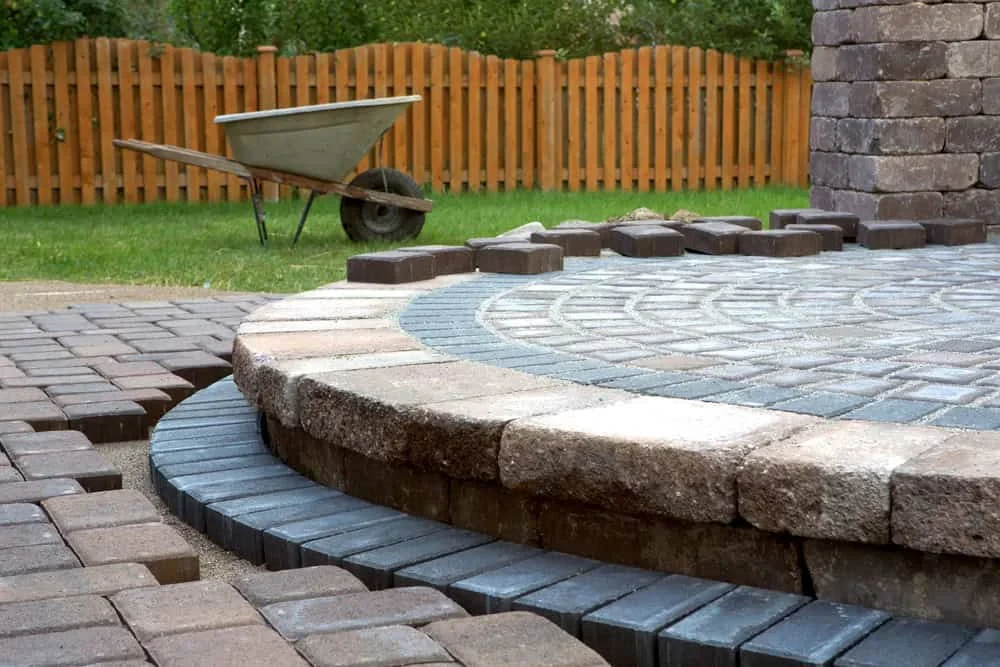
Stone Patio Under Construction Mecklenburg County North Carolina

How long does paver installation take in Genesis Park?

Most residential paver projects take 3-5 days depending on size and complexity. Weather can extend timelines since proper base work can’t be done in wet conditions. We won’t rush critical steps like excavation and compaction just to meet an arbitrary deadline. A typical driveway takes about 4 days, while smaller patios might be completed in 2-3 days. Commercial projects vary widely based on scope and site conditions.
Pavers handle North Carolina’s clay soil movement much better than concrete. When the ground shifts, individual pavers can move slightly without cracking. If damage does occur, you can replace individual pavers instead of tearing out entire sections. Pavers also provide better traction when wet and offer more design flexibility. The key is proper installation – poorly installed pavers perform worse than well-installed concrete.
Residential paver installation typically runs $12-18 per square foot depending on paver selection, site conditions, and project complexity. Simple rectangular patios cost less than curved driveways with multiple elevation changes. The price includes proper excavation, base materials, installation, and finishing. Getting multiple quotes helps, but remember that significantly low bids usually mean corners will be cut on base preparation or materials.
Pavers make excellent driveways when installed correctly. They handle vehicle weight better than most people expect and provide better traction than smooth concrete. The key is using pavers rated for vehicular traffic and ensuring proper base preparation. Interlocking concrete pavers are the most common choice for driveways, offering durability and a wide range of colors and textures. Proper edge restraints are critical for driveway applications.
Well-installed pavers require minimal maintenance. You’ll need to sweep joint sand back into gaps occasionally and remove weeds that might grow in joints. Sealing isn’t required but can enhance color and make cleaning easier. Power washing works fine but avoid using it too frequently as it can wash out joint sand. If individual pavers get stained or damaged, they can be removed and replaced without affecting surrounding pavers.
Sometimes, but it depends on the condition of the existing concrete and proper drainage considerations. The concrete must be stable, level, and have adequate drainage. Adding pavers raises the surface level, which can create drainage issues or problems with door clearances. In many cases, removing the old concrete and starting fresh provides better long-term results. A site evaluation can determine the best approach for your specific situation.