Paver Contractors in Coulwood East, NC

Pavers That Actually Last Decades

Professional paver installation with proper base prep and materials that won’t crack like concrete.
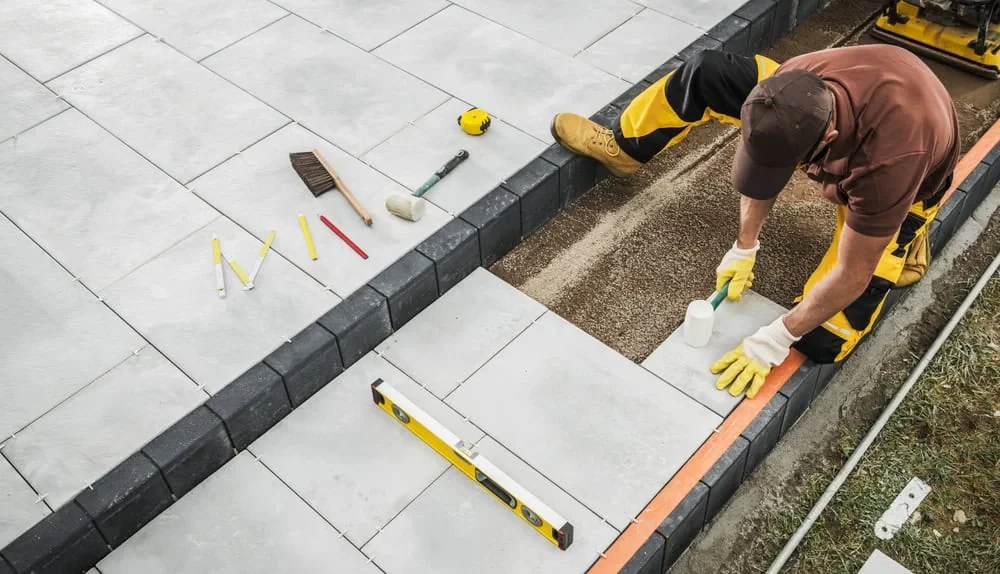
Landscaper Laying Concrete Slab Mecklenburg County North Carolina
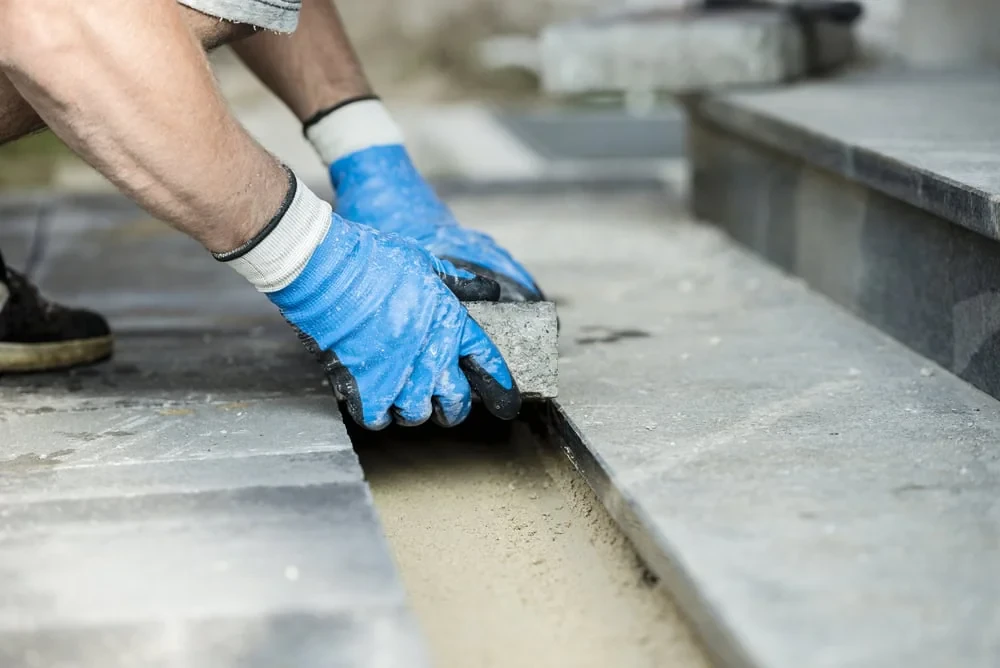
Leveling Sand Stone Stairs Mecklenburg County North Carolina_1

Professional Paver Installation Services

Your Property Looks Better Immediately

You’ll see the difference the moment we finish. Your driveway stops looking tired and outdated. Your patio becomes a space you actually want to use.

But the real payoff comes over time. While your neighbors deal with cracked concrete and expensive replacements, your pavers stay level and intact. Individual pavers can be replaced if damaged, but that rarely happens with proper installation.

The drainage improvement alone saves you headaches. No more water pooling against your foundation or icy patches that make you nervous walking to your car.

Coulwood East Paver Specialists

We Know Charlotte's Clay Soil

Union Landscaping and Hardscape S Corp has been handling paver installations throughout the Charlotte area for years. We focus specifically on the soil conditions and weather patterns that affect long-term paver performance in North Carolina.

We understand that proper base preparation makes the difference between pavers that last decades and ones that start shifting within a few years. We’ve seen too many DIY jobs and cut-rate installations fail because corners were cut on the foundation work.

Every project starts with the right materials and methods for Charlotte’s clay soil conditions.
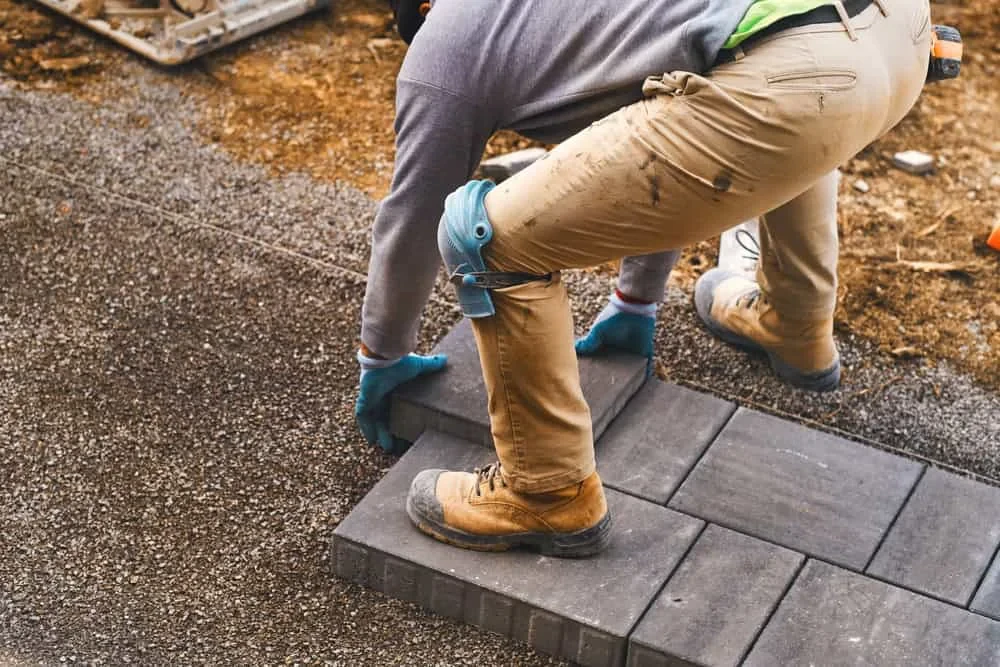
Landscaper Laying Gray Pavers Mecklenburg County North Carolina

Paver Installation Process

Here's Exactly What Happens

First, the existing surface gets removed and the area is excavated to proper depth. This isn’t negotiable – shortcuts here cause problems later.

Next comes base preparation with the right materials for your specific soil type. The base gets compacted in lifts, not all at once. Sand leveling follows, creating the perfect foundation for your pavers.

Paver installation happens methodically, maintaining proper spacing and alignment. Edge restraints go in to prevent shifting. Finally, joint sand gets swept and compacted to lock everything in place.

You’ll know exactly what’s happening at each step. No surprises, no delays while we figure out problems that should have been anticipated.
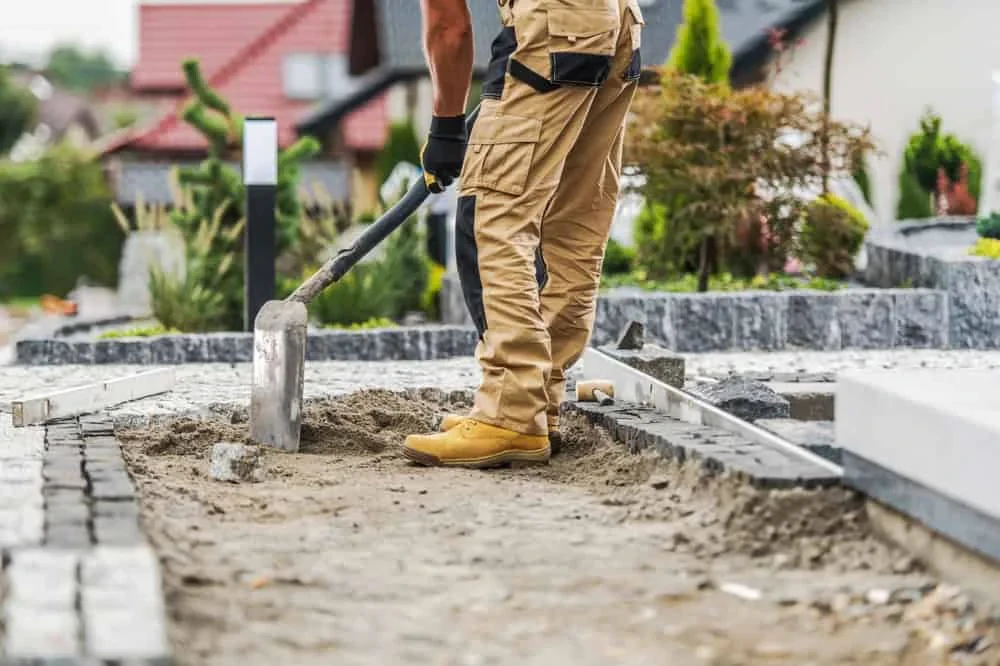
Landscaper Shoveling Foundation Mecklenburg County North Carolina_1

Ready to get started?

Explore More Services

About Union Landscaping and Hardscape

Get a Free Consultation

Residential and Commercial Pavers

Complete Paver Solutions

Our driveway paver installation handles everything from small single-car driveways to large multi-vehicle areas. The process includes proper drainage solutions and connections to existing concrete where needed.

As patio paver contractors, we create outdoor living spaces that actually get used. Whether you want a simple rectangle or complex patterns with multiple materials, the installation process remains the same – thorough base prep and precise execution.

Our walkway paver installation connects different areas of your property with durable, attractive pathways. These projects often involve working around existing landscaping and matching elevation changes properly.

We also provide commercial paver contractor services covering larger areas like parking lots, business entrances, and retail spaces where durability and appearance both matter for your business success.
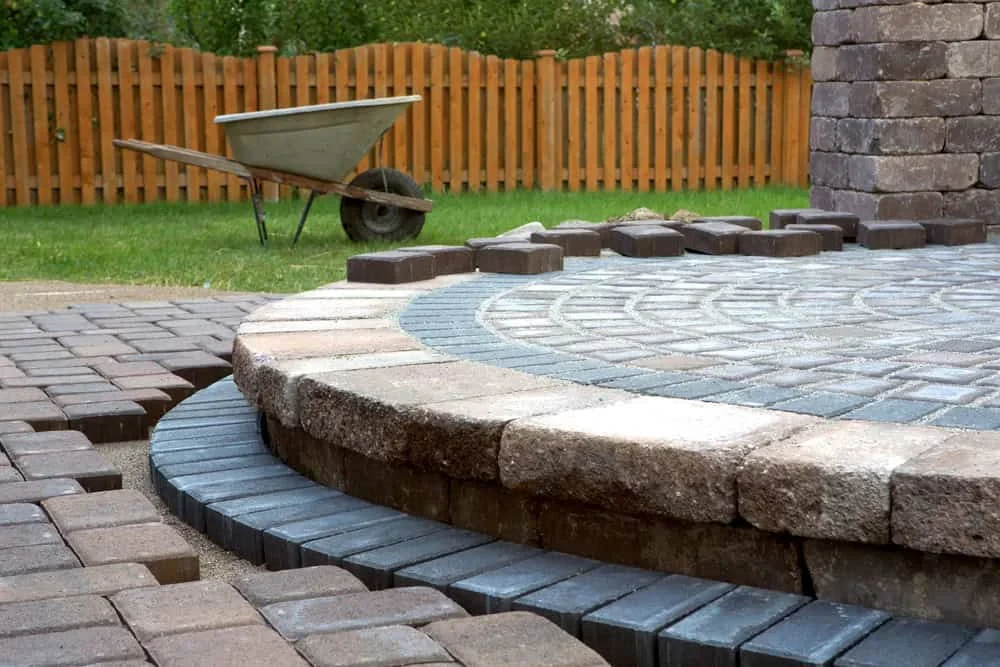
Stone Patio Under Construction Mecklenburg County North Carolina

How long do pavers last compared to concrete?

Properly installed pavers typically last 25-30 years, while concrete driveways usually need replacement after 10-15 years. The key difference is how they handle movement and settling. Concrete cracks when the ground shifts, requiring full replacement. Individual pavers can move slightly without damage, and if one does crack, you replace just that piece instead of the entire surface. The initial cost difference often evens out over time when you factor in concrete replacement costs.
Interlocking pavers have specific shapes designed to fit together tightly, creating a stronger overall surface that distributes weight more evenly. Regular pavers rely mainly on joint sand for stability. Interlocking systems work better for driveways and high-traffic areas because they resist shifting and spreading under load. Both types need proper base preparation, but interlocking pavers give you extra insurance against movement over time, especially important in areas with clay soil like Charlotte.
Drainage gets built into the base preparation and grading. The excavated area gets sloped away from structures, and we often install drainage pipes or channels where needed. Pavers actually drain better than concrete because water can seep through the joints instead of running off entirely. For areas with serious drainage issues, we can install permeable pavers that let water pass through the paver itself. The key is identifying drainage needs during the planning phase, not after problems develop.
Sometimes, but it depends on the concrete’s condition and the specific situation. The existing concrete needs to be level, stable, and properly sloped for drainage. We typically add a sand leveling layer over the concrete before installing pavers. However, if the concrete is cracked, settling, or has drainage problems, it’s usually better to remove it completely and start with proper base preparation. Shortcuts here often lead to problems later, so we evaluate each situation individually.
Regular maintenance is minimal – occasional sweeping and rinsing with a hose. Joint sand may need replenishing every few years, especially after heavy rains. Sealing is optional but helps prevent staining and makes cleaning easier. Most stains can be removed with appropriate cleaners. Weeds occasionally grow in joints, but proper joint sand and sealing minimize this. If individual pavers get damaged, they can be lifted out and replaced without affecting surrounding areas. Overall maintenance is less than concrete, which needs regular sealing and crack repair.
Paver installation typically costs more upfront than basic concrete, but the long-term value often favors pavers. Concrete might cost $6-10 per square foot initially, while pavers range from $12-18 per square foot depending on materials and complexity. However, when concrete needs replacement in 10-15 years, you’re paying that installation cost again. Pavers can last decades with minimal maintenance. Factor in the improved appearance, better drainage, and easier repairs, and pavers often provide better value over time.