Paver Contractors in Carmel, NC

Pavers That Actually Last

Professional installation with proper base prep, drainage, and materials that handle North Carolina weather.
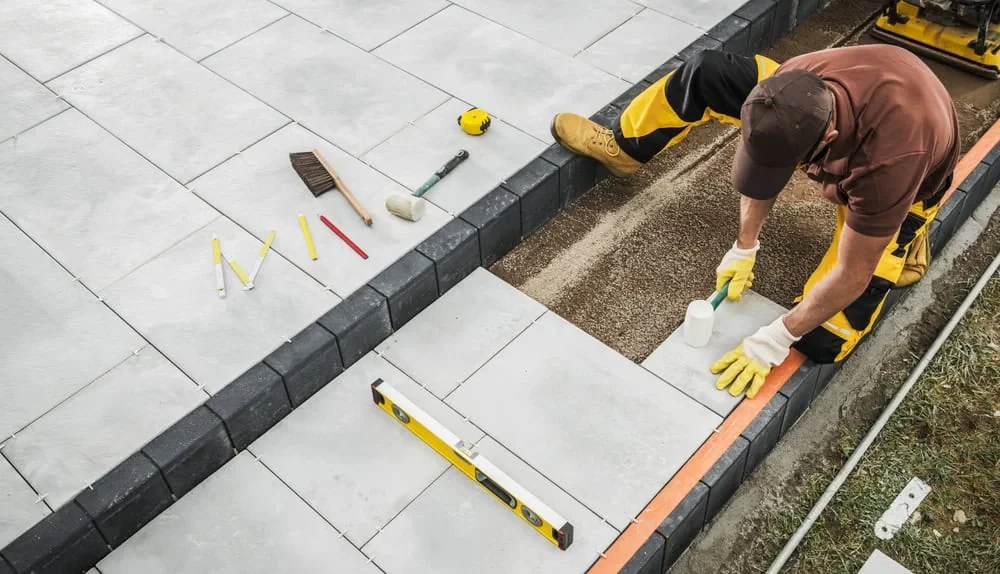
Landscaper Laying Concrete Slab Mecklenburg County North Carolina
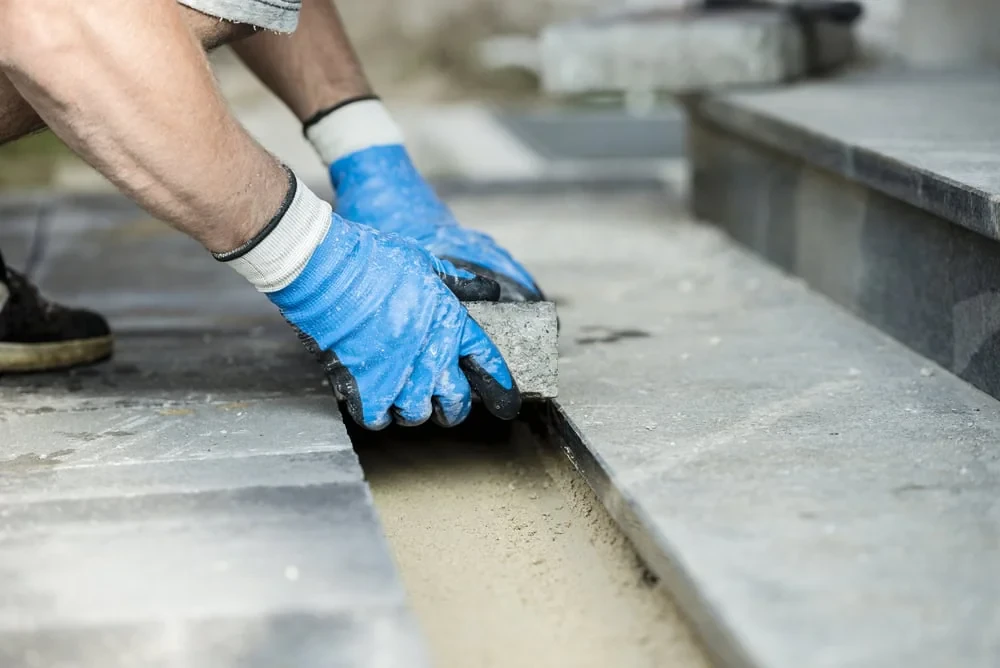
Leveling Sand Stone Stairs Mecklenburg County North Carolina_1

Professional Paver Installation Carmel

What You Get With Expert Installation

Your driveway won’t develop those annoying low spots that collect water every time it rains. Your patio stays level and stable, so furniture doesn’t wobble and guests don’t trip on uneven stones.

You get surfaces that look as good in five years as they do on day one. No settling, no shifting, no weeds growing through gaps because the job was rushed.

The difference is in the foundation work most people never see. Proper excavation depth, the right base materials, and compaction that actually creates a stable surface. When it’s done right, your pavers become a permanent improvement to your property instead of a future headache.

Carmel Paver Installation Experts

We Know Carmel's Ground Conditions

Union Landscaping and Hardscape S Corp has been handling paver installation projects throughout Carmel and the surrounding areas for years. We understand how North Carolina’s clay soil and weather patterns affect outdoor surfaces.

Every project starts with proper site evaluation. We know which areas need extra drainage consideration and how to prepare bases that won’t shift when the ground freezes and thaws.

You’re working with contractors who’ve seen what happens when corners get cut. That’s why we focus on the foundation work that keeps your investment looking good long-term.
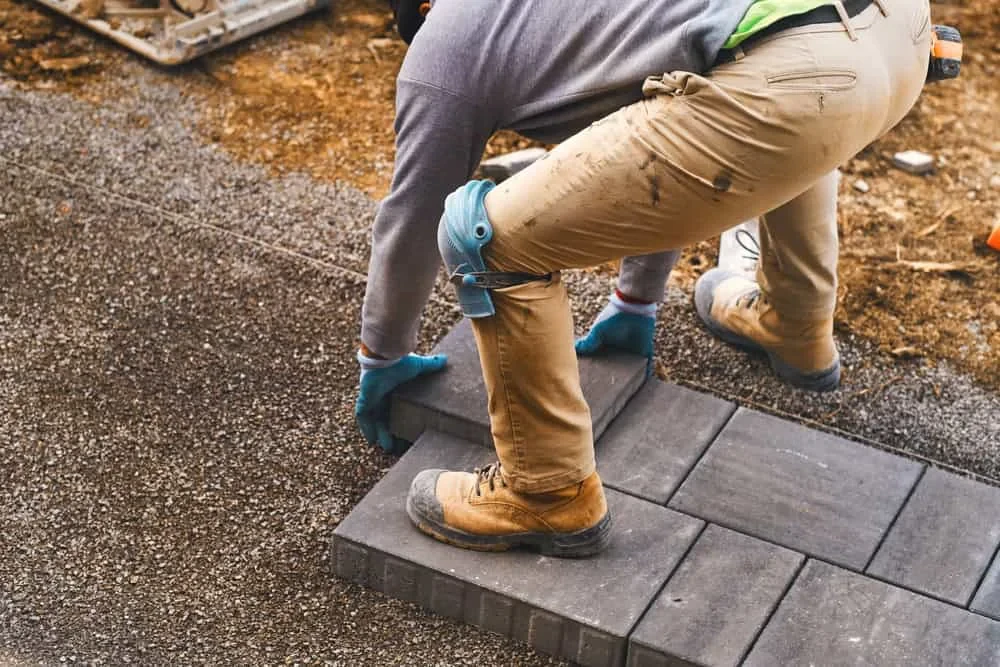
Landscaper Laying Gray Pavers Mecklenburg County North Carolina

Paver Installation Process Carmel

How Professional Installation Actually Works

First, we evaluate your site and discuss design options that work with your space and budget. You’ll see material samples and get a clear timeline before any work begins.

Excavation comes next – digging to the proper depth and creating the slope needed for drainage. The base gets built in layers with the right materials, not whatever’s cheapest. Each layer gets compacted properly because this is what prevents settling later.

Paver installation follows precise patterns with proper spacing and edge restraints. The final step involves joint sand application and compaction to lock everything in place. You get a surface that’s ready to use immediately and built to handle whatever North Carolina weather brings.
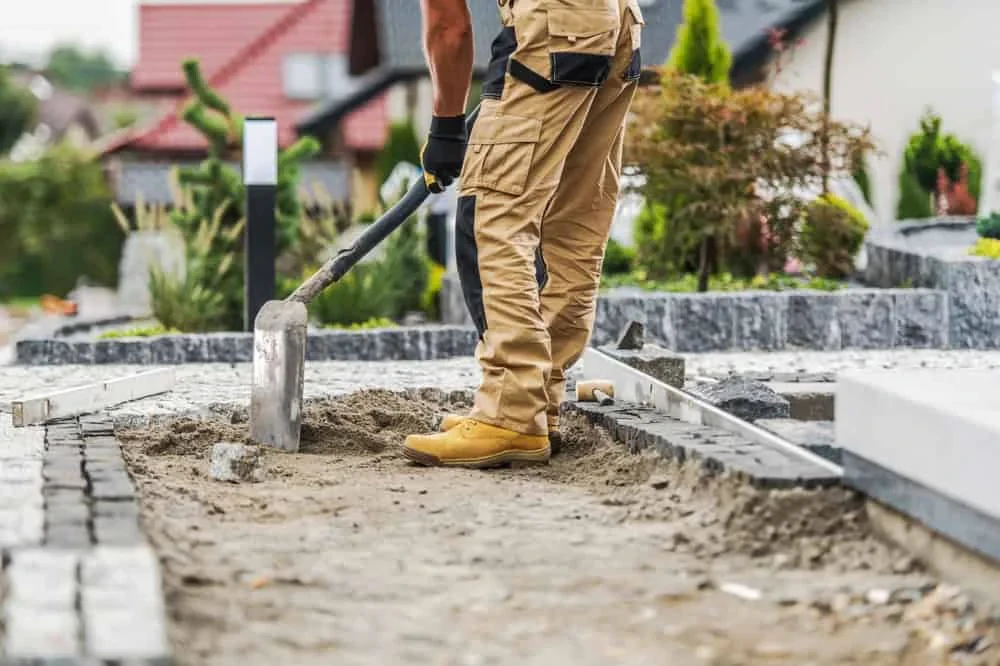
Landscaper Shoveling Foundation Mecklenburg County North Carolina_1

Ready to get started?

Explore More Services

About Union Landscaping and Hardscape

Get a Free Consultation

Residential Commercial Paver Contractors

Complete Paver Installation Services

We handle both residential paver installation and commercial projects throughout Carmel. Whether you need a new driveway, patio space, or walkway system, our approach stays the same – proper preparation and quality materials.

We work with concrete pavers, brick pavers, and natural stone options. Each material has specific installation requirements, and we adjust our techniques accordingly. You’re not getting a one-size-fits-all approach.

Commercial clients get the same attention to foundation work with additional considerations for traffic loads and ADA compliance where needed. Every project includes proper drainage solutions because water management is critical for long-term performance in our climate.
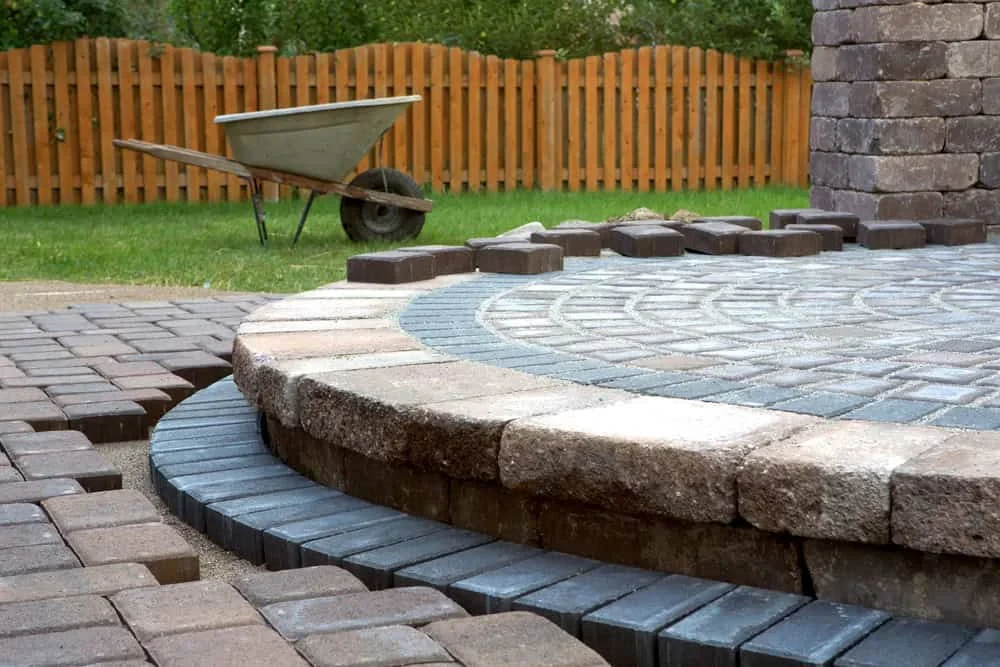
Stone Patio Under Construction Mecklenburg County North Carolina

How long does paver installation take in Carmel, NC?

Most residential paver projects take 3-7 days depending on size and complexity. A standard patio might be completed in 3-4 days, while a large driveway could take a full week. Weather can extend timelines since proper base preparation requires dry conditions. The excavation and base work typically takes 60% of the project time – this isn’t where you want contractors rushing. We provide realistic timelines upfront and keep you updated if weather or site conditions require adjustments.
The difference is mostly invisible – it’s in the foundation work. Cheap installation skips proper excavation depth, uses inadequate base materials, or doesn’t compact layers correctly. You’ll see the results in 1-2 years when pavers start settling unevenly or shifting. Professional installation costs more upfront because it includes proper site preparation, quality base materials, and correct installation techniques. The base typically needs to be 6-8 inches deep with specific gravel types, not just whatever’s available. This foundation work determines whether your pavers last 20+ years or need repairs in a few seasons.
Pavers actually work better than concrete in clay soil because they can flex slightly as the ground moves through freeze-thaw cycles. The key is proper base preparation that accounts for clay’s expansion and drainage characteristics. Clay holds water, so the base needs extra drainage layers and proper slope design. We adjust excavation depth and base materials based on your specific soil conditions. In some areas, additional drainage systems are necessary to prevent water from sitting under the pavers. When installed correctly, pavers handle clay soil better than solid concrete surfaces.
Residential paver installation typically ranges from $12-25 per square foot depending on materials and site conditions. A basic concrete paver patio might start around $12-15 per square foot, while natural stone or complex patterns cost more. Driveways require thicker bases and edge restraints, affecting pricing. Site preparation costs vary significantly – flat areas with good drainage cost less than sloped sites requiring extensive grading. We provide detailed estimates that break down material and labor costs so you understand exactly what you’re paying for. The investment typically adds significant value to your property.
Properly installed pavers need minimal maintenance. You’ll want to sweep them regularly and rinse with a hose occasionally. Joint sand may need topping off every few years, especially after heavy rains. Sealing is optional but can enhance color and make cleaning easier – typically needed every 3-5 years depending on traffic and weather exposure. Weeds shouldn’t be an issue if the installation included proper base preparation and quality joint sand. If individual pavers get damaged, they can be replaced without affecting surrounding stones. This repairability is a major advantage over concrete slabs.
Sometimes, but it depends on the concrete’s condition and drainage situation. The existing concrete needs to be structurally sound, properly sloped for drainage, and thick enough to support the additional weight. Cracks or settling in the original concrete will eventually affect the pavers above. In many cases, it’s better to remove the old concrete and start with proper base preparation. This ensures long-term performance and allows for correct drainage design. We evaluate each situation individually and recommend the approach that gives you the best long-term results rather than just the cheapest short-term option.